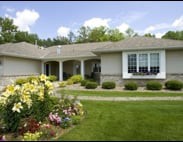
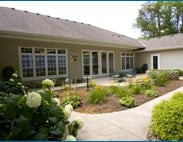
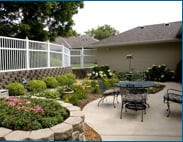
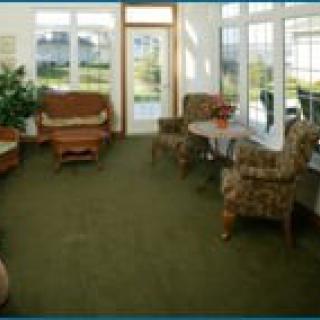
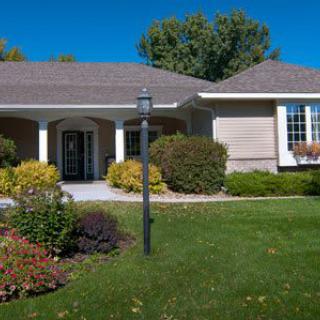
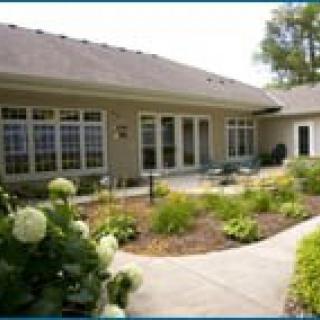
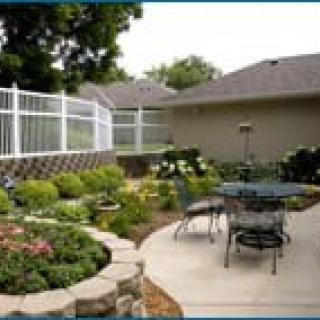
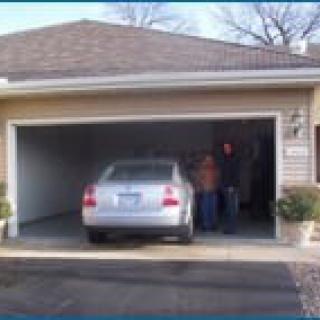
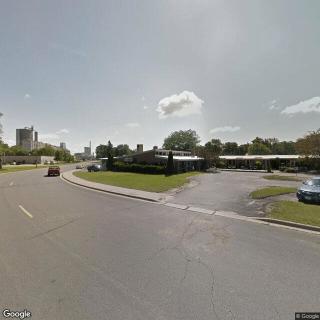
1855 10th Ave W, Shakopee, MN 55379
To contact a resident: (952) 908-2215
For more information about senior living options: (866) 208-4318
Emerald Crest of Shakopee Costs & Pricing
Emerald Crest of Shakopee offers competitive pricing for its residents, particularly when compared to the broader benchmarks of Scott County and the state of Minnesota. For a semi-private room, the monthly cost is $3,570, which is notably lower than the average costs in Scott County at $4,165 and slightly below the statewide average of $4,051. Similarly, for those considering a studio apartment, Emerald Crest's rate of $3,980 remains favorable against Scott County's average of $4,232 while being higher than Minnesota's overall average of $3,617. This pricing structure reflects Emerald Crest's commitment to providing quality care and accommodations that are accessible while maintaining an atmosphere conducive to comfort and well-being for residents.
| Floor plans | Emerald Crest of Shakopee | Scott County | Minnesota |
|---|---|---|---|
| Semi-Private | $3,570 | $4,165 | $4,051 |
| Studio | $3,980 | $4,232 | $3,617 |
Memory care communities with a similar price nearby
-
from -$570 / mo
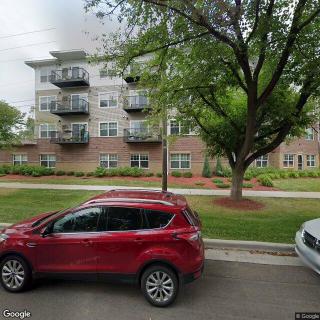
Highland on Graham
$3,000 to $4,000 / month19.6 miles away -
from -$370 / mo
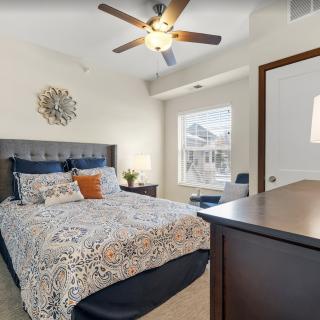
Carver Ridge Senior Living
$3,200 to $4,800 / month4.7 miles away -
from -$230 / mo
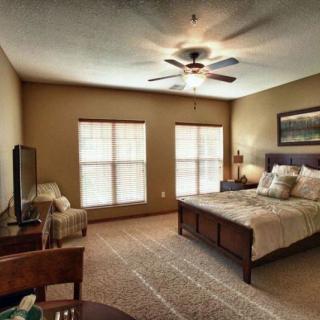
The Fountains at Hosanna
$3,340 to $4,440 / month15.1 miles away -
from +$210 / mo
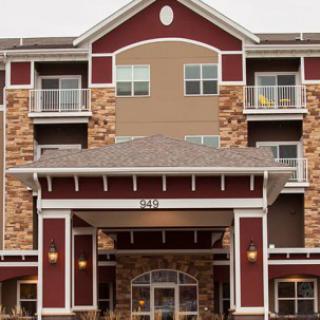
Lilydale Senior Living
$3,780 / month21.8 miles away -
from +$305 / mo
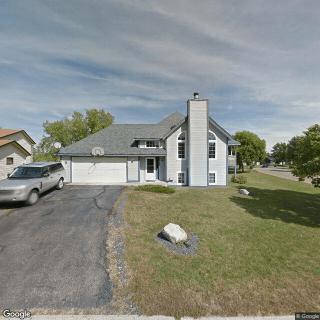
Ann's Home - Savage
$3,875 to $5,185 / month10.7 miles away
Overall Review of Emerald Crest of Shakopee
Pros
 Emerald Crest Shakopee Memory Care offers a unique, tailored care model for residents.
- The staff are caring, patient, and treat residents with dignity and affection.
- Pastor Arlen provides spiritual care and quickly becomes a trusted friend and source of support.
- The clinical staff are caring and communicative, keeping families well informed.
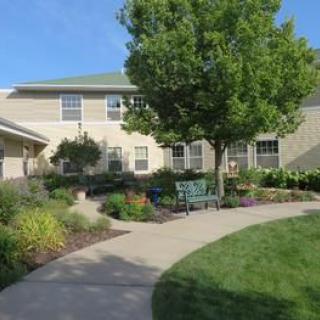
- The facility creates a welcoming, home-like environment where residents feel supported.
- Families appreciate the frequent, reassuring updates about their loved ones.
- The dining area and activities are well organized and engaging, enhancing residents’ daily experiences.
Cons
 They never got a call back after applying, and felt the management was not very good.
- They described the facility as horrible and urged others not to place their loved ones there.
- The bathrooms were too small for use with a walker.
- There was a problem with cleaning their mom's room, which was resolved only after they brought it to staff's attention.
Review
Emerald Crest of Shakopee is best suited for families seeking a dementia-focused memory care environment where residents can progress through level-by-level care in a close-knit, home-like setting. The community’s strength lies in a tailored care model that guides residents through three distinct houses, matching increasing needs with corresponding staff teams. It is particularly well-suited for families who value ongoing, transparent communication, consistent personal connections with caregivers, and a sense of continuity as dementia advances. Add in regular spiritual support and a culture of affection and dignity, and the option becomes compelling for long-term placements where peace of mind matters as much as routine care.
Those who may want to consider alternatives include families with high expectations for polished administration and flawless operational consistency. While Emerald Crest earns praise for kindness and a family-centric approach, a few reviews flag management responsiveness as uneven. For residents who require top-tier housekeeping reliability, more spacious accessibility features, or rapid administrative follow-through, other communities with more robust centralized management and clearly documented service standards may feel safer. Additionally, families seeking bathrooms that accommodate walkers or wheelchairs without compromise should scrutinize floor plans and room dimensions carefully, as some comments point to smaller facilities that can feel tight for mobility aids.
The strongest pros, genuine staff devotion, open lines of communication, and a care continuum that adapts as cognition changes, often offset many daily inconveniences. Caregivers are repeatedly described as patient, kind, and attentive, with families appreciating timely updates and the sense that loved ones are treated with dignity. The presence of spiritual support through Pastor Arlen adds a meaningful layer of comfort for many residents and families, reinforcing a culture where emotional well-being and connection matter daily. The “homey” atmosphere, the ability to keep familiar routines, and regular activities, including live music, help residents stay engaged and can reduce agitation or withdrawal as memory care progresses. These are tangible advantages that can materially improve quality of life when paired with honest, frequent family touchpoints.
However, the main cons cannot be ignored. Occasional concerns about management consistency and responsiveness surface enough to warrant serious scrutiny, especially for families navigating complex care transitions or requiring quick decisions on care changes. Housekeeping lapses and room cleanliness issues, when they occur, can erode trust quickly, even if promptly addressed once raised. The physical layout, specifically smaller bathrooms in some spaces, can be a practical barrier for residents with walkers or wheelchairs, making accessibility a nontrivial consideration. These factors do not automatically derail the value proposition, but they do tilt the calculus for families who prioritize administrative reliability and bathroom accessibility as non-negotiables.
Visits and conversations should center on how the care model actually functions day-to-day. Prospective families should inquire about how the three-house system operates in practice: how residents transition between levels, how staff assignments are structured, and how family updates are delivered (frequency, format, and detail). Evaluate cleanliness protocols, housekeeping responsiveness, and the severity of any ongoing maintenance or accessibility issues. Ask for current resident stories about daily routines, meaningful activities, and the consistency of spiritual programming. The right fit emerges when the care model’s strengths line up with expectations for family involvement, while operational gaps are clearly understood and manageable.
In decision terms, Emerald Crest of Shakopee shines for families who want a dementia-centered residence where personalized care, genuine warmth, and ongoing family communication form the core experience. It is less ideal for households that demand unwavering administrative precision, flawless housekeeping, and barrier-free bathrooms across the board. For those evaluating options, Emerald Crest is a strong contender if the priority is a deeply human approach to memory care, with an environment designed to feel like home and staff who view care as a relationship rather than a task. When touring, focus on the practicalities that most impact daily life: accessibility, staffing consistency, and the robustness of family updates, and weigh those against the emotional and spiritual supports that appear to make Emerald Crest distinctive.
 Memory Care
 Activities off-site
 Air-conditioning
 Bath tubs
 Beautician on-site
 Devotional services off-site
 Ground floor units
 Handicap accessible
 Indoor common areas
 Kitchenette
 Outdoor common areas
 Respite or short term stays offered
 Wheelchair accessible showers
 Minneapolis-St Paul International (18 miles away)
 Diabetic care
 Incontinence care
 Medication management
 Guest meals
 Art classes
 Catholic services
 Day trips and outings
 Jewish services
 Karaoke
 Live musical performances

 Choosing the Right Senior Care: A Detailed Exploration of Assisted Living and Nursing Homes
 Safeguarding Your Memory Through the Golden Years: Eight Ways to Preserve Cognitive Health
 Comprehensive Insights into Activities of Daily Living (ADLs) and Their Assessment