
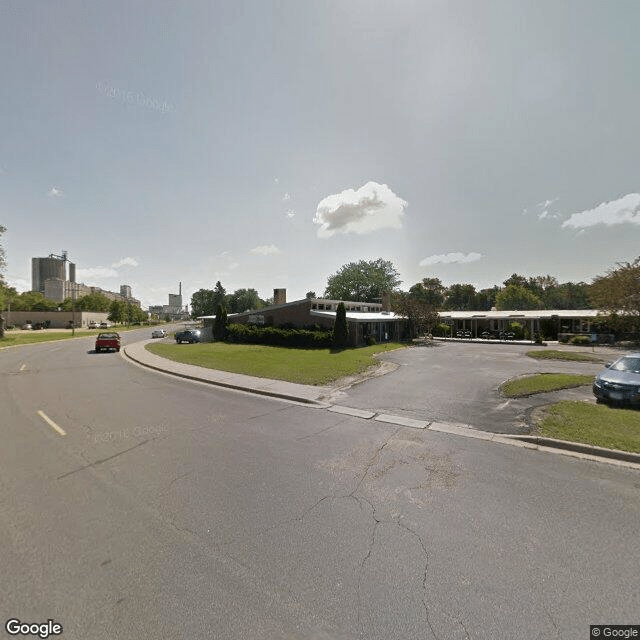
1340 3rd Ave W, Shakopee, MN 55379
To contact a resident: (952) 445-4155
For more information about senior living options: (866) 208-4318
Overall Review of Friendship Manor Hlth Care Ctr
Pros
 The staff are caring and kind to residents.
- The care provided is attentive and high quality; residents are well cared for.
- Families feel welcomed and connected, with excellent communication.
- Staff members go above and beyond to support residents.
- Residents feel reassured and happy when they see the aides and staff.
- The environment is quiet, homey, and inviting, with a pleasant garden and visiting space.
- Longevity and dedication of the staff contribute to outstanding care.
Cons
 They had very slow follow-through with care plan changes.
- They spoke about the father in his presence, as if he wasn’t there, saying hurtful and mean things.
- They left residents outside on the lawn during air quality alert days.
- The reviewer was glad to have their dad out of that pit of a place.
Review
Friendship Manor Health Care Center in Shakopee, Minnesota is best suited for families seeking a small, homey skilled-nursing environment where staff relationships drive the quality of daily care. This community rewards longevity and a personal touch over corporate polish: residents benefit from caregivers who know them by name, remember routines, and respond with warmth and steadiness. It is ideal for seniors who value steady, direct communication with families and a tranquil, quieter setting where staff stay engaged over years. Families prioritizing a warm, relationship-driven atmosphere and an inviting social fabric will find the day-to-day experience here aligns well with those preferences.
That said, this is not the right choice for every situation. For residents with high medical complexity requiring rapid, highly specialized interventions, or for families seeking a large, bustling campus with a broad menu of therapy options, alternatives should be explored. A recent concern among a minority of reviewers points to slower follow-through on care-plan changes and moments where staff discussions about a resident occurred in their presence. For memory care needs or other highly technical cares, bigger facilities with dedicated care-management structures or hospital-affiliated campuses may offer more robust, on-demand resources.
The strongest positive message centers on the caregiving relationship. Families repeatedly describe staff as caring, attentive, and genuinely invested, often highlighting individuals by name for going above and beyond. Communication is consistently praised as clear and reliable, with updates and involvement that help families remain connected. The setting itself amplifies these strengths: a quaint, home-like atmosphere, quiet spaces, and a well-tended garden area that supports meaningful visits. The continuity of care staff, long-tenured aides and nurses, generates trust and stability, which is especially valuable for families navigating transitions or long-term placements.
There is a legitimate, usable concern to monitor. The occasional lapse in care-plan responsiveness and the discomfort caused by discussions about a resident in front of him point to a potential fragility in the facility’s system under pressure. In a smaller operation, such gaps can feel magnified and may corrode trust if not addressed promptly. While these moments are not the norm, they are meaningful enough to warrant asking direct questions about how care plans are updated, how quickly changes are implemented, and how resident dignity is preserved during every discussion.
Nevertheless, the practical advantages tend to outweigh the drawbacks for most families. The core strength lies in staff devotion and the resulting continuity of care; families feel heard, and residents benefit from personalized attention that is hard to sustain in larger, corporate settings. The ability to witness consistent, compassionate care day after day, alongside a tranquil environment and active, engaging programs, often translates into greater peace of mind for relatives who cannot be physically present. Long-tenured staff also contribute to a culture where feedback from families is respected and acted upon, further supporting a sense of partnership.
For families deciding whether Friendship Manor is the right match, start with a clear picture of the resident’s priorities. This community shines for seniors who want a warm, low-key, relationship-centered environment and are comfortable with a smaller footprint. If memory care needs or rapid, highly specialized medical management are at the top of the list, consider alternatives that offer more formalized care pathways and larger resource pools. Ask pointed questions about care-plan timelines, how staff communicate changes, and how resident input is integrated into decisions. Arrange multiple visits at different times, observe how staff interact with residents, and verify how family updates are delivered. When those elements align, Friendship Manor presents a compelling, practical choice anchored in compassionate care and genuine connection.
 Skilled Nursing Facility
 Minneapolis-St Paul International (17 miles away)

 Fecal Incontinence in Older Adults: A Comprehensive Guide
 Recognizing the Journey: Understanding and Navigating Anticipatory Grief
 Encouraging Participation in Adult Day Care: A Guide to Supporting a Hesitant Parent