
1340 Third Avenue West, Shakopee, MN 55379
For more information about senior living options: (866) 208-4318
Overall Review of Shakopee Friendship Manor
Pros
 The mother received the best possible care.
- Every staff member has been caring and kind toward her.
- She could not have received better care.
- The facility is highly recommended to everyone.
- Lexi, Deb, and Mark went above and beyond for her.
- The family feels immense appreciation for the staff.
- They always feel great when visiting in the evenings.
- The nursing team is always friendly and promptly attends to residents.
- The staff care deeply about the residents and provide attentive care during visits.
- The relationship between aides and residents is warm and positive.
- The staff take excellent care of residents.
- Residents smile when they see the staff.
Cons
 They kept residents outside on the lawn during air quality alert days.
- They had very slow follow-through with care plan changes.
- They talked in front of the reviewer’s father as if he wasn’t there, saying hurtful and mean things.
- The reviewer was glad to get their dad out of that pit of a place.
Review
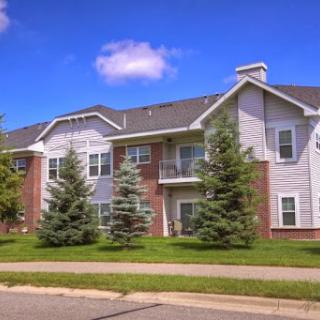
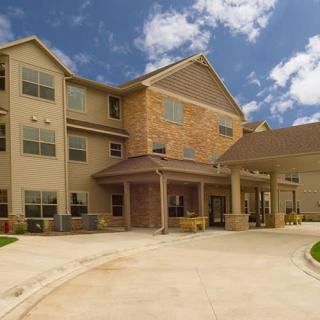
Shakopee Friendship Manor is best suited for families seeking a small, homey nursing-home environment where care feels personal, consistent, and relationship-driven. The setting rewards residents who thrive on steady routines, meaningful daily engagement, and staff who become familiar faces rather than anonymous faces in a large campus. The abundant praise for attentive aides, long-tenured staff, and genuine warmth points to a culture built on care partnerships with families. Residents benefit from quiet spaces, garden views, and a sense that the facility functions more like a thoughtfully run home than a distant medical institution. It is ideal for seniors who value emotional connection, regular communication with caregivers, and a calmer atmosphere oriented toward comfort and dignity.
Those who may want to consider alternatives are families prioritizing high-intensity medical services, rapid care-plan changes, or a larger, more clinical setting. The strongest caution emerges from a single review noting slow follow-through on care-plan updates and comments made in front of a resident, issues that can be pivotal for someone needing swift adjustments to medications, therapies, or behavioral supports. For residents with complex, rapidly shifting clinical needs or for those who want a bustling, hospital-like environment with abundant on-site specialists, a bigger campus or facility with more robust clinical resources may be a better fit. In short, this community excels in warmth and consistency, but may feel less nimble in urgent clinical responsiveness.
The core pros, compassionate staff, strong communication, and a home-like atmosphere, work powerfully to offset the main drawbacks. Families repeatedly highlight staff who know residents well, treat them with kindness, and stay engaged beyond the bare minimum care tasks. Longevity among caregivers (with references to decades of service) translates into deep institutional memory, fewer disruptive transitions, and a reliable sense of continuity for residents. The facility’s intimate size, practical layout, and engaging programming, plus opportunities for family involvement via video calls or informal visits, further amplify quality of life. When a resident is oriented to care partners who routinely anticipate needs and celebrate small moments, the perceived gaps in responsiveness are less jarring.
A second cluster of strengths reinforces the value proposition: a calm, homey vibe with quiet, intimate spaces and aesthetically pleasing features like garden visiting areas and scenic views. Families describe transitions into the community as smooth, aided by staff who welcome new residents and maintain steady routines. The ability to keep loved ones connected, whether through FaceTime or regular visits, appears to matter deeply to families separated by distance, and staff seem adept at facilitating those connections. The combination of attentive day-to-day care with a genuinely affectionate culture creates a living experience that feels less clinical and more like a supportive, extended family.
When weighing the notable con against the strengths, the balance tilts toward the positive for most prospective residents and their families. The standout virtue is the quality of interpersonal care and the reliability of staff who know residents’ preferences and histories. The one documented instance of slower care-plan adjustment should be addressed proactively by families during intake and ongoing care conferences: request a clear escalation path, designate a point person for updates, and insist on regular, actionable summaries of any changes. For those who prize consistency, predictability, and a warm, respectful environment, the cons are manageable and far outweighed by the living experience on offer.
Bottom line: this community delivers an exceptionally caring, person-centered environment that many families will find transformative for a loved one’s later years. It is a compelling choice for seniors who prioritize emotional connection, stable staffing, and a homelike setting over high-tech amenities or rapid clinical throughput. Families who need rapid care-plan turnarounds or a more hospital-like ecosystem should explore alternatives with stronger acute-care capabilities. Otherwise, thoughtful engagement with staff, upfront conversations about care planning, and a visit to observe daily life will confirm that Friendship Manor stands out as a practical, seasoned option for dignified, attentive senior care.
 80 resident community capacity
 Skilled Nursing Facility
 Air-conditioning
 Beauty salon
 Cable or satellite TV
 Computer center
 Dining room
 Fitness room
 Fully furnished
 Gaming room
 Garden
 Housekeeping services
 Kitchenette
 Move-in coordination
 Outdoor space
 Private bathrooms
 Restaurant-style dining
 Small library
 Telephone
 Wellness center
 Wi-Fi/high-speed internet available
 Minneapolis-St Paul International (17 miles away)
 Community operated transportation
 12-16 hour nursing
 24-hour call system
 Activities of daily living assistance
 Assistance with bathing
 Assistance with dressing
 Assistance with transfers
 Diabetes diet
 Medication management
 Mental wellness program
 Special dietary restrictions
 Concierge services
 Planned day trips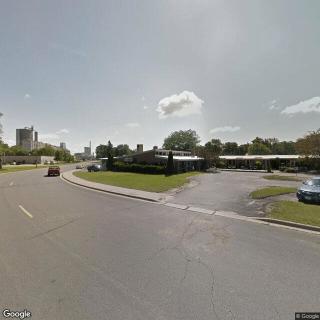


 Managing Nursing Home Expenses After Medicare Coverage Ends
 Is a Geriatric Care Manager the Right Choice for Your Family?
 Compassionate Conversations: How to Comfort Someone Who Is Grieving