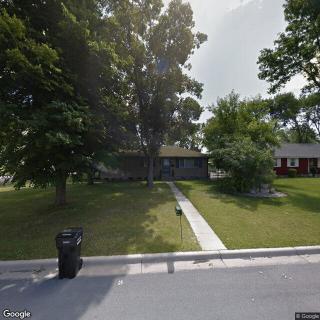
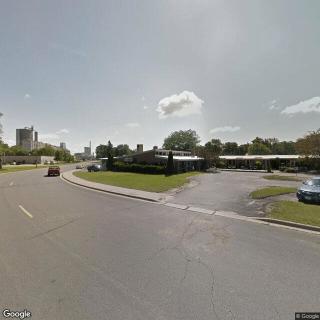
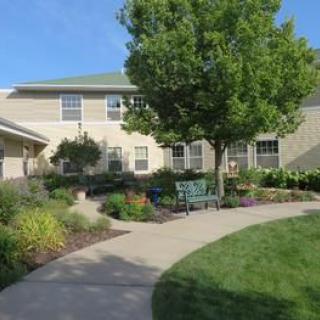
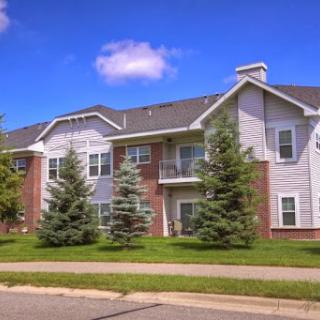
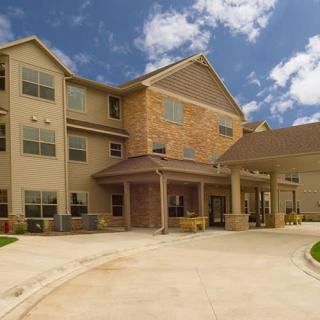
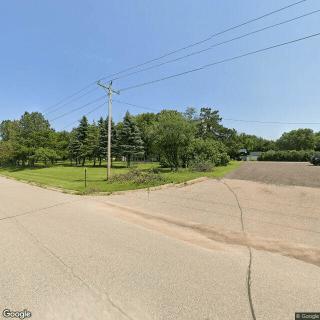
Augustana Emerald Crest II in Shakopee, MN

1855 10Th Avenue West, Shakopee, MN 55379

For more information about senior living options: (844) 490-3973

3.9 from 10 reviews
5 stars
5
4 stars
3
3 stars
0
2 stars
0
1 stars
2

Assisted Living Memory Care

What level of care are you interested in?

Assisted Living

Memory Care

Independent Living

Skilled Nursing Facility

Continuing Care Retirement Community (CCRC)CCRC

Other


Request a tour at Augustana Emerald Crest II

    Overall Review of Augustana Emerald Crest II

    Pros

    • pro The care model is unique and tailored for residents.
    • pro Emerald Crest Shakopee served as a loving final home for almost three years.
    • pro Residents are cared for with dignity and affection.
    • pro The clinical staff are caring and communicative.
    • pro The staff treat residents with patience, kindness, and dignity, and maintain open communication with families.
    • pro Pastor Arlen provides meaningful spiritual care and quickly becomes a friend and source of support for residents.
    • pro Pastor Arlen Solem contributes to excellent care across Emerald Crest locations.
    • pro Weekly visits from Pastor Arlen and rotating live music on weekends are appreciated.

    Cons

    • pro Management is not that good.
    • pro They never received a callback after paying for the background check.
    • pro The reviewer described Emerald Crest as horrible and warned others not to put their loved ones there.

    Review

    Augustana Emerald Crest II in Shakopee is best suited for families seeking a memory-care-focused community that embeds dignity, personal connection, and consistent family communication into a progressive care model. This campus-style approach, with three distinct houses that align with increasing levels of dementia care, suits residents who will benefit from a familiar, intimate environment as their needs evolve. It works best for families who value pastoral support, meaningful daily activities, and a setting that feels like a home rather than a clinical facility. Those needing highly integrated medical management or a purely clinical setting may want to consider alternatives.

    The strongest selling points are clear and well-supported by long-standing positive feedback. The care model is described as unique and tailored, with staff who treat residents with patience, kindness, and dignity. Families repeatedly note strong lines of communication, with regular updates that help relatives feel connected to their loved one's day-to-day status. A distinctive spiritual dimension is highlighted through Pastor Arlen, whose involvement is described as comforting and ongoing across Emerald Crest locations. Live music on weekends and rotating activities contribute to an engaging atmosphere, reinforcing a sense of community and belonging for residents.

    Another evident strength is the consistency and warmth of caregiving over time. Several families describe years of well-cared-for residency, with stories of smiling, content residents during visits. The environment is repeatedly depicted as "homey," with attentive dining spaces and comfortable rooms, suggesting a setting where residents can settle in and maintain familiar rituals. The combination of compassionate staff and a structured, progression-based care plan can offset the emotional strain of dementia for families who prioritize stability, regular contact, and meaningful human connection over clinical rigor alone.

    Yet, concerns do surface in the reviews, and they warrant careful consideration. One strongly negative voice warns against placing a loved one here, signaling that not every experience aligns with the optimistic case. Another reviewer questions management effectiveness, noting poor follow-through in the application process and a lack of responsiveness to family inquiries. A different account mentions an abrupt acceptance after a background check with no subsequent outreach, hinting at inconsistent administrative processes. Taken together, these voices point to variability in administrative reliability that could color the overall experience, especially for families who rely on timely decisions, transparent handling of transitions, and proactive problem-solving.

    Those potential drawbacks do not entirely negate the value of Emerald Crest II, but they do shape the decision framework. The key is aligning expectations with the facility's strengths: superior, person-centered dementia care, a warm, home-like atmosphere, and frequent, meaningful family updates, balanced against pockets of administrative inconsistency. For families whose priority is a calm, dignified environment with an emphasis on spiritual and social nourishment, the pros often outweigh the cons. For others, especially those whose top priorities include surgical precision in care coordination, rapid administrative responsiveness, and flawless onboarding, the trade-offs may feel too large.

    In practical terms, prospective families should probe several specifics before deciding. Ask for recent staff-to-resident ratios by shift and how those figures shift as residents transition between houses. Request detailed pathways for level-of-care changes, including expected timelines and who manages the transition. Inquire about the structure and cadence of family updates, and whether there is a dedicated contact person for scheduled communications. Verify how much autonomy residents retain in daily activities, meals, and social programs, and how cultural or faith-based preferences are honored. Finally, seek fresh references beyond the most positive anecdotes, and consider visiting during different times of day to observe consistency in care and administration. Emerald Crest II is a compelling option for dementia-focused, relationship-driven care - best chosen by families who prize connection, transparency, and a supportive community as the disease progresses, while remaining mindful of the potential for administrative gaps that require proactive engagement.

    Features

    Housing

    • 38 resident community capacity 38 resident community capacity

    Types of Care

    • Assisted Living Assisted LivingAssisted living facilities provide crucial support and care for seniors who may need help with daily tasks such as medication management, bathing, and meal preparation. These communities offer a safe and comfortable environment where seniors can maintain their independence while receiving the assistance they need to thrive in their golden years.
    • Memory Care Memory CareMemory care is crucial for seniors as it provides specialized support and services for individuals with dementia or Alzheimer's disease. These programs offer a safe and secure environment where residents receive personalized care, cognitive stimulation, and help with daily activities. Memory care helps seniors maintain their independence, quality of life, and dignity while also providing peace of mind for their families.

    Amenities

    • Beauty salon Beauty salonBeauty salons are important for seniors because they provide a space for them to feel pampered, socialize, and maintain their personal grooming and hygiene. Regular visits to a beauty salon can help boost seniors' self-esteem and overall well-being.
    • Cable or satellite TV Cable or satellite TVCable or satellite TV is important for seniors because it provides entertainment, news, and companionship, helping to combat loneliness and boredom. It also offers a wide range of programming options tailored to different interests and preferences.
    • Dining room Dining roomDining rooms are important for seniors as they provide a space for socialization, connection, and nutritious meals. They offer opportunities for residents to bond over shared meals, foster a sense of community, and promote healthy eating habits. Dining rooms also ensure that seniors have access to well-balanced meals tailored to their dietary needs and preferences.
    • Fully furnished Fully furnishedFully furnished senior living communities are important for seniors because they provide convenience, comfort, and a hassle-free moving experience. Seniors can easily settle into their new living space without the stress of having to buy and move furniture. This allows them to focus on enjoying their new home and community.
    • Garden GardenGardens are important for seniors as they provide a peaceful and therapeutic environment for relaxation, physical activity, and socialization. Being in nature has been shown to reduce stress, improve mood, and promote overall well-being. Gardens also offer opportunities for seniors to engage in gardening activities, which can improve mobility, flexibility, and cognitive function. Additionally, gardens create a sense of community and connection with others who share a passion for plants and outdoor spaces.
    • Housekeeping services Housekeeping servicesHousekeeping services are important for seniors because they help maintain a clean and safe living environment, promote independence, and reduce the risk of accidents or illnesses. Additionally, having assistance with household chores can alleviate physical strain and allow seniors to focus on other aspects of their well-being.
    • Kitchenette KitchenetteKitchenettes are important for seniors living in senior living communities because they provide the convenience and independence of being able to prepare simple meals and snacks in the comfort of their own living space. This can help promote a sense of autonomy and well-being for seniors, allowing them to maintain some level of control over their dietary choices and daily routines.
    • Move-in coordination Move-in coordinationMove-in coordination is important for seniors because it helps ease the transition into their new living environment. It ensures that all logistics, such as packing, organizing movers, and setting up utilities are taken care of, allowing seniors to focus on settling in and adjusting to their new home. Having a smooth move-in process can alleviate stress and anxiety, making the transition smoother and more enjoyable for seniors.
    • Outdoor space Outdoor spaceOutdoor spaces are important for seniors as they provide opportunities for physical activity, social interaction, exposure to natural light and fresh air, and a sense of connection to nature. Having access to outdoor spaces can improve overall well-being and quality of life for older adults living in senior communities.
    • Telephone TelephoneTelephones are important for seniors as they provide a lifeline for communication with loved ones, emergency services, and healthcare providers. They offer a sense of security and independence, enabling seniors to stay connected and access assistance when needed.
    • Wi-Fi/high-speed internet available Wi-Fi/high-speed internet availableWi-Fi/high-speed internet is important for seniors to stay connected with loved ones, access online resources, and participate in virtual activities to combat feelings of loneliness and isolation. It also allows them to easily manage healthcare needs, access entertainment, and engage in lifelong learning opportunities.

    Transportation

    • Minneapolis-St Paul International (18 miles away) Minneapolis-St Paul International (18 miles away)

    Care Services

    • 24-hour call system 24-hour call system24-hour call systems are important for seniors because they provide peace of mind and immediate assistance in case of emergencies. This technology ensures that help is always available, promoting safety and security for elderly individuals living alone or in assisted living facilities.
    • 24-hour supervision 24-hour supervision24-hour supervision is important for seniors to ensure their safety, well-being, and access to immediate assistance in case of emergencies or health issues. This constant support provides peace of mind for both seniors and their loved ones, allowing them to age in place with dignity and security.
    • Activities of daily living assistance Activities of daily living assistanceActivities of daily living assistance are important for seniors because they provide essential support with tasks such as eating, bathing, dressing, and mobility. This assistance helps seniors maintain their independence, dignity, and overall quality of life as they age.
    • Assistance with bathing Assistance with bathingAssistance with bathing is crucial for seniors as it helps maintain personal hygiene, prevents infections, and ensures their overall well-being and comfort. It also provides a sense of dignity and independence for seniors who may struggle with this task on their own.
    • Assistance with dressing Assistance with dressingAssistance with dressing is important for seniors because it helps maintain their independence, promotes personal hygiene, prevents accidents and injuries, and improves overall quality of life. This service ensures that seniors can continue to dress comfortably and confidently, despite any physical limitations they may have.
    • Assistance with transfers Assistance with transfersAssistance with transfers is crucial for seniors as it helps prevent falls and injuries, maintains their independence, and ensures they can safely navigate their living environment. It also provides peace of mind for both seniors and their loved ones.
    • Coordination with health care providers Coordination with health care providersCoordination with health care providers is crucial for seniors to ensure proper medical care, medication management, and overall well-being. This collaboration helps prevent overlapping treatments, track progress more effectively, and provide comprehensive support tailored to individual needs.
    • Dementia waiver Dementia waiverDementia waivers are essential for seniors as they provide critical protections and accommodations for those experiencing cognitive decline. These waivers ensure individuals with dementia receive appropriate care, support, and resources to maintain their quality of life and dignity as they navigate the challenges of this progressive condition.
    • Diabetes diet Diabetes dietA diabetes diet is crucial for seniors as it helps manage blood sugar levels, reduce risks of complications, and improve overall health and well-being. By following a balanced and nutritious diet tailored to their specific needs, seniors can better control their diabetes and enhance their quality of life.
    • Hospice waiver Hospice waiverHospice waivers are important for seniors because they allow individuals to receive specialized end-of-life care and support at home or in a hospice facility. This waiver ensures that seniors can access the necessary resources and services to maintain comfort and dignity during their final days.
    • Meal preparation and service Meal preparation and serviceMeal preparation and service are crucial for seniors as they may have limited mobility or energy to cook nutritious meals. Having access to healthy and convenient food options can ensure they are getting the proper nutrition needed to maintain their overall health and well-being.
    • Medication management Medication managementMedication management is crucial for seniors to ensure they are taking the right medications at the correct dosages and times. This helps prevent adverse drug interactions, reduces the risk of medication errors, and promotes overall health and well-being. Proactive management also allows for adjustments as needed based on changing health conditions or new prescriptions.
    • Mental wellness program Mental wellness programMental wellness programs are essential for seniors as they promote cognitive stimulation, emotional support, and social engagement. These programs help prevent isolation, depression, and cognitive decline, ultimately enhancing the overall quality of life for older adults.
    • Mild cognitive impairment Mild cognitive impairment"Mild cognitive impairment" is important for seniors because it is an early stage of cognitive decline that can potentially progress to more severe conditions such as dementia. Recognizing and addressing mild cognitive impairment can help seniors receive appropriate care and support to maintain their quality of life and independence for as long as possible.
    • Special dietary restrictions Special dietary restrictionsSpecial dietary restrictions are important for seniors because age-related changes in metabolism and health conditions can make it difficult for their bodies to process certain foods. By following a diet tailored to their specific needs, seniors can maintain their overall health and well-being, manage chronic conditions, and reduce the risk of complications such as malnutrition or food interactions with medications.
    • Specialized memory care programming Specialized memory care programmingSpecialized memory care programming is crucial for seniors with cognitive impairments such as dementia or Alzheimer's disease. These programs provide a safe and supportive environment tailored to the unique needs of individuals with memory loss, helping them maintain their independence, dignity, and quality of life.
    • Transportation arrangement (medical) Transportation arrangement (medical)Transportation arrangements for medical purposes are essential for seniors as they may have difficulty driving themselves to appointments or accessing public transportation. Having reliable and safe transportation options ensures that seniors can receive timely medical care and maintain their health and well-being.
    • Transportation to doctors appointments Transportation to doctors appointmentsTransportation to doctors' appointments is crucial for seniors as it ensures they have access to necessary medical care and support for their health needs. Without reliable transportation, seniors may struggle to attend important appointments, leading to potential delays in treatment and health complications. Providing transportation services helps seniors maintain their overall well-being and quality of life.
    Dining

    • Diabetes diet Diabetes dietA diabetes diet is crucial for seniors as it helps manage blood sugar levels, reduce risks of complications, and improve overall health and well-being. By following a balanced and nutritious diet tailored to their specific needs, seniors can better control their diabetes and enhance their quality of life.
    • Special dietary restrictions Special dietary restrictionsSpecial dietary restrictions are important for seniors because age-related changes in metabolism and health conditions can make it difficult for their bodies to process certain foods. By following a diet tailored to their specific needs, seniors can maintain their overall health and well-being, manage chronic conditions, and reduce the risk of complications such as malnutrition or food interactions with medications.

    Activities

    • Community-sponsored activities Community-sponsored activitiesCommunity-sponsored activities are important for seniors as they provide opportunities for social interaction, mental stimulation, and physical activity. These activities can help improve overall well-being, combat loneliness and isolation, and promote a sense of belonging and purpose among older adults.
    • Scheduled daily activities Scheduled daily activitiesScheduled daily activities are important for seniors because they provide structure, socialization, mental stimulation, and physical activity. Engaging in regular activities can improve overall well-being and quality of life for seniors living in a community setting.

    Description

    Augustana Emerald Crest II in Shakopee, MN is a premier memory care assisted living community. We offer a range of comprehensive care services designed specifically for individuals with memory impairments such as dementia and Alzheimer's disease. Our compassionate and highly-trained staff provide 24-hour supervision and assistance with daily activities such as bathing, dressing, and transfers.

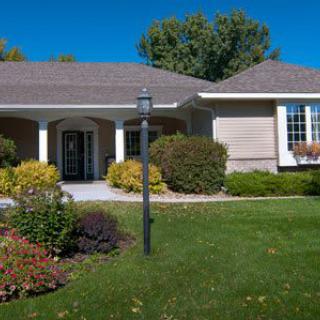
    At Augustana Emerald Crest II, we understand the unique needs of our residents and strive to create a comfortable and homelike environment. Our community features fully furnished apartments with cable or satellite TV, kitchenettes, and Wi-Fi/high-speed internet for residents to stay connected with loved ones. Housekeeping services ensure that each apartment is always clean and inviting.

    For dining, we accommodate special dietary restrictions to meet individual preferences and needs. Our expert chefs prepare delicious meals that are both nutritious and enjoyable. In addition to dining services, we also offer medication management to ensure that residents receive their prescribed medications on time.

    Engaging in meaningful activities is an integral part of life at Augustana Emerald Crest II. Our specialized memory care programming includes scheduled daily activities that stimulate cognitive abilities, promote socialization, and enhance overall well-being. Residents can participate in a variety of enriching activities tailored to their interests and abilities.

    To support our residents' physical health, we offer transportation arrangement for medical appointments and doctors' visits. Additionally, our convenient location provides easy access to nearby cafes, parks, pharmacies, restaurants, places of worship, hospitals, ensuring that residents have plenty of options for outings in the local area.

    At Augustana Emerald Crest II in Shakopee, MN, we are committed to providing personalized care in a warm and supportive environment where residents can thrive.

    Nearby Places of Interest

    Pharmacies

    • Hy-Vee Pharmacy (0.9 miles)
    • Walgreens (2.2 miles)
    • Walgreens (2.5 miles)
    • Chanhassen Center Drug (3.3 miles)
    • Guy Research (4.1 miles)
    • CVS Pharmacy (4.1 miles)
    • Walgreens (5 miles)

    Restaurants

    • Pablo's Mexican Restaurant (1.4 miles)
    • McDonald's (2.1 miles)
    • Cuzzy's Brick House (2.2 miles)
    • Tommy's Malt Shop (2.4 miles)
    • Shakopee Bowl (2.4 miles)
    • Patron (2.5 miles)
    • Subway (2.5 miles)

    Places of Worship

    • St John's Lutheran School (2.3 miles)
    • St Marys Of The Purification (4.7 miles)
    • Marystown Catholic Church (4.7 miles)
    • Grace Church (4.8 miles)
    • St Victoria Catholic Church (7.1 miles)
    • St Michael Catholic Church (7.9 miles)
    • Friendship Church (8 miles)

    Physicians

    • Valley Family Practice (2.4 miles)
    • St Francis Rehabilitative Services (2.7 miles)
    • Twin Cities Orthopedics (2.7 miles)
    • Allina Crossroads Clinic-Chaska (3.2 miles)
    • OBGYN West (3.2 miles)
    • Medical Pain Clinics (3.7 miles)
    • Mn Otolaryngology (3.7 miles)

    Parks

    • Firemans Park (2.5 miles)
    • Dublin Square Dog Park (2.9 miles)
    • Lake Grace Park (3.6 miles)
    • Louisville Swamp (4.2 miles)
    • Lake Susan Park (4.5 miles)
    • Bandimere Heights Park (5.2 miles)
    • Lake Ann Park (5.4 miles)

    Hospitals

    • Chaska Urgent Care (3.9 miles)
    • Wedge Industries (4.9 miles)

    Transportation

    • My Taxi Carver (4 miles)

    Cafes

    • Panera Bread (5 miles)
    • Caribou Coffee (7.4 miles)
    • Caribou Coffee (8.9 miles)

    Frequently Asked Questions

    Where is Augustana Emerald Crest II?
    Does Augustana Emerald Crest II provide care for residents with dementia or Alzheimer's disease?

    Nearby Communities

    • Emerald Crest of Shakopee

      Emerald Crest of Shakopee

      Shakopee, MN

      3.9 from 14 reviews
      $3,570 to $3,980 / month

      pro Friendly staff, engaging activities, and a bright, social dining area.

    • Riva Ridge

      Riva Ridge

      Shakopee, MN

      4.3 from 20 reviews
      $1,035 to $1,265 / month

      pro Responsive staff, friendly residents, and well-utilized community spaces.

    • Friendship Manor Hlth Care Ctr

      Friendship Manor Hlth Care Ctr

      Shakopee, MN

      4.8 from 14 reviews
       

      pro Convenient access to medical services and a wide range of nearby amenities (parks, pharmacies, restaurants, transportation, worship venues).

    • Shakopee Friendship Manor

      Shakopee Friendship Manor

      Shakopee, MN

      4.8 from 14 reviews
       

      pro Private furnished apartments, restaurant-style dining, and comprehensive 24/7 care.

    • Community Assisted Living I

      Community Assisted Living I

      Shakopee, MN

      3.7 from 20 reviews
       

      pro Small, personalized community with comprehensive care and active social programs.

    • Benedictine Living Community

      Benedictine Living Community

      Shakopee, MN

      4.1 from 25 reviews
      $3,239 to $3,443 / month

      pro Friendly staff with engaging activities and spacious, well-appointed apartments.

    • Lake Hazeltine Woods

      Lake Hazeltine Woods

      Chaska, MN

      4.5 from 11 reviews
      $1,480 to $1,665 / month

      pro Competitive pricing with access to nearby healthcare, parks, dining, and worship options.

    • All Saints Senior Living

      All Saints Senior Living

      Shakopee, MN

      3.8 from 30 reviews
      $2,975 to $9,695 / month

      pro Friendly staff with strong family communication and a home-like, engaging atmosphere.

    • Valleyview of Jordan-Psych All Ages

      Valleyview of Jordan-Psych All Ages

      Jordan, MN

      4.5 from 13 reviews
      $2,396 / month

      pro Outstanding staff with clear communication and nicely kept grounds.

    Related Resources

    • when should someone with dementia go into a care home8 Important Indicators That Memory Care May Be Necessary

      The article highlights eight indicators that a loved one with dementia may require specialized memory care, emphasizing the emotional and logistical challenges families encounter in this decision. It discusses signs such as difficulties with daily tasks, safety concerns, and caregiver burnout, suggesting that memory care facilities can provide the necessary support and structured environments for those experiencing cognitive decline.

    • what do dementia patients think aboutDelving into the Inner World of Dementia: Insights into Thoughts and Awareness

      Dementia, primarily caused by Alzheimer's disease but also linked to other conditions, leads to cognitive decline impacting memory and daily functioning, with individuals experiencing varied awareness of their impairments. Despite memory loss, emotional connections persist, enabling responses to familiar stimuli, highlighting the need for caregivers to provide compassionate support that recognizes both limitations and retained emotional depth.

    • does my mom have dementia quizFive Subtle Dementia Indicators to Observe: An In-Depth Guide to Understanding “Does My Mom Have Dementia?”

      The article presents five subtle indicators of dementia, such as memory lapses and mood swings, to help families assess cognitive decline in loved ones. It emphasizes early detection, open communication, and seeking professional help while providing practical support steps.


    Get Pricing Ask A Question Schedule A Tour Contact Senior Advisor