
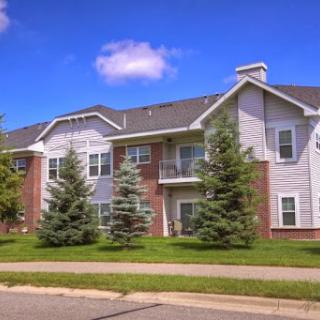
915 Fuller Street, Shakopee, MN 55379
For more information about senior living options: (866) 208-4318
Overall Review of Community Assisted Living I
Pros
 The staff are wonderful and treat residents with respect and love.
- They have great activities for residents, good food, and a clean facility.
- All Saints offers many unique options to keep residents smiling.
- The staff show care and love for their residents; they are true angels.
- The facility is beautiful, clean, and well-maintained.
- The rooms are large and the atmosphere is welcoming.
- It is a great senior community with staff who take the time to listen.
Cons
 There was no communication from the staff regarding the wait list, and emails and voicemails went unanswered.
- The reviewer notes that residents in memory care are treated with little respect and dignity.
- The facility is described as chaotic and dangerous due to understaffing and untrained employees.
- A service provider states they have not been paid for services and have received no response from the facility.
- The reviewer states that the facility denied a veteran father from moving in without explanation.
- The facility has horrible customer service and would not be recommended.
- The billing department is horrendous and invoices are difficult to track.
- Phone calls from administration and nursing are not returned.
Review
Community Assisted Living I in Shakopee is best suited for families seeking a memory-care environment where care is delivered with warmth, respect, and continuity. The staff consistently earns praise for treating residents like family, offering patient, compassionate support that families can trust during difficult transitions. The memory-care wing is described as clean and comfortable, with large rooms and well-maintained common spaces, and a daily rhythm filled with activities, social opportunities, and accessible dining. For residents who respond to steady, person-centered attention and a home-like atmosphere, this community provides meaningful quality of life and real reassurance to families.
Those evaluating alternatives should note that transparent, proactive communication and predictable administrative processes are non-negotiables for many households. Several reviews flag gaps in updates, unanswered inquiries, and billing questions that never seem to reach a clear resolution. Admission decisions are occasionally described as opaque, with explanations hard to obtain, which can create anxiety during a sensitive transition. Additional caution centers on concerns about staff training and staffing levels, particularly in memory-care settings. If prompt communication, clear admission criteria, and reliable administrative service are essential, it pays to compare other options.
On the positive side, the strongest advantages revolve around care quality and a respectful, lively environment. Residents are described as clean, comfortable, and supported by caregivers who demonstrate genuine kindness and patience. The staff’s dedication comes through in countless testimonials that call caregivers angels or heroes, especially in the memory-care context. The facility’s programming, enriching activities, a robust fitness offering, and engaging events, supports meaningful daily life. Cleanliness, a pleasant atmosphere, and the perceived safety of well-staffed routines frequently underpin families’ confidence in choosing this community.
Yet the cons cannot be ignored. A subset of reviews portrays memory-care as chaotic or understaffed, with needs met slowly and routines disrupted by high workloads. Inconsistencies in training and supervision raise red flags about safety and the uniform quality of care. Administrative friction, unreturned calls, billing confusion, and slow payor communications, can erode trust even when caregivers are well-intentioned. A few accounts describe experiences that felt dismissive or less respectful than expected, which is especially troubling given the emphasis on dignity in memory care. These factors collectively suggest a real risk of erosion in satisfaction if not actively managed.
The core question becomes how much weight to place on each category. When the priority is compassionate, steady caregiving, the daily acts of kindness, patient attention, and warm resident interactions can offset intermittent administrative hassles. The strong emphasis on cleanliness, large rooms, and a dynamic activity calendar further solidifies its appeal for residents who thrive with routine and social engagement. However, persistent communication shortcomings, opaque admissions, or billing irritants can quickly magnify into a deal-breaker for families valuing predictability and transparent operations. This balance matters greatly in the final decision.
Practically, the community is a strong fit for families needing reliable, affectionate memory-care in a well-kept setting, provided readiness to engage with administration to navigate friction points. Pros such as devoted staff, comfortable suites, and a vibrant activity framework make this an attractive option for many loved ones. For households where timely updates, clear billing practices, and straightforward admission decisions are non-negotiable, exploring comparable communities is prudent. Before deciding, schedule direct conversations with the administration, insist on meeting the memory-care team, request recent reference checks, and review the facility’s policies on billing and communication to ensure alignment with expectations.
 5 resident community capacity
 Assisted Living
 Cable or satellite TV
 Dining room
 Fully furnished
 Garden
 Housekeeping services
 Move-in coordination
 Outdoor space
 Telephone
 Wi-Fi/high-speed internet available
 Minneapolis-St Paul International (16 miles away)
 24-hour supervision
 Activities of daily living assistance
 Assistance with bathing
 Assistance with dressing
 Assistance with transfers
 Diabetes diet
 Meal preparation and service
 Medication management
 Special dietary restrictions
 Transportation arrangement (medical)
 Transportation to doctors appointments


 8 Key Indicators That Suggest It May Be Time to Transition from Assisted Living to Skilled Nursing Care
 Vibrant Senior Living: A Comprehensive Guide for Active Older Adults
 When to Transition from Assisted Living to Memory Care: Key Indicators, Steps, and Finding the Right Community