Salams Care Residential

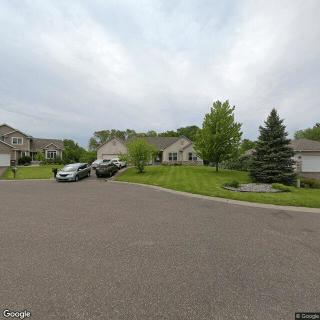
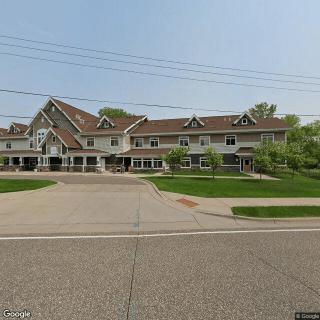
2240 Ide Court, Maplewood, MN 55109

For more information about senior living options: (844) 490-3973

4.5 from 100 reviews
5 stars
82
4 stars
5
3 stars
4
2 stars
0
1 stars
9

Assisted Living Memory Care

Overall Review of Salams Care Residential

Pros

  • pro The mosque is described as a great place of worship.
  • pro The Imam Br. Samir is highly appreciated.
  • pro The khutbahs are on time and easy to follow.
  • pro The community is very diverse.
  • pro Friday prayers are nice and Taraweeh during Ramadan is awesome.
  • pro It is a beautiful mosque with nice Imams.
  • pro The center is well kept with ample parking.
  • pro The environment is peaceful and quiet.
  • pro It is welcoming to people of all races and religions.
  • pro The location is safe and close to home.
  • pro Some reviewers call it the best mosque in the Twin Cities.
  • pro It is described as a paradise on earth by some reviewers.
  • pro Reverts find it to be a good community.

Cons

  • pro They report the masjid is closed most of the time and sometimes shown as open on Google, causing confusion.
  • pro They say the doors are often locked and entry is restricted to key holders.
  • pro They claim there are no daily prayers available, only Friday prayers, with inconsistent hours.
  • pro They describe parking as a constant hassle and accuse staff of being overly aggressive.
  • pro They mention an older woman organizing the women's side who is overly controlling about where people should sit.
  • pro They note the phone line is frequently unanswered and the building is often closed.
  • pro They cite limited or inadequate wudu facilities.
  • pro They complain about not knowing the Friday prayer times due to a lack of a helpful website.

Review

Assalamualaikum. This mosque comes across in many voices as a place deeply cherished by a diverse and devoted community. People praise the imam, Br. Samir, and the leadership for creating a welcoming, family-friendly atmosphere where the khutbahs are easy to follow and delivered with sincerity. Visitors note a sense of peace and humility in the worship space, with praise for a leadership that blends kindness with clear guidance. The center is repeatedly described as a place where people from different backgrounds and nationalities come together, speak in English during sermons, and feel at home praying side by side. For many, it feels like a welcoming entry point to Islam in the Twin Cities, and several attendees describe it as a reliable (and sometimes inspirational) stop for Friday prayers and community gatherings.

Yet alongside the praise runs a persistent thread of logistical concerns. A recurring observation is that the mosques often appears closed or inaccessible, especially outside the main Friday prayer times. Multiple reviews describe doors that are locked or openings that require a key, sometimes with statements like "Doors are closed, unless you buy a key to enter," or "the masjid is closed most of the time." This inconsistency creates real frustration for people who travel some distance, only to find the building shut, sometimes in bad weather or after a long drive. Several readers mention that they've driven significant distances only to encounter a closed facility, which can undermine trust and deter future visits.

The operational picture painted by several accounts points to heavy reliance on volunteers or on a single individual to open the building. Comments range from "there's no one to volunteer to open everyday" to reflections that a particular person sleeps in the masjid, with doors being managed by a rotating or uncertain schedule. The reliance on informal access, rather than a clear posted schedule or online status, leaves potential visitors uncertain about when the masjid will actually be open. Some reviews highlight the need for a more reliable, published schedule and better communication so that people don't make the trip only to find the doors locked.

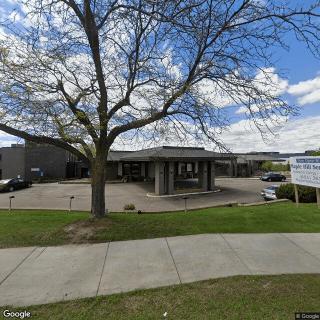
In terms of facilities and daily logistics, parking is noted as a mixed bag. Some reviewers say there is ample parking and a pleasant, quiet atmosphere inside, while others describe parking as a hassle and an obstacle to timely entry, especially when the doors are closed or when the lot is busy during Friday prayers. The physical space itself is described as modest but well-kept, with a small lobby and limited wudu space. This mix of positive remarks about cleanliness and order, alongside practical complaints about space constraints and entry access, creates a nuanced picture of a center that feels welcoming yet sometimes undersupplied in terms of everyday operations.

Programming feedback is varied but includes clear positives. Friday prayers are frequently identified as a highlight, with times around 1:00 pm cited, and some notes about Taraweeh prayers during Ramadan being especially meaningful. Some attendees appreciate the hospitality after Friday prayers, such as lunch distributions, which adds a communal touch to the weekly routine. On the other hand, a few reviews mention that there is no regular daily salah beyond Friday, or at least no broadly advertised daily schedule, which can leave visitors unsure about when they can pray during weekdays. The overall sentiment is that the religious programming is strong and spiritually nourishing, but the logistical framework around access and timing needs attention to fully realize that strength.

The women's space and gender separation emerge as another nuanced topic in these impressions. Reviewers acknowledge that the mosque maintains separate spaces for men and women, which some attendees regard as properly organized. However, there are concerns about how the women's side is managed. A few comments describe the experience of being guided or organized by an older member of the community, who can be assertive about how and where people should sit. There are also practical notes about the lack of a dedicated wudu area in the women's section or the need to use the women's bathroom for ablutions, and questions about whether the facilities adequately support women during busy times or events. Overall, while the space is appreciated for its organization and tradition, the management of the women's area is flagged as an area where adjustments could improve comfort and flow.

Despite these challenges, many speak warmly about the community spirit and the atmosphere. The mosque earns frequent praise for its welcoming, diverse, and low-key environment. Visitors repeatedly describe a sense of harmony and peace, with a clear appreciation for a leadership that communicates in accessible English and fosters an atmosphere where people of different races and backgrounds feel comfortable coming together. Reverts in particular are welcomed, and several reviews highlight the community's openness, encouragement, and supportive tone. The praise is not merely about ceremonial acts; it is about a sense of belonging, friendship, and mutual respect that many attendees associate with their experience at this masjid.

Taken together, these perspectives reveal a place of sincere spiritual aspiration tempered by real-world operational gaps. The masjid is clearly treasured for its spiritual leadership, English-language khutbahs, and welcoming, diverse community life. At the same time, regular guests and first-time visitors alike point to practical issues that can undermine the experience: inconsistent hours and access, dependence on volunteers to open the building, parking inefficiencies, and some organizational tensions around the women's space. The overarching message is one of a beloved, promising center with a strong core, whose impact could be amplified by a clearer, more reliable schedule, improved access control or posted hours, more proactive communications online, and a more coordinated approach to volunteer support and facilities management.

In the end, the masjid stands as a beacon of community and worship for many, offering meaningful sermons, a peaceful worship space, and a sense of authentic belonging. The hopeful takeaway is that with a few targeted improvements - such as a published, regularly updated opening schedule; enhanced volunteer coordination; customer-friendly access policies; and thoughtful adjustments to the women's area - the facility could reliably meet the needs of both long-time attendees and newcomers alike, ensuring that the positive experiences described by so many are consistently available to all who seek them. Jazakallah Khair for the ongoing efforts to keep this center a place of prayer, learning, and community for all.

Features

Housing

  • 21 resident community capacity 21 resident community capacity

Types of Care

  • Assisted Living Assisted LivingAssisted living facilities provide crucial support and care for seniors who may need help with daily tasks such as medication management, bathing, and meal preparation. These communities offer a safe and comfortable environment where seniors can maintain their independence while receiving the assistance they need to thrive in their golden years.
  • Memory Care Memory CareMemory care is crucial for seniors as it provides specialized support and services for individuals with dementia or Alzheimer's disease. These programs offer a safe and secure environment where residents receive personalized care, cognitive stimulation, and help with daily activities. Memory care helps seniors maintain their independence, quality of life, and dignity while also providing peace of mind for their families.

Amenities

  • Beauty salon Beauty salonBeauty salons are important for seniors because they provide a space for them to feel pampered, socialize, and maintain their personal grooming and hygiene. Regular visits to a beauty salon can help boost seniors' self-esteem and overall well-being.
  • Cable or satellite TV Cable or satellite TVCable or satellite TV is important for seniors because it provides entertainment, news, and companionship, helping to combat loneliness and boredom. It also offers a wide range of programming options tailored to different interests and preferences.
  • Dining room Dining roomDining rooms are important for seniors as they provide a space for socialization, connection, and nutritious meals. They offer opportunities for residents to bond over shared meals, foster a sense of community, and promote healthy eating habits. Dining rooms also ensure that seniors have access to well-balanced meals tailored to their dietary needs and preferences.
  • Fully furnished Fully furnishedFully furnished senior living communities are important for seniors because they provide convenience, comfort, and a hassle-free moving experience. Seniors can easily settle into their new living space without the stress of having to buy and move furniture. This allows them to focus on enjoying their new home and community.
  • Garden GardenGardens are important for seniors as they provide a peaceful and therapeutic environment for relaxation, physical activity, and socialization. Being in nature has been shown to reduce stress, improve mood, and promote overall well-being. Gardens also offer opportunities for seniors to engage in gardening activities, which can improve mobility, flexibility, and cognitive function. Additionally, gardens create a sense of community and connection with others who share a passion for plants and outdoor spaces.
  • Housekeeping services Housekeeping servicesHousekeeping services are important for seniors because they help maintain a clean and safe living environment, promote independence, and reduce the risk of accidents or illnesses. Additionally, having assistance with household chores can alleviate physical strain and allow seniors to focus on other aspects of their well-being.
  • Kitchenette KitchenetteKitchenettes are important for seniors living in senior living communities because they provide the convenience and independence of being able to prepare simple meals and snacks in the comfort of their own living space. This can help promote a sense of autonomy and well-being for seniors, allowing them to maintain some level of control over their dietary choices and daily routines.
  • Move-in coordination Move-in coordinationMove-in coordination is important for seniors because it helps ease the transition into their new living environment. It ensures that all logistics, such as packing, organizing movers, and setting up utilities are taken care of, allowing seniors to focus on settling in and adjusting to their new home. Having a smooth move-in process can alleviate stress and anxiety, making the transition smoother and more enjoyable for seniors.
  • Outdoor space Outdoor spaceOutdoor spaces are important for seniors as they provide opportunities for physical activity, social interaction, exposure to natural light and fresh air, and a sense of connection to nature. Having access to outdoor spaces can improve overall well-being and quality of life for older adults living in senior communities.
  • Telephone TelephoneTelephones are important for seniors as they provide a lifeline for communication with loved ones, emergency services, and healthcare providers. They offer a sense of security and independence, enabling seniors to stay connected and access assistance when needed.
  • Wi-Fi/high-speed internet available Wi-Fi/high-speed internet availableWi-Fi/high-speed internet is important for seniors to stay connected with loved ones, access online resources, and participate in virtual activities to combat feelings of loneliness and isolation. It also allows them to easily manage healthcare needs, access entertainment, and engage in lifelong learning opportunities.

Transportation

  • Minneapolis-St Paul International (12 miles away) Minneapolis-St Paul International (12 miles away)

Care Services

  • 24-hour call system 24-hour call system24-hour call systems are important for seniors because they provide peace of mind and immediate assistance in case of emergencies. This technology ensures that help is always available, promoting safety and security for elderly individuals living alone or in assisted living facilities.
  • 24-hour supervision 24-hour supervision24-hour supervision is important for seniors to ensure their safety, well-being, and access to immediate assistance in case of emergencies or health issues. This constant support provides peace of mind for both seniors and their loved ones, allowing them to age in place with dignity and security.
  • Activities of daily living assistance Activities of daily living assistanceActivities of daily living assistance are important for seniors because they provide essential support with tasks such as eating, bathing, dressing, and mobility. This assistance helps seniors maintain their independence, dignity, and overall quality of life as they age.
  • Assistance with bathing Assistance with bathingAssistance with bathing is crucial for seniors as it helps maintain personal hygiene, prevents infections, and ensures their overall well-being and comfort. It also provides a sense of dignity and independence for seniors who may struggle with this task on their own.
  • Assistance with dressing Assistance with dressingAssistance with dressing is important for seniors because it helps maintain their independence, promotes personal hygiene, prevents accidents and injuries, and improves overall quality of life. This service ensures that seniors can continue to dress comfortably and confidently, despite any physical limitations they may have.
  • Assistance with transfers Assistance with transfersAssistance with transfers is crucial for seniors as it helps prevent falls and injuries, maintains their independence, and ensures they can safely navigate their living environment. It also provides peace of mind for both seniors and their loved ones.
  • Coordination with health care providers Coordination with health care providersCoordination with health care providers is crucial for seniors to ensure proper medical care, medication management, and overall well-being. This collaboration helps prevent overlapping treatments, track progress more effectively, and provide comprehensive support tailored to individual needs.
  • Dementia waiver Dementia waiverDementia waivers are essential for seniors as they provide critical protections and accommodations for those experiencing cognitive decline. These waivers ensure individuals with dementia receive appropriate care, support, and resources to maintain their quality of life and dignity as they navigate the challenges of this progressive condition.
  • Diabetes diet Diabetes dietA diabetes diet is crucial for seniors as it helps manage blood sugar levels, reduce risks of complications, and improve overall health and well-being. By following a balanced and nutritious diet tailored to their specific needs, seniors can better control their diabetes and enhance their quality of life.
  • Hospice waiver Hospice waiverHospice waivers are important for seniors because they allow individuals to receive specialized end-of-life care and support at home or in a hospice facility. This waiver ensures that seniors can access the necessary resources and services to maintain comfort and dignity during their final days.
  • Meal preparation and service Meal preparation and serviceMeal preparation and service are crucial for seniors as they may have limited mobility or energy to cook nutritious meals. Having access to healthy and convenient food options can ensure they are getting the proper nutrition needed to maintain their overall health and well-being.
  • Medication management Medication managementMedication management is crucial for seniors to ensure they are taking the right medications at the correct dosages and times. This helps prevent adverse drug interactions, reduces the risk of medication errors, and promotes overall health and well-being. Proactive management also allows for adjustments as needed based on changing health conditions or new prescriptions.
  • Mental wellness program Mental wellness programMental wellness programs are essential for seniors as they promote cognitive stimulation, emotional support, and social engagement. These programs help prevent isolation, depression, and cognitive decline, ultimately enhancing the overall quality of life for older adults.
  • Mild cognitive impairment Mild cognitive impairment"Mild cognitive impairment" is important for seniors because it is an early stage of cognitive decline that can potentially progress to more severe conditions such as dementia. Recognizing and addressing mild cognitive impairment can help seniors receive appropriate care and support to maintain their quality of life and independence for as long as possible.
  • Special dietary restrictions Special dietary restrictionsSpecial dietary restrictions are important for seniors because age-related changes in metabolism and health conditions can make it difficult for their bodies to process certain foods. By following a diet tailored to their specific needs, seniors can maintain their overall health and well-being, manage chronic conditions, and reduce the risk of complications such as malnutrition or food interactions with medications.
  • Specialized memory care programming Specialized memory care programmingSpecialized memory care programming is crucial for seniors with cognitive impairments such as dementia or Alzheimer's disease. These programs provide a safe and supportive environment tailored to the unique needs of individuals with memory loss, helping them maintain their independence, dignity, and quality of life.
  • Transportation arrangement (medical) Transportation arrangement (medical)Transportation arrangements for medical purposes are essential for seniors as they may have difficulty driving themselves to appointments or accessing public transportation. Having reliable and safe transportation options ensures that seniors can receive timely medical care and maintain their health and well-being.
  • Transportation to doctors appointments Transportation to doctors appointmentsTransportation to doctors' appointments is crucial for seniors as it ensures they have access to necessary medical care and support for their health needs. Without reliable transportation, seniors may struggle to attend important appointments, leading to potential delays in treatment and health complications. Providing transportation services helps seniors maintain their overall well-being and quality of life.

Dining

  • Diabetes diet Diabetes dietA diabetes diet is crucial for seniors as it helps manage blood sugar levels, reduce risks of complications, and improve overall health and well-being. By following a balanced and nutritious diet tailored to their specific needs, seniors can better control their diabetes and enhance their quality of life.
  • Special dietary restrictions Special dietary restrictionsSpecial dietary restrictions are important for seniors because age-related changes in metabolism and health conditions can make it difficult for their bodies to process certain foods. By following a diet tailored to their specific needs, seniors can maintain their overall health and well-being, manage chronic conditions, and reduce the risk of complications such as malnutrition or food interactions with medications.

Activities

  • Community-sponsored activities Community-sponsored activitiesCommunity-sponsored activities are important for seniors as they provide opportunities for social interaction, mental stimulation, and physical activity. These activities can help improve overall well-being, combat loneliness and isolation, and promote a sense of belonging and purpose among older adults.
  • Resident-run activities Resident-run activitiesResident-run activities are important for seniors as they encourage social interaction, creativity, and a sense of autonomy. These activities empower seniors to stay engaged and active in their community while fostering meaningful connections with their peers.
  • Scheduled daily activities Scheduled daily activitiesScheduled daily activities are important for seniors because they provide structure, socialization, mental stimulation, and physical activity. Engaging in regular activities can improve overall well-being and quality of life for seniors living in a community setting.

Description

Salams Care Residential in Maplewood, MN is an assisted living community that specializes in providing exceptional memory care services. Our residents receive round-the-clock supervision and assistance with activities of daily living such as bathing, dressing, and transfers. We also offer coordination with health care providers to ensure the best possible care for our residents.

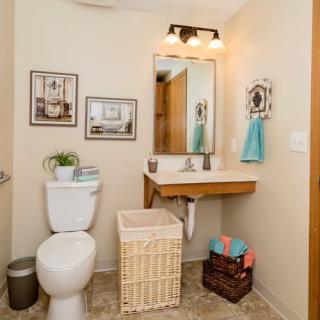
Our community is fully furnished and equipped with amenities to ensure a comfortable and enjoyable stay. Each resident has access to cable or satellite TV, Wi-Fi/high-speed internet, and telephone services. Additionally, we provide housekeeping services to ensure a clean and tidy living environment.

At Salams Care Residential, we understand the importance of maintaining a healthy diet. We offer specialized meal preparation and service, including options for diabetes diets and special dietary restrictions. Our dining room provides a pleasant atmosphere where residents can enjoy their meals.

We believe in promoting mental wellness among our residents. Our community offers a mental wellness program that focuses on supporting individuals with mild cognitive impairment or dementia-related conditions. Our specialized memory care programming ensures that each resident receives personalized attention and care.

To enhance our residents' quality of life, we organize resident-run activities and scheduled daily activities to keep them engaged and entertained. Whether it's enjoying outdoor spaces or participating in group activities, there are plenty of opportunities for socialization and recreation.

Salams Care Residential is conveniently located near various amenities in the Maplewood area. There are numerous cafes, parks, pharmacies, restaurants, places of worship, theaters nearby, ensuring easy accessibility for our residents. In addition, we provide transportation arrangements for medical purposes as well as to doctors' appointments.

At Salams Care Residential in Maplewood, MN, we prioritize the well-being and comfort of our residents by providing exceptional memory care services in a warm and welcoming environment.

Nearby Places of Interest

Physicians

  • HealthPartners Clinic (0.1 miles)
  • Healthpartners Clinics (0.8 miles)
  • Retina Center (0.8 miles)
  • Page Graydon T MD (1.4 miles)
  • Jacobs Carol RN (1.5 miles)
  • Northern Lights Pediatric & Adolescent Medicine (2.9 miles)
  • Victhom Human Bionics (4.7 miles)

Parks

  • Harvest Park (0.5 miles)
  • Flicek Park (0.9 miles)
  • Hazelwood Park (1.1 miles)
  • Casey Lake Park (1.7 miles)
  • Legacy Pines Park (1.8 miles)
  • Rotary Park (2.1 miles)
  • Playcrest Park (2.4 miles)

Restaurants

  • McDonald's (0.8 miles)
  • White Castle (1.5 miles)
  • Chili's Grill & Bar (1.6 miles)
  • McDonald's (1.6 miles)
  • Osaka Sushi and Hibachi (2.1 miles)
  • Golden Corral (2.1 miles)
  • The Dog House Bar and Grill (2.1 miles)

Pharmacies

  • CVS Pharmacy (0.8 miles)
  • Walgreens (1.8 miles)
  • CVS Pharmacy (3.2 miles)
  • Walgreens (3.3 miles)
  • CVS Pharmacy (3.9 miles)
  • Walgreens (4 miles)
  • Walgreens (4.2 miles)

Hospitals

  • St John's Hospital-Maplewood (1.4 miles)
  • Regions Hospital Burn Center (4.5 miles)
  • St Joseph's Hospital-St Paul (5 miles)
  • United Hospital Joint Relacement Center (5.7 miles)
  • Woodwinds Health Campus-Woodbury (6.8 miles)

Places of Worship

  • St Jerome Elementary School (2.2 miles)
  • Transfiguration Catholic Church (3.9 miles)
  • St Mary of the Lake Church (5.4 miles)
  • Cathedral of St Paul (5.4 miles)
  • Shepherd of the Hills Lutheran Church (5.6 miles)

Theaters

  • Oakdale Cinema Oakdale, Mn (3.7 miles)
  • AMC Rosedale 14 (6.2 miles)

Transportation

  • Union Depot (4.8 miles)

Cafes

  • Starbucks (4.9 miles)
  • Starbucks (6.2 miles)
  • Groundswell (6.6 miles)

Frequently Asked Questions

Where is Salams Care Residential?
Does Salams Care Residential provide care for residents with dementia or Alzheimer's disease?

Nearby Communities

Related Resources

  • reminiscence therapyAn In-Depth Look at Reminiscence Therapy in Dementia Care

    Reminiscence therapy is a structured method for older adults, especially those with dementia, to share life stories using prompts and sensory cues, fostering emotional well-being, social engagement, and self-identity. It aims to improve quality of life by enhancing interpersonal connections and cognitive stimulation while requiring careful facilitation to avoid distressing memories.

  • dementia hallucinationsDementia-Related Hallucinations: Causes, Experiences, and Practical Approaches

    Dementia, particularly Lewy body dementia, often involves hallucinations that can significantly distress both patients and caregivers due to disruptions in sensory processing and neurotransmitter imbalances. Effective management includes compassionate communication, environmental adjustments, and a multidisciplinary approach to care while addressing the emotional needs of caregivers.

  • alzheimer's factsIlluminating Insights About Alzheimer's Disease: Ten Crucial Realities

    Alzheimer’s disease is a progressive neurological disorder that significantly impacts memory and cognitive functions, accounting for 60-80% of dementia cases, with early diagnosis being crucial yet challenging. It involves brain changes like beta-amyloid plaques and tau tangles, influenced by genetic and lifestyle factors, and while there is no cure, symptom management and support for caregivers are essential.