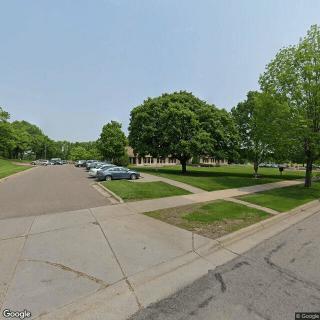
Help Home Care in Maplewood, MN

Information last verified:

2245 Ide Court, Maplewood, MN 55109

For more information about senior living options: (844) 490-3973

4.6 from 18 reviews
5 stars
16
4 stars
0
3 stars
0
2 stars
0
1 stars
2

Seniors.FYI Elite Community Awards

Top 5% Senior Living Community in 2025

Add this award to your website

Overall Review of Help Home Care

Pros

  • pro They are very nice.
  • pro They are very helpful.
  • pro They are very professional.
  • pro They answer questions about things customers don’t know.
  • pro The service is very nice.
  • pro Kia did a wonderful job as a homemaker/PCA.
  • pro Customers would recommend this company to others.
  • pro They like their job.

Cons

  • pro The service was rude and offered no explanation to clients.
  • pro The company demonstrated discrimination and refused to provide information or proof in writing.
  • pro They put their workers into debt and did not pay them.

Review

Help Home Care in Maplewood, MN is best suited for families seeking dependable, home-based help for an older adult who values warmth, personal attention, and practical daily support. This provider shines when a senior needs steady assistance with everyday tasks, light housekeeping, and reliable companionship delivered in a professional, friendly manner. The strongest signal is for clients who want a hands-on, relationship-driven care dynamic and who are comfortable with a team-based approach to homemaker and PCA services. With a high overall rating, the community earns credibility for delivering consistent, pleasant interactions and a can-do attitude that can meaningfully ease the daily routine of aging in place.

Those considering alternatives should keep in mind that portions of the client feedback point toward important caveats. A few reviews describe rude service, a lack of willingness to engage in reasonable dialogue, and allegations of discrimination. Such experiences, if borne out in repeated patterns, can undermine trust and complicate care planning, especially for households that rely on clear, written communication and strict adherence to respectful treatment. Additionally, concerns about how workers are treated in terms of compensation or financial pressures surface as a potential governance risk. For families that require ironclad transparency, documented policies, and robust, written proof of assurances, these gaps suggest a need to probe deeper or compare with providers known for stricter governance and accountability.

On the upside, the documented strengths center on genuine kindness and professional competence. Reviews consistently highlight friendly, helpful staff who respond to questions and handle tasks with confidence. The standout testimony about a specific caregiver, Kia, illustrates the potential for highly positive, stable caregiving relationships when a client connects well with a particular PCA. The overall sentiment points to a practical, hands-on experience: caregivers arrive ready to assist, communicate clearly about daily needs, and keep the care plan moving forward in a reassuring, predictable way. When senior clients prize reassurance, familiarity, and a responsive caregiver team, these pros align closely with practical caregiving needs.

The main drawbacks are significant enough to influence decisions for households with particular sensitivities. Rudeness in service and discriminatory behavior, if accurate, threaten the core trust required for in-home care. The absence of written documentation or readily provided information also raises legitimate concerns about continuity and accountability, especially in situations requiring formal attestations, scheduling clarity, or policy transparency. The claim that workers could be put into debt or not paid timely adds a dimension of ethical risk that cannot be ignored. These issues do not invalidate the entire operation, but they do demand proactive verification and concrete guarantees before committing to a long-term arrangement.

Ultimately, the pros and cons create a clear decision framework. For families prioritizing a warm, dependable, and practically focused home-care model, Help Home Care offers a compelling value: a high likelihood of pleasant interactions, genuine caregiver dedication, and the kind of on-the-ground support that makes daily life more manageable. The standout caregiver example reinforces the potential for high-quality, personalized care when the match feels right and continuity can be maintained. However, the notable caveats, especially around client trust, written communications, and governance, mean that risk-conscious families should pursue rigorous vetting, ask for written policies, and request detailed references before committing. The rating of 4.6 from 18 reviews reflects overall satisfaction, but the two low-star experiences serve as a practical reminder to verify process, accountability, and culture before choosing this provider.

Actionable next steps place practical guardrails around the decision. Initiate a structured intake that requires a formal service agreement, a clearly stated code of conduct, and a policy for sharing information in writing. Request to meet the specific caregivers likely to be assigned, and ask how concerns are escalated and resolved. Gather references from current and former clients, verify licensing or relevant certifications, and confirm continuity of care options and contingency coverage. Consider a short, supervised trial with a single caregiver to test responsiveness, communication, and the fit with the senior’s routines. For families drawn to the compassionate, home-centered approach described in the positives, Help Home Care can be a strong ally; for those needing unequivocal transparency and governance, it is prudent to compare alternatives that demonstrate stronger measurable controls and documented accountability.

Features

Housing

  • 21 resident community capacity 21 resident community capacity

Types of Care

  • Assisted Living Assisted LivingAssisted living facilities provide crucial support and care for seniors who may need help with daily tasks such as medication management, bathing, and meal preparation. These communities offer a safe and comfortable environment where seniors can maintain their independence while receiving the assistance they need to thrive in their golden years.
  • Memory Care Memory CareMemory care is crucial for seniors as it provides specialized support and services for individuals with dementia or Alzheimer's disease. These programs offer a safe and secure environment where residents receive personalized care, cognitive stimulation, and help with daily activities. Memory care helps seniors maintain their independence, quality of life, and dignity while also providing peace of mind for their families.

Amenities

  • Beauty salon Beauty salonBeauty salons are important for seniors because they provide a space for them to feel pampered, socialize, and maintain their personal grooming and hygiene. Regular visits to a beauty salon can help boost seniors' self-esteem and overall well-being.
  • Cable or satellite TV Cable or satellite TVCable or satellite TV is important for seniors because it provides entertainment, news, and companionship, helping to combat loneliness and boredom. It also offers a wide range of programming options tailored to different interests and preferences.
  • Dining room Dining roomDining rooms are important for seniors as they provide a space for socialization, connection, and nutritious meals. They offer opportunities for residents to bond over shared meals, foster a sense of community, and promote healthy eating habits. Dining rooms also ensure that seniors have access to well-balanced meals tailored to their dietary needs and preferences.
  • Fully furnished Fully furnishedFully furnished senior living communities are important for seniors because they provide convenience, comfort, and a hassle-free moving experience. Seniors can easily settle into their new living space without the stress of having to buy and move furniture. This allows them to focus on enjoying their new home and community.
  • Garden GardenGardens are important for seniors as they provide a peaceful and therapeutic environment for relaxation, physical activity, and socialization. Being in nature has been shown to reduce stress, improve mood, and promote overall well-being. Gardens also offer opportunities for seniors to engage in gardening activities, which can improve mobility, flexibility, and cognitive function. Additionally, gardens create a sense of community and connection with others who share a passion for plants and outdoor spaces.
  • Housekeeping services Housekeeping servicesHousekeeping services are important for seniors because they help maintain a clean and safe living environment, promote independence, and reduce the risk of accidents or illnesses. Additionally, having assistance with household chores can alleviate physical strain and allow seniors to focus on other aspects of their well-being.
  • Kitchenette KitchenetteKitchenettes are important for seniors living in senior living communities because they provide the convenience and independence of being able to prepare simple meals and snacks in the comfort of their own living space. This can help promote a sense of autonomy and well-being for seniors, allowing them to maintain some level of control over their dietary choices and daily routines.
  • Move-in coordination Move-in coordinationMove-in coordination is important for seniors because it helps ease the transition into their new living environment. It ensures that all logistics, such as packing, organizing movers, and setting up utilities are taken care of, allowing seniors to focus on settling in and adjusting to their new home. Having a smooth move-in process can alleviate stress and anxiety, making the transition smoother and more enjoyable for seniors.
  • Outdoor space Outdoor spaceOutdoor spaces are important for seniors as they provide opportunities for physical activity, social interaction, exposure to natural light and fresh air, and a sense of connection to nature. Having access to outdoor spaces can improve overall well-being and quality of life for older adults living in senior communities.
  • Restaurant-style dining Restaurant-style diningRestaurant-style dining is important for seniors because it allows them to enjoy delicious, nutritious meals in a social and upscale setting. This enhances their dining experience, promotes healthy eating habits, and fosters socialization with fellow residents, ultimately contributing to their overall well-being and quality of life.
  • Small library Small librarySmall libraries are important for seniors as they provide access to a variety of reading materials, including books, newspapers, and magazines. This can help stimulate their minds, keep them engaged, and provide a sense of community through book clubs and other social activities. Additionally, reading has been shown to improve cognitive function and overall mental well-being in older adults.
  • Telephone TelephoneTelephones are important for seniors as they provide a lifeline for communication with loved ones, emergency services, and healthcare providers. They offer a sense of security and independence, enabling seniors to stay connected and access assistance when needed.
  • Wi-Fi/high-speed internet available Wi-Fi/high-speed internet availableWi-Fi/high-speed internet is important for seniors to stay connected with loved ones, access online resources, and participate in virtual activities to combat feelings of loneliness and isolation. It also allows them to easily manage healthcare needs, access entertainment, and engage in lifelong learning opportunities.

Transportation

  • Minneapolis-St Paul International (12 miles away) Minneapolis-St Paul International (12 miles away)

Care Services

  • 24-hour call system 24-hour call system24-hour call systems are important for seniors because they provide peace of mind and immediate assistance in case of emergencies. This technology ensures that help is always available, promoting safety and security for elderly individuals living alone or in assisted living facilities.
  • 24-hour supervision 24-hour supervision24-hour supervision is important for seniors to ensure their safety, well-being, and access to immediate assistance in case of emergencies or health issues. This constant support provides peace of mind for both seniors and their loved ones, allowing them to age in place with dignity and security.
  • Activities of daily living assistance Activities of daily living assistanceActivities of daily living assistance are important for seniors because they provide essential support with tasks such as eating, bathing, dressing, and mobility. This assistance helps seniors maintain their independence, dignity, and overall quality of life as they age.
  • Assistance with bathing Assistance with bathingAssistance with bathing is crucial for seniors as it helps maintain personal hygiene, prevents infections, and ensures their overall well-being and comfort. It also provides a sense of dignity and independence for seniors who may struggle with this task on their own.
  • Assistance with dressing Assistance with dressingAssistance with dressing is important for seniors because it helps maintain their independence, promotes personal hygiene, prevents accidents and injuries, and improves overall quality of life. This service ensures that seniors can continue to dress comfortably and confidently, despite any physical limitations they may have.
  • Assistance with transfers Assistance with transfersAssistance with transfers is crucial for seniors as it helps prevent falls and injuries, maintains their independence, and ensures they can safely navigate their living environment. It also provides peace of mind for both seniors and their loved ones.
  • Diabetes diet Diabetes dietA diabetes diet is crucial for seniors as it helps manage blood sugar levels, reduce risks of complications, and improve overall health and well-being. By following a balanced and nutritious diet tailored to their specific needs, seniors can better control their diabetes and enhance their quality of life.
  • Meal preparation and service Meal preparation and serviceMeal preparation and service are crucial for seniors as they may have limited mobility or energy to cook nutritious meals. Having access to healthy and convenient food options can ensure they are getting the proper nutrition needed to maintain their overall health and well-being.
  • Medication management Medication managementMedication management is crucial for seniors to ensure they are taking the right medications at the correct dosages and times. This helps prevent adverse drug interactions, reduces the risk of medication errors, and promotes overall health and well-being. Proactive management also allows for adjustments as needed based on changing health conditions or new prescriptions.
  • Mental wellness program Mental wellness programMental wellness programs are essential for seniors as they promote cognitive stimulation, emotional support, and social engagement. These programs help prevent isolation, depression, and cognitive decline, ultimately enhancing the overall quality of life for older adults.
  • Mild cognitive impairment Mild cognitive impairment"Mild cognitive impairment" is important for seniors because it is an early stage of cognitive decline that can potentially progress to more severe conditions such as dementia. Recognizing and addressing mild cognitive impairment can help seniors receive appropriate care and support to maintain their quality of life and independence for as long as possible.
  • Special dietary restrictions Special dietary restrictionsSpecial dietary restrictions are important for seniors because age-related changes in metabolism and health conditions can make it difficult for their bodies to process certain foods. By following a diet tailored to their specific needs, seniors can maintain their overall health and well-being, manage chronic conditions, and reduce the risk of complications such as malnutrition or food interactions with medications.

  • Specialized memory care programming Specialized memory care programmingSpecialized memory care programming is crucial for seniors with cognitive impairments such as dementia or Alzheimer's disease. These programs provide a safe and supportive environment tailored to the unique needs of individuals with memory loss, helping them maintain their independence, dignity, and quality of life.

Dining

  • Diabetes diet Diabetes dietA diabetes diet is crucial for seniors as it helps manage blood sugar levels, reduce risks of complications, and improve overall health and well-being. By following a balanced and nutritious diet tailored to their specific needs, seniors can better control their diabetes and enhance their quality of life.
  • Special dietary restrictions Special dietary restrictionsSpecial dietary restrictions are important for seniors because age-related changes in metabolism and health conditions can make it difficult for their bodies to process certain foods. By following a diet tailored to their specific needs, seniors can maintain their overall health and well-being, manage chronic conditions, and reduce the risk of complications such as malnutrition or food interactions with medications.

Activities

  • Community-sponsored activities Community-sponsored activitiesCommunity-sponsored activities are important for seniors as they provide opportunities for social interaction, mental stimulation, and physical activity. These activities can help improve overall well-being, combat loneliness and isolation, and promote a sense of belonging and purpose among older adults.
  • Resident-run activities Resident-run activitiesResident-run activities are important for seniors as they encourage social interaction, creativity, and a sense of autonomy. These activities empower seniors to stay engaged and active in their community while fostering meaningful connections with their peers.
  • Scheduled daily activities Scheduled daily activitiesScheduled daily activities are important for seniors because they provide structure, socialization, mental stimulation, and physical activity. Engaging in regular activities can improve overall well-being and quality of life for seniors living in a community setting.

Description

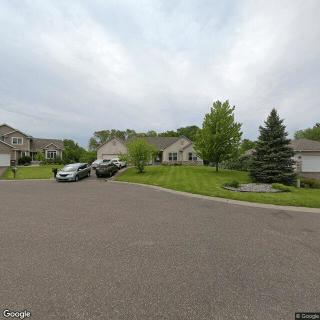
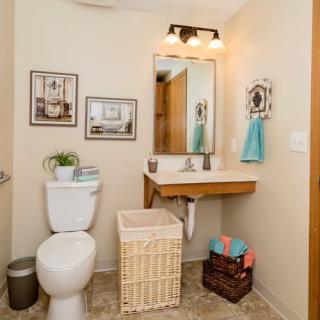
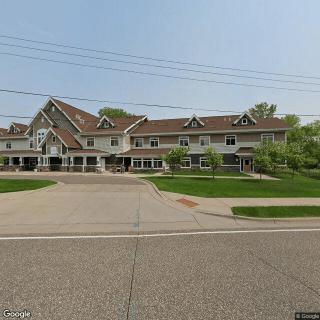
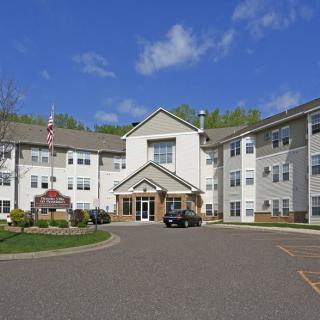
The assisted living community in Maplewood, MN provides specialized memory care for individuals with memory impairments. The community offers a range of amenities to ensure residents' comfort and convenience, including cable or satellite TV, a dining room, fully furnished accommodations, a garden, housekeeping services, a kitchenette, move-in coordination assistance, outdoor space, restaurant-style dining, a small library, telephone access, and Wi-Fi/high-speed internet.

Care services provided at the community include 24-hour supervision to ensure residents' safety and well-being. Trained staff members are available to provide assistance with activities of daily living such as bathing and dressing. Additionally, support is provided for transfers and specialized care is available for those with diabetes or special dietary restrictions. Medication management is also offered to help residents stay on track with their medications. Furthermore, the community offers a mental wellness program and specialized memory care programming to promote cognitive health.

The dining experience at the community caters to residents' special dietary restrictions. Residents can enjoy delicious meals prepared by the staff in a restaurant-style setting.

A variety of activities are offered to keep residents engaged and entertained. Resident-run activities give individuals an opportunity to participate in planning events that interest them. Scheduled daily activities are also organized to provide structured socialization and engagement opportunities.

The location of the community provides convenient access to various amenities in the surrounding area. There are numerous cafes, parks, pharmacies, physicians' offices, restaurants, places of worship nearby. Transportation options are available for easy access to these nearby attractions. Additionally, there are hospitals and theaters within close proximity for residents' healthcare needs and entertainment.

Overall, this assisted living community in Maplewood offers specialized memory care along with a comprehensive range of amenities and services designed to enhance residents' comfort and quality of life.

Nearby Places of Interest

Physicians

  • HealthPartners Clinic (0.2 miles)
  • Retina Center (0.8 miles)
  • Healthpartners Clinics (0.8 miles)
  • Page Graydon T MD (1.4 miles)
  • Jacobs Carol RN (1.5 miles)
  • Northern Lights Pediatric & Adolescent Medicine (2.9 miles)
  • Victhom Human Bionics (4.7 miles)

Parks

  • Harvest Park (0.5 miles)
  • Flicek Park (0.9 miles)
  • Hazelwood Park (1.1 miles)
  • Casey Lake Park (1.7 miles)
  • Legacy Pines Park (1.8 miles)
  • Rotary Park (2.1 miles)
  • Playcrest Park (2.5 miles)

Restaurants

  • McDonald's (0.9 miles)
  • Chili's Grill & Bar (1.6 miles)
  • White Castle (1.6 miles)
  • McDonald's (1.6 miles)
  • Osaka Sushi and Hibachi (2.1 miles)
  • Golden Corral (2.1 miles)
  • The Dog House Bar and Grill (2.1 miles)

Pharmacies

  • CVS Pharmacy (0.9 miles)
  • Walgreens (1.8 miles)
  • CVS Pharmacy (3.2 miles)
  • Walgreens (3.2 miles)
  • CVS Pharmacy (3.9 miles)
  • Walgreens (4 miles)
  • Walgreens (4.3 miles)

Hospitals

  • St John's Hospital-Maplewood (1.4 miles)
  • Regions Hospital Burn Center (4.5 miles)
  • St Joseph's Hospital-St Paul (5 miles)
  • United Hospital Joint Relacement Center (5.7 miles)
  • Woodwinds Health Campus-Woodbury (6.8 miles)

Places of Worship

  • St Jerome Elementary School (2.2 miles)
  • Transfiguration Catholic Church (4 miles)
  • St Mary of the Lake Church (5.4 miles)
  • Cathedral of St Paul (5.4 miles)
  • Shepherd of the Hills Lutheran Church (5.6 miles)

Theaters

  • Oakdale Cinema Oakdale, Mn (3.7 miles)
  • AMC Rosedale 14 (6.2 miles)

Transportation

  • Union Depot (4.8 miles)
  • Minnesota State Fair Transit Hub (6.8 miles)

Cafes

  • Starbucks (4.9 miles)
  • Starbucks (6.1 miles)
  • Groundswell (6.6 miles)

Frequently Asked Questions

Where is Help Home Care?
Does Help Home Care provide care for residents with dementia or Alzheimer's disease?

Nearby Communities

  • Salams Care Residential

    Salams Care Residential

    Maplewood, MN

    4.5 from 104 reviews
     

  • Metro Health Care Services

    Metro Health Care Services

    Maplewood, MN


    pro Small, intimate 4-resident community with 24-hour supervision, ADL support, and on-site meals in fully furnished apartments.

  • Metro Nursing Services

    Metro Nursing Services

    Maplewood, MN

     
    $5,000 to $7,500 / month

    pro 24-hour supervision with diabetes care and mental wellness programs in a comfortable setting.

  • Encore at Maplewood

    Encore at Maplewood

    Maplewood, MN

    4 from 51 reviews
    $3,721 to $4,057 / month

    pro Private apartments with attentive staff, good dining, and engaging activities.

  • Bickford Of Maplewood

    Bickford Of Maplewood

    Maplewood, MN


    pro 24/7 supervision with medication management.

  • Suite Living Maplewood

    Suite Living Maplewood

    Maplewood, MN

    4 from 3 reviews
    $1,750 to $2,260 / month

    pro Friendly, welcoming staff; clean, well-maintained facility with ample amenities and a secure entrance.

  • Maple Hill Senior Living

    Maple Hill Senior Living

    Maplewood, MN

    3.3 from 106 reviews
    $2,400 to $3,650 / month

    pro Clean, welcoming staff; pleasant dining and activities.

  • Rosoto Villa - RPS Legacy

    Rosoto Villa - RPS Legacy

    Maplewood, MN

    4.7 from 7 reviews
    $1,075 to $1,295 / month

    pro Welcoming atmosphere with an active community and private in-unit washers/dryers.

  • Phalen Shores Apartments

    Phalen Shores Apartments

    Saint Paul, MN

    2.5 from 27 reviews
    $825 to $900 / month

    pro Clean, well-maintained units with friendly staff and heat included.

Related Resources

  • caregiver support group22 Remarkable Caregiver Support Groups Available Online and In-Person

    Caregiver support groups are crucial for providing emotional and practical assistance to those caring for loved ones, offering resources, coping strategies, and a sense of community through various organizations and platforms. These groups help alleviate isolation and burnout while addressing the unique challenges faced by caregivers of individuals with specific conditions.

  • does medicaid pay for assisted livingUnderstanding Medicaid Coverage for Assisted Living: A Comprehensive Guide

    The guide outlines the complexities of Medicaid coverage for assisted living, highlighting significant state-to-state variations, limited coverage often restricted to personal care services, and the existence of specialized waivers for certain needs like memory care. It advises families to consult local Medicaid offices for options while emphasizing the importance of understanding state-specific regulations and facility policies.

  • does medicaid pay for assisted livingHow and When Medicaid May Cover Assisted Living Costs

    Medicaid coverage for assisted living varies by state and is primarily available to low-income individuals, with eligibility dependent on strict income and asset limits. Some states offer HCBS waivers for specific services in assisted living, but families must generally cover room and board costs, and should verify facility acceptance of Medicaid while considering potential waiting lists.