Our Lady Of Peace Home Care

Save

  • Interior

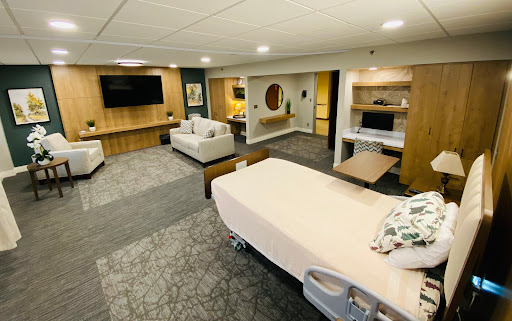
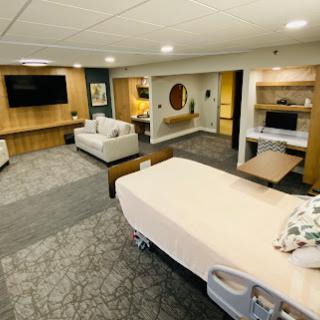
    A spacious and modern hospital patient room designed for comfort and functionality.
  • Decor

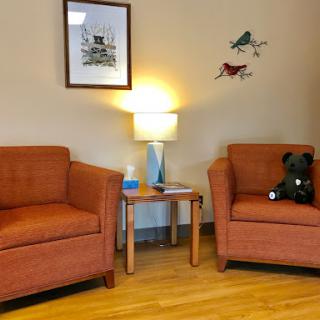
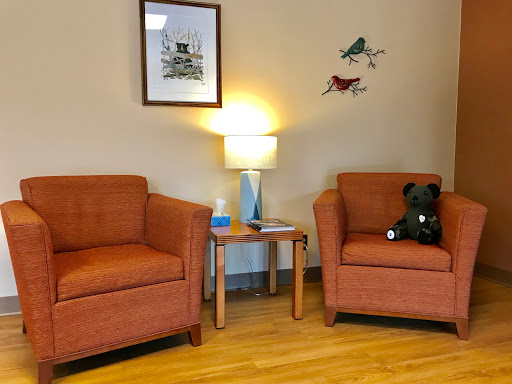
    A cozy living room corner featuring orange chairs, a side table with a lamp, and playful wall art.
  • Building

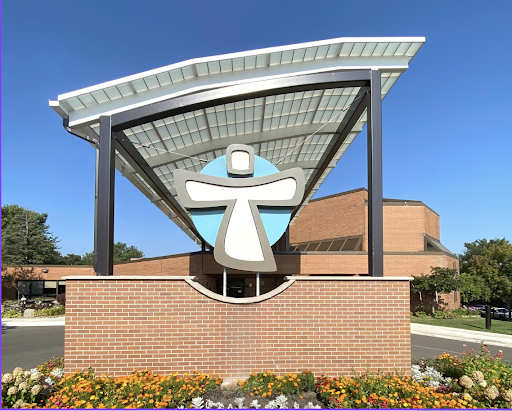
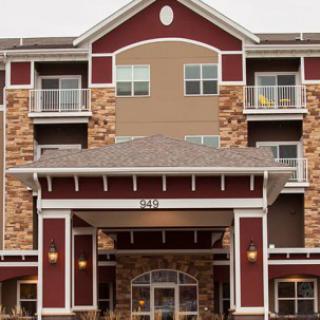
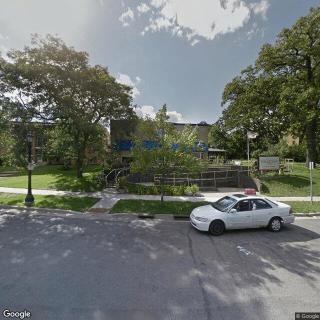
    An architectural view of a community center featuring an eye-catching sign.
  • Architecture

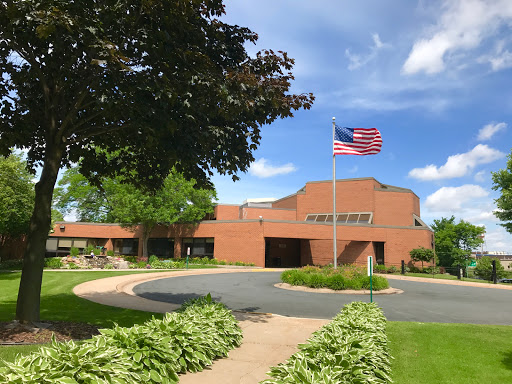
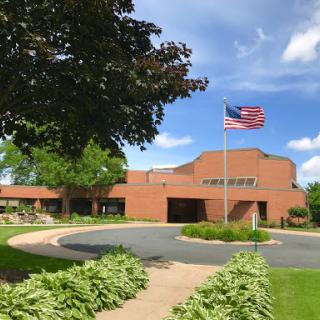
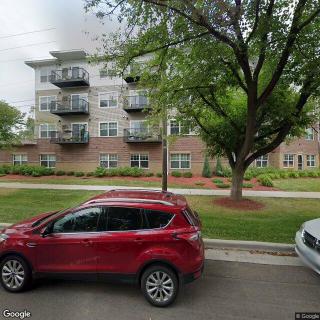
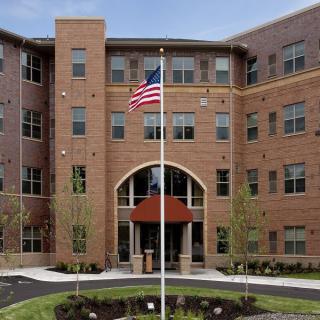
    A brick building with an American flag flying, surrounded by lush greenery and a clear blue sky.
  • Trees

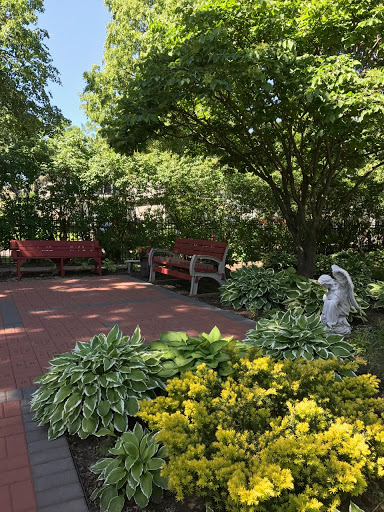
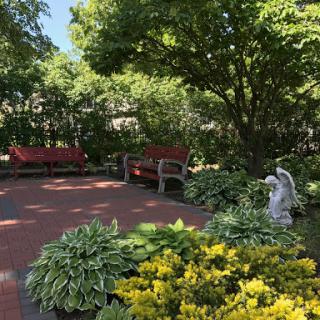
    A serene garden space featuring lush greenery, colorful flowers, and inviting seating perfect for relaxation.
  • Landscaping

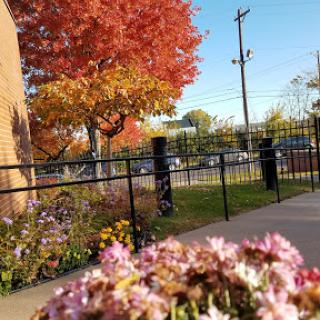
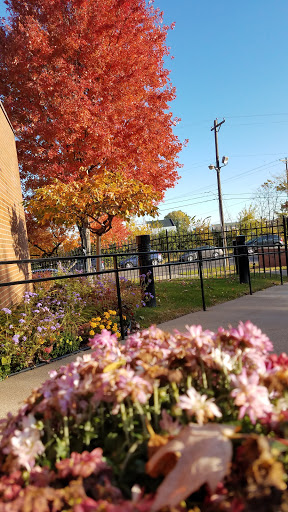
    A beautiful autumn scene featuring vibrant fall foliage and blooming flowers.
  • Seating Area

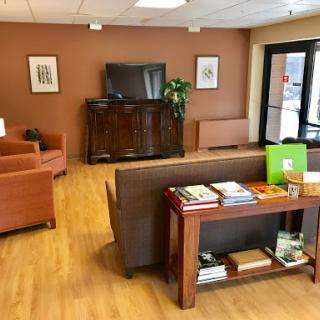
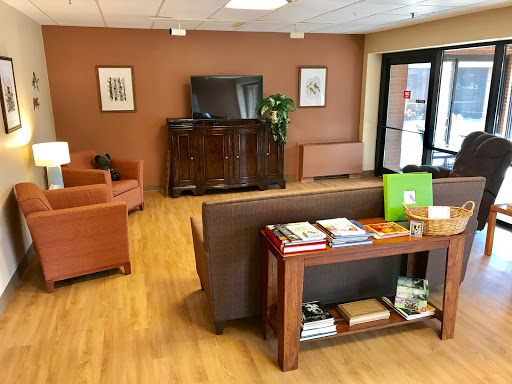
    A cozy waiting room featuring comfortable seating, a television, and a selection of magazines.
  • Brick Wall

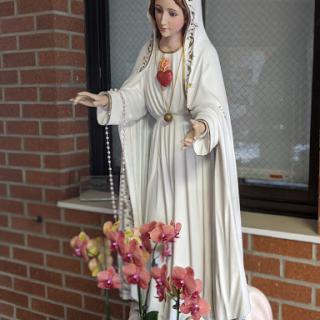
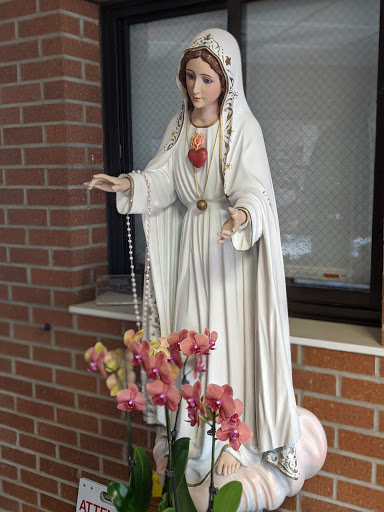
    A serene statue of Mary adorned with a rosary, surrounded by vibrant flowers against a brick backdrop.
  • Living Space

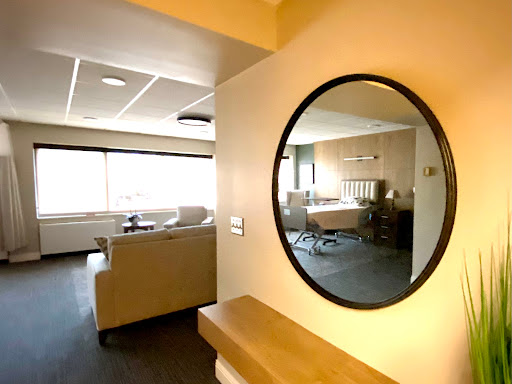
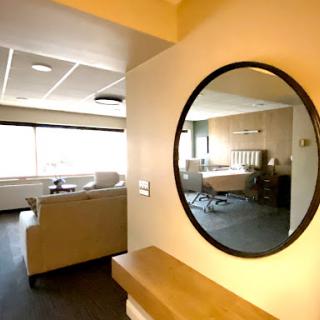
    A modern living space featuring a stylish mirror and comfortable seating area.

Our Lady Of Peace Home Care

2076 Street Anthony Avenue, St Paul, MN 55104

For more information about senior living options: (844) 490-3973

4.8 from 70 reviews
5 stars
65
4 stars
2
3 stars
0
2 stars
0
1 stars
3

Assisted Living

Our Lady Of Peace Home Care Costs & Pricing

Our Lady Of Peace Home Care offers competitive pricing for its services, particularly when compared to the broader market in Ramsey County and Minnesota. For a semi-private room, the cost at Our Lady Of Peace is $3,500 per month, which is notably lower than the county average of $3,915 and the state average of $4,051. When it comes to private rooms, Our Lady Of Peace also presents an attractive option at $6,000 per month; although this figure exceeds both the county rate of $5,162 and the state average of $5,090, it reflects a commitment to quality care that many families are willing to prioritize. Overall, Our Lady Of Peace provides a thoughtful balance between affordability and high standards of service in a comprehensive home care environment.

Floor plansOur Lady Of Peace Home CareRamsey CountyMinnesota
Semi-Private$3,500$3,915$4,051
Private$6,000$5,162$5,090

Overall Review of Our Lady Of Peace Home Care

Pros

  • pro The staff were kind, respectful, and caring, providing excellent care that helped Eric pass peacefully and comfortably at home.
  • pro The entire team at Our Lady of Peace was praised, with Sandy singled out for special care.
  • pro The facility offered a comforting and dignified resting place for loved ones, allowing families to say goodbye with peace.
  • pro The care team was compassionate and attentive, including thoughtful touches like attention, music, and butterflies for Peg's sendoff.
  • pro The staff were empathetic to both patients and visitors, making everyone feel cared for.
  • pro The place was lovely, with accommodating and respectful staff and beautiful gardens.
  • pro In-home hospice and residential hospice services were described as a blessing, with private care suites and 24-hour care teams ensuring comfort.
  • pro The spiritual staff prayed for and blessed patients, providing comfort beyond medical care.

Cons

  • pro One reviewer stated that the staff appeared to rely more on surface observations and legal constraints than on a deeper understanding of the patient's mental health history.
  • pro The reviewer described the transition to hospice as premature, conducted without adequate consideration of the patient's mental health.
  • pro The final weeks were described as being filled with avoidable missteps that could have been prevented.
  • pro The reviewer alleged the patient was sedated further, effectively silencing her in her final days.
  • pro The husband felt excluded from providing crucial context, implying a lack of transparency and inclusion in decision-making.
  • pro The reviewer warned that compassion without understanding can lead to devastating consequences.
  • pro The reviewer gave the facility a 1/5-star rating.

Review

Our Lady of Peace Hospice stands out in the memories of many families as a place where compassion, dignity, and attentive care shaped some of the most difficult moments of life. Across multiple reflections, loved ones describe a team that greeted them with kindness, respect, and a genuine wish to ease pain and worry. One family expressed deep gratitude for how their Uncle Eric was cared for - so that he could pass comfortably and peacefully at homey, well?kept surroundings - with special thanks going to Sandy for her remarkable care. The recurring sentiment is that the staff consistently went the extra mile to ensure comfort, dignity, and serenity for both patients and their families.

For some, the experience began with the quiet strength of the care environment. Families highlighted the feeling of being in a space that was both comforting and dignified, even in the last hours of life. A number of reviews note that the residential hospice offered a private care suite, around?the?clock attention, and meticulous practical care - such as bed baths, repositioning, wound care, and medication management - that helped relieve the burden from families who had previously shouldered caregiving duties. In this context, the facility's environment - its privacy features, including large curtains that allow families to stay close while honoring the patient's need for privacy during changes and bed adjustments - emerged as a valued element of the end?of?life experience.

The emotional and spiritual dimensions of care also figure prominently in these testimonials. Families emphasize the presence of music, butterflies, and prayers as meaningful rituals accompanying the sendoffs of their loved ones. They speak of the staff and volunteers who offered more than medical support - providing spiritual care, blessing moments, and a gentle, reassuring presence. The nurses, the religious coordinators, and the broader team are repeatedly praised for demonstrating empathy and warmth, with specific notes about how the care team treated visitors with the same care and concern as the patient. It is clear that the facility's culture - rooted in hospitality and pastoral support - left many families with a lasting sense of gratitude and blessing.

Beyond the direct patient care, several testimonials paint a picture of a holistic operation where every employee contributes to a respectful and clean environment. An EMT who frequently encounters Our Lady of Peace on calls describes it as the cleanest facility among those they visit and notes that the rooms are consistently ready and comfortable for patients. This observer highlights the staff's accessibility and readiness to help with transfers, as well as their warmth and professionalism. The impression is that the caregiving extends beyond medical tasks to a broader ethos of service, efficiency, and genuine concern for the entire care network - the patient, the family, and even visiting EMS teams.

However, the collection of experiences is not entirely uniform. A stark counterpoint arrives in a detailed, anonymous account that raises serious concerns about how care decisions were made. In this narrative, the reviewer recounts the transition of a spouse with a complex medical and mental health history from home care to hospice care, arguing that the move occurred prematurely and without sufficient consideration of her mental health trajectory. The reviewer emphasizes that what appeared to be a "horrible temper" in fact reflected a psychotic episode under stress and historical mental health conditions. They allege that the staff, constrained by interpretations of the terminal illness, sedated the patient, effectively silencing her voice in her final days. The author criticizes a lack of inclusion for the spouse in decision?making, suggests that legal constraints and a focus on surface observations rather than a nuanced understanding of the patient's history led to hasty and harmful conclusions, and ultimately to a death that felt misaligned with the patient's wishes. This account is careful to frame the critique as a plea for transparency, advocacy, and more holistic evaluations that honor both patients' dignity and families' need for clarity and involvement. The reviewer ends with a pointed caution to prospective families, urging vigilance in ensuring all aspects of care are thoroughly vetted.

Taken together, these voices depict a place where most experiences center on genuine compassion and a steady commitment to comfort and honor in end?of?life care. The positive notes repeatedly celebrate the sense of family?like support, the tranquil and dignified environment, the presence of spiritual or pastoral care, and the practical attentiveness of a wide?ranging staff - from nursing and administrative teams to custodial and volunteers. They speak of a space that many families come to trust for the difficult work of saying goodbye - where rooms are prepared, routines are respectful, and the atmosphere feels quietly uplifting even as sorrow lingers. The caring ethos is reinforced by vivid gratitude for small acts - hand deliveries, quiet check?ins, and the compassionate attention that makes long days of mourning and waiting more bearable.

Yet the contrasting account serves as an important reminder that hospice care must be attuned to each patient's unique history, including mental health and personal wishes. The critic's emphasis on open communication, inclusive decision making, and a nuanced, individualized approach highlights a crucial area for ongoing attention. In a field where each patient's dignity hinges on precise understanding and timely, patient?centered decisions, the call to incorporate comprehensive histories and to ensure families are actively involved is a clear invitation for continual improvement. The overarching message is not to diminish the many affirming experiences but to acknowledge that even well?intentioned care can fall short if complex care needs and personal preferences are not fully considered or communicated.

In the end, the community's reflections converge on a shared hope: that end?of?life care remains rooted in compassion, respect, and a sincere dedication to easing the journey for both patients and those who love them. From the quiet serenity of well?kept spaces and the comfort of private suites to the uplifting moments of prayer, music, and gentle presence, Our Lady of Peace Hospice is remembered by many as a place where grace and care intersect. At the same time, an insistence on transparent communication, thoughtful mental health considerations, and inclusive decision?making reflects a commitment to continuous improvement - so that every family can experience the peace and dignity they seek at such a profound and vulnerable time.

Features

Housing

  • 21 resident community capacity 21 resident community capacity

Types of Care

  • Assisted Living Assisted LivingAssisted living facilities provide crucial support and care for seniors who may need help with daily tasks such as medication management, bathing, and meal preparation. These communities offer a safe and comfortable environment where seniors can maintain their independence while receiving the assistance they need to thrive in their golden years.

Amenities

  • Beauty salon Beauty salonBeauty salons are important for seniors because they provide a space for them to feel pampered, socialize, and maintain their personal grooming and hygiene. Regular visits to a beauty salon can help boost seniors' self-esteem and overall well-being.
  • Cable or satellite TV Cable or satellite TVCable or satellite TV is important for seniors because it provides entertainment, news, and companionship, helping to combat loneliness and boredom. It also offers a wide range of programming options tailored to different interests and preferences.
  • Dining room Dining roomDining rooms are important for seniors as they provide a space for socialization, connection, and nutritious meals. They offer opportunities for residents to bond over shared meals, foster a sense of community, and promote healthy eating habits. Dining rooms also ensure that seniors have access to well-balanced meals tailored to their dietary needs and preferences.
  • Fully furnished Fully furnishedFully furnished senior living communities are important for seniors because they provide convenience, comfort, and a hassle-free moving experience. Seniors can easily settle into their new living space without the stress of having to buy and move furniture. This allows them to focus on enjoying their new home and community.
  • Garden GardenGardens are important for seniors as they provide a peaceful and therapeutic environment for relaxation, physical activity, and socialization. Being in nature has been shown to reduce stress, improve mood, and promote overall well-being. Gardens also offer opportunities for seniors to engage in gardening activities, which can improve mobility, flexibility, and cognitive function. Additionally, gardens create a sense of community and connection with others who share a passion for plants and outdoor spaces.
  • Housekeeping services Housekeeping servicesHousekeeping services are important for seniors because they help maintain a clean and safe living environment, promote independence, and reduce the risk of accidents or illnesses. Additionally, having assistance with household chores can alleviate physical strain and allow seniors to focus on other aspects of their well-being.
  • Kitchenette KitchenetteKitchenettes are important for seniors living in senior living communities because they provide the convenience and independence of being able to prepare simple meals and snacks in the comfort of their own living space. This can help promote a sense of autonomy and well-being for seniors, allowing them to maintain some level of control over their dietary choices and daily routines.
  • Move-in coordination Move-in coordinationMove-in coordination is important for seniors because it helps ease the transition into their new living environment. It ensures that all logistics, such as packing, organizing movers, and setting up utilities are taken care of, allowing seniors to focus on settling in and adjusting to their new home. Having a smooth move-in process can alleviate stress and anxiety, making the transition smoother and more enjoyable for seniors.
  • Outdoor space Outdoor spaceOutdoor spaces are important for seniors as they provide opportunities for physical activity, social interaction, exposure to natural light and fresh air, and a sense of connection to nature. Having access to outdoor spaces can improve overall well-being and quality of life for older adults living in senior communities.
  • Telephone TelephoneTelephones are important for seniors as they provide a lifeline for communication with loved ones, emergency services, and healthcare providers. They offer a sense of security and independence, enabling seniors to stay connected and access assistance when needed.
  • Wi-Fi/high-speed internet available Wi-Fi/high-speed internet availableWi-Fi/high-speed internet is important for seniors to stay connected with loved ones, access online resources, and participate in virtual activities to combat feelings of loneliness and isolation. It also allows them to easily manage healthcare needs, access entertainment, and engage in lifelong learning opportunities.

Transportation

  • Minneapolis-St Paul International (5 miles away) Minneapolis-St Paul International (5 miles away)

Care Services

  • 24-hour call system 24-hour call system24-hour call systems are important for seniors because they provide peace of mind and immediate assistance in case of emergencies. This technology ensures that help is always available, promoting safety and security for elderly individuals living alone or in assisted living facilities.
  • 24-hour supervision 24-hour supervision24-hour supervision is important for seniors to ensure their safety, well-being, and access to immediate assistance in case of emergencies or health issues. This constant support provides peace of mind for both seniors and their loved ones, allowing them to age in place with dignity and security.
  • Activities of daily living assistance Activities of daily living assistanceActivities of daily living assistance are important for seniors because they provide essential support with tasks such as eating, bathing, dressing, and mobility. This assistance helps seniors maintain their independence, dignity, and overall quality of life as they age.
  • Assistance with bathing Assistance with bathingAssistance with bathing is crucial for seniors as it helps maintain personal hygiene, prevents infections, and ensures their overall well-being and comfort. It also provides a sense of dignity and independence for seniors who may struggle with this task on their own.
  • Assistance with dressing Assistance with dressingAssistance with dressing is important for seniors because it helps maintain their independence, promotes personal hygiene, prevents accidents and injuries, and improves overall quality of life. This service ensures that seniors can continue to dress comfortably and confidently, despite any physical limitations they may have.
  • Assistance with transfers Assistance with transfersAssistance with transfers is crucial for seniors as it helps prevent falls and injuries, maintains their independence, and ensures they can safely navigate their living environment. It also provides peace of mind for both seniors and their loved ones.
  • Coordination with health care providers Coordination with health care providersCoordination with health care providers is crucial for seniors to ensure proper medical care, medication management, and overall well-being. This collaboration helps prevent overlapping treatments, track progress more effectively, and provide comprehensive support tailored to individual needs.
  • Diabetes diet Diabetes dietA diabetes diet is crucial for seniors as it helps manage blood sugar levels, reduce risks of complications, and improve overall health and well-being. By following a balanced and nutritious diet tailored to their specific needs, seniors can better control their diabetes and enhance their quality of life.
  • Meal preparation and service Meal preparation and serviceMeal preparation and service are crucial for seniors as they may have limited mobility or energy to cook nutritious meals. Having access to healthy and convenient food options can ensure they are getting the proper nutrition needed to maintain their overall health and well-being.
  • Medication management Medication managementMedication management is crucial for seniors to ensure they are taking the right medications at the correct dosages and times. This helps prevent adverse drug interactions, reduces the risk of medication errors, and promotes overall health and well-being. Proactive management also allows for adjustments as needed based on changing health conditions or new prescriptions.
  • Mental wellness program Mental wellness programMental wellness programs are essential for seniors as they promote cognitive stimulation, emotional support, and social engagement. These programs help prevent isolation, depression, and cognitive decline, ultimately enhancing the overall quality of life for older adults.
  • Special dietary restrictions Special dietary restrictionsSpecial dietary restrictions are important for seniors because age-related changes in metabolism and health conditions can make it difficult for their bodies to process certain foods. By following a diet tailored to their specific needs, seniors can maintain their overall health and well-being, manage chronic conditions, and reduce the risk of complications such as malnutrition or food interactions with medications.
  • Transportation arrangement (medical) Transportation arrangement (medical)Transportation arrangements for medical purposes are essential for seniors as they may have difficulty driving themselves to appointments or accessing public transportation. Having reliable and safe transportation options ensures that seniors can receive timely medical care and maintain their health and well-being.
  • Transportation to doctors appointments Transportation to doctors appointmentsTransportation to doctors' appointments is crucial for seniors as it ensures they have access to necessary medical care and support for their health needs. Without reliable transportation, seniors may struggle to attend important appointments, leading to potential delays in treatment and health complications. Providing transportation services helps seniors maintain their overall well-being and quality of life.
Dining

  • Diabetes diet Diabetes dietA diabetes diet is crucial for seniors as it helps manage blood sugar levels, reduce risks of complications, and improve overall health and well-being. By following a balanced and nutritious diet tailored to their specific needs, seniors can better control their diabetes and enhance their quality of life.
  • Special dietary restrictions Special dietary restrictionsSpecial dietary restrictions are important for seniors because age-related changes in metabolism and health conditions can make it difficult for their bodies to process certain foods. By following a diet tailored to their specific needs, seniors can maintain their overall health and well-being, manage chronic conditions, and reduce the risk of complications such as malnutrition or food interactions with medications.

Activities

  • Community-sponsored activities Community-sponsored activitiesCommunity-sponsored activities are important for seniors as they provide opportunities for social interaction, mental stimulation, and physical activity. These activities can help improve overall well-being, combat loneliness and isolation, and promote a sense of belonging and purpose among older adults.
  • Resident-run activities Resident-run activitiesResident-run activities are important for seniors as they encourage social interaction, creativity, and a sense of autonomy. These activities empower seniors to stay engaged and active in their community while fostering meaningful connections with their peers.
  • Scheduled daily activities Scheduled daily activitiesScheduled daily activities are important for seniors because they provide structure, socialization, mental stimulation, and physical activity. Engaging in regular activities can improve overall well-being and quality of life for seniors living in a community setting.

Description

Our Lady of Peace Home Care in St Paul, MN is a premier assisted living community that provides residents with a comfortable and welcoming environment. Our goal is to ensure that our residents receive the personalized care they need while enjoying an active and fulfilling lifestyle.

With a range of amenities, our community offers everything necessary for a comfortable living experience. Each apartment is fully furnished and includes cable or satellite TV, Wi-Fi/high-speed internet, a kitchenette, and telephone services. Residents can also enjoy the beautiful outdoor space and garden area for relaxation and socializing.

Our dedicated staff is available 24 hours a day to provide supervision and assistance with activities of daily living such as bathing, dressing, and transfers. We also offer medication management services to ensure that residents are taking their prescribed medications correctly.

At Our Lady of Peace Home Care, we understand the importance of nutrition in maintaining good health. That's why we provide special dietary restrictions for those with diabetes or other dietary needs. Our professional chefs prepare delicious meals that meet these restrictions while still being flavorful and enjoyable.

We believe in promoting mental wellness among our residents by offering a mental wellness program tailored to their individual needs. This program includes engaging activities and therapies designed to enhance cognitive function and emotional well-being.

Transportation arrangements for medical appointments are available for added convenience. In addition, we are located near several cafes, parks, pharmacies, restaurants, places of worship, theaters, and hospitals – ensuring easy access to various services and entertainment options.

Our Lady of Peace Home Care fosters an engaging social atmosphere where residents can participate in resident-run activities as well as scheduled daily activities. This encourages socialization and allows individuals to form valuable connections with their neighbors.

Come join us at Our Lady of Peace Home Care in St Paul, MN – where compassionate care meets an enriching lifestyle.

Nearby Places of Interest

Restaurants

  • Dubliner Pub (0.5 miles)
  • BlackStack Brewing (0.9 miles)
  • Taco Bell (1.1 miles)
  • Brew Hall (1.2 miles)
  • Surly Brewing Company (1.7 miles)
  • Bole' Ethiopian Cuisine (2.3 miles)
  • Giggles' Campfire Grill - Minnesota State Fair (2.4 miles)

Cafes

  • Roundtable Cof (0.9 miles)
  • Groundswell (1.6 miles)
  • Starbucks (2.4 miles)
  • Dunn Brothers Coffee (4.8 miles)

Pharmacies

  • CVS Pharmacy (1.1 miles)
  • Walgreens (2.4 miles)
  • Walgreens (2.5 miles)
  • Walgreens (2.7 miles)
  • Walgreens (3 miles)
  • Target Pharmacy (3 miles)
  • Walgreens (3.3 miles)

Physicians

  • Dermatology Consultants P.A. (1.1 miles)
  • HealthPartners Health Center for Women Clinic St Paul (1.3 miles)
  • Parkway Family Physicians (2.6 miles)
  • Whittier Clinic (4.4 miles)

Parks

  • Longfellow Park (1.8 miles)
  • Franklin Terrace Off-Leash Dog Park (2 miles)
  • Como Park (2.5 miles)
  • Wabun Picnic Area (2.7 miles)
  • Lake Hiawatha Park (3 miles)
  • Minnehaha Falls Dog Park (3.4 miles)
  • Hidden Falls Park (3.6 miles)

Transportation

  • Minnesota State Fair Transit Hub (2.1 miles)
  • Concourse D (4.9 miles)
  • Concourse E (4.9 miles)
  • Escape Lounge (4.9 miles)
  • Delta Sky Club (5 miles)
  • Concourse C (5 miles)
  • Terminal 1-Lindbergh (5 miles)

Places of Worship

  • St George Greek Orthodox Church (2.2 miles)
  • WW Studio (2.6 miles)
  • Cathedral of St Paul (3.9 miles)
  • Westminster Presbyterian Church (4.4 miles)

Hospitals

  • University of Minnesota Medical Center - East Bank Campus (2.4 miles)
  • VA Medical Center (3.7 miles)
  • Hennepin County Medical Center (3.8 miles)
  • Csc Gi Lab (3.8 miles)
  • United Hospital Joint Relacement Center (4 miles)
  • St Joseph's Hospital-St Paul (4.3 miles)
  • Regions Hospital Burn Center (4.6 miles)

Theaters

  • AMC Rosedale 14 (4.2 miles)

Frequently Asked Questions

How much does it cost to live at Our Lady Of Peace Home Care in St Paul, MN?
Where is Our Lady Of Peace Home Care?
What photos are available for Our Lady Of Peace Home Care in St Paul, Minnesota?

Nearby Communities

Related Resources

  • activities of daily livingComprehensive Insights into Activities of Daily Living (ADLs) and Their Assessment
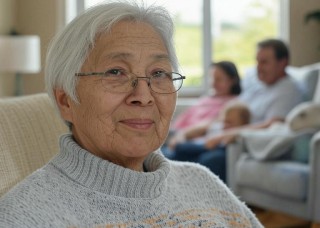
    Activities of Daily Living (ADLs) are fundamental tasks vital for an individual's independence, particularly in older adults over 85, and include functions like bathing and dressing; assessing ADLs alongside Instrumental Activities of Daily Living (IADLs) helps determine the level of required assistance due to age-related health challenges. Tailored support plans, involving family and community resources, are essential for maintaining dignity and autonomy in assisted living environments.

  • elderly parent refuses assisted livingGuiding Elderly Parents Who Refuse Assisted Living: 6 Practical Steps
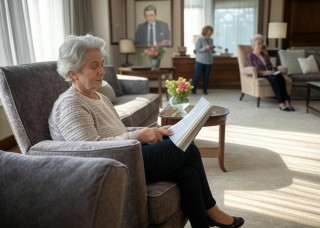
    Family caregivers face emotional, legal, and practical challenges when elderly parents refuse assisted living, often due to fears of losing autonomy. Open conversations and professional assessments can help address these concerns while exploring alternatives and ensuring safety, potentially leading to legal guardianship if necessary.

  • luxury assisted livingYour Comprehensive Guide to Luxury Assisted Living: Elevated Facilities, Amenities, and Costs
    Luxury assisted living offers high-quality senior care in a resort-like environment that combines essential medical support, gourmet dining, and personalized services to enhance residents' independence and well-being. These upscale facilities emphasize holistic health and community-building through customized care plans and social activities, catering to the growing demand for enriched senior living experiences despite higher costs.