Episcopal Home Care And Servic

490 East Lynnhurst Avenue, St Paul, MN 55104

For more information about senior living options: (844) 490-3973

4.3 from 100 reviews
5 stars
67
4 stars
14
3 stars
9
2 stars
1
1 stars
9

Assisted Living

What level of care are you interested in?

Assisted Living

Memory Care

Independent Living

Skilled Nursing Facility

Continuing Care Retirement Community (CCRC)CCRC

Other


Request a tour at Episcopal Home Care And Servic

    Overall Review of Episcopal Home Care And Servic

    Pros

    • pro The staff and facilities are outstanding.
    • pro The facilities are clean and safe, with plenty of services and activities for residents.
    • pro The campus offers independent, assisted, and transitional care.
    • pro The building is beautiful and the staff are super friendly and helpful.
    • pro It is a wonderful place to live, with high standards of care and community.
    • pro It feels warm and inviting, like a home away from home.
    • pro They take very good care of their seniors.
    • pro The staff are loving and caring, and residents are the top priority.
    • pro There are three restaurants in the buildings, plus a movie theater and a pub.
    • pro This place is the ultimate housing for seniors, with amazing care.

    Cons

    • pro The reviews claim the facility pushes a decisive political narrative by displaying politically charged signs in communal spaces, which alienates residents.
    • pro Management is described as short-sighted and unprofessional for promoting toxic ideology in what should be an apolitical space of rest for seniors.
    • pro One account says the top administrator refused to fix the heat on a weekend, with nurses labeled as sneaky and the overall care described as awful.
    • pro Staff are repeatedly described as understaffed, impatient, rude, and uncaring, with residents waiting for help and for medications.
    • pro A reviewer reports a grandmother left bleeding for hours due to delayed care, indicating severe neglect.
    • pro Abuse is explicitly reported in at least one review.
    • pro Security concerns are raised about outsiders entering the building and stealing from residents, with staff urged to act as police.

    Review

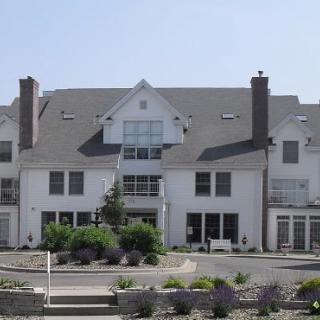
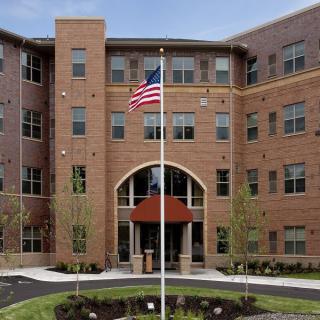
    This community comes through as a large, multi-faceted elder-care campus that blends comfortable living spaces with a broad array of services and activities. Across the reviews there's a strong sense that these buildings are more than just places to live - they're warm, welcoming environments that aim to feel like home for residents at various stages of aging. People repeatedly mention the beauty of the setting and the sense of safety and stability that comes with a campus designed to support independent living as well as assisted, transitional, and specialized care. The overall sentiment is that, for many, this is a place where residents and their families find both convenience and companionship, with amenities that invite people to stay engaged rather than feel isolated.

    One of the most consistently positive threads is the character and demeanor of the people who work there. Reviewers describe staff as friendly, caring, and genuinely invested in residents' well?being. The tone of many notes is affectionate, with phrases like "the residents are the top priority," "staff is so loving and caring," and "great care" echoing across multiple buildings. Families frequently highlight the ease of visits and the ability of staff to accommodate guests and facilitate meaningful connections with the resident. In addition to personal warmth, reviewers credit the personnel with maintaining a clean, safe environment and with offering a wide spectrum of services that help residents stay connected to their community. The sense that you're part of a respectful, well?intentioned team appears repeatedly as a defining strength.

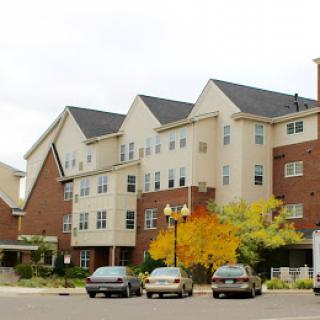
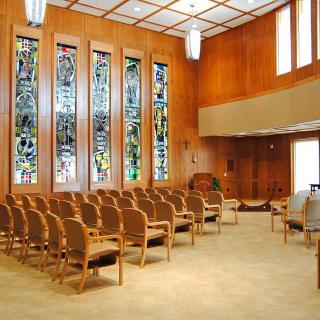
    Amenities and the built environment are another clear strength. The complex is praised for its architectural feel - light-filled spaces, windows that bring in natural illumination, and a design that makes socializing and moving about comfortable. The campus reportedly includes three dining options within the same buildings, a pub with familiar favorites like onion rings and Mudslides, a movie theater, and several activity possibilities that span health and well?being programs, classes, and spiritual or social events. Reviewers recount that there are always opportunities to engage - whether it's attending a concert or film, participating in a fitness class, or joining in organized gatherings - making the place feel lively and purposeful rather than sterile. The presence of on?site services and multiple dining options is repeatedly framed as a major benefit, especially for residents who value convenience and variety.

    Families and residents alike point to the breadth of care levels as a significant advantage. Some reviews celebrate the seamless progression from independent living to assisted and transitional care within the same campus, noting that moving to a higher level of care can be done without uprooting from the familiar environment. This flexibility is cited as a major relief for aging loved ones and their families, who can rest easier knowing a comprehensive range of services is available on site. A number of reviewers share personal stories of long-term attachment to the community - parents and grandparents who have lived there for years - emphasizing the stability, continuity, and sense of belonging that come with a well?rounded campus offering.

    Despite the overwhelmingly positive tones, there are clear voices of concern that show not all experiences align with the ideal. A subset of reviews expresses frustration with the political climate inside communal spaces, calling out signs and messaging that feel partisan or confrontational in an environment meant to be a peaceful retreat for older adults. For these readers, the presence of politically charged displays is seen as divisive and unprofessional, undermining the apolitical, restorative atmosphere residents expect. These critics emphasize that the space should be a haven free from political outreach or rhetoric, arguing that such messages create alienation rather than community. It's a strong reminder that even in a setting designed to care for the whole person, the management's policies and choices about d?cor and messaging can significantly affect the lived experience.

    There are also more specific operational complaints that recur in several reviews. Instances of perceived understaffing, delays in care, and inconsistencies in service delivery surface in some accounts, including a chilling report of a resident not receiving timely help and a dramatic claim of negligent conditions in an extreme case. Some reviewers describe experiences where residents waited for routine medications or where support staff appeared to be stretched thin. These accounts mark a sharp contrast to the otherwise glowing portrayals of care quality and highlight the importance of reliable staffing, well?coordinated care teams, and transparent communication from leadership. Another reported concern involves security and access issues, with references to non?residents entering the building and residents or families feeling uneasy about safety, which underscores the need for robust security practices and clear protocols for safeguarding vulnerable residents.

    Testimonials about individual experiences further illustrate the campus's mixed nature. Some families speak of near?perfect support: a long?standing resident praising the staff, a family member who feels the campus has "become home" for loved ones, and others who emphasize the care, safety, and the broad spectrum of activities that allow residents to stay engaged. There are also less rosy narratives, including direct cautions to prospective families about underperforming aspects of care, heat management, and administrative responsiveness. A recurring theme is that while many residents thrive here, the experience can be highly dependent on the specific building, the care level, and the day?to?day management of operations. The same organization that earns affectionate praise in one account may trigger alarm in another, a reminder that elder care is highly individualized and sensitive to day?to?day realities.

    In sum, the community appears to be a well?established and deeply valued place for aging in place, celebrated for its friendliness, comprehensive amenities, and the feeling of being part of a caring, active community. The strong positive sentiments - about staff warmth, the sense of home, the quality of facilities, and the breadth of programming - taint the experience of many residents and families who find that this campus offers meaningful, joyful living in later years. Yet the criticisms - about political messaging, potential staffing gaps, safety concerns, and inconsistent service - underscore the complexity of running large senior communities and the ongoing effort required to maintain excellence across multiple buildings and care tiers. For prospective residents and families, the reflection is clear: this is a place with a compelling vision and a proven track record of care and community, but it is also a place where careful evaluation of individual needs, building-specific conditions, and leadership responsiveness is essential to ensure the best possible fit.

    Features

    Housing

    • 21 resident community capacity 21 resident community capacity

    Types of Care

    • Assisted Living Assisted LivingAssisted living facilities provide crucial support and care for seniors who may need help with daily tasks such as medication management, bathing, and meal preparation. These communities offer a safe and comfortable environment where seniors can maintain their independence while receiving the assistance they need to thrive in their golden years.

    Amenities

    • Beauty salon Beauty salonBeauty salons are important for seniors because they provide a space for them to feel pampered, socialize, and maintain their personal grooming and hygiene. Regular visits to a beauty salon can help boost seniors' self-esteem and overall well-being.
    • Cable or satellite TV Cable or satellite TVCable or satellite TV is important for seniors because it provides entertainment, news, and companionship, helping to combat loneliness and boredom. It also offers a wide range of programming options tailored to different interests and preferences.
    • Dining room Dining roomDining rooms are important for seniors as they provide a space for socialization, connection, and nutritious meals. They offer opportunities for residents to bond over shared meals, foster a sense of community, and promote healthy eating habits. Dining rooms also ensure that seniors have access to well-balanced meals tailored to their dietary needs and preferences.
    • Fully furnished Fully furnishedFully furnished senior living communities are important for seniors because they provide convenience, comfort, and a hassle-free moving experience. Seniors can easily settle into their new living space without the stress of having to buy and move furniture. This allows them to focus on enjoying their new home and community.
    • Garden GardenGardens are important for seniors as they provide a peaceful and therapeutic environment for relaxation, physical activity, and socialization. Being in nature has been shown to reduce stress, improve mood, and promote overall well-being. Gardens also offer opportunities for seniors to engage in gardening activities, which can improve mobility, flexibility, and cognitive function. Additionally, gardens create a sense of community and connection with others who share a passion for plants and outdoor spaces.
    • Housekeeping services Housekeeping servicesHousekeeping services are important for seniors because they help maintain a clean and safe living environment, promote independence, and reduce the risk of accidents or illnesses. Additionally, having assistance with household chores can alleviate physical strain and allow seniors to focus on other aspects of their well-being.
    • Kitchenette KitchenetteKitchenettes are important for seniors living in senior living communities because they provide the convenience and independence of being able to prepare simple meals and snacks in the comfort of their own living space. This can help promote a sense of autonomy and well-being for seniors, allowing them to maintain some level of control over their dietary choices and daily routines.
    • Move-in coordination Move-in coordinationMove-in coordination is important for seniors because it helps ease the transition into their new living environment. It ensures that all logistics, such as packing, organizing movers, and setting up utilities are taken care of, allowing seniors to focus on settling in and adjusting to their new home. Having a smooth move-in process can alleviate stress and anxiety, making the transition smoother and more enjoyable for seniors.
    • Outdoor space Outdoor spaceOutdoor spaces are important for seniors as they provide opportunities for physical activity, social interaction, exposure to natural light and fresh air, and a sense of connection to nature. Having access to outdoor spaces can improve overall well-being and quality of life for older adults living in senior communities.
    • Telephone TelephoneTelephones are important for seniors as they provide a lifeline for communication with loved ones, emergency services, and healthcare providers. They offer a sense of security and independence, enabling seniors to stay connected and access assistance when needed.
    • Wi-Fi/high-speed internet available Wi-Fi/high-speed internet availableWi-Fi/high-speed internet is important for seniors to stay connected with loved ones, access online resources, and participate in virtual activities to combat feelings of loneliness and isolation. It also allows them to easily manage healthcare needs, access entertainment, and engage in lifelong learning opportunities.

    Transportation

    • Minneapolis-St Paul International (6 miles away) Minneapolis-St Paul International (6 miles away)

    Care Services

    • 24-hour call system 24-hour call system24-hour call systems are important for seniors because they provide peace of mind and immediate assistance in case of emergencies. This technology ensures that help is always available, promoting safety and security for elderly individuals living alone or in assisted living facilities.
    • 24-hour supervision 24-hour supervision24-hour supervision is important for seniors to ensure their safety, well-being, and access to immediate assistance in case of emergencies or health issues. This constant support provides peace of mind for both seniors and their loved ones, allowing them to age in place with dignity and security.
    • Activities of daily living assistance Activities of daily living assistanceActivities of daily living assistance are important for seniors because they provide essential support with tasks such as eating, bathing, dressing, and mobility. This assistance helps seniors maintain their independence, dignity, and overall quality of life as they age.
    • Assistance with bathing Assistance with bathingAssistance with bathing is crucial for seniors as it helps maintain personal hygiene, prevents infections, and ensures their overall well-being and comfort. It also provides a sense of dignity and independence for seniors who may struggle with this task on their own.
    • Assistance with dressing Assistance with dressingAssistance with dressing is important for seniors because it helps maintain their independence, promotes personal hygiene, prevents accidents and injuries, and improves overall quality of life. This service ensures that seniors can continue to dress comfortably and confidently, despite any physical limitations they may have.
    • Assistance with transfers Assistance with transfersAssistance with transfers is crucial for seniors as it helps prevent falls and injuries, maintains their independence, and ensures they can safely navigate their living environment. It also provides peace of mind for both seniors and their loved ones.
    • Coordination with health care providers Coordination with health care providersCoordination with health care providers is crucial for seniors to ensure proper medical care, medication management, and overall well-being. This collaboration helps prevent overlapping treatments, track progress more effectively, and provide comprehensive support tailored to individual needs.
    • Diabetes diet Diabetes dietA diabetes diet is crucial for seniors as it helps manage blood sugar levels, reduce risks of complications, and improve overall health and well-being. By following a balanced and nutritious diet tailored to their specific needs, seniors can better control their diabetes and enhance their quality of life.
    • Meal preparation and service Meal preparation and serviceMeal preparation and service are crucial for seniors as they may have limited mobility or energy to cook nutritious meals. Having access to healthy and convenient food options can ensure they are getting the proper nutrition needed to maintain their overall health and well-being.
    • Medication management Medication managementMedication management is crucial for seniors to ensure they are taking the right medications at the correct dosages and times. This helps prevent adverse drug interactions, reduces the risk of medication errors, and promotes overall health and well-being. Proactive management also allows for adjustments as needed based on changing health conditions or new prescriptions.
    • Mental wellness program Mental wellness programMental wellness programs are essential for seniors as they promote cognitive stimulation, emotional support, and social engagement. These programs help prevent isolation, depression, and cognitive decline, ultimately enhancing the overall quality of life for older adults.
    • Special dietary restrictions Special dietary restrictionsSpecial dietary restrictions are important for seniors because age-related changes in metabolism and health conditions can make it difficult for their bodies to process certain foods. By following a diet tailored to their specific needs, seniors can maintain their overall health and well-being, manage chronic conditions, and reduce the risk of complications such as malnutrition or food interactions with medications.
    • Transportation arrangement (medical) Transportation arrangement (medical)Transportation arrangements for medical purposes are essential for seniors as they may have difficulty driving themselves to appointments or accessing public transportation. Having reliable and safe transportation options ensures that seniors can receive timely medical care and maintain their health and well-being.
    • Transportation to doctors appointments Transportation to doctors appointmentsTransportation to doctors' appointments is crucial for seniors as it ensures they have access to necessary medical care and support for their health needs. Without reliable transportation, seniors may struggle to attend important appointments, leading to potential delays in treatment and health complications. Providing transportation services helps seniors maintain their overall well-being and quality of life.
    Dining

    • Diabetes diet Diabetes dietA diabetes diet is crucial for seniors as it helps manage blood sugar levels, reduce risks of complications, and improve overall health and well-being. By following a balanced and nutritious diet tailored to their specific needs, seniors can better control their diabetes and enhance their quality of life.
    • Special dietary restrictions Special dietary restrictionsSpecial dietary restrictions are important for seniors because age-related changes in metabolism and health conditions can make it difficult for their bodies to process certain foods. By following a diet tailored to their specific needs, seniors can maintain their overall health and well-being, manage chronic conditions, and reduce the risk of complications such as malnutrition or food interactions with medications.

    Activities

    • Community-sponsored activities Community-sponsored activitiesCommunity-sponsored activities are important for seniors as they provide opportunities for social interaction, mental stimulation, and physical activity. These activities can help improve overall well-being, combat loneliness and isolation, and promote a sense of belonging and purpose among older adults.
    • Resident-run activities Resident-run activitiesResident-run activities are important for seniors as they encourage social interaction, creativity, and a sense of autonomy. These activities empower seniors to stay engaged and active in their community while fostering meaningful connections with their peers.
    • Scheduled daily activities Scheduled daily activitiesScheduled daily activities are important for seniors because they provide structure, socialization, mental stimulation, and physical activity. Engaging in regular activities can improve overall well-being and quality of life for seniors living in a community setting.

    Description

    The Episcopal Home Care And Service in St Paul, MN is an assisted living community that offers a wide range of amenities and care services to meet the needs of its residents. The community provides comfortable and fully furnished accommodations, with options for cable or satellite TV, Wi-Fi/high-speed internet, and telephone services.

    Residents enjoy delicious meals in the dining room, with special dietary restrictions catered to. Housekeeping services are provided to ensure a clean and tidy living environment at all times. Additionally, residents have access to outdoor spaces such as a garden, where they can relax or engage in outdoor activities.

    The community offers 24-hour supervision and assistance with activities of daily living such as bathing, dressing, and transfers. It also provides coordination with health care providers to ensure that residents receive necessary medical care. Medication management is available to help residents stay on track with their medications.

    The Episcopal Home Care And Service places a strong emphasis on mental wellness, offering a mental wellness program for residents. There are also scheduled daily activities and resident-run activities for social engagement and entertainment.

    For convenience, transportation arrangements can be made for medical appointments or visits to doctors. Nearby amenities include cafes, parks, pharmacies, physicians' offices, restaurants, places of worship, theaters, and hospitals.

    Overall, the Episcopal Home Care And Service in St Paul provides a supportive and nurturing environment for seniors who require assistance with daily tasks while promoting independence, social engagement, and overall well-being.

    Nearby Places of Interest

    This part of St Paul, Minnesota, offers a variety of amenities suitable for senior living. With a selection of restaurants such as Dubliner Pub and Bole' Ethiopian Cuisine nearby, residents can enjoy diverse culinary experiences. There are also several reputable physicians and pharmacies in close proximity, including Dermatology Consultants P.A. and CVS Pharmacy, ensuring easy access to healthcare services. The area boasts beautiful parks like Como Park and Longfellow Park for leisurely walks or picnics. Additionally, transportation options such as the Minnesota State Fair Transit Hub provide convenient access to other parts of the city. With hospitals like United Hospital Joint Replacement Center and Hennepin County Medical Center nearby, seniors can feel confident in their medical care options. Overall, this part of St Paul offers a well-rounded community with opportunities for both relaxation and convenience for senior residents.

    Restaurants

    • Dubliner Pub (0.6 miles)
    • Taco Bell (0.6 miles)
    • BlackStack Brewing (0.7 miles)
    • Brew Hall (0.7 miles)
    • Surly Brewing Company (1.9 miles)
    • Bole' Ethiopian Cuisine (2 miles)
    • Giggles' Campfire Grill - Minnesota State Fair (2.1 miles)

    Physicians

    • Dermatology Consultants P.A. (0.8 miles)
    • HealthPartners Health Center for Women Clinic St Paul (1.5 miles)
    • Parkway Family Physicians (2.6 miles)
    • Whittier Clinic (4.8 miles)
    • West Side Community Health Services (5.3 miles)

    Pharmacies

    • CVS Pharmacy (1.1 miles)
    • Walgreens (2.6 miles)
    • Walgreens (2.6 miles)
    • Walgreens (2.7 miles)
    • Walgreens (3 miles)
    • Walgreens (3.1 miles)
    • Target Pharmacy (3.3 miles)

    Cafes

    • Roundtable Cof (1.1 miles)
    • Groundswell (1.1 miles)
    • Starbucks (2 miles)
    • Dunn Brothers Coffee (5.2 miles)

    Places of Worship

    • St George Greek Orthodox Church (1.9 miles)
    • WW Studio (2.5 miles)
    • Cathedral of St Paul (3.5 miles)
    • Westminster Presbyterian Church (4.8 miles)

    Transportation

    • Minnesota State Fair Transit Hub (1.9 miles)
    • Union Depot (4.6 miles)
    • Concourse D (5.1 miles)
    • Concourse E (5.1 miles)
    • Escape Lounge (5.2 miles)
    • Delta Sky Club (5.2 miles)
    • Concourse C (5.2 miles)

    Parks

    • Como Park (2.1 miles)
    • Longfellow Park (2.2 miles)
    • Franklin Terrace Off-Leash Dog Park (2.4 miles)
    • Wabun Picnic Area (3 miles)
    • Lake Hiawatha Park (3.4 miles)
    • Minnehaha Falls Dog Park (3.6 miles)
    • Hidden Falls Park (3.7 miles)

    Hospitals

    • University of Minnesota Medical Center - East Bank Campus (2.7 miles)
    • United Hospital Joint Relacement Center (3.6 miles)
    • VA Medical Center (3.9 miles)
    • St Joseph's Hospital-St Paul (3.9 miles)
    • Regions Hospital Burn Center (4.2 miles)
    • Hennepin County Medical Center (4.2 miles)
    • Csc Gi Lab (4.2 miles)

    Theaters

    • AMC Rosedale 14 (4 miles)

    Frequently Asked Questions

    Where is Episcopal Home Care And Servic?

    Nearby Communities

    Related Resources

    • assisted living vs skilled nursingExploring the Contrasts Between Assisted Living and Skilled Nursing

      The article compares assisted living and skilled nursing facilities, detailing their differing levels of assistance, medical support, cost structures, and day-to-day experiences. It emphasizes that assisted living is for those needing help with daily activities while maintaining independence, whereas skilled nursing facilities provide intensive medical care with 24-hour staff supervision.

    • when to move from assisted living to nursing home8 Key Indicators That Suggest It May Be Time to Transition from Assisted Living to Skilled Nursing Care

      The transition from assisted living to skilled nursing care is often prompted by complex medical needs that assisted living cannot meet, with key indicators including frequent health declines, increased falls, severe memory issues, and caregiver burnout. Families should recognize these signs early to discuss options with healthcare providers and prepare for the emotional and logistical aspects of moving to a facility that offers comprehensive medical support.

    • active senior livingVibrant Senior Living: A Comprehensive Guide for Active Older Adults

      Vibrant Senior Living emphasizes active senior living communities that promote independence and engagement through diverse amenities and activities, fostering wellness and social interaction among older adults. These communities range from independent to assisted living, with a focus on personal growth, family involvement, financial planning, and leveraging technology to enhance residents' experiences.


    Get Pricing Ask A Question Schedule A Tour Contact Senior Advisor