For more information about senior living options: (866) 208-4318
3.8 from 66 reviews
5 stars
28
4 stars
20
3 stars
4
2 stars
3
1 stars
11
Minnehaha Senior Living Costs & Pricing
Minnehaha Senior Living offers competitive pricing for its residents, particularly when comparing its costs to both Hennepin County and the broader state of Minnesota. A studio apartment at Minnehaha is priced at $3,300 per month, which is notably lower than the county average of $3,713 and also below the state average of $3,617. For those seeking more space, a one-bedroom unit is available for $3,500, slightly above the county's rate of $3,550 but significantly higher than Minnesota's average of just $2,893. In the case of two-bedroom accommodations, Minnehaha charges $3,875 per month - essentially in line with Hennepin County's average of $3,848 but again considerably higher than the state's average of $2,955. Overall, while some costs may come in above local or state averages for larger units, Minnehaha Senior Living remains a viable and attractive option for seniors seeking quality care and community in an increasingly competitive landscape.
Floor plans
Minnehaha Senior Living
Hennepin County
Minnesota
Studio
$3,300
$3,713
$3,617
1 Bedroom
$3,500
$3,550
$2,893
2 Bedrooms
$3,875
$3,848
$2,955
Skilled Nursing Facilities with a similar price nearby
Residents and families repeatedly describe staff as kind, attentive, and responsive to loved ones.
Many reviews focus on staff members who treat residents with kindness and keep them comfortable and safe. Several people call out attentiveness and professionalism, including during daily interactions and overnight care. A few reviews also mention care being a shared responsibility during visits, with staff helpfulness showing up in how families feel supported.
common7 reviews mention this
Food gets both praise and complaints
Dining is a frequent point in reviews, with some residents praising variety and meals while others criticize portions or menu consistency.
Some reviewers describe the food as excellent and varied, listing items like tacos, chicken, tuna salad, sandwiches, and roast. Others say meals can be inconsistent compared with what’s listed, or that portions and value don’t match the price. The community offers meals provided with room service and special dietary support in areas like diabetes and other restricted diets.
common6 reviews mention this
Cleanliness is consistently mentioned
Cleanliness and upkeep come up often across both positive and negative feedback.
Several reviews praise the facility as clean, well-maintained, and kept in good order. A number of other reviews describe problems like apartments not being cleaned regularly, laundry not being done, or maintenance and washers/dryers not working. The community provides housekeeping services and laundry support, which aligns with why cleaning shows up as a clear expectation for families.
caveat3 reviews mention this
Pricing feels high for value
Multiple reviewers say the rent is too high for the services they received.
Some reviews describe the community as overpriced, especially when compared with what they felt was being delivered. Others mention that care and meal experience didn’t match the cost, with complaints about services not being rendered as billed. Pricing ranges are listed by unit type from $3,300 to $3,875, and reviews suggest value concerns even within that advertised range.
caveat2 reviews mention this
Memory care monitoring is a worry
Reviews raise concerns about staffing, monitoring, and enough cognitive stimulation for memory care residents.
One reviewer specifically worries about the ability to monitor someone in memory care, and another describes limited cognitive stimulation. Separate negative feedback also includes claims of inadequate basic care and short staffing affecting day-to-day support. The community’s care services include specialized memory care programming and dementia-related support, but these reviews suggest families didn’t always experience the expected level of supervision.
caveat2 reviews mention this
Communication can be inconsistent
Some families describe difficulty getting timely updates and information.
A review notes that communication between staff and residents’ families isn’t great, requiring frequent follow-ups to get information. Another review includes a complaint about an employee interaction during attempts to contact the facility. The community does provide move-in coordination and a 24-hour call system, but these reviews indicate that getting clear, reliable updates didn’t always feel easy.
How we summarize
Counts show how many written reviews mention each theme; a review can touch several themes, and only frequently mentioned themes are displayed.
Features
Housing
21 resident community capacity
1-bedroom apartments
2-bedroom apartments
Types of Care
Assisted Living
Memory Care
Skilled Nursing Facility
Pets
Cats allowed
Dogs allowed
Amenities
Activities off-site
Activities on-site
Beautician on-site
Beauty salon
Cable or satellite TV
Devotional services off-site
Devotional services on-site
Dining room
Financial aid
Fully furnished
Garden
Guasts at mealtime
Guest parking
Housekeeping services
Indoor common areas
Kitchenette
Laundry
Move-in coordination
Outdoor common areas
Outdoor space
Private cleaning services
Resident parking
Respite or short term stays offered
Security gate
Swimming pool / hot tub
TV room
Telephone
VA Benefits Consultation
Wheelchair accessible showers
Wi-Fi/high-speed internet available
Transportation
Minneapolis-St Paul International (4 miles away)
Transportation & parking
Care Services
24-hour call system
24-hour supervision
Activities of daily living assistance
Assistance with bathing
Assistance with dressing
Assistance with transfers
Coordination with health care providers
Dementia waiver
Diabetes diet
Diabetic care
Hospice care
Hospice waiver
Incontinence care
Meal preparation and service
Medication management
Mental wellness program
Mild cognitive impairment
Physical therapy
Special dietary restrictions
Specialized memory care programming
Transportation arrangement (medical)
Transportation to doctors appointments
Dining
Diabetes diet
Meals provided
Room service
Special dietary restrictions
Activities
Activities off-site
Activities on-site
Arts and crafts
Book club
Community-sponsored activities
Devotional activities offsite
Devotional activities on-site
Educational speakers / life long learning
Games
Gardening club
Live musical performances
Religious services
Resident-run activities
Scheduled daily activities
Wii bowling
Videos
Nearby Places of Interest
This part of Minneapolis, Minnesota, offers a convenient and vibrant neighborhood for senior living. With a variety of restaurants, cafes, parks, and pharmacies within close proximity, residents have easy access to essential amenities and recreational activities. The area also features reputable healthcare facilities and hospitals, ensuring quality medical care for seniors. Additionally, the nearby Minneapolis-Saint Paul International Airport provides convenient travel options for those looking to visit family or explore new destinations. Places of worship are also available for those seeking spiritual fulfillment. Overall, this neighborhood offers a well-rounded community with diverse offerings suited for senior living.
Restaurants
Matt's Bar (0.6 miles)
Sea Salt Eatery (1.8 miles)
Maxwell's American Cafe (2.8 miles)
Dubliner Pub (3 miles)
Surly Brewing Company (3 miles)
19 Bar (3 miles)
Mortimer's (3.1 miles)
Parks
Lake Hiawatha Park (0.7 miles)
Longfellow Park (1 miles)
Wabun Picnic Area (2.1 miles)
Franklin Terrace Off-Leash Dog Park (2.1 miles)
Bossen Field (2.3 miles)
Minnehaha Falls Dog Park (2.8 miles)
Gateway Dog Park - Off-Leash Play Area (2.9 miles)
Pharmacies
Walgreens (1.4 miles)
Walgreens (1.4 miles)
Walgreens (2.7 miles)
CVS Pharmacy (2.7 miles)
Walgreens (2.7 miles)
CVS Pharmacy (2.8 miles)
CVS Pharmacy (3.1 miles)
Physicians
Whittier Clinic (2.3 miles)
HealthPartners Health Center for Women Clinic St Paul (2.8 miles)
Parkway Family Physicians (3.6 miles)
Dermatology Consultants P.A. (3.7 miles)
Southwest Dermatology Specialist (3.8 miles)
Hospitals
University of Minnesota Medical Center - East Bank Campus (2.6 miles)
VA Medical Center (2.7 miles)
Csc Gi Lab (2.8 miles)
Hennepin County Medical Center (2.9 miles)
Cafes
Roundtable Cof (2.9 miles)
Dunn Brothers Coffee (3.2 miles)
Spyhouse Coffee (3.2 miles)
Starbucks (3.4 miles)
Groundswell (4.3 miles)
Jinx Tea (4.5 miles)
Starbucks (4.6 miles)
Places of Worship
Westminster Presbyterian Church (3.1 miles)
WW Studio (3.7 miles)
St George Greek Orthodox Church (4.5 miles)
Transportation
Concourse E (3.6 miles)
Concourse D (3.7 miles)
Escape Lounge (3.7 miles)
Concourse F (3.7 miles)
Terminal 1-Lindbergh (3.8 miles)
Delta Sky Club (3.9 miles)
Minneapolis–Saint Paul International Airport (MSP) (3.9 miles)
Minnehaha Senior Living offers competitive pricing for its residents, particularly when comparing its costs to both Hennepin County and the broader state of Minnesota. A studio apartment at Minnehaha is priced at $3,300 per month, which is notably lower than the county average of $3,713 and also below the state average of $3,617. For those seeking more space, a one-bedroom unit is available for $3,500, slightly above the county's rate of $3,550 but significantly higher than Minnesota's average of just $2,893. In the case of two-bedroom accommodations, Minnehaha charges $3,875 per month - essentially in line with Hennepin County's average of $3,848 but again considerably higher than the state's average of $2,955. Overall, while some costs may come in above local or state averages for larger units, Minnehaha Senior Living remains a viable and attractive option for seniors seeking quality care and community in an increasingly competitive landscape.
Minnehaha Senior Living's comprehensive features are designed to support residents with dementia and Alzheimer's disease by addressing their unique needs around the clock. The 24-hour supervision ensures that individuals receive constant care and immediate assistance, which is crucial for their safety and security. Activities of daily living assistance, including bathing, dressing, and transfers, promote dignity while helping residents maintain their independence. Coordination with health care providers ensures that medical requirements are met seamlessly, while the dementia waiver allows for tailored care plans. Incontinence care and meal preparation further enhance comfort during daily routines. Medication management supports adherence to treatment regimens, while a mental wellness program addresses cognitive needs specifically related to mild cognitive impairment. Physical therapy aids in maintaining mobility, and specialized memory care programming provides engaging activities designed to stimulate cognitive function. Finally, transportation arrangements for medical appointments facilitate access to necessary healthcare services without added stress on residents or families.
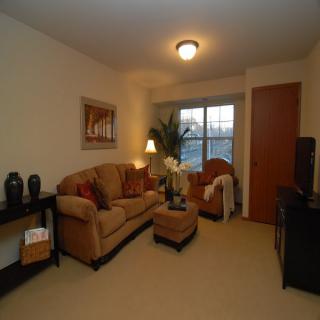
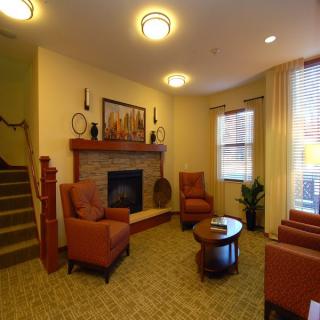
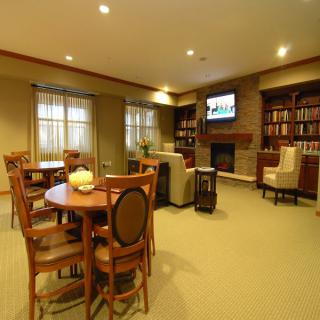
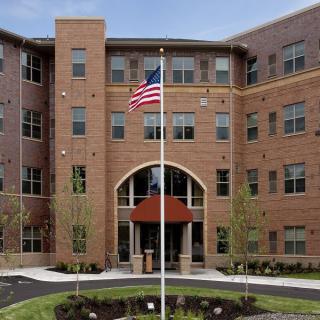
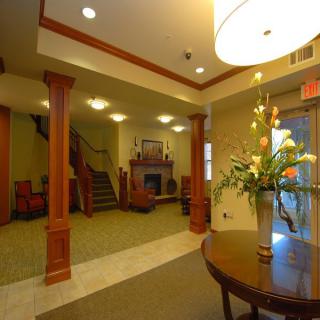
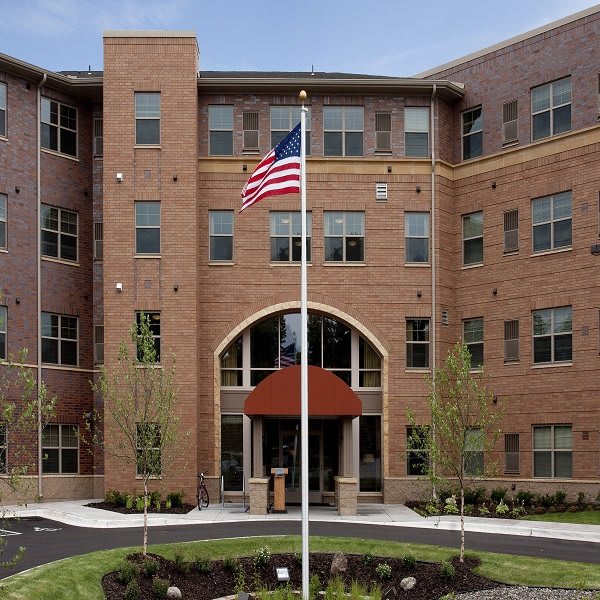
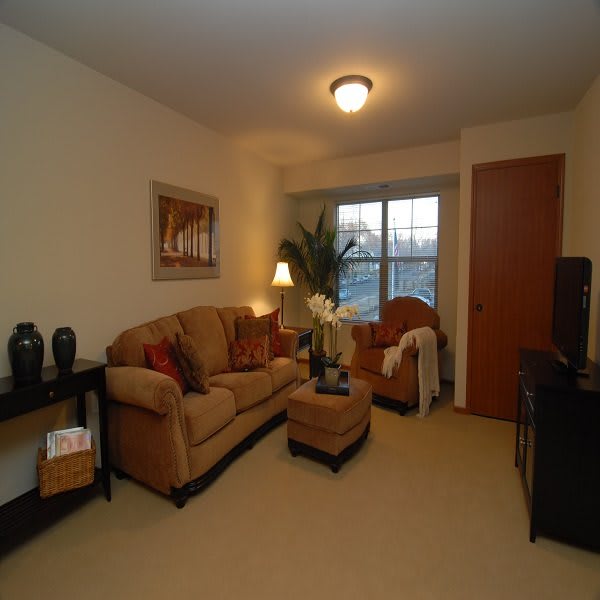
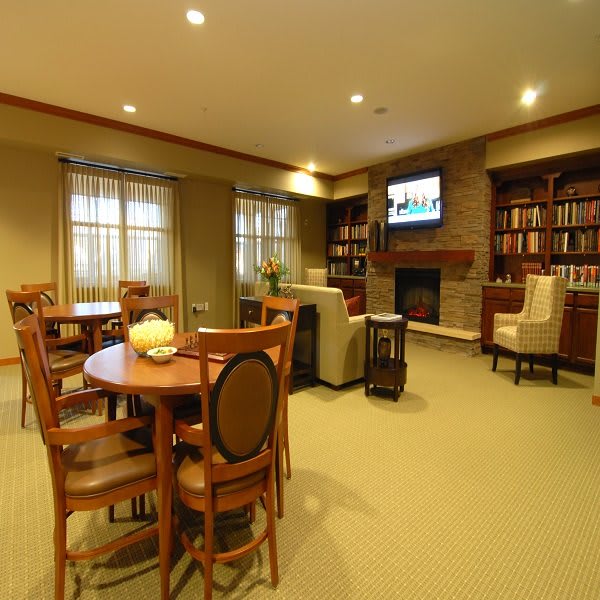
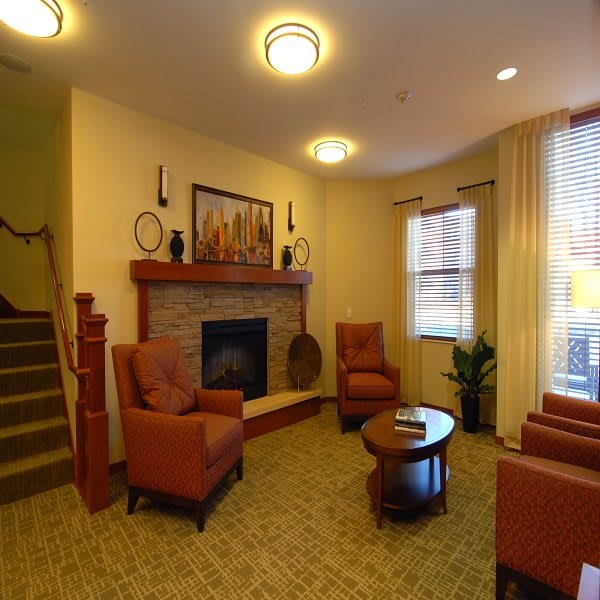
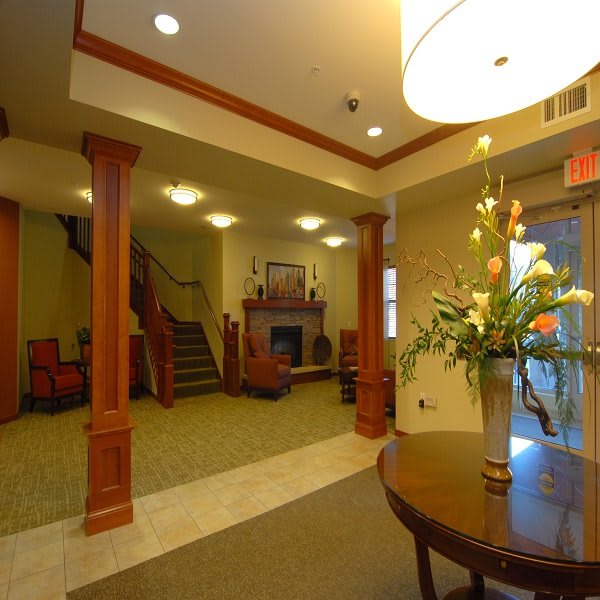
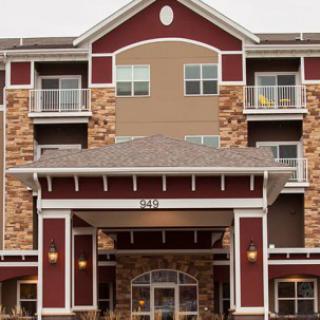
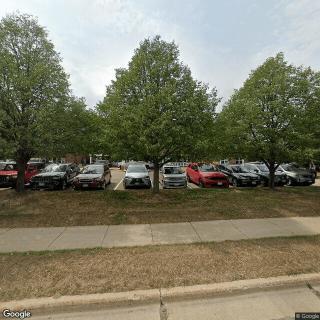
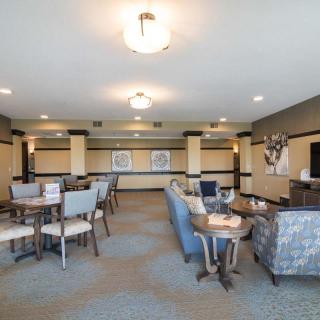
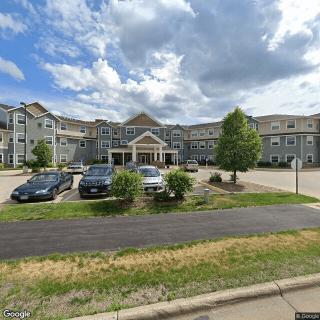
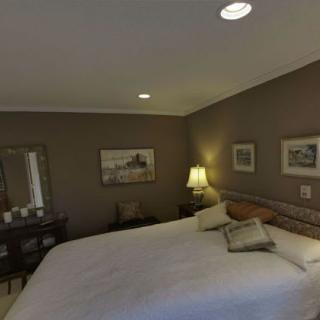
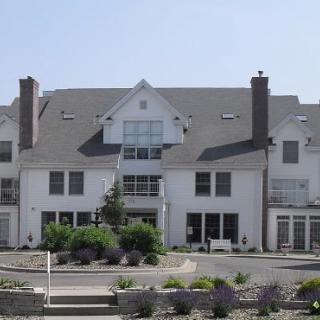
Minnehaha Senior Living on seniors.fyi includes 6 photos including images showing living room, interior, fireplace, decor, seating area, stairs, building, lighting, and more.
Nearby Communities
Providence Place
Minneapolis, MN
3.6 from 102 reviews
Compassionate, responsive staff; clean facility with solid therapy and dining services.
Better Care Services
Minneapolis, MN
3.5 from 8 reviews
Intimate 21-bed community with 24-hour supervision, daily living assistance, medication management, and engaging activities.
Mamae Care
Minneapolis, MN
5 from 1 review
24/7 care with medication management and restaurant-style dining.
Inspire Care
Minneapolis, MN
3.5 from 33 reviews
Comprehensive care with 24/7 supervision, ADL support, medication management, meals, and engaging activities.
Liberty Foster Home Care
Minneapolis, MN
5 from 4 reviews
$8,500 / month
24-hour supervision with restaurant-style dining and mental wellness program
Infinity Health Home Care
Minneapolis, MN
Home-like setting with 24/7 care, diabetes-friendly meals, and scheduled activities.
Ebenezer Management Services
Minneapolis, MN
4.8 from 8 reviews
Fully furnished apartments with 24/7 supervision and medication management
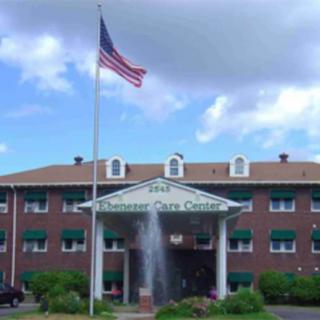
Ebenezer Care Center
Minneapolis, MN
4.2 from 10 reviews
Initial tours showed safety and accessible activity areas.
New Perspective Senior Living | Highland Park
Saint Paul, MN
4.3 from 81 reviews
$2,272 to $3,769 / month
Caring staff and engaging activities create a warm, supportive environment.
Transitioning from assisted living to memory care is driven by an individual's cognitive decline and specific needs, requiring careful evaluation of indicators like increased confusion and wandering. The process involves consulting medical professionals, researching suitable communities, considering financial and legal aspects, and ensuring effective communication for personalized care plans.
The article differentiates between assisted living and memory care, explaining that assisted living supports seniors with daily activities while promoting independence, whereas memory care provides specialized services for individuals with dementia, focusing on secure environments and cognitive support. It also addresses staff training, safety considerations, costs, family involvement, and transition strategies for families navigating these care options.
The article outlines effective communication strategies for interacting with loved ones with dementia, highlighting the need for empathy, patience, and understanding while emphasizing supportive approaches like using simple language, minimizing distractions, and focusing on feelings over facts to maintain dignity and foster connection. It also suggests seeking professional guidance when needed as communication challenges evolve.
Building, Architecture, Trees, Entrance, Flag, and Brick
Lighting, Lobby, and Stairs
Television and Bookshelves
Fireplace
Seating Area
Get PricingAsk A QuestionSchedule A TourContact Senior Advisor
By clicking submit, you agree to our Partner's Terms of Use. You
also consent to receive calls and texts, which may be autodialed, from our Partner. Your consent is not a condition to
using our Partner's service. Please visit our Partner's Privacy Policy for information about their privacy practices.

 21 resident community capacity
 1-bedroom apartments
 Assisted Living
 Memory Care
 Skilled Nursing Facility
 Cats allowed
 Dogs allowed
 Activities off-site
 Beautician on-site
 Cable or satellite TV
 Devotional services off-site
 Dining room
 Financial aid
 Fully furnished
 Garden
 Guest parking
 Housekeeping services
 Indoor common areas
 Kitchenette
 Laundry
 Move-in coordination
 Outdoor common areas
 Respite or short term stays offered
 Security gate
 Swimming pool / hot tub
 Telephone
 Wheelchair accessible showers
 Wi-Fi/high-speed internet available
 Minneapolis-St Paul International (4 miles away)
 Transportation & parking
 24-hour call system
 Assistance with bathing
 Assistance with dressing
 Assistance with transfers
 Diabetes diet
 Diabetic care
 Hospice care
 Incontinence care
 Meal preparation and service
 Medication management
 Mental wellness program
 Physical therapy
 Special dietary restrictions
 Transportation arrangement (medical)
 Arts and crafts
 Book club
 Educational speakers / life long learning
 Games
Games Live musical performances
 Wii bowling
 Compassionate, responsive staff; clean facility with solid therapy and dining services.

 When to Transition from Assisted Living to Memory Care: Key Indicators, Steps, and Finding the Right Community
 Understanding the Distinctions: Assisted Living and Memory Care Explained
 How to Communicate with a Loved One Living with Dementia: 10 Supportive Strategies