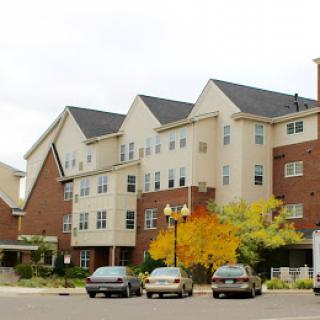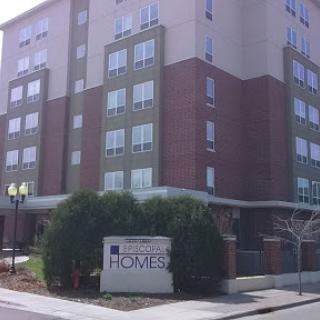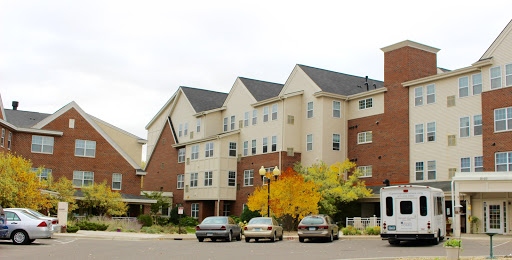
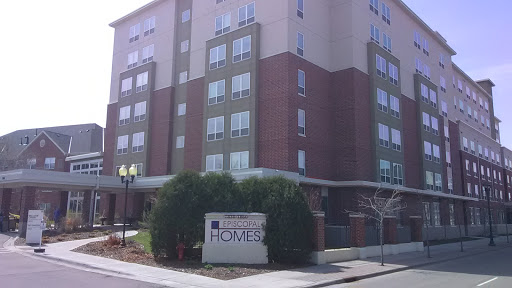

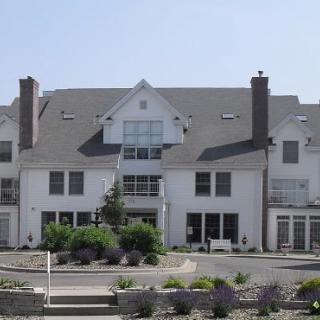
1860 University Avenue West, Saint Paul, MN 55104
For more information about senior living options: (866) 208-4318
Episcopal Church Home Gardens Costs & Pricing
Episcopal Church Home Gardens offers private room accommodations at a monthly cost of $5,400. This price is slightly above the average for Ramsey County, where similar accommodations typically run around $5,162 per month. Comparatively, across Minnesota, the average monthly cost for private rooms rests at approximately $5,090. While the rate at Episcopal Church Home Gardens may be higher than both county and state averages, it reflects the unique services and amenities provided to residents in a nurturing environment focused on quality care and community engagement.
| Floor plans | Episcopal Church Home Gardens | Ramsey County | Minnesota |
|---|---|---|---|
| Private | $5,400 | $5,162 | $5,090 |
Skilled Nursing Facilities with a similar price nearby
-
About the same
The Estates At Lynnhurst
$5,535 / month0.1 miles away -
from -$900 / mo
Jbs Homes
$4,500 / month17.6 miles away -
from -$400 / mo

Pine Ridge Assisted Living
$5,000 / month21.5 miles away -
from -$400 / mo
Metro Nursing Services
$5,000 to $7,500 / month7.4 miles away
Overall Review of Episcopal Church Home Gardens
Pros
 The staff goes above and beyond to ensure residents feel at home.
- There is exceptional care and a warm, welcoming environment.
- It is a fantastic place to live.
- It has a warm, caring feeling that promotes a great sense of home.
- The care is compassionate and professional for residents' loved ones.
Review
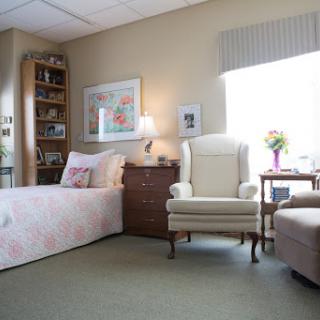
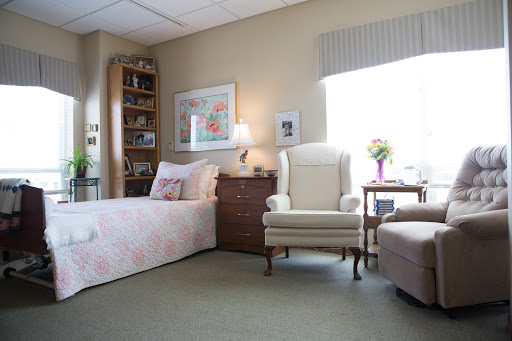
Episcopal Church Home Gardens in Saint Paul is best suited for seniors who prize a warm, home-like atmosphere and caregiving that feels personal and consistently attentive. The strongest impression from the available experiences is a staff-driven culture that truly treats residents like individuals, not tasks. Descriptions repeatedly highlight exceptional care, a welcoming environment, and a sense that residents are cherished and part of a caring community. For families seeking a place where daily routines feel predictable, comforting, and staffed by professionals who demonstrate genuine commitment, this community delivers in spades.
Those who may want to consider alternatives are seniors with higher-acuity needs or specific clinical requirements that demand more intensive supervision or specialized programming. While the positive feedback centers on kindness, responsiveness, and a home feel, options with more pronounced medical support, memory-care exclusivity, or larger campuses could better fit residents facing complex care plans or strict supervision. Budget considerations also play a role; families should compare fee structures, inclusions, and potential add-ons to ensure the overall value aligns with expectations for medical and daily living needs.
The core advantages are clear and meaningful. Exceptional care and a warm, welcoming environment repeatedly stand out, underscored by descriptions of staff who go above and beyond to ensure residents feel at home. A consistent thread is the sense of home and belonging, people come away with the impression that routines and interactions are designed around comfort and dignity rather than formality or distance. In practice, that translates into reliable assistance, approachable caregivers, and a community where social connection and personal attention further reduce the stress often associated with aging in place.
Even with a highly favorable track record, one 1-star rating reminds that no community is perfect for everyone. The absence of detailed negatives in the narratives means potential residents should probe during tours and conversations to uncover any gaps that matter to them, quiet hours, activity variety, staffing consistency at shifts, or the availability of specific services. The critical takeaway is that the positive experiences about care quality and warmth tend to offset concerns for most families, but the best fit emerges where expectations align with how staff respond to individual preferences and needs.
Practical evaluation steps help translate praise into a confident decision. Prospective residents and families should request a transparent picture of daily life: caregiver-to-resident ratios by shift, how care plans are developed and updated, and who coordinates therapy, housekeeping, and dining. Tour communal spaces and observe mealtime dynamics to gauge how meals support nutrition and social interaction. Inquire about faith-based programming, chaplaincy access, and opportunities for family involvement, especially relevant given the Episcopal identity of the community. Above all, observe whether staff interactions feel natural, respectful, and unhurried, because that is the attribute most closely tied to a residentā€™s sense of security and well-being.
In the end, Episcopal Church Home Gardens stands out as a strongly favorable option for families prioritizing warmth, personal attention, and a home-like culture. It is a practical fit for residents who value professional, compassionate care delivered with a human touch and who want days framed by supportive routines and meaningful social engagement. Those whose needs skew toward very high medical intensity, highly specialized memory care, or ultra-modern facilities may find alternatives better aligned with expectations. For families willing to investigate with questions and a visit, the community offers a compelling combination of care quality and hominess that can translate into a secure, comfortable chapter of aging in place.
 60 resident community capacity
 Skilled Nursing Facility
 Air-conditioning
 Beauty salon
 Cable or satellite TV
 Computer center
 Dining room
 Fitness room
 Fully furnished
 Gaming room
 Garden
 Housekeeping services
 Kitchenette
 Move-in coordination
 Outdoor space
 Private bathrooms
 Restaurant-style dining
 Small library
 Telephone
 Wellness center
 Wi-Fi/high-speed internet available
 Minneapolis-St Paul International (6 miles away)
 Community operated transportation
 12-16 hour nursing
 24-hour call system
 Activities of daily living assistance
 Assistance with bathing
 Assistance with dressing
 Assistance with transfers
 Diabetes diet
 Medication management
 Mental wellness program
 Special dietary restrictions
 Concierge services
 Planned day trips


 Compassionate Conversations: How to Comfort Someone Who Is Grieving
 Home Health Care Aides: Understanding Their Role and Supporting Your Family
 Urinary Tract Infections in Older Adults: Comprehensive Insights on Symptoms, Treatment, and Prevention