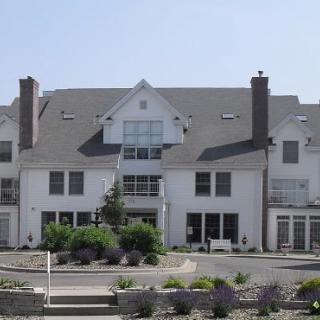
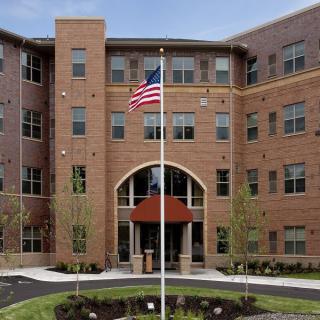
Bridges Mn in Saint Paul, MN

1932 University Avenue W, Saint Paul, MN 55104

For more information about senior living options: (844) 490-3973

2.9 from 40 reviews
5 stars
16
4 stars
3
3 stars
1
2 stars
0
1 stars
20

Assisted Living

What level of care are you interested in?

Assisted Living

Memory Care

Independent Living

Skilled Nursing Facility

Continuing Care Retirement Community (CCRC)CCRC

Other


Request a tour at Bridges Mn

    Overall Review of Bridges Mn

    Pros

    • pro Terry the maintenance man is awesome and always helps; he can fix anything.
    • pro Bridges' staff are incredibly kind and came to aid during emergencies.
    • pro Bridges acquired an apartment complex a few months back and has been wonderful to work with.
    • pro Zack Horton is an efficient, organized landlord services manager who makes clients feel like a priority.
    • pro The Mankato office is uplifting with a great team atmosphere and great clients.
    • pro Rumi is a great solution for families who want to keep loved ones at home.

    Cons

    • pro The company is fraudulent and abusive to staff and clients.
    • pro It is a money-making machine that shows no care for either clients or staff.
    • pro The program is the worst, with staff ignoring reports and failing to protect vulnerable individuals.
    • pro Management is lazy and unresponsive, failing to answer questions or supervise properly.
    • pro The company allegedly had its license revoked and is unlikely to regain it soon.
    • pro There is no supervision in their buildings, allowing dangerous behavior and drug use among residents.
    • pro Clients report neglect and mistreatment, including disrespect toward those with brain injuries.
    • pro Positive reviews are alleged to be fake, written by employees rather than clients or their families.
    • pro The organization mismanages finances and payroll, with missing petty cash and pay errors.
    • pro The company is racist and discriminatory.

    Review

    This Bridges Mn offering in Saint Paul is best suited for families who want to keep a loved one with special needs living at home or in a family setting while receiving targeted in-home supports. The program's strongest appeal, according to multiple voices, is its compatibility with home-based care models (notably the RUMI program) that let a caregiver stay connected to family life while still accessing professional assistance. When a family's priority is continuity, familiarity, and the flexibility to tailor supports around a home environment, this option can feel like a pragmatic fit. The emphasis on keeping someone out of a traditional facility and in a familiar community can be compelling for those who fear a move to a large, clinical setting.

    That said, serious caveats emerge clearly from the reviews. Families considering Bridges Mn should be prepared for potential governance and supervision gaps that show up in multiple accounts. Several comments allege staff disorganization, inconsistent responsiveness, and even unsafe or uncomfortable conditions in some properties. A recurring thread suggests that while some staff members are capable and caring, the overall operation can feel top?heavy, undertrained, and prone to issues that undermine trust. In short, this is not a hands-off option; it demands active family involvement and careful oversight to mitigate operational risks.

    The main pros - responsive individual staff when they are present, and the ability to remain in a home setting with family nearby - do not consistently balance the most troubling cons. Positive anecdotes highlight maintenance staff who actually fix things promptly and managers who are reachable and helpful, which can meaningfully reduce daily friction for families monitoring in?home care. However, those bright spots do not reliably cancel out concerns about safety, supervision, and administrative conduct raised by other reviewers. Instances of disrepair, unpredictable management, and questions about oversight raise legitimate red flags for families evaluating long-term stability and safety.

    Safety and reliability emerge as the clearest fault lines. Several reviews describe environments lacking sufficient supervision, with residents or staff behaviors that families would rightly view as unacceptable in a care setting. Reports of unaddressed risks, questions about fights or threats among residents, and concerns about drug or alcohol activity point to a level of risk that makes this option less suitable for seniors or vulnerable individuals who require consistent, predictable oversight. When a care plan hinges on stable, responsible staffing and well-maintained facilities, these narratives become hard to overlook.

    For families still exploring options, the practical next step is to verify licensing and regulatory status, demand a clear, written care plan, and request access to a recent quality or safety audit. Ask pointed questions about staff-to-resident ratios, training in handling brain injuries or complex disabilities, and the process for reporting and resolving concerns. Inspect the physical environment with a critical eye for cleanliness, maintenance timeliness, and security controls. Consider whether a similar home-based model offered by Bridges Mn can be paired with an independent, third-party oversight structure to reassure all parties.

    In the end, this community appears best for households that value home-based living and can tolerate a degree of operational variability in exchange for keeping a loved one out of a traditional facility. Those needing consistent, high-stakes oversight, strong disciplinary safeguards, or a proven track record of safe facility management should actively compare alternatives. A candid, thorough assessment - grounded in current licensing status, solid references, and a contemporary safety plan - will determine whether Bridges Mn's home-focused supports can be made truly reliable or whether another provider better aligns with safety, predictability, and the level of professional care required.

    Features

    Housing

    • 21 resident community capacity 21 resident community capacity

    Types of Care

    • Assisted Living Assisted LivingAssisted living facilities provide crucial support and care for seniors who may need help with daily tasks such as medication management, bathing, and meal preparation. These communities offer a safe and comfortable environment where seniors can maintain their independence while receiving the assistance they need to thrive in their golden years.

    Amenities

    • Beauty salon Beauty salonBeauty salons are important for seniors because they provide a space for them to feel pampered, socialize, and maintain their personal grooming and hygiene. Regular visits to a beauty salon can help boost seniors' self-esteem and overall well-being.
    • Cable or satellite TV Cable or satellite TVCable or satellite TV is important for seniors because it provides entertainment, news, and companionship, helping to combat loneliness and boredom. It also offers a wide range of programming options tailored to different interests and preferences.
    • Dining room Dining roomDining rooms are important for seniors as they provide a space for socialization, connection, and nutritious meals. They offer opportunities for residents to bond over shared meals, foster a sense of community, and promote healthy eating habits. Dining rooms also ensure that seniors have access to well-balanced meals tailored to their dietary needs and preferences.
    • Fully furnished Fully furnishedFully furnished senior living communities are important for seniors because they provide convenience, comfort, and a hassle-free moving experience. Seniors can easily settle into their new living space without the stress of having to buy and move furniture. This allows them to focus on enjoying their new home and community.
    • Garden GardenGardens are important for seniors as they provide a peaceful and therapeutic environment for relaxation, physical activity, and socialization. Being in nature has been shown to reduce stress, improve mood, and promote overall well-being. Gardens also offer opportunities for seniors to engage in gardening activities, which can improve mobility, flexibility, and cognitive function. Additionally, gardens create a sense of community and connection with others who share a passion for plants and outdoor spaces.
    • Housekeeping services Housekeeping servicesHousekeeping services are important for seniors because they help maintain a clean and safe living environment, promote independence, and reduce the risk of accidents or illnesses. Additionally, having assistance with household chores can alleviate physical strain and allow seniors to focus on other aspects of their well-being.
    • Kitchenette KitchenetteKitchenettes are important for seniors living in senior living communities because they provide the convenience and independence of being able to prepare simple meals and snacks in the comfort of their own living space. This can help promote a sense of autonomy and well-being for seniors, allowing them to maintain some level of control over their dietary choices and daily routines.
    • Move-in coordination Move-in coordinationMove-in coordination is important for seniors because it helps ease the transition into their new living environment. It ensures that all logistics, such as packing, organizing movers, and setting up utilities are taken care of, allowing seniors to focus on settling in and adjusting to their new home. Having a smooth move-in process can alleviate stress and anxiety, making the transition smoother and more enjoyable for seniors.
    • Outdoor space Outdoor spaceOutdoor spaces are important for seniors as they provide opportunities for physical activity, social interaction, exposure to natural light and fresh air, and a sense of connection to nature. Having access to outdoor spaces can improve overall well-being and quality of life for older adults living in senior communities.
    • Restaurant-style dining Restaurant-style diningRestaurant-style dining is important for seniors because it allows them to enjoy delicious, nutritious meals in a social and upscale setting. This enhances their dining experience, promotes healthy eating habits, and fosters socialization with fellow residents, ultimately contributing to their overall well-being and quality of life.
    • Small library Small librarySmall libraries are important for seniors as they provide access to a variety of reading materials, including books, newspapers, and magazines. This can help stimulate their minds, keep them engaged, and provide a sense of community through book clubs and other social activities. Additionally, reading has been shown to improve cognitive function and overall mental well-being in older adults.
    • Telephone TelephoneTelephones are important for seniors as they provide a lifeline for communication with loved ones, emergency services, and healthcare providers. They offer a sense of security and independence, enabling seniors to stay connected and access assistance when needed.
    • Wi-Fi/high-speed internet available Wi-Fi/high-speed internet availableWi-Fi/high-speed internet is important for seniors to stay connected with loved ones, access online resources, and participate in virtual activities to combat feelings of loneliness and isolation. It also allows them to easily manage healthcare needs, access entertainment, and engage in lifelong learning opportunities.

    Transportation

    • Minneapolis-St Paul International (6 miles away) Minneapolis-St Paul International (6 miles away)

    Care Services

    • 24-hour call system 24-hour call system24-hour call systems are important for seniors because they provide peace of mind and immediate assistance in case of emergencies. This technology ensures that help is always available, promoting safety and security for elderly individuals living alone or in assisted living facilities.
    • 24-hour supervision 24-hour supervision24-hour supervision is important for seniors to ensure their safety, well-being, and access to immediate assistance in case of emergencies or health issues. This constant support provides peace of mind for both seniors and their loved ones, allowing them to age in place with dignity and security.
    • Activities of daily living assistance Activities of daily living assistanceActivities of daily living assistance are important for seniors because they provide essential support with tasks such as eating, bathing, dressing, and mobility. This assistance helps seniors maintain their independence, dignity, and overall quality of life as they age.
    • Assistance with bathing Assistance with bathingAssistance with bathing is crucial for seniors as it helps maintain personal hygiene, prevents infections, and ensures their overall well-being and comfort. It also provides a sense of dignity and independence for seniors who may struggle with this task on their own.
    • Assistance with dressing Assistance with dressingAssistance with dressing is important for seniors because it helps maintain their independence, promotes personal hygiene, prevents accidents and injuries, and improves overall quality of life. This service ensures that seniors can continue to dress comfortably and confidently, despite any physical limitations they may have.
    • Assistance with transfers Assistance with transfersAssistance with transfers is crucial for seniors as it helps prevent falls and injuries, maintains their independence, and ensures they can safely navigate their living environment. It also provides peace of mind for both seniors and their loved ones.
    • Diabetes diet Diabetes dietA diabetes diet is crucial for seniors as it helps manage blood sugar levels, reduce risks of complications, and improve overall health and well-being. By following a balanced and nutritious diet tailored to their specific needs, seniors can better control their diabetes and enhance their quality of life.
    • Meal preparation and service Meal preparation and serviceMeal preparation and service are crucial for seniors as they may have limited mobility or energy to cook nutritious meals. Having access to healthy and convenient food options can ensure they are getting the proper nutrition needed to maintain their overall health and well-being.
    • Medication management Medication managementMedication management is crucial for seniors to ensure they are taking the right medications at the correct dosages and times. This helps prevent adverse drug interactions, reduces the risk of medication errors, and promotes overall health and well-being. Proactive management also allows for adjustments as needed based on changing health conditions or new prescriptions.
    • Mental wellness program Mental wellness programMental wellness programs are essential for seniors as they promote cognitive stimulation, emotional support, and social engagement. These programs help prevent isolation, depression, and cognitive decline, ultimately enhancing the overall quality of life for older adults.
    • Special dietary restrictions Special dietary restrictionsSpecial dietary restrictions are important for seniors because age-related changes in metabolism and health conditions can make it difficult for their bodies to process certain foods. By following a diet tailored to their specific needs, seniors can maintain their overall health and well-being, manage chronic conditions, and reduce the risk of complications such as malnutrition or food interactions with medications.

    Dining

    • Diabetes diet Diabetes dietA diabetes diet is crucial for seniors as it helps manage blood sugar levels, reduce risks of complications, and improve overall health and well-being. By following a balanced and nutritious diet tailored to their specific needs, seniors can better control their diabetes and enhance their quality of life.
    • Special dietary restrictions Special dietary restrictionsSpecial dietary restrictions are important for seniors because age-related changes in metabolism and health conditions can make it difficult for their bodies to process certain foods. By following a diet tailored to their specific needs, seniors can maintain their overall health and well-being, manage chronic conditions, and reduce the risk of complications such as malnutrition or food interactions with medications.

    Activities

    • Community-sponsored activities Community-sponsored activitiesCommunity-sponsored activities are important for seniors as they provide opportunities for social interaction, mental stimulation, and physical activity. These activities can help improve overall well-being, combat loneliness and isolation, and promote a sense of belonging and purpose among older adults.
    • Resident-run activities Resident-run activitiesResident-run activities are important for seniors as they encourage social interaction, creativity, and a sense of autonomy. These activities empower seniors to stay engaged and active in their community while fostering meaningful connections with their peers.
    • Scheduled daily activities Scheduled daily activitiesScheduled daily activities are important for seniors because they provide structure, socialization, mental stimulation, and physical activity. Engaging in regular activities can improve overall well-being and quality of life for seniors living in a community setting.

    Description

    Bridges Mn in Saint Paul, MN is a vibrant assisted living community that offers a wide range of amenities and care services to ensure the comfort and well-being of its residents. The community provides fully furnished apartments with amenities such as cable or satellite TV, Wi-Fi/high-speed internet, and a small library for leisurely reading. Residents can enjoy delicious meals in the restaurant-style dining area or prepare their own meals in their kitchenettes. Housekeeping services are available to keep the apartments clean and tidy.

    At Bridges Mn, residents receive 24-hour supervision and assistance with activities of daily living, including bathing, dressing, and transfers. The dedicated staff also provides medication management to ensure residents take their medications on time. The community offers special dietary options such as diabetes diets and accommodates special dietary restrictions to cater to each resident's individual needs.

    Residents have access to various activities throughout the day, including resident-run activities and scheduled daily activities organized by the community. Additionally, the community is conveniently located near three cafes, twelve parks for outdoor recreation, eleven pharmacies for easy access to medication, four physicians for medical care, thirty-three restaurants for dining options, two transportation options for convenient travel, four places of worship nearby for spiritual support, one theater for entertainment options, and seven hospitals in case of any medical emergencies.

    Overall, Bridges Mn provides a comfortable and supportive environment where residents can maintain their independence while receiving the necessary care services they need.

    Nearby Places of Interest

    Restaurants

    • Dubliner Pub (0.5 miles)
    • BlackStack Brewing (0.6 miles)
    • Taco Bell (0.7 miles)
    • Brew Hall (0.8 miles)
    • Surly Brewing Company (1.8 miles)
    • Bole' Ethiopian Cuisine (1.9 miles)
    • Giggles' Campfire Grill - Minnesota State Fair (2.1 miles)

    Physicians

    • Dermatology Consultants P.A. (0.9 miles)
    • HealthPartners Health Center for Women Clinic St Paul (1.4 miles)
    • Parkway Family Physicians (2.7 miles)
    • Whittier Clinic (4.8 miles)

    Cafes

    • Roundtable Cof (1 miles)
    • Groundswell (1.2 miles)
    • Starbucks (2.2 miles)
    • Dunn Brothers Coffee (5.1 miles)

    Pharmacies

    • CVS Pharmacy (1.2 miles)
    • Walgreens (2.6 miles)
    • Walgreens (2.7 miles)
    • Walgreens (2.7 miles)
    • Walgreens (2.9 miles)
    • Walgreens (3.1 miles)
    • Target Pharmacy (3.1 miles)

    Transportation

    • Minnesota State Fair Transit Hub (1.8 miles)
    • Union Depot (4.7 miles)
    • Concourse D (5.2 miles)
    • Concourse E (5.2 miles)
    • Escape Lounge (5.2 miles)
    • Delta Sky Club (5.3 miles)
    • Concourse C (5.3 miles)

    Places of Worship

    • St George Greek Orthodox Church (2 miles)
    • WW Studio (2.7 miles)
    • Cathedral of St Paul (3.6 miles)
    • Westminster Presbyterian Church (4.7 miles)

    Parks

    • Como Park (2.1 miles)
    • Longfellow Park (2.2 miles)
    • Franklin Terrace Off-Leash Dog Park (2.3 miles)
    • Wabun Picnic Area (3.1 miles)
    • Lake Hiawatha Park (3.4 miles)
    • Minnehaha Falls Dog Park (3.7 miles)
    • Hidden Falls Park (3.8 miles)

    Hospitals

    • University of Minnesota Medical Center - East Bank Campus (2.6 miles)
    • United Hospital Joint Relacement Center (3.7 miles)
    • VA Medical Center (4 miles)
    • St Joseph's Hospital-St Paul (4 miles)
    • Hennepin County Medical Center (4.1 miles)
    • Csc Gi Lab (4.1 miles)
    • Regions Hospital Burn Center (4.3 miles)

    Theaters

    • AMC Rosedale 14 (3.9 miles)

    Frequently Asked Questions

    Where is Bridges Mn?

    Nearby Communities

    • Tlc Hc Of The Twin Cities

      Tlc Hc Of The Twin Cities

      St Paul, MN

      3 from 4 reviews
       

      pro Small, intimate assisted living with comprehensive care and abundant amenities.

    • Care Home Care

      Care Home Care

      St Paul, MN

      5 from 2 reviews
       

      pro Intimate 21-bed community with 24/7 supervision and comprehensive care; strong access to nearby healthcare and social amenities.

    • Safe & Compassionate Home Care

      Safe & Compassionate Home Care

      St Paul, MN

      4 from 4 reviews
       

      pro 24/7 supervision with ADL assistance, medication management, wellness program, and transportation to medical appointments.

    • Wicare Homecare Services II

      Wicare Homecare Services II

      St Paul, MN

       
      $4,500 / month

      pro Affordable private-room price compared to local/state averages.

    • Firstat

      Firstat

      St. Paul, MN


      pro Prime location with abundant nearby amenities (parks, cafes, healthcare, transportation, worship, entertainment, and hospitals) in St. Paul.

    • Wicare Homecare Services I

      Wicare Homecare Services I

      St Paul, MN

      1 from 1 review
       

      pro 24/7 supervision with comprehensive ADL support, medication management, and restaurant-style dining in furnished units with Wi?Fi.

    • Carondelet Village

      Carondelet Village

      Saint Paul, MN

      5 from 2 reviews
       

      pro Warm, skilled staff and a welcoming, home-like environment.

    • New Perspective Senior Living | Highland Park

      New Perspective Senior Living | Highland Park

      Saint Paul, MN

      4.3 from 81 reviews
      $2,272 to $3,769 / month

      pro Caring staff and engaging activities create a warm, supportive environment.

    • Minnehaha Senior Living

      Minnehaha Senior Living

      Minneapolis, MN

      3.7 from 64 reviews
      $3,300 to $3,875 / month

      pro Clean facility with friendly staff and engaging activities.

    Related Resources

    • assisted living activitiesBeyond the Bingo Hall: 50+ Enriching Activities for Seniors in Assisted Living

      Assisted living communities offer diverse activities beyond traditional games to enhance seniors' physical health, cognitive well-being, emotional enrichment, and social connections, including fitness classes, creative expression, and intergenerational interactions. These enriching programs foster community bonds and support residents' independence and happiness.

    • assisted living vs memory careUnderstanding the Distinctions: Assisted Living and Memory Care Explained

      The article differentiates between assisted living and memory care, explaining that assisted living supports seniors with daily activities while promoting independence, whereas memory care provides specialized services for individuals with dementia, focusing on secure environments and cognitive support. It also addresses staff training, safety considerations, costs, family involvement, and transition strategies for families navigating these care options.

    • elderly parent refuses assisted livingGuiding Elderly Parents Who Refuse Assisted Living: 6 Practical Steps

      Family caregivers face emotional, legal, and practical challenges when elderly parents refuse assisted living, often due to fears of losing autonomy. Open conversations and professional assessments can help address these concerns while exploring alternatives and ensuring safety, potentially leading to legal guardianship if necessary.


    Get Pricing Ask A Question Schedule A Tour Contact Senior Advisor