For more information about senior living options: (866) 208-4318
3.8 from 51 reviews
5 stars
22
4 stars
12
3 stars
6
2 stars
6
1 stars
5
Dellwood Gardens Costs & Pricing
Dellwood Gardens offers competitive pricing for its residential care options, with costs significantly lower than both Ramsey County and the broader state of Minnesota. For a semi-private room, residents pay $3,720 per month, which is notably less than the county average of $3,915 and the state average of $4,051. Similarly, those seeking a private room will find Dellwood's rate of $4,830 to be more affordable compared to Ramsey County's $5,162 and Minnesota's overall rate of $5,090. These cost advantages position Dellwood Gardens as an attractive choice for individuals and families exploring quality care options that also prioritize value.
Floor plans
Dellwood Gardens
Ramsey County
Minnesota
Semi-Private
$3,720
$3,915
$4,051
Private
$4,830
$5,162
$5,090
Memory care communities with a similar price nearby
Residents and families specifically praise the memory care experience.
Several reviews describe the memory care unit as a positive fit, with residents engaged through activities and staff who are described as friendly and patient. Families also mention medication management and daily support, while one review emphasizes the resident has a key and space that feels less institutional. There are also comments that memory care was still in progress for opening dates, which is something to confirm directly.
common12 reviews mention this
Caregivers are often praised
Staff are frequently described as helpful, patient, and caring.
Across many reviews, residents and family members say staff are polite, helpful, and attentive to needs. Some reviewers single out staff for shared expertise and for assisting families with decisions, as well as responding when residents request help. A few negative reviews counter this with complaints about rudeness and staff attention, but positive experiences still show up repeatedly.
common5 reviews mention this
Food is a mixed picture
Meals and food quality receive both praise and complaints.
Several residents and families say the meals are wonderful, tasty, and well balanced, and one review notes a choice of foods in memory care. Others describe dietary coordination and special-diet support as part of the dining experience. Still, at least one review is strongly negative about the food.
caveat6 reviews mention this
Staffing and responsiveness concerns
Some reviews raise concerns about staffing coverage and responsiveness.
Multiple reviewers describe periods when staffing feels insufficient, including nights and weekends when getting help with meals can be delayed. Others mention frequent turnover among aides and dissatisfaction with how some aides or nurses interact with residents. There are also practical communication issues mentioned, like limited phone availability and the need to improve building entry procedures.
common4 reviews mention this
Clean, comfortable, home-like feel
Common areas and apartments are described as clean and comfortable.
Some reviews focus on how clean the community looks and describe the setting as comfortable and inviting. A few comments also use broad positive language about the appearance of the community and how it feels for visitors. One review includes a severe pest-related complaint, so cleanliness may be worth asking about in detail.
differentiator2 reviews mention this
Pricing is below county and state
Pricing falls below both the county and state benchmarks across unit types.
Pricing is positioned below the county and state comparisons for both semi-private and private units. If you’re budgeting around a specific move-in timeline, it can help to confirm the current rate range and what’s included for care support.
How we summarize
Counts show how many written reviews mention each theme; a review can touch several themes, and only frequently mentioned themes are displayed.
Features
Housing
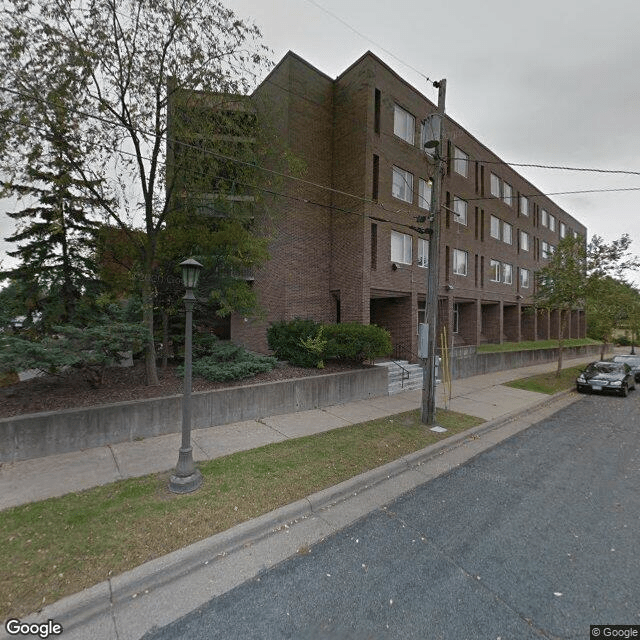
21 resident community capacity
Types of Care
Assisted Living
Memory Care
Amenities
Activities on-site
Beauty salon
Cable or satellite TV
Devotional services off-site
Dining room
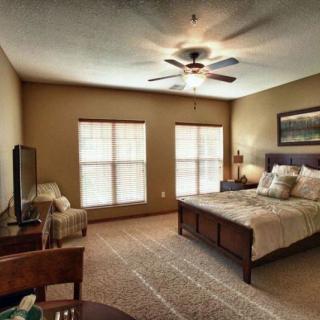
Fully furnished
Garden
Housekeeping services
Indoor common areas
Kitchenette
Move-in coordination
Outdoor space
Telephone
Wi-Fi/high-speed internet available
Transportation
Minneapolis-St Paul International (9 miles away)
Care Services
24-hour call system
24-hour supervision
Activities of daily living assistance
Ambulatory care
Assistance with bathing
Assistance with dressing
Assistance with transfers
Coordination with health care providers
Dementia waiver
Diabetes diet
Diabetic care
Hospice waiver
Meal preparation and service
Medication management
Mental wellness program
Mild cognitive impairment
Special dietary restrictions
Specialized memory care programming
Transportation arrangement (medical)
Transportation to doctors appointments
Dining
Diabetes diet
Meals provided
Special dietary restrictions
Activities
Activities on-site
Community-sponsored activities
Devotional activities offsite
Resident-run activities
Scheduled daily activities
Nearby Places of Interest
This part of St. Paul, Minnesota offers a wide range of amenities and services that cater to the needs of seniors. The area is home to several reputable hospitals, such as Regions Hospital Burn Center and St Joseph's Hospital-St Paul, providing easy access to quality healthcare. In addition, there are numerous pharmacies and physicians' offices nearby, ensuring that medical needs are easily met. For leisure and recreation, residents can enjoy visits to parks like Flicek Park and Como Park, as well as dining options at restaurants like The Bulldog Lowertown and Citizen Supper Club. With convenient access to transportation hubs like Union Depot and proximity to places of worship, this area provides a comfortable and welcoming environment for seniors looking to settle down in a vibrant community within St Paul.
Restaurants
The Bulldog Lowertown (1.1 miles)
Citizen Supper Club (1.6 miles)
Cossetta's Italian Market & Pizzeria (2 miles)
Karen Thai food (2.3 miles)
White Castle (3 miles)
Burger Time (3.1 miles)
McCarron's Pub and Grill (3.3 miles)
Transportation
Union Depot (1.2 miles)
Minnesota State Fair Transit Hub (5.4 miles)
Hospitals
Regions Hospital Burn Center (1.2 miles)
St Joseph's Hospital-St Paul (1.7 miles)
United Hospital Joint Relacement Center (2.3 miles)
Dellwood Gardens offers competitive pricing for its residential care options, with costs significantly lower than both Ramsey County and the broader state of Minnesota. For a semi-private room, residents pay $3,720 per month, which is notably less than the county average of $3,915 and the state average of $4,051. Similarly, those seeking a private room will find Dellwood's rate of $4,830 to be more affordable compared to Ramsey County's $5,162 and Minnesota's overall rate of $5,090. These cost advantages position Dellwood Gardens as an attractive choice for individuals and families exploring quality care options that also prioritize value.
Dellwood Gardens enhances the quality of life for residents with dementia and Alzheimer's through comprehensive support tailored to their unique needs. Assistance with dressing, bathing, and transfers ensures that residents maintain personal hygiene and dignity, while 24-hour supervision provides a safe environment where they are closely monitored for their well-being. Medication management is critical in preventing complications due to missed doses or incorrect administration, promoting better health outcomes. Meal preparation and service cater to specific dietary requirements, ensuring nutrition is both appealing and appropriate. Transportation arrangements facilitate access to medical appointments, while coordination with healthcare providers streamlines communication about each resident's care plan. Activities of daily living assistance empowers individuals to engage in familiar routines, fostering independence despite cognitive challenges. The dementia waiver allows for specialized programs designed specifically for those impacted by memory loss, including mental wellness initiatives that promote emotional health. Additionally, targeted programming for mild cognitive impairment keeps residents active and engaged mentally, contributing to a holistic approach in memory care services.
Nearby Communities
Crawford Senior Care
St Paul, MN
3 from 4 reviews
Fully furnished assisted living with 24-hour care, medication management, diabetes-friendly meals, and mental wellness/activities.
Cambric
Saint Paul, MN
4 from 53 reviews
$997 to $4,995 / month
Peaceful 55+ community with spacious apartments, full kitchens, attentive staff, and on-site amenities like a clubhouse and activities.
Home Care Givers
St Paul, MN
3 from 4 reviews
24/7 caregiver support with medical coordination and dietary/transport services.
Labor Plaza Apartments
St. Paul, MN
3.6 from 7 reviews
Independent living with emphasis on freedom and self-reliance; external nursing care options available.
Phalen Senior Lofts
Saint Paul, MN
4 from 25 reviews
$944 to $1,044 / month
Diligent management, clean, friendly community; notably affordable rents for the area.
Kindly Care Resident
St Paul, MN
Small, intimate community with 24/7 supervision, comprehensive care, and restaurant-style dining.
Phalen Shores Apartments
Saint Paul, MN
2.5 from 27 reviews
$825 to $900 / month
Clean, well-maintained units with friendly staff and heat included.
Humboldt Apartments Senior
St. Paul, MN
Convenient access to amenities (cafes, parks, pharmacies, hospitals, restaurants, theaters).
Rosoto Villa - RPS Legacy
Maplewood, MN
4.7 from 7 reviews
$1,075 to $1,295 / month
Welcoming atmosphere with an active community and private in-unit washers/dryers.
Reminiscence therapy helps individuals with dementia recall past memories through structured discussions and meaningful objects, enhancing mood, relationships, and sense of identity while celebrating their lives. It can be practiced in formal settings or at home, requiring sensitivity to personal histories and cultural backgrounds.
Reminiscence therapy is a structured method for older adults, especially those with dementia, to share life stories using prompts and sensory cues, fostering emotional well-being, social engagement, and self-identity. It aims to improve quality of life by enhancing interpersonal connections and cognitive stimulation while requiring careful facilitation to avoid distressing memories.
Dementia, particularly Lewy body dementia, often involves hallucinations that can significantly distress both patients and caregivers due to disruptions in sensory processing and neurotransmitter imbalances. Effective management includes compassionate communication, environmental adjustments, and a multidisciplinary approach to care while addressing the emotional needs of caregivers.
Get PricingAsk A QuestionSchedule A TourContact Senior Advisor
By clicking submit, you agree to our Partner's Terms of Use. You
also consent to receive calls and texts, which may be autodialed, from our Partner. Your consent is not a condition to
using our Partner's service. Please visit our Partner's Privacy Policy for information about their privacy practices.

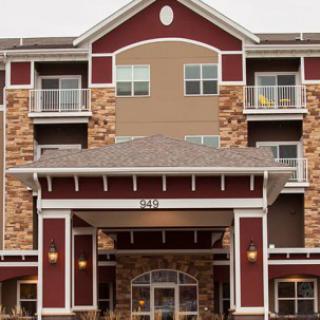
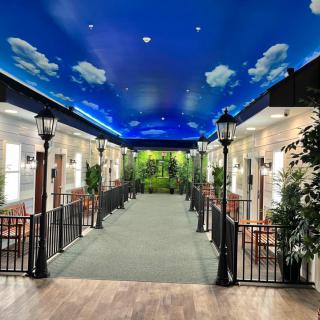
 21 resident community capacity
 Assisted Living
 Memory Care
 Activities on-site
 Beauty salon
 Cable or satellite TV
 Devotional services off-site
 Dining room
 Fully furnished
 Garden
 Housekeeping services
 Indoor common areas
 Kitchenette
 Move-in coordination
 Outdoor space
 Telephone
 Wi-Fi/high-speed internet available
 Minneapolis-St Paul International (9 miles away)
 24-hour call system
 Ambulatory care
 Assistance with bathing
 Assistance with dressing
 Assistance with transfers
 Diabetes diet
 Diabetic care
 Hospice waiver
 Meal preparation and service
 Medication management
 Mental wellness program
 Special dietary restrictions
 Transportation arrangement (medical)
 Transportation to doctors appointments
 Fully furnished assisted living with 24-hour care, medication management, diabetes-friendly meals, and mental wellness/activities.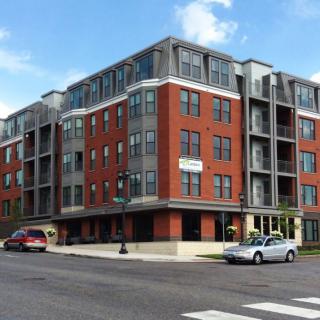
 Exploring the Power of Reminiscence Therapy for Individuals With Dementia
 An In-Depth Look at Reminiscence Therapy in Dementia Care
 Dementia-Related Hallucinations: Causes, Experiences, and Practical Approaches