Highland on Graham offers competitive pricing for its residents, particularly when compared to both Ramsey County and the broader state of Minnesota. For a semi-private room, residents can expect to pay $3,000 per month, which is notably lower than the county average of $3,915 and the state average of $4,051. This presents a significant opportunity for individuals seeking affordability without compromising quality. Additionally, while studio apartments at Highland on Graham are priced at $4,000 monthly, they remain within a reasonable range when juxtaposed with Ramsey County's average of $3,546 and Minnesota's overall average of $3,617. These figures indicate that Highland on Graham is positioned as an attractive option for those considering senior living arrangements in a cost-effective manner.
Floor plans
Highland on Graham
Ramsey County
Minnesota
Semi-Private
$3,000
$3,915
$4,051
Studio
$4,000
$3,546
$3,617
Memory care communities with a similar price nearby
Residents and families consistently describe staff as caring, cheerful, and responsive.
Across the reviews, people repeatedly highlight staff who feel personally invested in residents—greeting people by name and knowing preferences. Multiple reviewers also mention staff being cheerful, professional, and helpful during both day-to-day care and the moving or admissions experience. Several say management and nursing coordination teams were supportive, which helped families feel comfortable with care transitions.
common6 reviews mention this
Activities keep residents engaged
Residents describe a steady mix of activities that helps them stay socially engaged.
Reviewers mention group activities like bingo and weekly mass, along with other musical and holiday events. Several say their loved ones enjoyed the activities and made friends through the community. One reviewer also points to activities staff as part of an overall positive experience.
common5 reviews mention this
Dining room is a highlight
The dining experience stands out in multiple resident and family reviews.
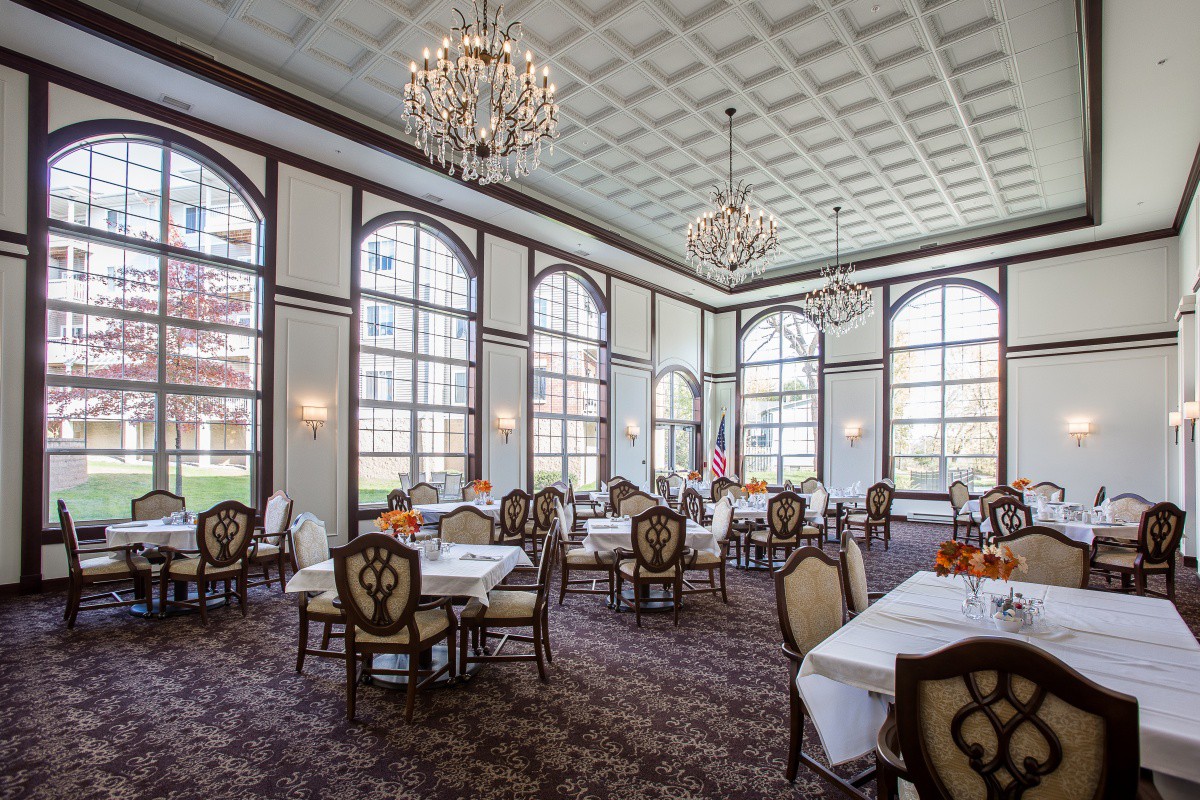
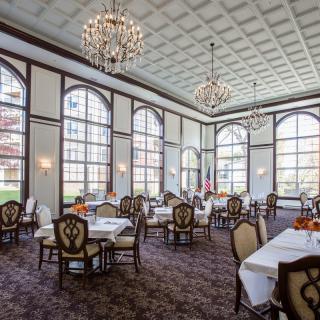
Residents and families comment on the dining room and meals, describing it as enjoyable and visually appealing. A reviewer specifically notes that the community knows dinner preferences, and another mentions a positive lunch experience. One review also references that a family member enjoys the food.
common6 reviews mention this
Clean, bright spaces throughout
Many reviews emphasize cleanliness, brightness, and well-kept common areas.
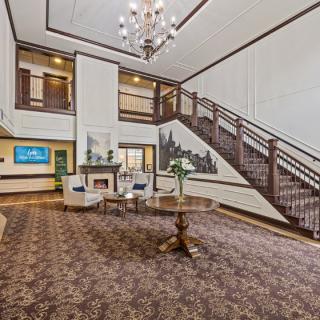
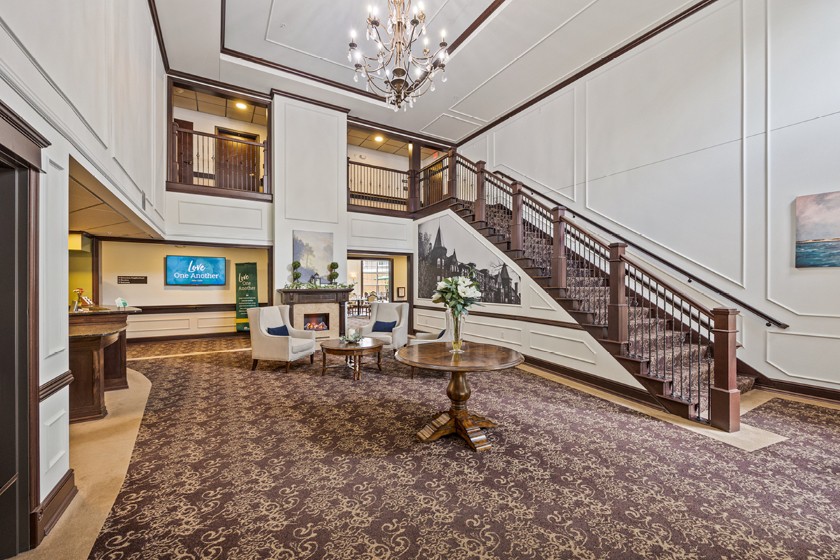
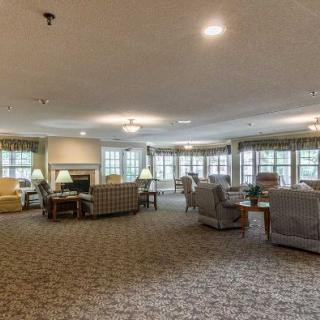
Several reviewers describe the facility as clean, fresh, and bright, with a well-maintained appearance. People also mention inviting common areas—such as wide, well-lit hallways—and updated, beautiful spaces. A few reviewers specifically reference the look and feel of the interiors during tours or after moving in.
How we summarize
Counts show how many written reviews mention each theme; a review can touch several themes, and only frequently mentioned themes are displayed.
Features
Types of Care
Assisted Living
Memory Care
Amenities
Activities on-site
Devotional services off-site
Indoor common areas
Transportation
Minneapolis-St Paul International (2 miles away)
Care Services
Ambulatory care
Diabetic care
Dining
Meals provided
Activities
Activities on-site
Devotional activities offsite
Nearby Places of Interest
This part of Saint Paul, Minnesota, offers a diverse range of amenities and services that cater to the needs of seniors. With several parks nearby such as Hidden Falls Park and Lake Hiawatha Park, residents can enjoy outdoor activities and leisurely walks. The proximity to hospitals like the VA Medical Center and pharmacies like Walgreens ensures easy access to healthcare services and medication. Additionally, there are various dining options including Twins Grill and Sea Salt Eatery, as well as cafes like Starbucks for socializing and enjoying meals. With physicians' offices like Parkway Family Physicians in close vicinity, seniors can easily access medical care. Places of worship like St George Greek Orthodox Church provide spiritual support for those seeking it. Overall, this area offers a well-rounded environment for senior living with convenient transportation options and entertainment facilities such as AMC Inver Grove 16 theater nearby.
Parks
Hidden Falls Park (0.5 miles)
Minnehaha Falls Dog Park (1 miles)
Wabun Picnic Area (1.7 miles)
Bossen Field (2.5 miles)
Lake Hiawatha Park (3.2 miles)
Taft Park (3.4 miles)
Longfellow Park (3.5 miles)
Hospitals
VA Medical Center (1.2 miles)
United Hospital Joint Relacement Center (4.7 miles)
St Joseph's Hospital-St Paul (5.3 miles)
University of Minnesota Medical Center - East Bank Campus (5.6 miles)
Regions Hospital Burn Center (5.8 miles)
Pharmacies
Walgreens (1.4 miles)
Walgreens (2.4 miles)
CVS Pharmacy (2.9 miles)
Walgreens (3 miles)
Walgreens (3.8 miles)
Walgreens (4.3 miles)
Hy-Vee Pharmacy (4.4 miles)
Transportation
Concourse A (1.5 miles)
Delta Sky Club (1.6 miles)
Concourse C (1.6 miles)
Concourse D (1.7 miles)
Minneapolis–Saint Paul International Airport (MSP) (1.7 miles)
Highland on Graham offers competitive pricing for its residents, particularly when compared to both Ramsey County and the broader state of Minnesota. For a semi-private room, residents can expect to pay $3,000 per month, which is notably lower than the county average of $3,915 and the state average of $4,051. This presents a significant opportunity for individuals seeking affordability without compromising quality. Additionally, while studio apartments at Highland on Graham are priced at $4,000 monthly, they remain within a reasonable range when juxtaposed with Ramsey County's average of $3,546 and Minnesota's overall average of $3,617. These figures indicate that Highland on Graham is positioned as an attractive option for those considering senior living arrangements in a cost-effective manner.
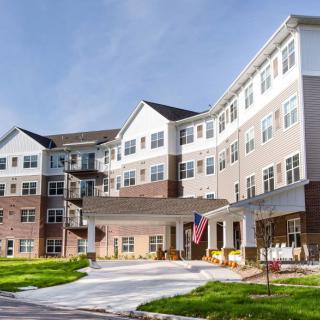
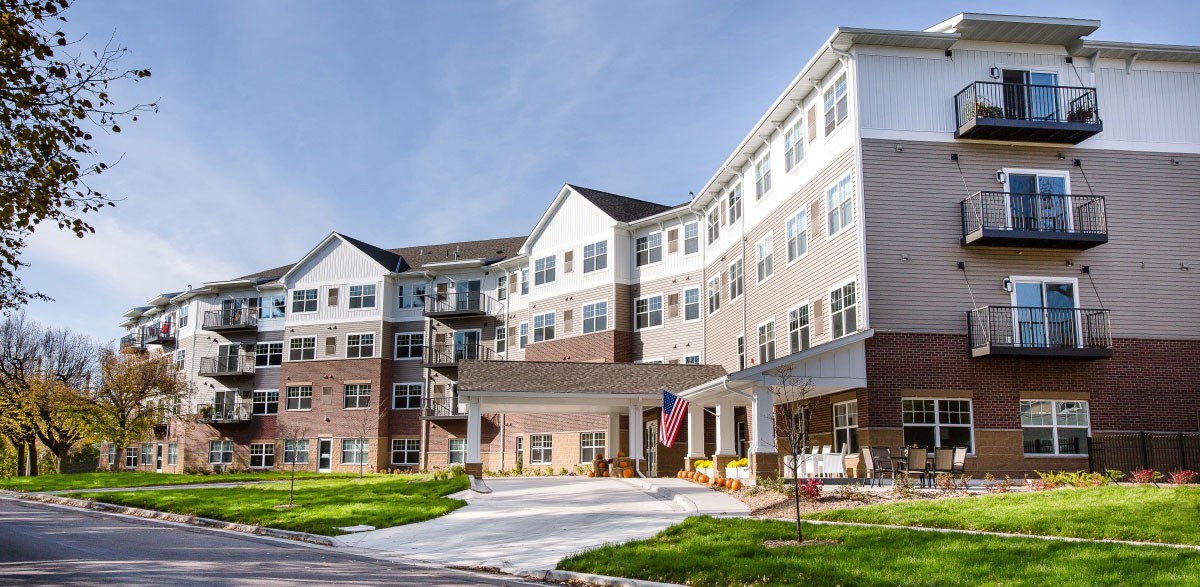
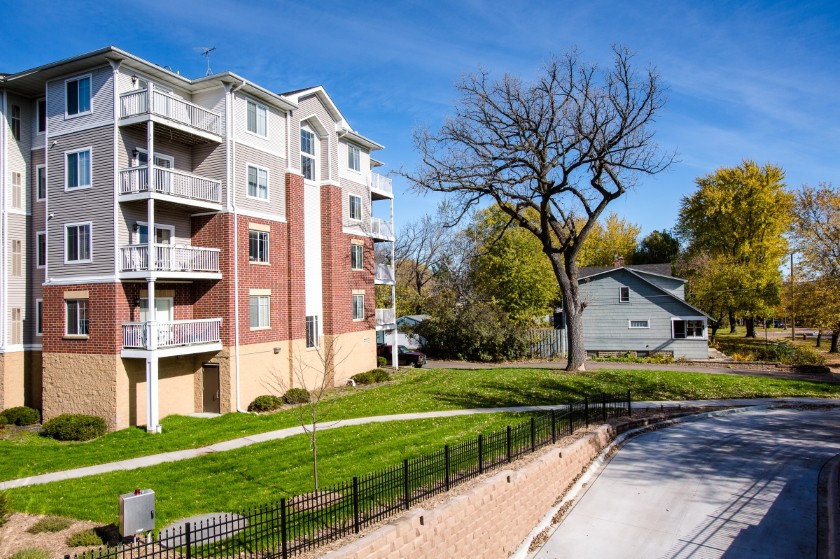
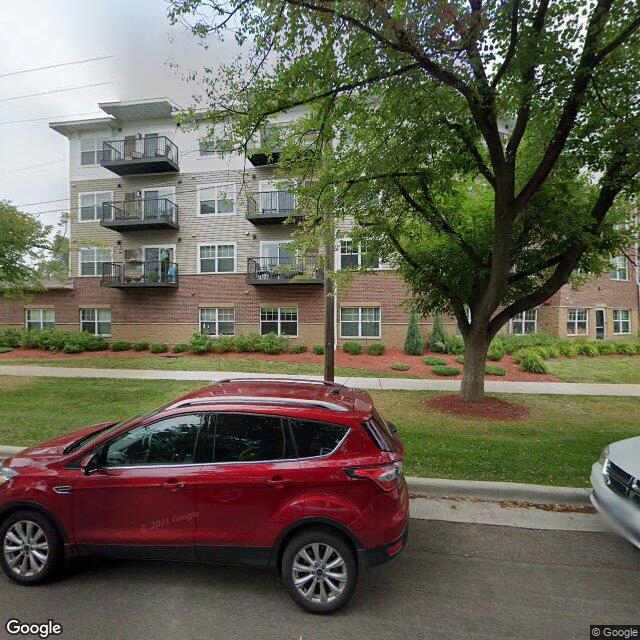
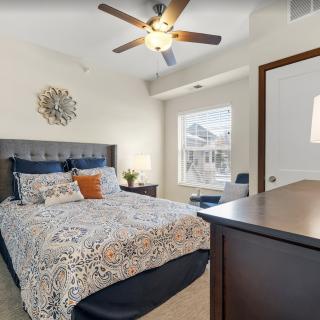
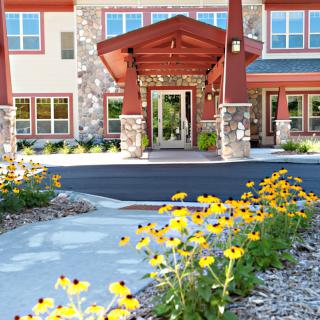
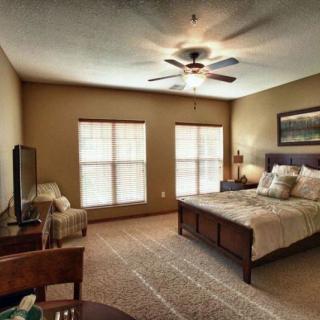
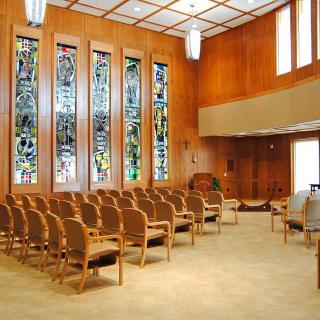
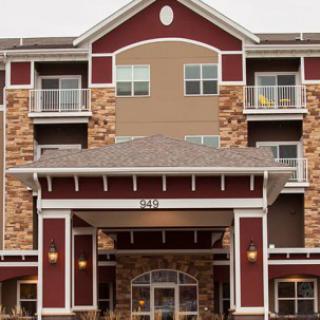
Highland on Graham on seniors.fyi includes 5 photos including images showing interior, chandelier, architecture, lobby, staircase, decor, dining, windows, and more.
Nearby Communities
Highlands on Graham
Saint Paul, MN
3.3 from 14 reviews
$1,135 to $1,360 / month
Well-maintained, home-like community with bright apartments and responsive maintenance.
Highland Gw
St Paul, MN
4.4 from 15 reviews
$5,200 to $5,500 / month
Friendly, attentive staff in a home-like setting with engaging activities.
Riverview Highlands
Saint Paul, MN
5 from 34 reviews
$1,200 to $1,540 / month
Welcoming, well-managed 55+ community with spacious river-view apartments and strong social spaces.
Peaceful Home Assisted Living
St Paul, MN
5 from 1 review
$1,200 / month
Very affordable private room with 24/7 supervision and memory care in a small, home-like setting.
Serenity Living Care
St Paul, MN
5 from 3 reviews
Comprehensive care with 24-hour supervision, medication management, restaurant-style dining, and a mental wellness program.
Shepard Park Home Care
St Paul, MN
4 from 3 reviews
Memory-care focused environment with 24/7 staff, comprehensive daily living support, and convenient access to services.
New Perspective Senior Living | Highland Park
Saint Paul, MN
4.3 from 81 reviews
$2,272 to $3,769 / month
Caring staff and engaging activities create a warm, supportive environment.
Carondelet Village
Saint Paul, MN
5 from 2 reviews
Warm, skilled staff and a welcoming, home-like environment.
Lilydale Senior Living
Lilydale, MN
4.8 from 17 reviews
$3,780 / month
Extensive amenities and responsive, caring staff in a clean, well-designed setting.
Dementia, influenced by aging and certain medications, may be exacerbated by drug classes such as anticholinergics, benzodiazepines, and antipsychotics, which are associated with cognitive impairment. Regular medication reviews by healthcare professionals are crucial for older adults to manage risks and optimize cognitive health.
Dementia often results in disrupted sleep patterns, leading to excessive daytime sleeping due to factors like brain damage affecting circadian rhythms, medication side effects, and lack of structure in daily activities. Caregivers must monitor these changes closely, as oversleeping can increase risks such as malnutrition or dehydration, and provide necessary support and routines to enhance patient engagement and well-being.
The transition from assisted living to skilled nursing care is often prompted by complex medical needs that assisted living cannot meet, with key indicators including frequent health declines, increased falls, severe memory issues, and caregiver burnout. Families should recognize these signs early to discuss options with healthcare providers and prepare for the emotional and logistical aspects of moving to a facility that offers comprehensive medical support.
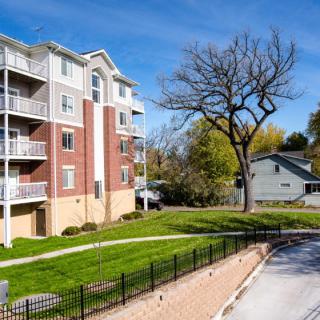
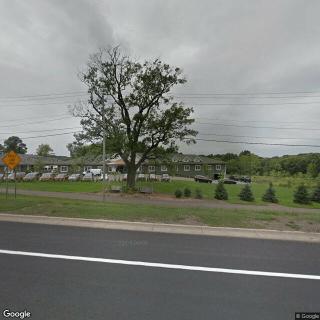
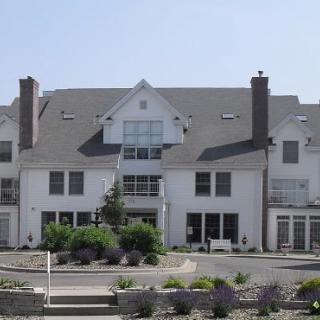
Outdoors, Pathway, Grass, Tree, and Apartment Building
Get PricingAsk A QuestionSchedule A TourContact Senior Advisor
By clicking submit, you agree to our Partner's Terms of Use. You
also consent to receive calls and texts, which may be autodialed, from our Partner. Your consent is not a condition to
using our Partner's service. Please visit our Partner's Privacy Policy for information about their privacy practices.

 Assisted Living
 Memory Care
 Activities on-site
 Devotional services off-site
 Indoor common areas
 Minneapolis-St Paul International (2 miles away)
 Ambulatory care
 Diabetic care
 Meals provided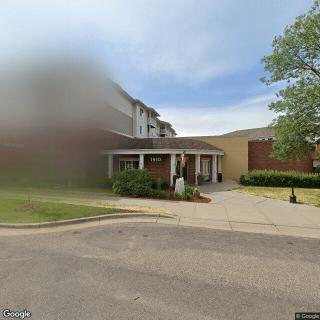
 Well-maintained, home-like community with bright apartments and responsive maintenance.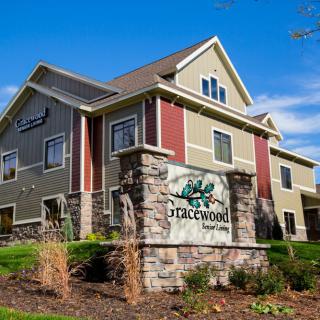

 A Thorough Discussion of Medications Potentially Linked to Dementia Risk
 Why Do Dementia Patients Sleep So Much? Understanding Oversleeping, Stages, and Care Approaches
 8 Key Indicators That Suggest It May Be Time to Transition from Assisted Living to Skilled Nursing Care