The Fountains at Hosanna offers competitive pricing for its accommodations when compared to Scott County and the state of Minnesota. For a studio, residents can expect to pay $3,340 per month, which is notably lower than the county average of $4,232 and slightly below the state average of $3,617. Similarly, the one-bedroom units are priced at $3,355 per month, higher than the county's cost of $3,210 but still more costly than the state's average of $2,893. In contrast, two-bedroom units at The Fountains are priced at $4,440 per month. This figure exceeds both the Scott County rate of $3,326 and Minnesota's average of $2,955. Overall, while some room types may reflect a higher cost relative to local trends, The Fountains at Hosanna remains an appealing option for many seeking quality living arrangements in a supportive community environment.
Floor plans
The Fountains at Hosanna
Scott County
Minnesota
Studio
$3,340
$4,232
$3,617
1 Bedroom
$3,355
$3,210
$2,893
2 Bedrooms
$4,440
$3,326
$2,955
Memory care communities with a similar price nearby
Residents and families consistently describe staff who communicate well and treat people with dignity.
Many reviewers describe staff as caring, attentive, and easy to work with, with frequent mentions of residents being treated respectfully. Several families also talk about communication and responsiveness when concerns come up, including staff helping smooth transitions into different levels of care. Across both personal care experiences and longer stays, reviewers repeatedly say the staff feels invested in residents as people rather than just completing tasks.
differentiator8 reviews mention this
Dining earns repeated praise
Dining is a clear strength, with residents describing consistently strong meals.
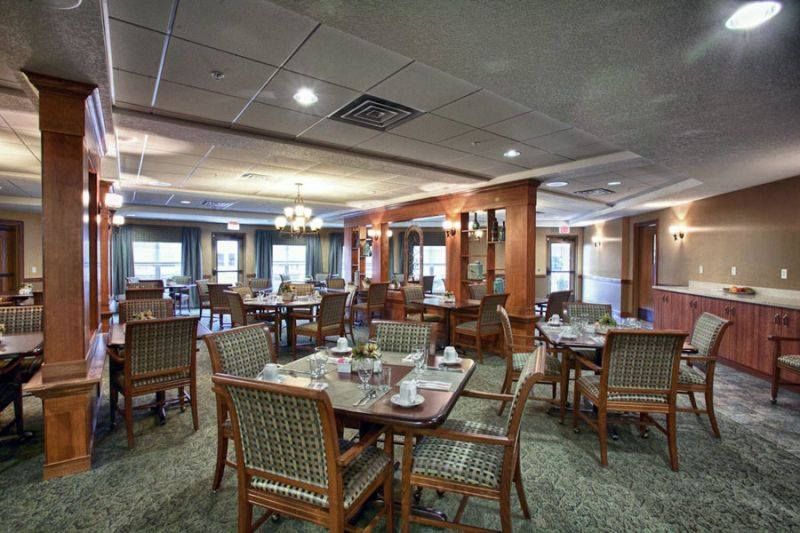
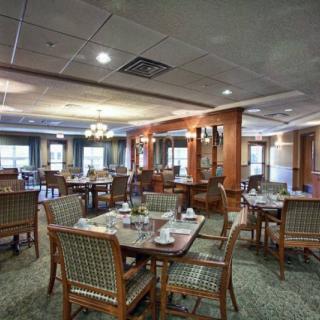
Multiple reviews highlight the dining experience as a reason to feel comfortable day to day. Residents and families mention good food served in a dining room and note routines like evening meals, along with overall meal quality. This lines up with the community offering restaurant-style dining and a range of meal plans for dietary needs.
common10 reviews mention this
Activities and spiritual connection
Residents describe an active schedule alongside access to church and devotional support.
Reviewers often mention variety in daily and weekly activities, including classes, outings, and entertainment. Alongside that, several reviews specifically connect the community to church access, chaplain support, and the ability to walk to services even in winter. For families evaluating comfort and belonging, this combination of scheduled life and spiritual options comes up more than once.
differentiator7 reviews mention this
Care for changing needs
Reviewers describe flexibility as needs increase, including help through assisted and memory care.
Several reviews describe residents starting at one level of care and then receiving support as needs changed, with families emphasizing continuity in staying in the same apartment. Others specifically mention helping with higher needs, including personal care support, and describe the memory care environment as a positive move compared with a prior facility. One reviewer also mentions hospice coordination, which reinforces that families saw care continue through major transitions.
caveat2 reviews mention this
Some families question staffing and billing
A small set of reviews raises concerns about care follow-through and billing accuracy.
One family says they did not receive the level of care they believed they were paying for and also reports problems with apartment hygiene, along with billing errors that required repeated disputes. Another review is more direct about staffing and training, describing the facility as understaffed and under-trained. These concerns stand out because many other reviews emphasize attentive service, so it’s worth weighing both perspectives carefully.
How we summarize
Counts show how many written reviews mention each theme; a review can touch several themes, and only frequently mentioned themes are displayed.
Features
Housing
107 resident community capacity
Types of Care
Assisted Living
Independent Living
Memory Care
Pets
Cats allowed
Dogs allowed
Amenities
Activities off-site
Activities on-site
Air-conditioning
Beautician on-site
Beauty salon
Cable or satellite TV
Computer center
Devotional services off-site
Devotional services on-site
Dining room
Fitness room
Fully furnished
Gaming room
Garden
Ground floor units
Housekeeping services
Indoor common areas
Kitchenette
Move-in coordination
Outdoor common areas
Outdoor space
Private bathrooms
Restaurant-style dining
Small library
Telephone
Wellness center
Wheelchair accessible showers
Wi-Fi/high-speed internet available
Transportation
Minneapolis-St Paul International (12 miles away)
Community operated transportation
Transportation arrangement
Transportation arrangement (non-medical)
Care Services
12-16 hour nursing
24-hour call system
24-hour supervision
Activities of daily living assistance
Assistance with bathing
Assistance with dressing
Assistance with transfers
Coordination with health care providers
Diabetes diet
Diabetic care
Meal preparation and service
Medication management
Mental wellness program
Mild cognitive impairment
Special dietary restrictions
Specialized memory care programming
Transportation arrangement (medical)
Transportation to doctors appointments
Dining
Diabetes diet
Gluten-free
Low / no sodium
Meals provided
No Sugar
Organic
Professional chef
Special dietary restrictions
Vegan
Vegetarian
Activities
Art classes
Bible study group
Catholic services
Community-sponsored activities
Concierge services
Cooking classes
Day trips and outings
Devotional activities offsite
Devotional activities on-site
Educational speakers / life long learning
Fitness programs
Karaoke
Live well programs
Other religious services
Planned day trips
Resident-run activities
Scheduled daily activities
Wine tasting
Videos
Nearby Places of Interest
This part of Lakeville, Minnesota offers a variety of amenities suitable for senior living. With several parks nearby, such as Lac Lavon Park and Cleary Lake Regional Park, residents have ample opportunities to enjoy outdoor activities and nature walks. There are also plenty of dining options within a few miles, including McDonald's, Culver's, and The Original Pancake House. Additionally, there are several pharmacies and healthcare facilities in the vicinity, such as Walgreens and Fairview Ridges Specialty Care Center, providing convenient access to medical services. For leisure activities, seniors can visit cafes like Panera Bread or catch a movie at Jj’s Theatre & Draft House. Overall, this neighborhood in Lakeville offers a well-rounded and convenient lifestyle for older individuals looking to settle down in a peaceful yet vibrant community.
Parks
Lac Lavon Park (0.7 miles)
Keller Park (1.1 miles)
Greenhaven Park (1.7 miles)
Foxborough Park (2 miles)
Pine Knoll Park (6.2 miles)
Cleary Lake Regional Park (6.3 miles)
Cleary Lake Off Leash Dog Park (6.9 miles)
Restaurants
McDonald's (1.3 miles)
Culver's (1.7 miles)
The Original Pancake House (2.3 miles)
Burger King (2.4 miles)
Northern Taphouse (2.4 miles)
Taco Bell (2.4 miles)
McDonald's (2.5 miles)
Pharmacies
Walgreens (1.6 miles)
Walgreens (1.7 miles)
Lunds & Byerlys Burnsville (1.9 miles)
CVS Pharmacy (2.5 miles)
Walgreens (2.5 miles)
Walgreens (2.8 miles)
CVS Pharmacy (3 miles)
Physicians
Eisenstadt Allergy & Asthma (1.7 miles)
Fairview Ridges Specialty Care Center (2.5 miles)
Fairview Ridges Specialty Care Center Park Nicollet Obgyn (2.6 miles)
Park Nicollet Clinic and Specialty Center Burnsville (2.6 miles)
The Fountains at Hosanna offers competitive pricing for its accommodations when compared to Scott County and the state of Minnesota. For a studio, residents can expect to pay $3,340 per month, which is notably lower than the county average of $4,232 and slightly below the state average of $3,617. Similarly, the one-bedroom units are priced at $3,355 per month, higher than the county's cost of $3,210 but still more costly than the state's average of $2,893. In contrast, two-bedroom units at The Fountains are priced at $4,440 per month. This figure exceeds both the Scott County rate of $3,326 and Minnesota's average of $2,955. Overall, while some room types may reflect a higher cost relative to local trends, The Fountains at Hosanna remains an appealing option for many seeking quality living arrangements in a supportive community environment.
The Fountains at Hosanna offers a comprehensive approach to memory care by incorporating 24-hour supervision and assistance with activities of daily living, ensuring that residents receive immediate support for their personal needs, from bathing and dressing to transfers. This continuous oversight not only promotes safety but also fosters a sense of security among residents. Coordination with healthcare providers ensures that medical needs are promptly addressed, while medication management helps maintain proper dosing and adherence. The meal preparation and service cater to dietary requirements essential for residents' well-being, while specialized memory care programming and mental wellness initiatives engage cognitive functions, helping to enhance residents' quality of life. Additionally, transportation arrangements for medical appointments provide essential access to further health care services, particularly important for those experiencing mild cognitive impairment or advanced stages of dementia. These features work in concert to create a supportive environment that empowers residents while addressing their unique challenges related to memory loss.
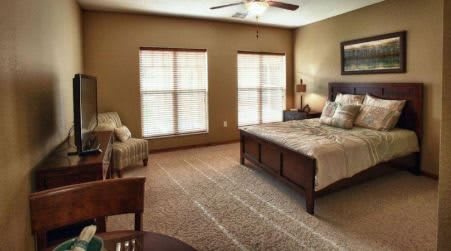
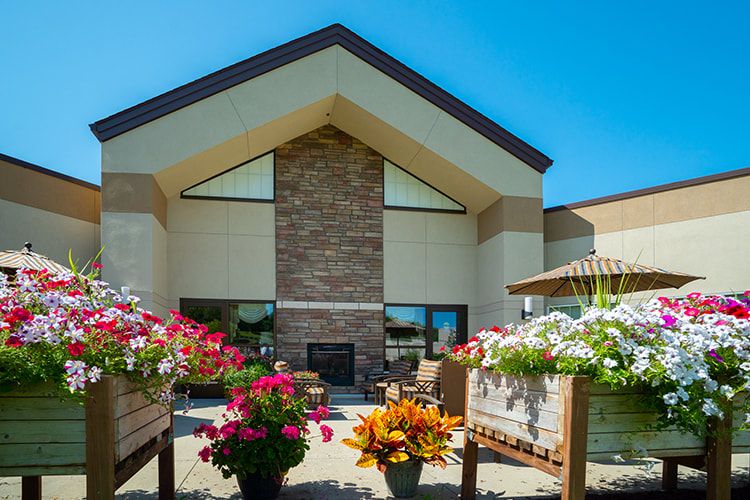
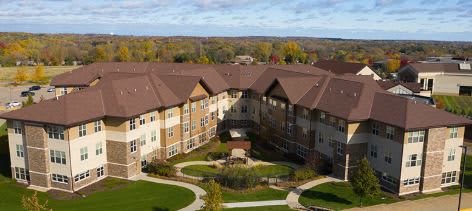
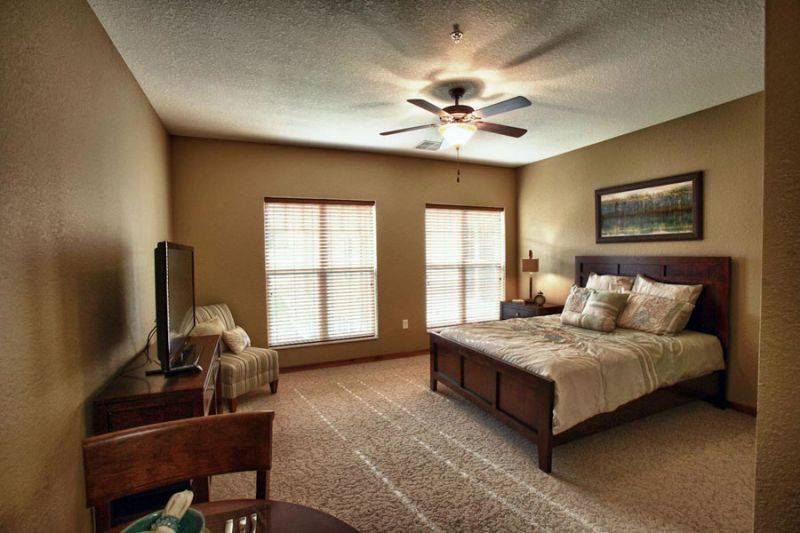
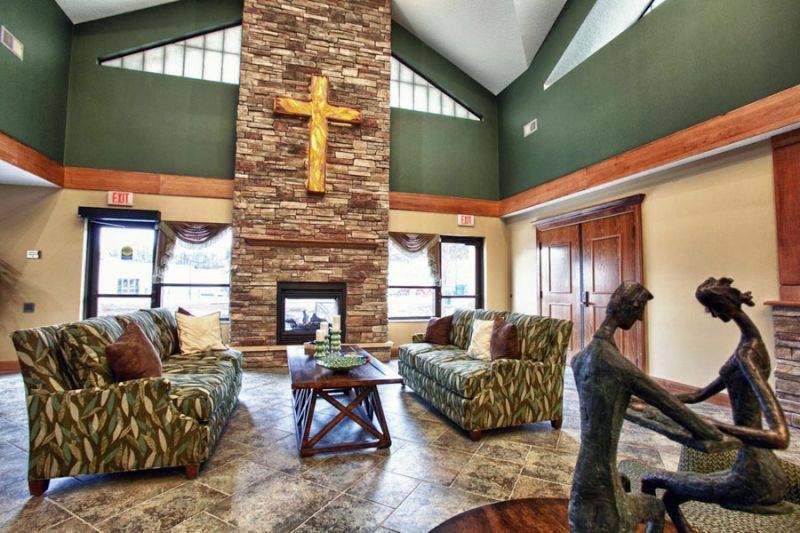
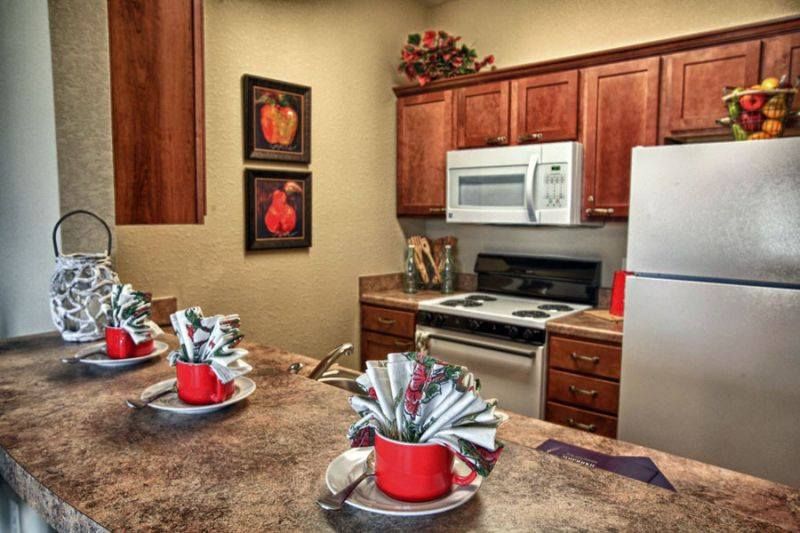
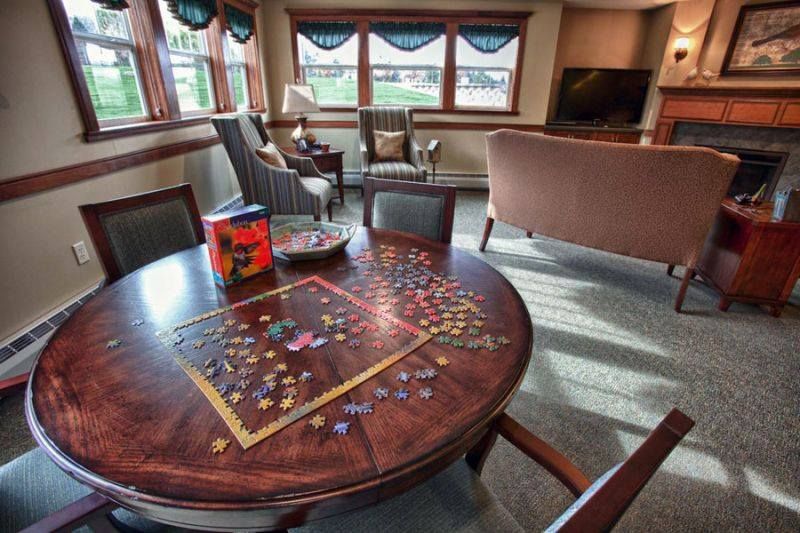
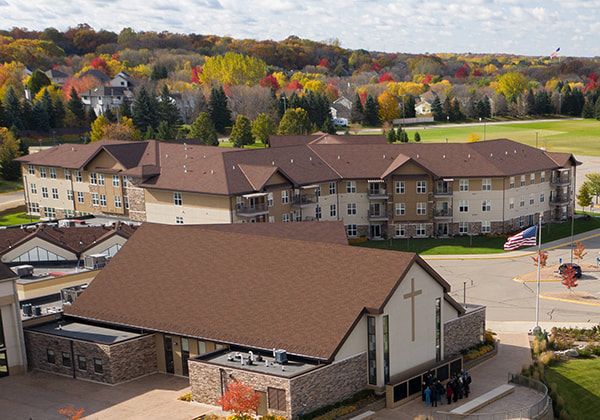
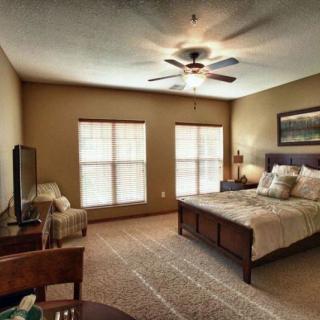
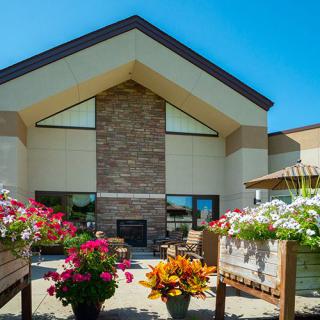
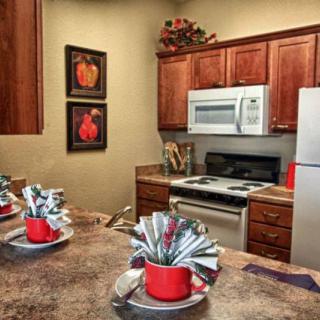
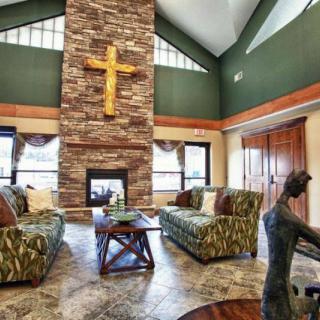
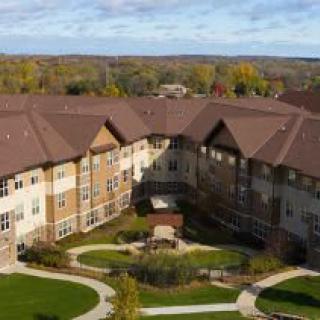
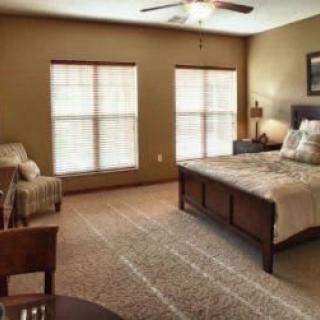
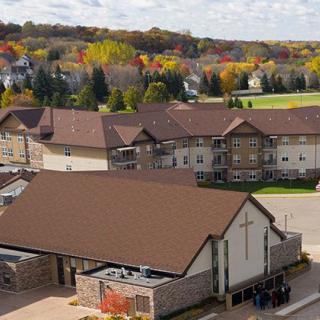
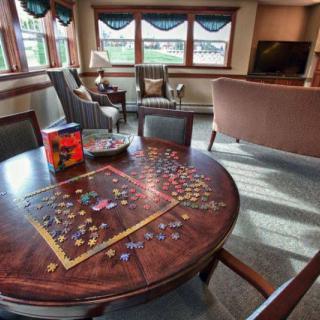
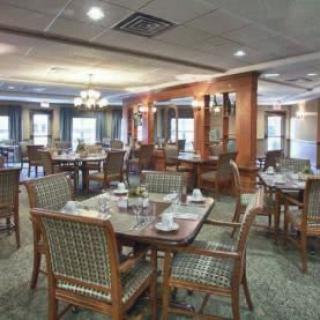
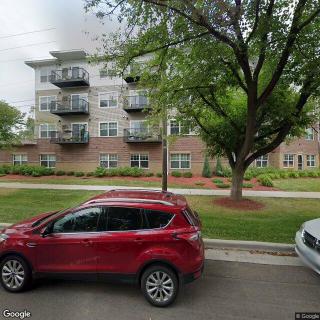
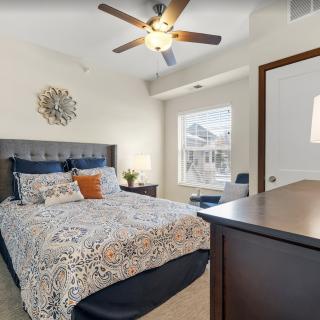
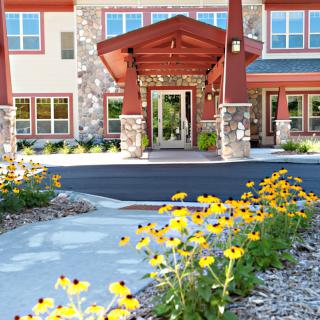
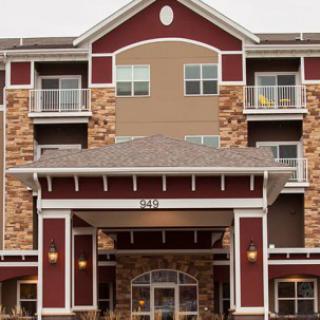
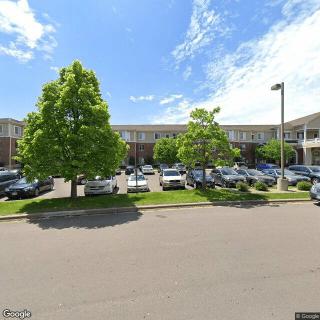
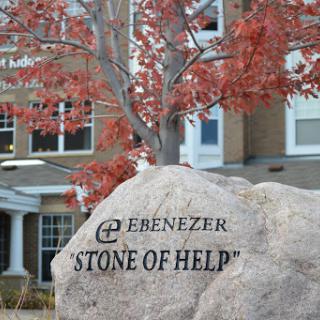
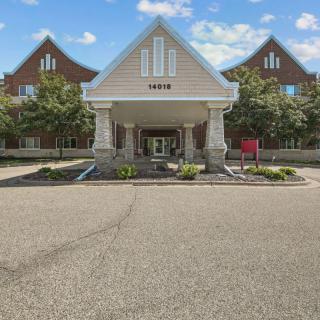
The Fountains at Hosanna on seniors.fyi includes 10 photos including images showing interior, dining, bedroom, windows, landscaping, kitchen, living room, building, and more.
Nearby Communities
Jbs Homes
Lakeville, MN
5 from 4 reviews
$4,500 / month
Intimate, one-on-one care in a home-like setting with home-cooked meals.
Divine Care
Lakeville, MN
1 from 1 review
Comprehensive 24/7 care with medication management, diabetes-friendly dining, and wellness programs in a comfortable setting.
Midwest Residential 5
Burnsville, MN
4 from 4 reviews
Luxurious amenities with comprehensive assisted living services.
Superior Home Care Nursing
Lakeville, MN
Intimate, small-community living with 24/7 supervision and personalized care.
Midwest Homes
Burnsville, MN
4 from 4 reviews
Small, furnished community with comprehensive care.
The Moments Of Lakeville
Lakeville, MN
4.7 from 89 reviews
$7,200 / month
Engaging activities, attentive staff, and quality dining in a modern setting.
Regent at Burnsville
Burnsville, MN
4.4 from 35 reviews
$2,100 to $3,500 / month
Friendly, attentive staff; spacious apartments; and pleasant walking paths around Earley Lake with engaging activities.
Arbor Lane
Burnsville, MN
5 from 31 reviews
Cozy, well-maintained small community with attentive staff and engaging activities.
The Timbers
Apple Valley, MN
4.8 from 36 reviews
$1,535 to $1,730 / month
Friendly staff, an active social environment, and a clean, welcoming atmosphere.
The transition from assisted living to skilled nursing care is often prompted by complex medical needs that assisted living cannot meet, with key indicators including frequent health declines, increased falls, severe memory issues, and caregiver burnout. Families should recognize these signs early to discuss options with healthcare providers and prepare for the emotional and logistical aspects of moving to a facility that offers comprehensive medical support.
Dementia is characterized by cognitive decline, with nutrition playing a vital role in brain health; while no specific diet can prevent or reverse it, a nutrient-dense diet rich in antioxidants and healthy fats may support cognitive function. The MIND diet, which emphasizes beneficial foods and limits processed items, along with proper hydration and individualized meal strategies, can enhance the well-being of dementia patients.
Dementia affects memory and cognitive function in older adults, presenting challenges for caregivers due to behavioral changes such as confusion and mood swings. Compassionate, person-centered care that considers individual history and preferences, along with effective communication and environmental modifications, is essential for supporting both patients and their caregivers.
Get PricingAsk A QuestionSchedule A TourContact Senior Advisor
By clicking submit, you agree to our Partner's Terms of Use. You
also consent to receive calls and texts, which may be autodialed, from our Partner. Your consent is not a condition to
using our Partner's service. Please visit our Partner's Privacy Policy for information about their privacy practices.

 107 resident community capacity
 Assisted Living
 Independent Living
 Memory Care
 Cats allowed
 Dogs allowed
 Activities off-site
 Air-conditioning
 Beautician on-site
 Cable or satellite TV
 Computer center
 Devotional services off-site
 Dining room
 Fitness room
 Fully furnished
 Gaming room
 Garden
 Ground floor units
 Housekeeping services
 Indoor common areas
 Kitchenette
 Move-in coordination
 Outdoor common areas
 Private bathrooms
 Restaurant-style dining
 Small library
 Telephone
 Wellness center
 Wheelchair accessible showers
 Wi-Fi/high-speed internet available
 Minneapolis-St Paul International (12 miles away)
 Community operated transportation
 12-16 hour nursing
 24-hour call system
 Assistance with bathing
 Assistance with dressing
 Assistance with transfers
 Diabetes diet
 Diabetic care
 Medication management
 Mental wellness program
 Special dietary restrictions
 Transportation arrangement (medical)
 Art classes
 Bible study group
 Concierge services
 Cooking classes
 Day trips and outings
 Educational speakers / life long learning
 Karaoke
 Wine tasting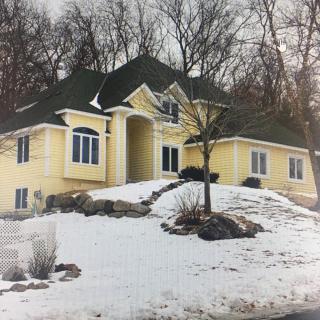
 Intimate, one-on-one care in a home-like setting with home-cooked meals.

 8 Key Indicators That Suggest It May Be Time to Transition from Assisted Living to Skilled Nursing Care
 Nourishing the Mind: Essential Dietary Approaches for Dementia
 Understanding Dementia Behaviors: Practical Insights and Strategies for Caregivers