
1628 Keller Drive, Burnsville, MN 55306
For more information about senior living options: (866) 208-4318
Overall Review of Midwest Homes
Pros
 The owner is described as highly professional and genuinely caring.
- Midwest Residential offers wheelchair-accessible homes and robust support for residents with high care needs.
- The owner's dedication and personalized care are exceptional and life-changing for families.
- The care model demonstrates person-first and person-centered care on a daily basis.
- The house manager is devoted to residents' best interests, with a heart as big as the owner's.
- Residents feel consistently respected and supported, not treated as property or as a means to obtain money.
- Midwest Residential comes highly recommended for individuals and families seeking residential care.
Cons
 They hate living in group homes, believing some owners are after free money and treat residents as property.
- There were endless delays and unimaginable barriers in accessing waiver funding for residential services.
- They experienced a two-month period without federal or state funding, causing hardship.
- The Lakeville owner spoke badly about them and their temper.
- They remained navigating ongoing barriers to funding, indicating persistent challenges.
Review
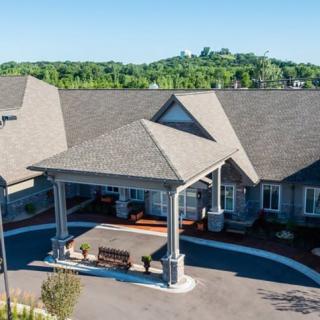
Midwest Homes in Burnsville is best suited for adults who need substantial everyday support but still thrive in a home-like, residential setting. This community shines for individuals who require wheelchair accessibility and personalized, hands-on care that treats residents with dignity and respect. It is especially compelling for families seeking a small, person-centered environment where care plans are tailored, rather than a sprawling campus where residents can feel anonymous. The owner-led approach matters here: a committed, hands-on operator drives daily practices, ensuring that “person first” is not a slogan but a lived reality.
Those considering alternatives should note a few realities. For seniors or adults with complex medical needs who require around-the-clock clinical nursing on-site, a larger, more clinical facility may offer a level of medical oversight that Midwest Homes does not advertise. Cost structure and funding pathways can also influence choice. The community’s strength lies in flexibility and individualized attention, but that same intimate model can be limiting for families seeking a traditional chain-operated setting with standardized programming or more formalized funding processes. Where waiver funding and state supports tend to be variable, Midwest Homes has demonstrated responsiveness, yet that responsiveness can also mean variability in how funding is navigated from month to month.
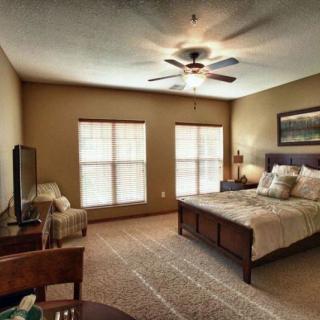
The core advantages are compelling enough to offset most drawbacks for the right resident. Wheelchair-accessible housing and ready support for high-care needs create practical feasibility for people who would otherwise struggle to remain at home or move into a nursing facility. The owner’s commitment to respect, dignity, and person-centered care is not theoretical: it translates into daily actions, such as tailoring room layouts, adapting spaces, and ensuring residents feel valued as individuals. A capable house manager and a small, tightly knit roommate group contribute to a sense of safety and belonging that larger facilities often struggle to deliver. In addition, the willingness to modify three rooms to improve quality of life demonstrates a level of responsiveness that matters when daily routines need to bend around changing needs.
Nonetheless, a cautious lens is warranted due to a notable caveat represented in the community’s review spectrum. At least one rating indicates that not every experience aligns with the high bar set by other residents and reviewers. While the majority express unwavering satisfaction, the existence of a low rating underscores that outcomes may hinge on individual expectations, financial arrangements, and the precise dynamics of the staff and owner at any given time. This is not a blanket flaw, but a reminder that trust and clear communication are essential when choosing a home with a highly owner-driven model. Prospective families should therefore verify alignment with the owner’s care philosophy, and seek detailed, documented care plans and financial arrangements before committing.
The best use of Midwest Homes emerges when the pros are actively leveraged to counterbalance the potential cons. The owner’s deep commitment to “person-first” care, combined with a proactive house management approach and a willingness to customize living spaces, often produces a care experience that outpaces larger, more impersonal options. For families prioritizing continuity of care, respect, and a home-like setting for high-need adults, this community offers a convincing, practical solution. The key is to engage early: meet the owner, review a formal care plan, request a transparent budgeting discussion, and tour alongside potential new roommates to gauge fit. When these steps align with the resident’s needs and family expectations, Midwest Homes stands out as a robust, compassionate choice.
In practical terms, Midwest Homes is a strong recommendation for those who value accessibility, personalized attention, and a genuine caregiver’s ethos over a cookie-cutter, institution-like experience. It is less suited for families prioritizing a large-scale campus, predictable corporate programming, or strict, standardized funding processes. For potential residents, the most productive path involves concrete conversations about care plans, space modifications, funding options, and the day-to-day rhythm of life in a tight-knit home setting. When those elements line up, the community offers a dependable, hands-on alternative that can delay or avert more institutional placements while delivering truly person-centered care.
 8 resident community capacity
 Assisted Living
 Cable or satellite TV
 Dining room
 Fully furnished
 Garden
 Housekeeping services
 Move-in coordination
 Outdoor space
 Telephone
 Wi-Fi/high-speed internet available
 Minneapolis-St Paul International (11 miles away)
 24-hour supervision
 Activities of daily living assistance
 Assistance with bathing
 Assistance with dressing
 Assistance with transfers
 Diabetes diet
 Meal preparation and service
 Medication management
 Special dietary restrictions
 Transportation arrangement (medical)
 Transportation to doctors appointments



 Comprehensive Insights into Activities of Daily Living (ADLs) and Their Assessment
 Medicare Coverage for Assisted Living: An In-Depth Exploration
 Your Comprehensive Guide to Luxury Assisted Living: Elevated Facilities, Amenities, and Costs