
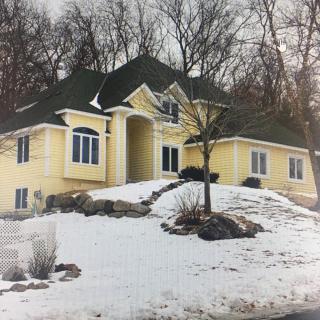
140 Maple Island Road, Burnsville, MN 55306
For more information about senior living options: (866) 208-4318
Overall Review of Midwest Residential 5
Pros
 The owner is described as exceptionally committed to serving those in need and to treating residents with respect, dignity, and personalized care.
- Midwest Residential offers wheelchair-accessible homes and supports individuals with high care needs.
- The company consistently demonstrates person-first and person-centered care on a daily basis.
- The care provided helped a family member move into Midwest Residential instead of remaining in a nursing home amid funding barriers.
- The Burnsville owner is considered the most professional and caring in the business, prioritizing residents over money.
- The house manager is dedicated to residents’ best interests and operates with a heart as big as the owner’s.
- The homes have been adapted to improve residents’ lives, creating a respectful, tight-knit community that residents value and recommend.
Cons
 There were endless delays and unimaginable barriers in accessing waiver funding for residential services.
- They hate living in group homes because some owners are looking for free money and treat residents as property.
- The previous owner talked badly about them and their temper.
- They are still navigating those barriers.
Review
Midwest Residential 5 in Burnsville is best suited for adults with substantial care needs who require wheelchair-accessible housing and a small, home-like environment where care is delivered with clear, daily devotion to dignity and person-centered principles. The model works especially well for residents who thrive on close, respectful relationships with a small team and who need hands-on, individualized support rather than a sprawling, clinical setting. When care plans hinge on a manager-driven approach, with intimate knowledge of each resident’s routines, preferences, and safety, this community becomes a strong match for those who fear impersonal care at larger facilities.
Those who should consider alternatives include families seeking more formal clinical oversight, broader medical staffing, or a larger campus with a wider array of on-site services. If funding complexity is a central concern, particularly for families relying on waivers or state programs, and a predictable, streamlined funding path is essential, another arrangement may offer smoother navigation. Additionally, individuals who prize a higher degree of privacy or independence, or who want a more traditional apartment-style layout with less collective living, may find the small-house model less aligned with their preferences.
The strongest pros center on leadership and culture. The owner’s hands-on commitment translates into a daily practice of “person first” care, with a demonstrable respect for residents’ autonomy and dignity. Staff members, described as exceptionally dedicated (the house manager is cited as acting in residents’ best interests with high energy and integrity), create a tightly knit, supportive micro-community. Modifications to rooms to better accommodate mobility and safety reinforce a practical, can-do approach that actively supports staying at home rather than moving to a nursing facility. In short, the personal attention and proactive problem-solving define the lived reality here, and that culture directly offsets the disadvantages of a small operation.
The primary caveat is the inherent dependence on a single owner-led model. While that setup yields rapid decision-making and deep familiarity with each resident, it can also raise questions about scalability, continuity, and long-term leadership transitions. For families relying on formal, standardized processes and broad clinical coverage, this arrangement may feel less predictable. Another offsetting factor is the financial dynamics revealed in the reviews: while the team works hard to secure appropriate funding and avoid lengthy delays, navigating waiver funding for residential services remains a reality, not a problem solved once and for all. Prospective residents should clarify funding pathways early and verify that the financial plan aligns with anticipated care needs.
To evaluate fit effectively, approach should include a focused visit with attention to daily routines, staffing interaction, and the physical layout. Inquire about current resident-to-staff ratios, the frequency of staff turnover, and how care plans are updated as needs evolve. Inspect the accessibility features, the extent of room modifications, and how privacy is balanced within the shared home environment. Ask for candid references about funding experiences, the process for waivers, and any past barriers encountered. Finally, map out a potential transition timeline from current living arrangements and confirm that the care philosophy matches the resident’s values and goals.
In the final calculus, Midwest Residential 5 shines for families seeking highly personalized, respectful, and hands-on care in a wheelchair-accessible, small-home setting. The owner’s commitment to “person-centered” practice and the staff’s demonstrated willingness to do whatever it takes to support a resident’s quality of life are compelling strengths. This is not a fit for those needing extensive clinical programming, broad facility amenities, or corporate-scale operation. For those who prize intimate, purpose-driven care and are prepared to navigate funding considerations with a proactive, collaborative team, Midwest Residential 5 stands out as a pragmatic, trustworthy choice.
 6 resident community capacity
 Assisted Living
 Cable or satellite TV
 Dining room
 Fully furnished
 Garden
 Housekeeping services
 Move-in coordination
 Outdoor space
 Telephone
 Wi-Fi/high-speed internet available
 Minneapolis-St Paul International (12 miles away)
 24-hour supervision
 Activities of daily living assistance
 Assistance with bathing
 Assistance with dressing
 Assistance with transfers
 Diabetes diet
 Meal preparation and service
 Medication management
 Special dietary restrictions
 Transportation arrangement (medical)
 Transportation to doctors appointments




 When to Transition from Assisted Living to Memory Care: Key Indicators, Steps, and Finding the Right Community
 Assisted Living and Memory Care: Understanding Their Core Differences
 Beyond the Bingo Hall: 50+ Enriching Activities for Seniors in Assisted Living