St Therese Residence Nursing in New Hope, MN

Save

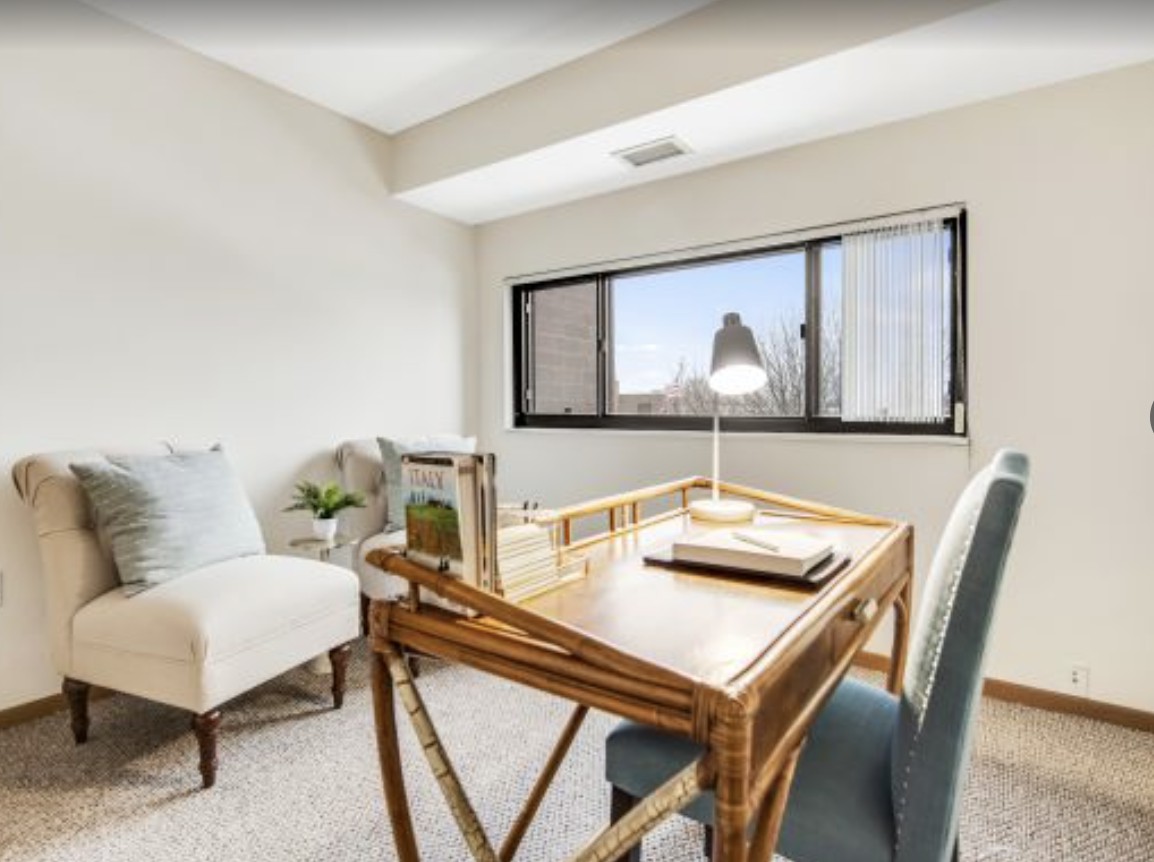
  • Interior

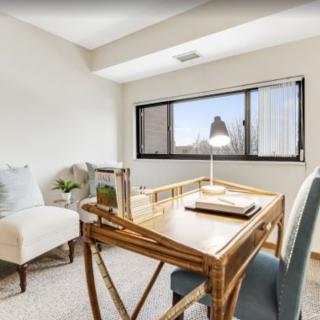
    A modern office space with a wooden desk and comfortable chair, well-lit by natural light from a large window.
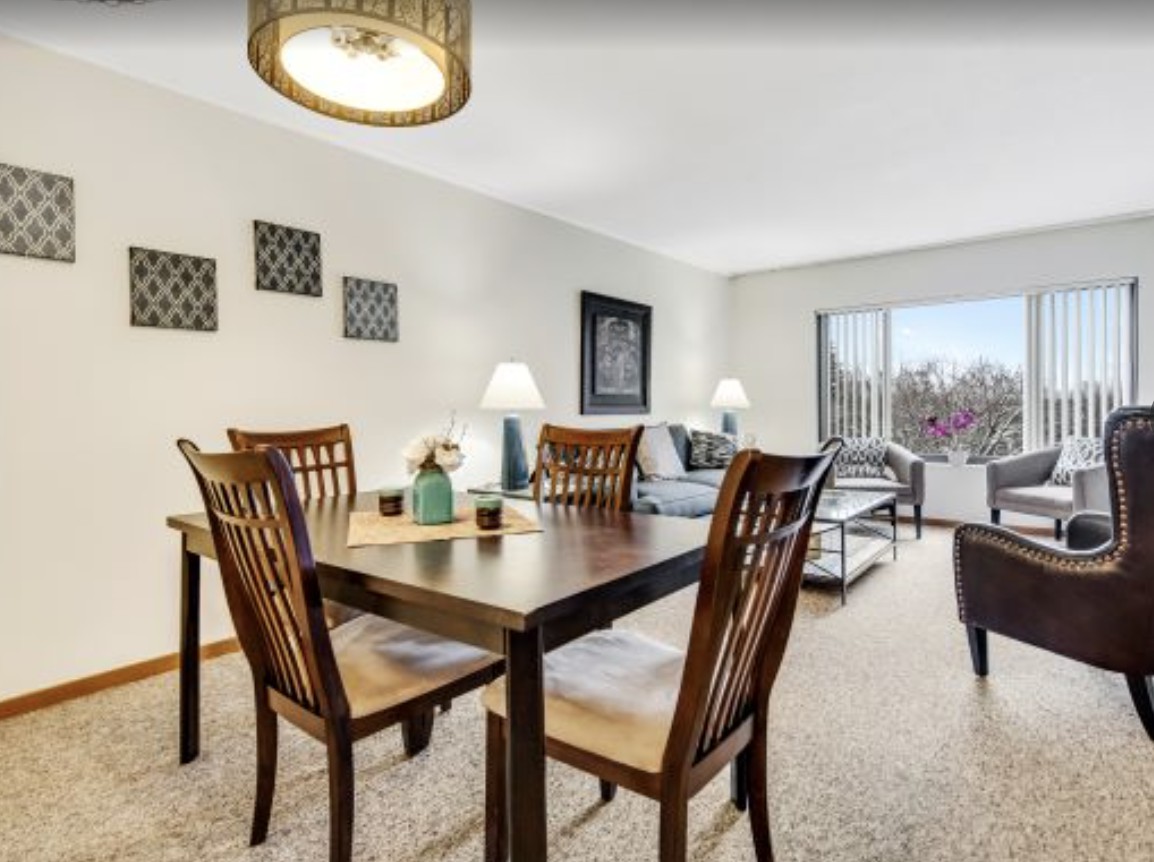
  • Decor

    A well-furnished dining and living area with a wooden table and chairs, sofa, and decorative elements.
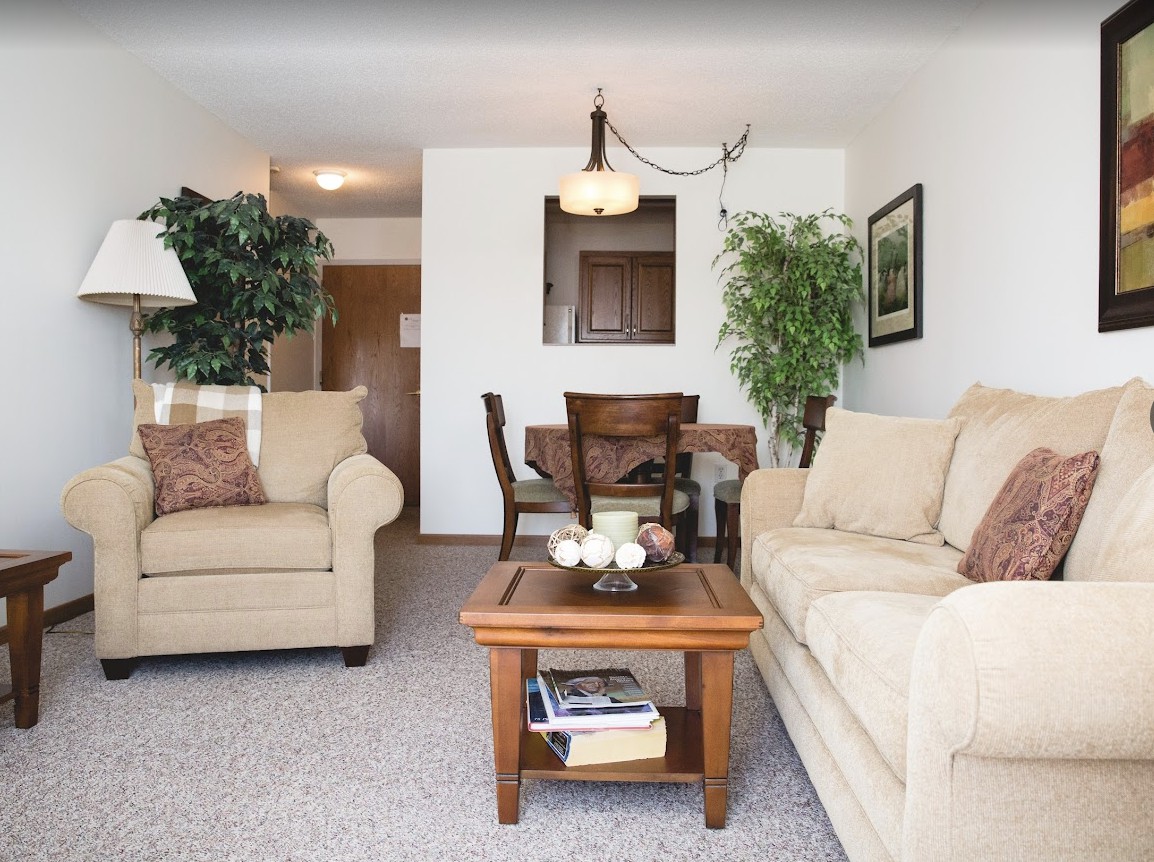
  • Living Room

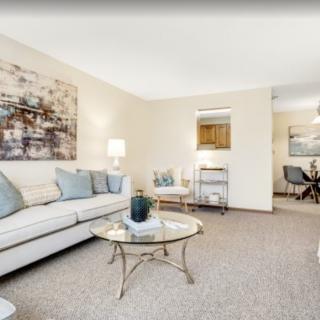
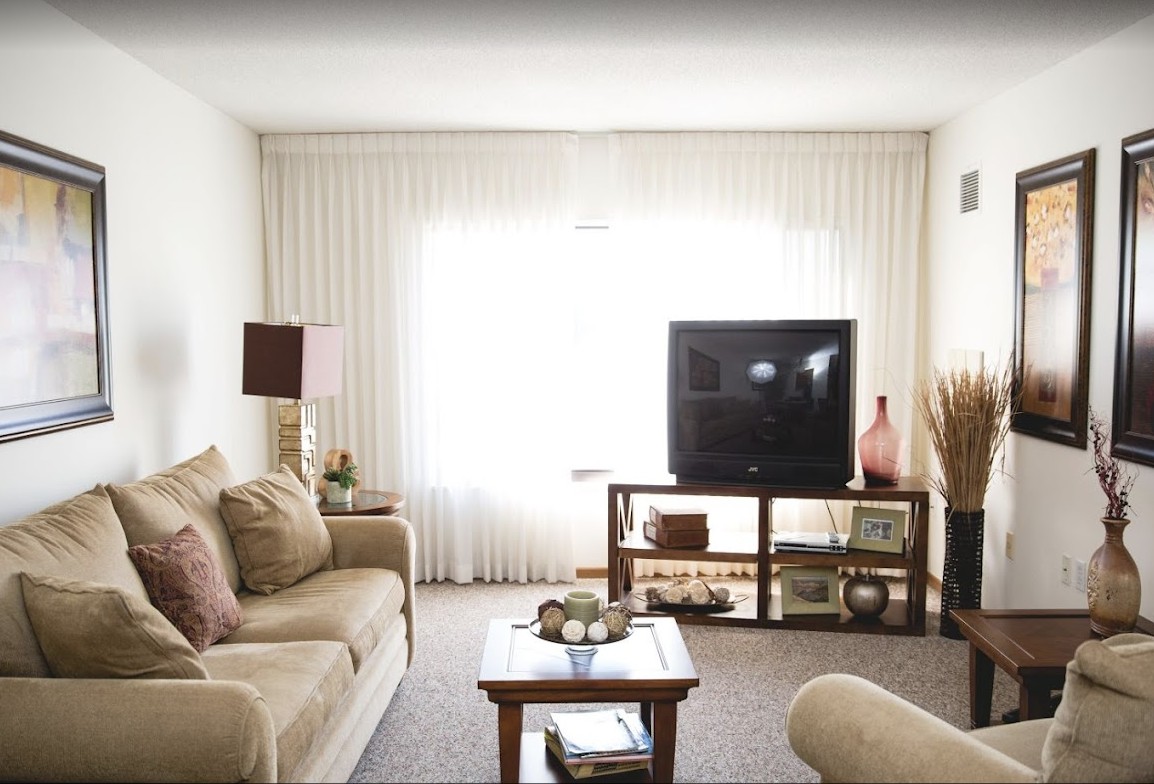
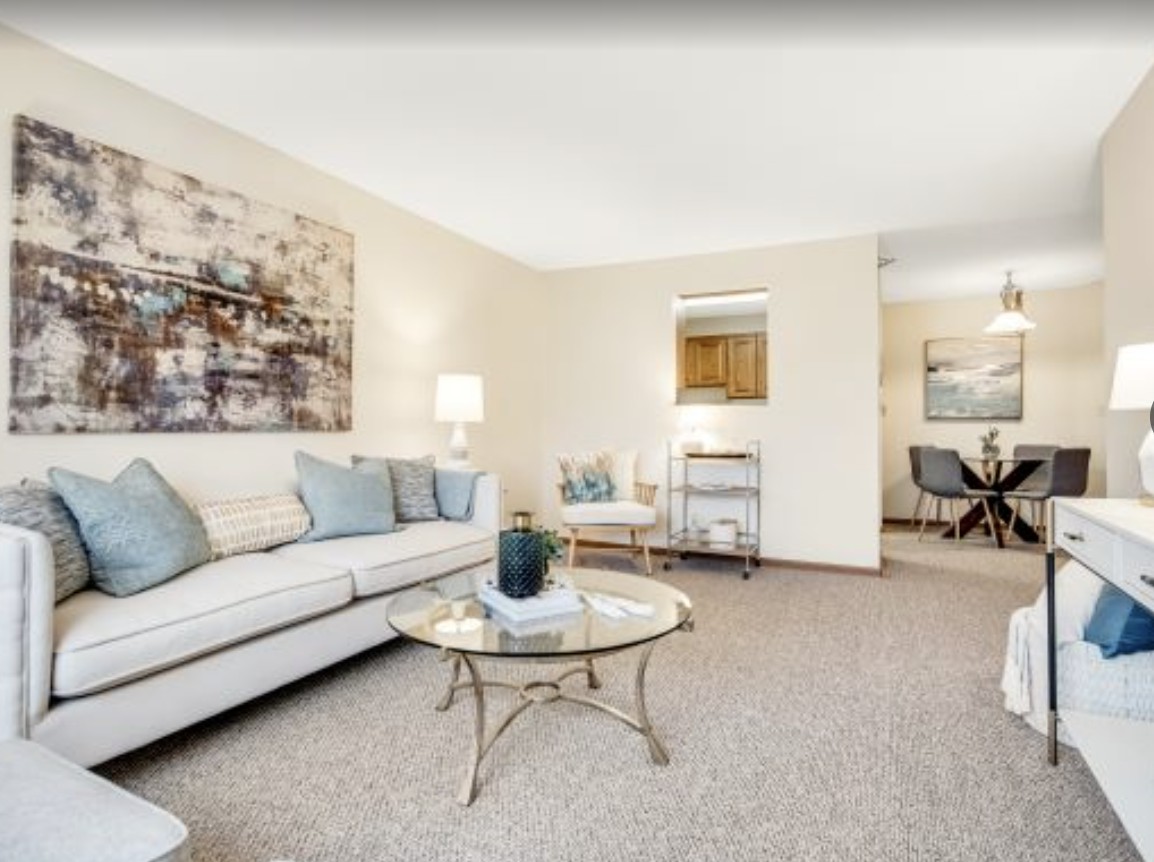
    A spacious and elegantly decorated living room featuring a large sofa, coffee table, artwork, and ample natural light from a big window.
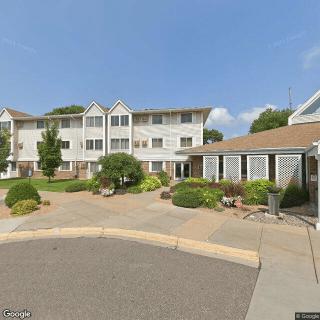
  • Building

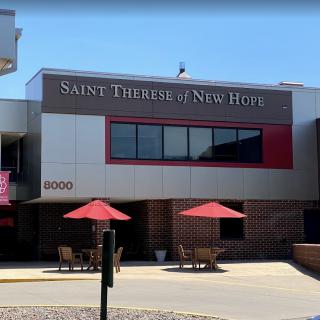
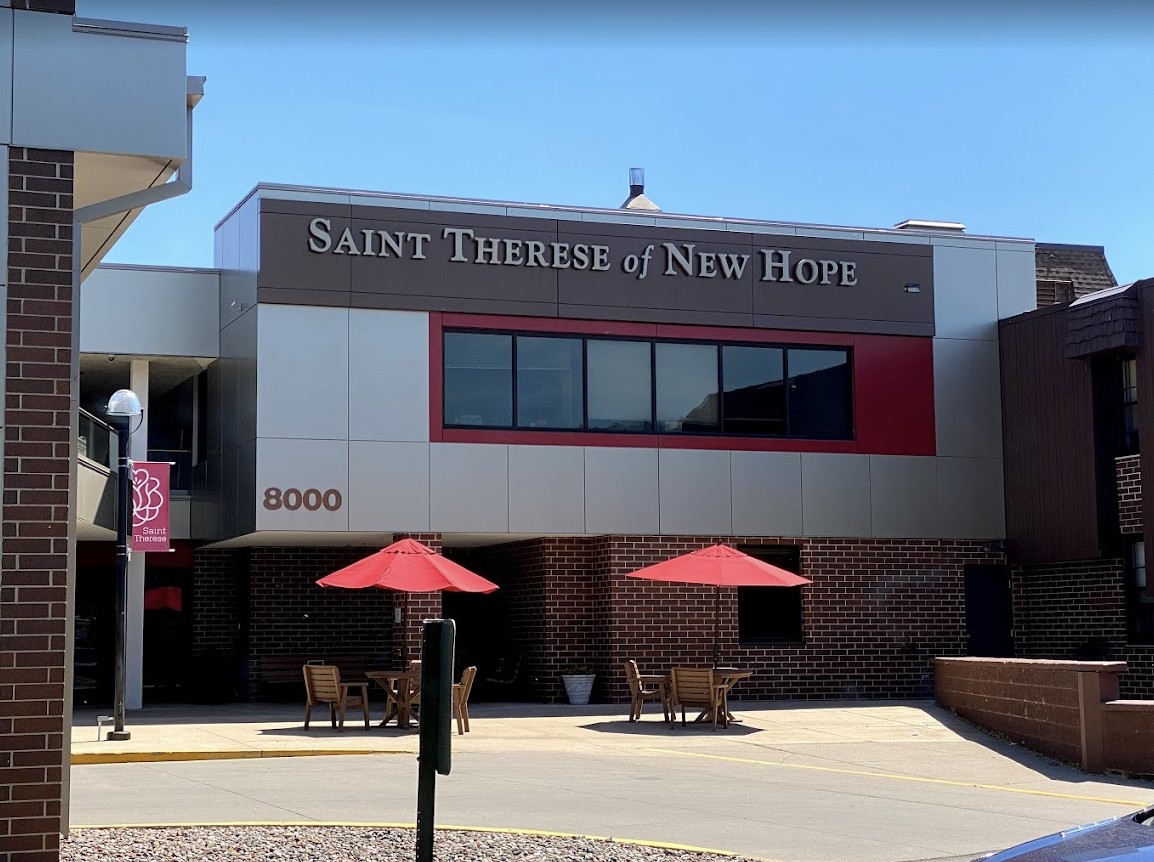
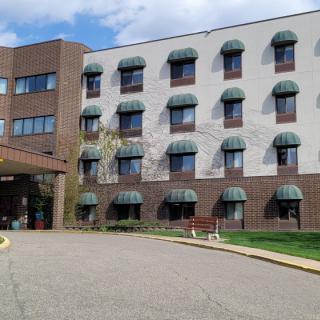
    The exterior of Saint Therese of New Hope with outdoor seating and umbrellas.
  • Bedroom

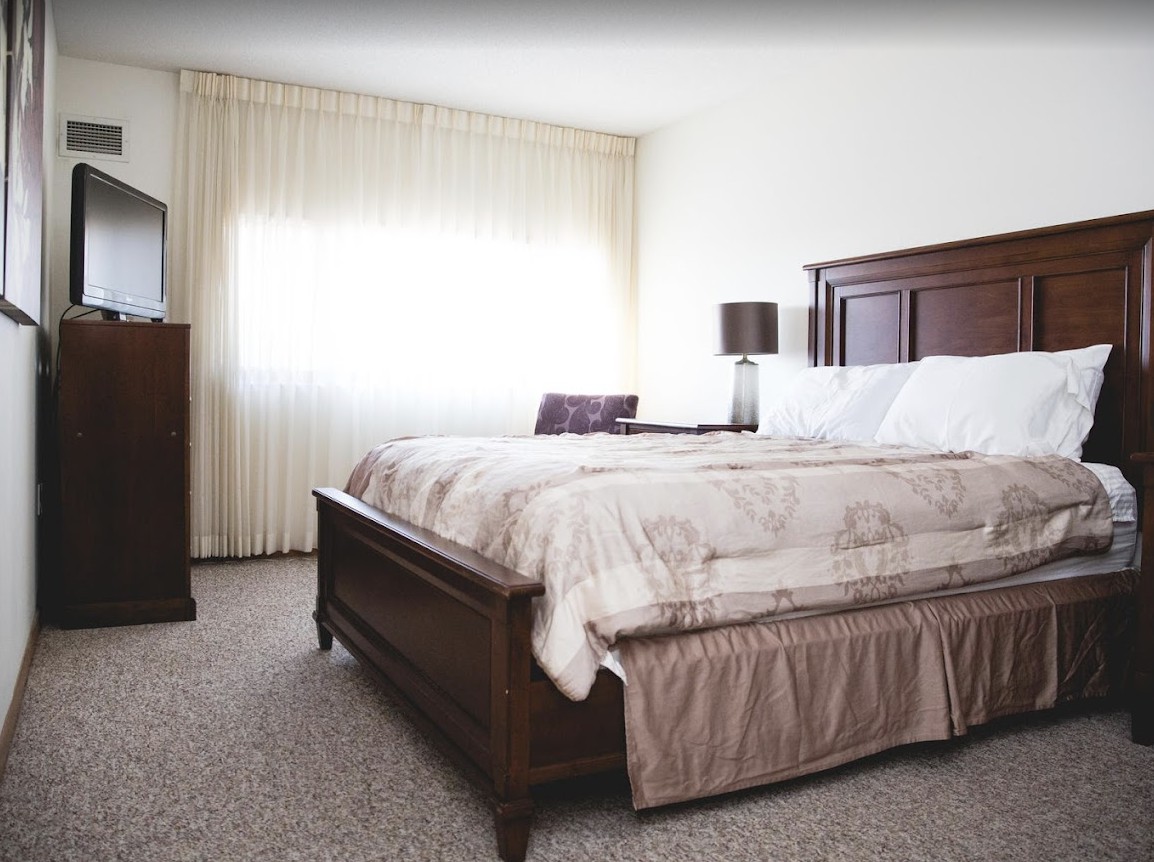
    A cozy bedroom with a large bed, wooden furniture, and soft natural lighting.
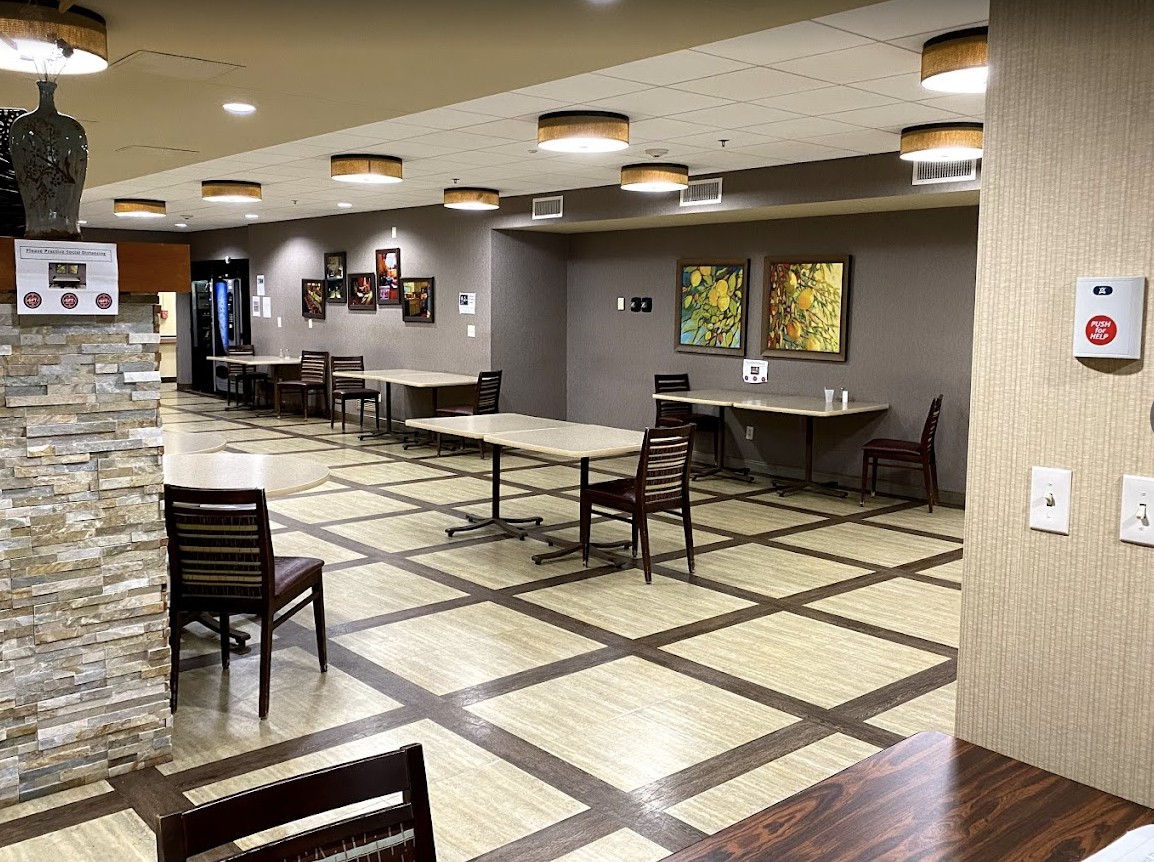
  • Dining

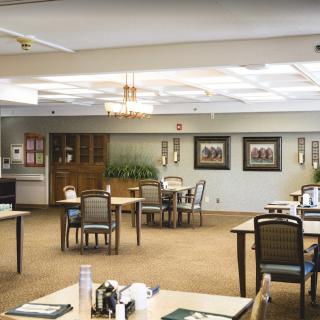
    A well-lit dining area with tables and chairs arranged on a carpeted floor.
  • Artwork

    A cozy living room with neutral tones, featuring a sofa and glass coffee table, accented by artwork and soft lighting.
  • Television

    A cozy living room with a sofa, coffee table, and television, featuring neutral tones and elegant decor.
  • Lobby

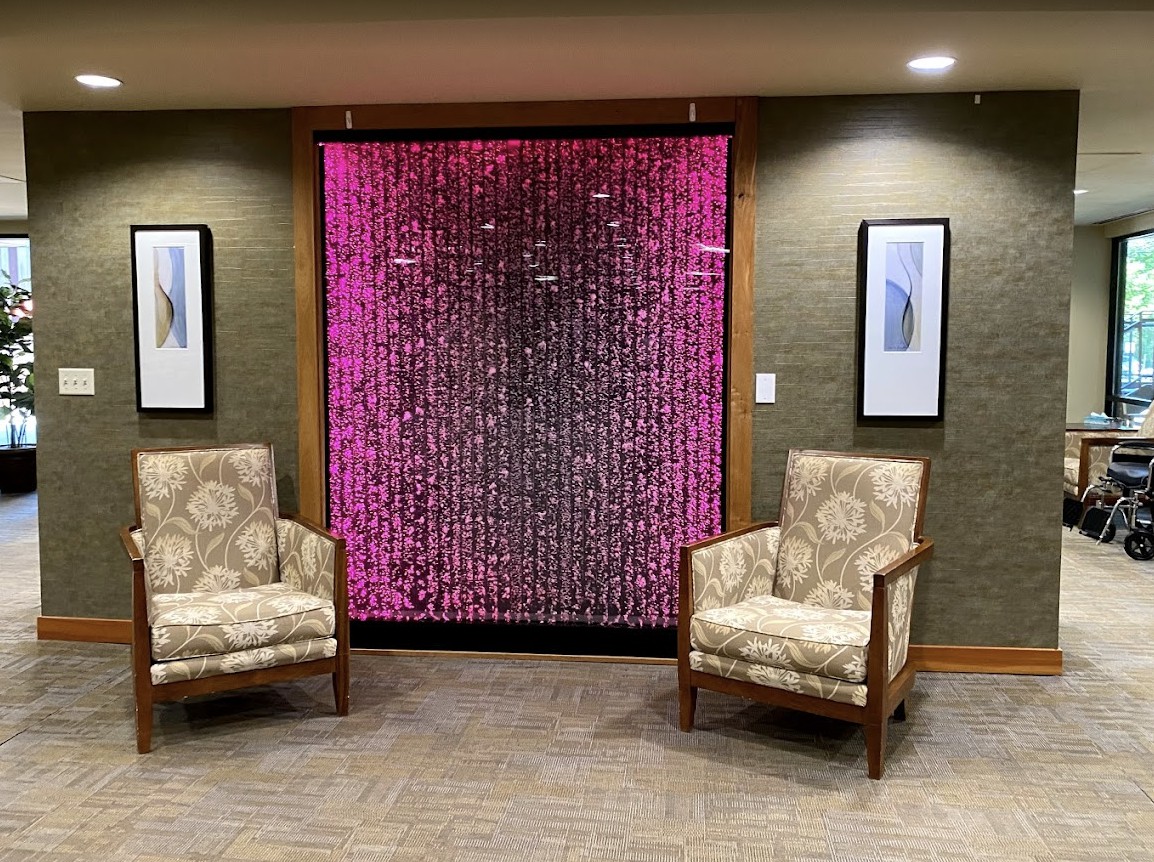
    A modern lobby area with two patterned chairs and a colorful digital artwork on the wall.
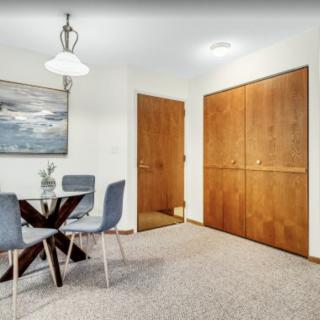
  • Painting

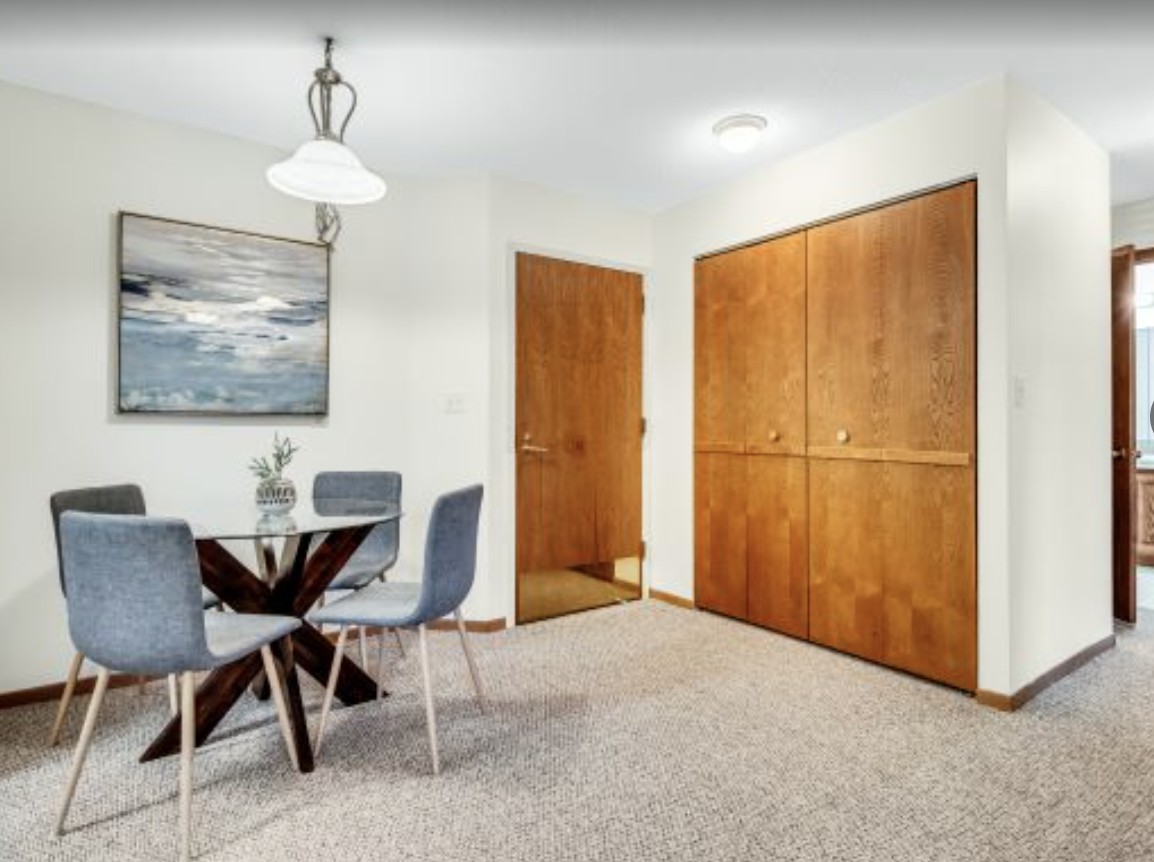
    A modern dining area featuring a round table with four chairs, a large painting on the wall, and wooden closet doors.
  • Office

    A modern reception area with a curved desk, decorative lighting, and contemporary decor.
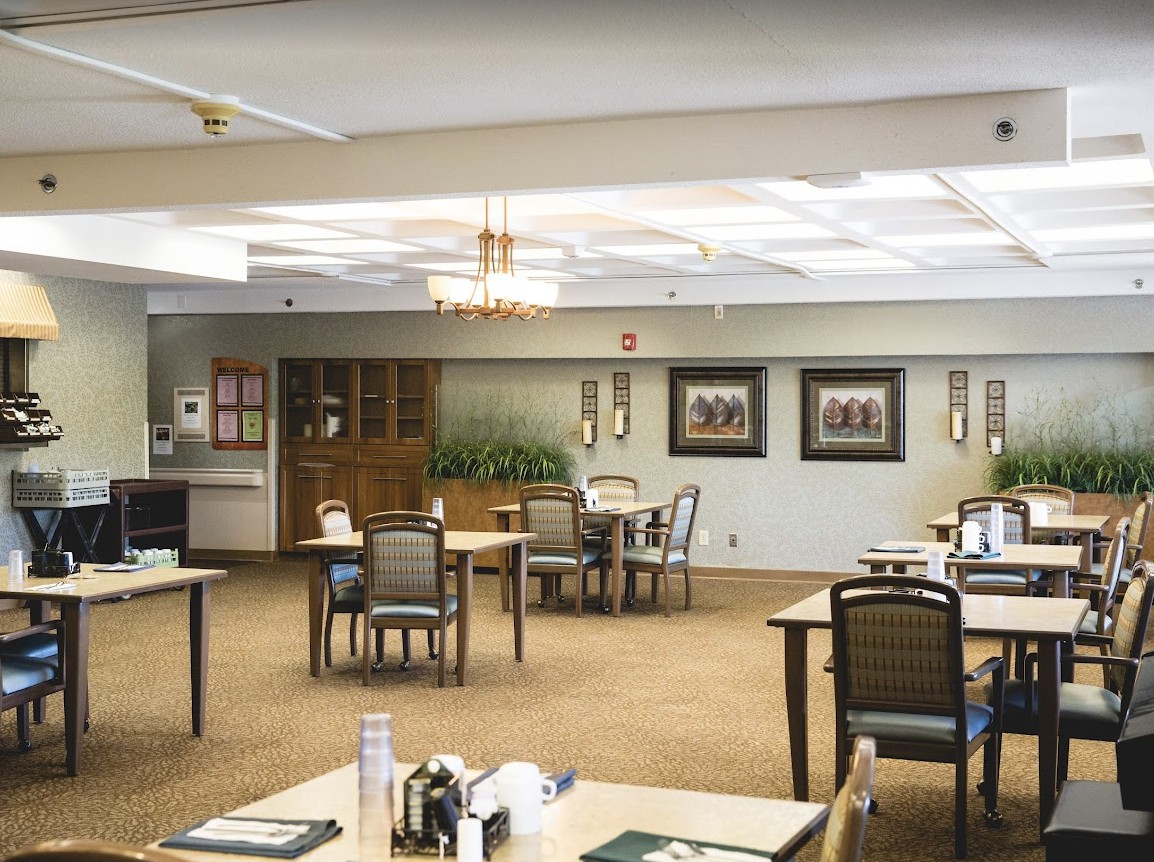
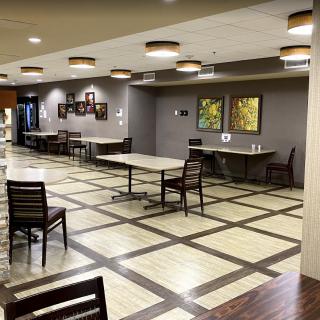
  • Lighting Fixtures

    An empty dining area with neatly arranged tables and chairs, decorative lighting, and wall art.

St Therese Residence Nursing in New Hope, MN

8008 Bass Lake Road, New Hope, MN 55428

For more information about senior living options: (844) 490-3973

2.6 from 49 reviews
5 stars
15
4 stars
5
3 stars
1
2 stars
3
1 stars
25

Assisted Living Memory Care

Overall Review of St Therese Residence Nursing

Pros

  • pro The staff are a wonderful group of caring and compassionate people.
  • pro The on-site cafe and drugstore make daily life much easier for residents and families.
  • pro The grounds include green spaces outdoors, which allow for pleasant walks.
  • pro The rehab and therapy teams help residents meet their goals and recover effectively.
  • pro The nursing and support staff are professional, friendly, and attentive to residents' needs.
  • pro The Sales and Marketing Director is consistently available and goes above and beyond to help families.
  • pro End-of-life care at Saint Therese provides peace and dignity for residents and their families.

Cons

  • pro They wouldn't recommend this place to their worst enemy.
  • pro They described the facility as horrific and the kind of place you'd see on the news.
  • pro They believe the facility is corrupt and tolerates elder abuse.
  • pro They witnessed an aide punch a resident and failed to respond to call lights.
  • pro They noted staff laughed at their abuse concerns and did not take them seriously.
  • pro They found jewelry missing and suspected it was stolen while their relative was in hospice.
  • pro They described chronic short-staffing and not enough nurses to care for residents.
  • pro They said the food was terrible and call lights were often left unanswered for long periods.
  • pro They warned others not to send their loved ones there and urged avoidance of the facility.

Review

St Therese Residence Nursing in New Hope, MN is best suited for families seeking a single campus that can offer post-acute rehab and long-term nursing care, with convenient on-site services and a chapel. It works best when the goal is progress-oriented therapy followed by continued care on the same site, and when family members are prepared to stay engaged and advocate for their loved one. The facility's mix of rehab and nursing, plus amenities like a cafe, a drugstore, and outdoor green space, can support a smoother transition from hospital to home. However, this is not a hands-off option; the stability of care depends on staffing levels and management responsiveness, which are the separate keys to success here.

On the positive side, when therapy teams and nurses are present and attentive, substantial gains are possible. Several residents describe compassionate therapists and nursing staff who push toward goals and help navigate post-surgical or stroke recovery, sometimes enabling an earlier discharge. The campus structure allows movement between rehab and nursing care without relocating, and the chapel and social programming add meaningful richness for residents who value a faith component or regular activities. The attached conveniences - a small cafe, a basic on-site pharmacy, and accessible outdoor space - make routines easier for families who visit often. For some, those elements translate into a dependable, respectful environment.

Yet the downsides are real and recurring. A pervasive theme across many reviews is chronic understaffing, with call bells left unanswered for long stretches and aides who seem rushed, indifferent, or unavailable. Reports range from missed medications and inadequate hygiene to incomplete bathing and inconsistent care plans, sometimes with serious health consequences. Allegations of mistreatment and even ongoing abuse have surfaced in several accounts, casting a long shadow over the facility's credibility. Inconsistent experiences mean that one family may praise a caregiver, while another witnesses neglect. Food quality and communication gaps also appear, undermining trust and daily life for residents and families alike.

The strongest pros - effective rehab when staff are engaged, and the campus' integrated services - do offset some risk for residents whose primary need is short-term rehabilitation and a pathway to return home. High-quality therapy can deliver tangible progress and shorten hospital stay length, which is invaluable. But the major cons - understaffing, delayed response to call lights, irregular medication handling, and reports of neglect - do not resolve themselves with better therapy alone. For long-term care, the inconsistent staffing and safety concerns undermine reliability and daily quality of life. In practice, families must be prepared to supervise, escalate concerns, and coordinate with administration. For some, the blend of care and amenities justifies a trial period; for others, the risk outweighs potential gains.

Alternatives should be considered for families prioritizing consistent staffing and predictable daily care. Seek facilities with transparent staffing ratios, clear escalation pathways, and strong memory-care protocols if cognitive needs are present. Before choosing, request to meet the administrator, review incident logs, and talk with current residents or family councils about response times and care plans. Compare with other campuses that offer similar rehabilitation-to-nursing transitions but with stronger staffing commitments and documented quality improvements. While St Therese may work for some, others will find more reliable performance and fewer safety concerns elsewhere.

In the end, St Therese Residence Nursing presents a bifurcated picture: capable rehab and engaged therapy in a campus that centralizes services, but a staffing landscape that can compromise safety and day-to-day care. For families who can actively advocate, supervise, and leverage the rehab program to reach concrete goals, it remains a viable option worth a careful, guided trial. For those requiring steady, attentive, and predictable daily care - especially when memory support or complex medical needs are ongoing - alternative communities with stronger staffing models and consistently better call-light responsiveness should be prioritized. Tour multiple facilities, ask for concrete staff-to-resident ratios, request recent quality metrics, and insist on speaking with front-line caregivers. The decision should hinge on whether the path to rehab, safety concerns, and staffing reliability align with the loved one's goals and family capacity to manage care.

Features

Housing

  • 21 resident community capacity 21 resident community capacity

Types of Care

  • Assisted Living Assisted LivingAssisted living facilities provide crucial support and care for seniors who may need help with daily tasks such as medication management, bathing, and meal preparation. These communities offer a safe and comfortable environment where seniors can maintain their independence while receiving the assistance they need to thrive in their golden years.
  • Memory Care Memory CareMemory care is crucial for seniors as it provides specialized support and services for individuals with dementia or Alzheimer's disease. These programs offer a safe and secure environment where residents receive personalized care, cognitive stimulation, and help with daily activities. Memory care helps seniors maintain their independence, quality of life, and dignity while also providing peace of mind for their families.

Amenities

  • Beauty salon Beauty salonBeauty salons are important for seniors because they provide a space for them to feel pampered, socialize, and maintain their personal grooming and hygiene. Regular visits to a beauty salon can help boost seniors' self-esteem and overall well-being.
  • Cable or satellite TV Cable or satellite TVCable or satellite TV is important for seniors because it provides entertainment, news, and companionship, helping to combat loneliness and boredom. It also offers a wide range of programming options tailored to different interests and preferences.
  • Dining room Dining roomDining rooms are important for seniors as they provide a space for socialization, connection, and nutritious meals. They offer opportunities for residents to bond over shared meals, foster a sense of community, and promote healthy eating habits. Dining rooms also ensure that seniors have access to well-balanced meals tailored to their dietary needs and preferences.
  • Fully furnished Fully furnishedFully furnished senior living communities are important for seniors because they provide convenience, comfort, and a hassle-free moving experience. Seniors can easily settle into their new living space without the stress of having to buy and move furniture. This allows them to focus on enjoying their new home and community.
  • Garden GardenGardens are important for seniors as they provide a peaceful and therapeutic environment for relaxation, physical activity, and socialization. Being in nature has been shown to reduce stress, improve mood, and promote overall well-being. Gardens also offer opportunities for seniors to engage in gardening activities, which can improve mobility, flexibility, and cognitive function. Additionally, gardens create a sense of community and connection with others who share a passion for plants and outdoor spaces.
  • Housekeeping services Housekeeping servicesHousekeeping services are important for seniors because they help maintain a clean and safe living environment, promote independence, and reduce the risk of accidents or illnesses. Additionally, having assistance with household chores can alleviate physical strain and allow seniors to focus on other aspects of their well-being.
  • Kitchenette KitchenetteKitchenettes are important for seniors living in senior living communities because they provide the convenience and independence of being able to prepare simple meals and snacks in the comfort of their own living space. This can help promote a sense of autonomy and well-being for seniors, allowing them to maintain some level of control over their dietary choices and daily routines.
  • Move-in coordination Move-in coordinationMove-in coordination is important for seniors because it helps ease the transition into their new living environment. It ensures that all logistics, such as packing, organizing movers, and setting up utilities are taken care of, allowing seniors to focus on settling in and adjusting to their new home. Having a smooth move-in process can alleviate stress and anxiety, making the transition smoother and more enjoyable for seniors.
  • Outdoor space Outdoor spaceOutdoor spaces are important for seniors as they provide opportunities for physical activity, social interaction, exposure to natural light and fresh air, and a sense of connection to nature. Having access to outdoor spaces can improve overall well-being and quality of life for older adults living in senior communities.
  • Telephone TelephoneTelephones are important for seniors as they provide a lifeline for communication with loved ones, emergency services, and healthcare providers. They offer a sense of security and independence, enabling seniors to stay connected and access assistance when needed.
  • Wi-Fi/high-speed internet available Wi-Fi/high-speed internet availableWi-Fi/high-speed internet is important for seniors to stay connected with loved ones, access online resources, and participate in virtual activities to combat feelings of loneliness and isolation. It also allows them to easily manage healthcare needs, access entertainment, and engage in lifelong learning opportunities.

Transportation

  • Minneapolis-St Paul International (15 miles away) Minneapolis-St Paul International (15 miles away)

Care Services

  • 24-hour call system 24-hour call system24-hour call systems are important for seniors because they provide peace of mind and immediate assistance in case of emergencies. This technology ensures that help is always available, promoting safety and security for elderly individuals living alone or in assisted living facilities.
  • 24-hour supervision 24-hour supervision24-hour supervision is important for seniors to ensure their safety, well-being, and access to immediate assistance in case of emergencies or health issues. This constant support provides peace of mind for both seniors and their loved ones, allowing them to age in place with dignity and security.
  • Activities of daily living assistance Activities of daily living assistanceActivities of daily living assistance are important for seniors because they provide essential support with tasks such as eating, bathing, dressing, and mobility. This assistance helps seniors maintain their independence, dignity, and overall quality of life as they age.
  • Assistance with bathing Assistance with bathingAssistance with bathing is crucial for seniors as it helps maintain personal hygiene, prevents infections, and ensures their overall well-being and comfort. It also provides a sense of dignity and independence for seniors who may struggle with this task on their own.
  • Assistance with dressing Assistance with dressingAssistance with dressing is important for seniors because it helps maintain their independence, promotes personal hygiene, prevents accidents and injuries, and improves overall quality of life. This service ensures that seniors can continue to dress comfortably and confidently, despite any physical limitations they may have.
  • Assistance with transfers Assistance with transfersAssistance with transfers is crucial for seniors as it helps prevent falls and injuries, maintains their independence, and ensures they can safely navigate their living environment. It also provides peace of mind for both seniors and their loved ones.
  • Coordination with health care providers Coordination with health care providersCoordination with health care providers is crucial for seniors to ensure proper medical care, medication management, and overall well-being. This collaboration helps prevent overlapping treatments, track progress more effectively, and provide comprehensive support tailored to individual needs.
  • Dementia waiver Dementia waiverDementia waivers are essential for seniors as they provide critical protections and accommodations for those experiencing cognitive decline. These waivers ensure individuals with dementia receive appropriate care, support, and resources to maintain their quality of life and dignity as they navigate the challenges of this progressive condition.
  • Diabetes diet Diabetes dietA diabetes diet is crucial for seniors as it helps manage blood sugar levels, reduce risks of complications, and improve overall health and well-being. By following a balanced and nutritious diet tailored to their specific needs, seniors can better control their diabetes and enhance their quality of life.
  • Hospice waiver Hospice waiverHospice waivers are important for seniors because they allow individuals to receive specialized end-of-life care and support at home or in a hospice facility. This waiver ensures that seniors can access the necessary resources and services to maintain comfort and dignity during their final days.
  • Meal preparation and service Meal preparation and serviceMeal preparation and service are crucial for seniors as they may have limited mobility or energy to cook nutritious meals. Having access to healthy and convenient food options can ensure they are getting the proper nutrition needed to maintain their overall health and well-being.
  • Medication management Medication managementMedication management is crucial for seniors to ensure they are taking the right medications at the correct dosages and times. This helps prevent adverse drug interactions, reduces the risk of medication errors, and promotes overall health and well-being. Proactive management also allows for adjustments as needed based on changing health conditions or new prescriptions.
  • Mental wellness program Mental wellness programMental wellness programs are essential for seniors as they promote cognitive stimulation, emotional support, and social engagement. These programs help prevent isolation, depression, and cognitive decline, ultimately enhancing the overall quality of life for older adults.
  • Mild cognitive impairment Mild cognitive impairment"Mild cognitive impairment" is important for seniors because it is an early stage of cognitive decline that can potentially progress to more severe conditions such as dementia. Recognizing and addressing mild cognitive impairment can help seniors receive appropriate care and support to maintain their quality of life and independence for as long as possible.
  • Special dietary restrictions Special dietary restrictionsSpecial dietary restrictions are important for seniors because age-related changes in metabolism and health conditions can make it difficult for their bodies to process certain foods. By following a diet tailored to their specific needs, seniors can maintain their overall health and well-being, manage chronic conditions, and reduce the risk of complications such as malnutrition or food interactions with medications.
  • Specialized memory care programming Specialized memory care programmingSpecialized memory care programming is crucial for seniors with cognitive impairments such as dementia or Alzheimer's disease. These programs provide a safe and supportive environment tailored to the unique needs of individuals with memory loss, helping them maintain their independence, dignity, and quality of life.
  • Transportation arrangement (medical) Transportation arrangement (medical)Transportation arrangements for medical purposes are essential for seniors as they may have difficulty driving themselves to appointments or accessing public transportation. Having reliable and safe transportation options ensures that seniors can receive timely medical care and maintain their health and well-being.
  • Transportation to doctors appointments Transportation to doctors appointmentsTransportation to doctors' appointments is crucial for seniors as it ensures they have access to necessary medical care and support for their health needs. Without reliable transportation, seniors may struggle to attend important appointments, leading to potential delays in treatment and health complications. Providing transportation services helps seniors maintain their overall well-being and quality of life.

Dining

  • Diabetes diet Diabetes dietA diabetes diet is crucial for seniors as it helps manage blood sugar levels, reduce risks of complications, and improve overall health and well-being. By following a balanced and nutritious diet tailored to their specific needs, seniors can better control their diabetes and enhance their quality of life.
  • Special dietary restrictions Special dietary restrictionsSpecial dietary restrictions are important for seniors because age-related changes in metabolism and health conditions can make it difficult for their bodies to process certain foods. By following a diet tailored to their specific needs, seniors can maintain their overall health and well-being, manage chronic conditions, and reduce the risk of complications such as malnutrition or food interactions with medications.

Activities

  • Community-sponsored activities Community-sponsored activitiesCommunity-sponsored activities are important for seniors as they provide opportunities for social interaction, mental stimulation, and physical activity. These activities can help improve overall well-being, combat loneliness and isolation, and promote a sense of belonging and purpose among older adults.
  • Resident-run activities Resident-run activitiesResident-run activities are important for seniors as they encourage social interaction, creativity, and a sense of autonomy. These activities empower seniors to stay engaged and active in their community while fostering meaningful connections with their peers.
  • Scheduled daily activities Scheduled daily activitiesScheduled daily activities are important for seniors because they provide structure, socialization, mental stimulation, and physical activity. Engaging in regular activities can improve overall well-being and quality of life for seniors living in a community setting.

Description

St. Therese Residence Nursing in New Hope, MN is an assisted living community that specializes in memory care. Our dedicated and compassionate staff provides 24-hour supervision and assistance with activities of daily living such as bathing, dressing, and transfers. We also offer coordination with health care providers to ensure our residents receive the medical attention they need.

Our community features a range of amenities to enhance the comfort and convenience of our residents. Each room is fully furnished and includes cable or satellite TV, telephone, and Wi-Fi/high-speed internet access. Our dining room offers delicious meals prepared to accommodate special dietary restrictions. Housekeeping services are provided to ensure a clean and tidy environment.

At St. Therese Residence Nursing, we understand the importance of mental wellness for individuals with memory impairment. That's why we offer specialized memory care programming and a mental wellness program tailored to meet the unique needs of our residents. We also provide medication management to ensure medications are administered correctly.

Residents have access to outdoor space where they can relax and enjoy nature. Two cafes, two parks, 14 pharmacies, three physicians' offices, 15 restaurants, and one place of worship are all conveniently located nearby.

We strive to create a warm and welcoming environment where our residents can enjoy their golden years. Our resident-run activities and scheduled daily activities help promote engagement and socialization within the community. Transportation arrangements for medical appointments are available as well.

Whether you or your loved one is seeking memory care services or specialized assistance with daily tasks, St. Therese Residence Nursing is committed to providing personalized care in a supportive environment.

Nearby Places of Interest

Pharmacies

  • CVS Pharmacy (0.2 miles)
  • HyVee Pharmacy (1.6 miles)
  • Walgreens (1.7 miles)
  • Walgreens (2.8 miles)
  • Walgreens (2.9 miles)
  • Walgreens (2.9 miles)
  • CVS Pharmacy (3.4 miles)

Physicians

  • Northwest Family Physicians PA (1 miles)
  • Partners In Pediatrics (3 miles)
  • Northstar Pain Care Clinic (3.6 miles)
  • Eyeklinic of Edinburgh (5.1 miles)
  • Minnesota Gastroenterology PA (5.3 miles)
  • Suburban Radiologists (5.6 miles)
  • Fairview Fridley Clinic (6.2 miles)

Restaurants

  • Big Louie's Bar & Grill (1.4 miles)
  • Pub 42 (1.7 miles)
  • Wendy's (1.8 miles)
  • McDonald's (2.5 miles)
  • Culver's (2.7 miles)
  • White Castle (2.9 miles)
  • Original Pancake House (3.3 miles)

Parks

  • Twin Lake Beach Park (2.5 miles)
  • French Regional Park (3.6 miles)
  • Pinebrook Park (5.5 miles)
  • Plymouth Dog Park (5.6 miles)
  • Parkers Lake Park (6.2 miles)
  • North Loop Dog Park (7 miles)
  • Boom Island Park (7.1 miles)

Cafes

  • Caribou Coffee (2.7 miles)
  • Starbucks (4.4 miles)
  • Angel Food Bakery & Coffee Bar (7.4 miles)

Places of Worship

  • Elim Church Center (3.1 miles)
  • Fridley United Methodist Church (6.6 miles)

Hospitals

  • Regency Hospital (5.1 miles)
  • Plymouth Surgery Center (5.3 miles)
  • Unity Hospital (7 miles)

Frequently Asked Questions

Where is St Therese Residence Nursing?
Does St Therese Residence Nursing provide care for residents with dementia or Alzheimer's disease?
What photos are available for St Therese Residence Nursing in New Hope, Minnesota?

Nearby Communities

  • Saint Therese of New Hope

    Saint Therese of New Hope

    New Hope, MN

    2.8 from 79 reviews
    $1,180 to $6,075 / month

    pro Spacious 1- and 2-bedroom options with an active social calendar and an on-site chapel, supported by friendly staff.


  • Woodbridge Cooperative

    Woodbridge Cooperative

    New Hope, MN

     
    $692 / month

    pro Very affordable pricing ($692/mo) with strong nearby amenities and pet-friendly options.

  • Chardon Court

    Chardon Court

    New Hope, MN

    3.3 from 52 reviews
    $975 to $1,195 / month

    pro Clean facility with friendly staff and active on-site/off-site activities.

  • Hayden's House

    Hayden's House

    New Hope, MN

    4.8 from 40 reviews
    $3,600 to $6,200 / month

    pro Premium amenities and comprehensive assisted living care.

  • The Appointed Home

    The Appointed Home

    New Hope, MN


    pro Specialized memory care with 24/7 supervision and tailored activities.

  • Touchstone Mental Health

    Touchstone Mental Health

    New Hope, MN

    5 from 1 review
     

    pro Small, intimate assisted living with personalized care, 24/7 supervision, restaurant-style dining, and engaging activities.

  • The Residence at North Ridge

    The Residence at North Ridge

    New Hope, MN

    4 from 81 reviews
    $1,700 to $2,200 / month

    pro Caring staff and a strong resident community; clean, welcoming environment.

  • Copperfield Hill

    Copperfield Hill

    Robbinsdale, MN

    4 from 130 reviews
    $1,595 to $2,950 / month

    pro Welcoming community with a broad range of activities and flexible care options.

  • Lee Square Cooperative

    Lee Square Cooperative

    Robbinsdale, MN


    pro Strong nearby amenities for social life and daily needs.

Related Resources

  • list of drugs linked to dementiaMedications Associated with Dementia Risk: A Comprehensive Overview

    The article examines the link between certain medications and increased dementia risk, particularly in older adults, emphasizing that long-term or high-dose use of anticholinergics, benzodiazepines, and other drug classes can exacerbate cognitive impairment. It calls for careful medication evaluation and shared decision-making to mitigate these risks while managing treatment efficacy.

  • power of attorney for elderly parentGuiding Your Journey: Understanding Power of Attorney for Elderly Parents

    The article emphasizes the significance of establishing a power of attorney for elderly parents to enable an agent to make decisions on their behalf regarding health and finances, especially during cognitive or physical decline. It outlines various types of power of attorney, the importance of consulting legal professionals, and the responsibilities and challenges faced by agents, while also discussing alternatives and common misconceptions.

  • caregiver support group22 Remarkable Caregiver Support Groups Available Online and In-Person
    Caregiver support groups are crucial for providing emotional and practical assistance to those caring for loved ones, offering resources, coping strategies, and a sense of community through various organizations and platforms. These groups help alleviate isolation and burnout while addressing the unique challenges faced by caregivers of individuals with specific conditions.