Hayden's House offers competitive pricing for its accommodations when compared to the broader market of Hennepin County and the state of Minnesota. For a studio unit, residents can expect to pay $3,600 per month, which is slightly lower than the county average of $3,713 and above the state average of $3,617. However, in the one-bedroom category, Hayden's pricing at $4,700 significantly exceeds both Hennepin County's rate of $3,550 and Minnesota's average of $2,893. The two-bedroom option follows a similar trend; priced at $6,200, it notably surpasses Hennepin County's average of $3,848 and the state's figure of $2,955. This indicates that while Hayden's House provides a premium environment or amenities for studio units, its one- and two-bedroom offerings might present challenges in terms of affordability relative to local norms.
Floor plans
Hayden's House
Hennepin County
Minnesota
Studio
$3,600
$3,713
$3,617
1 Bedroom
$4,700
$3,550
$2,893
2 Bedrooms
$6,200
$3,848
$2,955
Assisted Living communities with a similar price nearby
Residents and families consistently describe staff who are responsive and helpful.
Across reviews, people describe staff who are attentive, patient, and willing to work with families as needs change. Several residents’ family members say communication is quick and guidance is provided when navigating care decisions. A common thread is that the team follows through—whether that’s answering questions promptly or coordinating support around health care needs.
common17 reviews mention this
Activities keep days full
A full calendar of activities stands out in reviews.
Many reviews mention scheduled activities happening regularly, with residents staying engaged and social. Families also talk about group options and outings, describing it as something their loved ones look forward to. Even residents who focus on independence still point to ongoing opportunities around the building and in planned events.
common11 reviews mention this
Dining draws repeat praise
Dining is repeatedly described as a highlight of life here.
Residents and families describe the dining experience as a standout, with special meals and a dining room setup they appreciate. Some reviews mention food being more enjoyable than expected, and several call out meal quality or variety. The community also lists meal-prep and service support plus dietary-restriction dining, which aligns with those mentions from residents and families.
common12 reviews mention this
Apartments feel clean and bright
Reviews frequently describe the building as clean, bright, and comfortable.
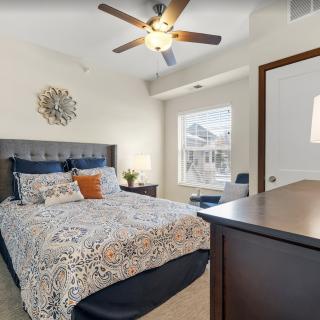
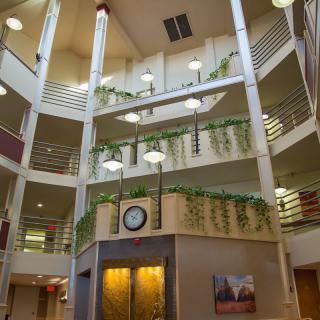
Multiple reviewers note the community looks well-kept and welcoming, with bright living spaces and an updated feel. Families also describe the apartments as comfortable and easy to live in, including weekly cleaning and laundry support. Several comments connect the look and upkeep to feeling at home after moving in.
caveat3 reviews mention this
Memory care experience is mixed
Memory care reviews include serious concerns about staffing and engagement.
While some families describe memory care as secure and feel supported during transitions, other reviews raise major issues with attention, engagement, and care coverage. The negative reviews specifically cite understaffing concerns and missed or inadequate help during times of need. Because the feedback is split, it’s worth asking detailed questions about daily coverage and how activities and meals are handled for memory care residents.
common2 reviews mention this
Nearby shopping and doctors
Common destinations are relatively close by.
The community’s location places everyday services and appointments within short drives, including a pharmacy nearby and a local physician office within about a mile. There are also several restaurants nearby, which can make informal outings easier for families and residents. Distances listed here are approximate based on nearby-place entries.
How we summarize
Counts show how many written reviews mention each theme; a review can touch several themes, and only frequently mentioned themes are displayed.
Hayden's House offers competitive pricing for its accommodations when compared to the broader market of Hennepin County and the state of Minnesota. For a studio unit, residents can expect to pay $3,600 per month, which is slightly lower than the county average of $3,713 and above the state average of $3,617. However, in the one-bedroom category, Hayden's pricing at $4,700 significantly exceeds both Hennepin County's rate of $3,550 and Minnesota's average of $2,893. The two-bedroom option follows a similar trend; priced at $6,200, it notably surpasses Hennepin County's average of $3,848 and the state's figure of $2,955. This indicates that while Hayden's House provides a premium environment or amenities for studio units, its one- and two-bedroom offerings might present challenges in terms of affordability relative to local norms.
Assisted living for adults with disabilities has transformed to provide personalized care and support services aimed at improving residents' quality of life while balancing independence and assistance. However, low-income individuals often face challenges in affording these services, requiring navigation of various financial resources and advocacy for better policies and solutions.
Assisted living facilities provide support for older adults needing help with daily activities without extensive medical care, but their costs can be high and vary by location and services offered. Families often seek various funding options and financial strategies to manage these expenses effectively while considering future needs and potential price increases.
The article discusses assisted living expenses, the importance of long-term care insurance in covering these costs, and various financing options, highlighting the need for careful policy review and early planning to address potential needs. It also clarifies common misconceptions about Medicare and private health insurance limitations regarding long-term care coverage.
Get PricingAsk A QuestionSchedule A TourContact Senior Advisor
By clicking submit, you agree to our Partner's Terms of Use. You
also consent to receive calls and texts, which may be autodialed, from our Partner. Your consent is not a condition to
using our Partner's service. Please visit our Partner's Privacy Policy for information about their privacy practices.



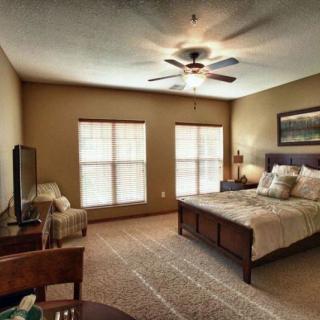
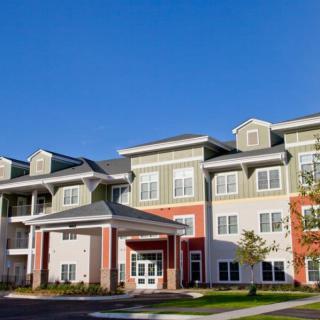
 4 resident community capacity
 Assisted Living
 Cable or satellite TV
 Dining room
 Fully furnished
 Garden
 Housekeeping services
 Move-in coordination
 Outdoor space
 Telephone
 Wi-Fi/high-speed internet available
 Minneapolis-St Paul International (15 miles away)
 24-hour supervision
 Activities of daily living assistance
 Assistance with bathing
 Assistance with dressing
 Assistance with transfers
 Diabetes diet
 Meal preparation and service
 Medication management
 Special dietary restrictions
 Transportation arrangement (medical)
 Transportation to doctors appointments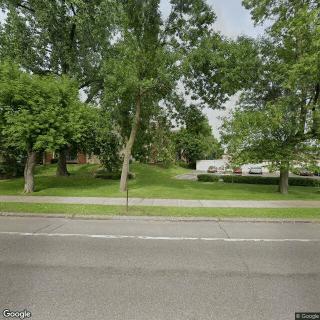
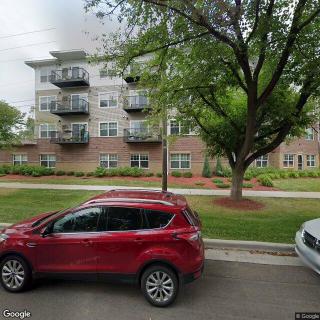
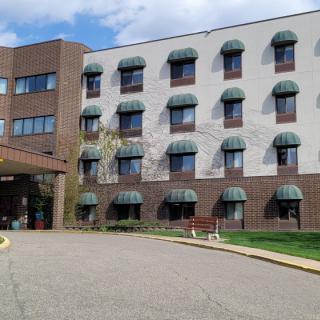
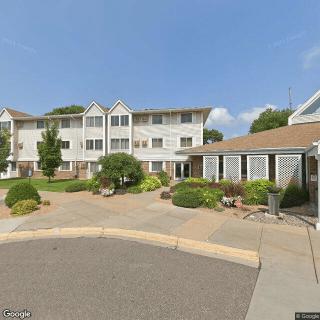
 Very affordable rents for 1- and 2-bedroom units; convenient access to dining, parks, pharmacies, and other services.

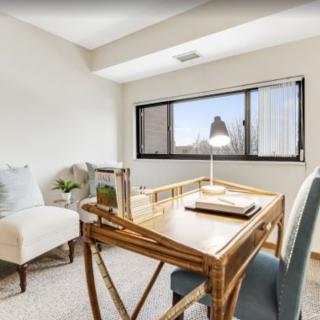
 Comprehensive Supportive Living Arrangements for Adults with Disabilities
 Funding and Affording Assisted Living: A Thorough Overview
 Assisted Living Expenses and Long-Term Care Insurance: A Comprehensive Exploration