Right At Home II in Minneapolis, MN

Information last verified:

1304 University Avenue North East #303, Minneapolis, MN 55413

For more information about senior living options: (844) 490-3973

4.5 from 25 reviews
5 stars
22
4 stars
0
3 stars
0
2 stars
0
1 stars
3

Seniors.FYI Elite Community Awards

Top 5% Senior Living Community in 2026

Add this award to your website

Overall Review of Right At Home II

Pros

  • pro Right at Home is prompt, responsive, and very helpful.
  • pro They offer flexible care plans that fit the needs of a loved one.
  • pro The caregiver is wonderful with Dad and encourages him to try new activities.
  • pro Paul, the owner, ensures the setup is well-organized and the caregiver fit is right.
  • pro The team is compassionate, caring, and highly trustworthy for home care.
  • pro They provide weekly updates on activities and progress.
  • pro The staff are dedicated, professional, and able to adapt to changing caregiving needs.
  • pro The services give families peace of mind and bring joy to their loved ones.
  • pro The care team feels like family, forming lasting relationships with clients.

Cons

  • pro The reviewer advised others not to use the organization, calling its customer service horrible and noting a lack of follow-through.
  • pro The reviewer described the fingerprinting office staff as lacking decorum, grabbing and squeezing their hands, and making insulting remarks such as calling them a whale.
  • pro The reviewer stated that they would not recommend doing business with this office.
  • pro The reviewer claimed that the caretakers assigned to their mom were horrible, citing issues such as leaving the water running (costing $10,000 to fix), losing the mom’s charge card, and buying the wrong groceries due to dyslexia.
  • pro The reviewer indicated they did not trust the organization to care for their loved one.

Review

Right At Home II in Minneapolis is best suited for families seeking dependable, non-medical in-home care that emphasizes companionship, daily living support, and steady caregiving relationships. It fits seniors who want to stay at home while receiving help with dressing, meals, housekeeping, errands, and gentle engagement activities. The program shines for memory-related needs as well, with caregivers who can provide patient supervision, cognitive engagement, and small-group or individual activities designed to spark interest. Importantly, the owner, Paul, takes hands-on responsibility for crafting a fit between caregiver and client, and the agency is wired to adjust plans to match evolving needs and budgets. This combination, personalized matching, flexible scheduling, and ongoing family updates, creates the core value proposition.

Those who should consider alternatives are caregivers seeking around-the-clock medical oversight, a facility-style environment, or guaranteed 24/7 clinical nursing presence. If the priority is highly structured, low-noise facility living with on-site medical staff and formal memory-care programming, a residential facility or a different care model may serve better. Likewise, if cost constraints are tight and the preferred model is lower-cost, less personalized care, or if the strongest requirement is absolute predictability with minimal caregiver turnover, other providers or arrangements could be more suitable. In short, when clinical intensity or a highly controlled residential setting is non-negotiable, keep alternatives in the mix.

The strongest pros center on accessibility, adaptability, and meaningful human connection. Caregivers are repeatedly described as trustworthy, compassionate, and well-matched to the individual’s temperament and routines. The owner and management are praised for prompt responsiveness and a thorough intake process that prioritizes the right fit, which translates into fewer care gaps and more reliable daily support. Families receive regular updates, and caregivers actively help with tasks that promote independence and engagement, ranging from tai chi outings to light housework and meal preparation. The consistency of caregivers and the emphasis on building a genuine relationship with both client and family consistently offset the anxiety of relying on external help, delivering clear peace of mind.

Yet the reviews do note notable drawbacks that merit consideration. A fingerprinting experience reported as unprofessional signals that a single negative incident can color perceptions, underscoring the need for careful front-end screening and ongoing supervision. A separate complaint about customer service and follow-through, while in the minority, reminds that no operation is immune to hiccups. Taken together, these concerns highlight the importance of establishing explicit expectations, a documented care plan, and a robust escalation framework. They should push families to demand clear communication channels, back-up coverage plans, and regular check-ins, especially during transitions or staffing changes.

Despite the blemishes, the pros overwhelmingly shape a compelling case for Right At Home II when the priority is compassionate, flexible, home-based care with real people who stay with families over time. The ability to scale care up or down as needs evolve, coupled with caregiver retention and a culture of thoughtful engagement, translates into sustained reliability that is hard to match in lower-contact arrangements. The risk of an isolated misstep is real, but it appears manageable through direct involvement by Paul, careful caregiver matching, and proactive family communication. For families valuing companionship, practical support, and the dignity of at-home living, the strength of the program often outweighs the occasional imperfect moment.

In the end, this community earns a strong recommendation for Minneapolis-area families who want an ally to help a loved one remain home with dignity and companionship. The clear next steps are practical: meet Paul and the care team in person, request a caregiver trial, outline a written care plan with measurable goals, and ask for references from families with similar needs. Confirm scheduling flexibility, backup coverage, and transparent pricing, including how memory-care tasks are managed. If the need is ultra-clinical or requires a facility environment, explore alternatives, but if staying at home with compassionate, responsive support is the objective, Right At Home II offers a convincing, well-supported path.

Features

Housing

  • 21 resident community capacity 21 resident community capacity

Types of Care

  • Assisted Living Assisted LivingAssisted living facilities provide crucial support and care for seniors who may need help with daily tasks such as medication management, bathing, and meal preparation. These communities offer a safe and comfortable environment where seniors can maintain their independence while receiving the assistance they need to thrive in their golden years.

Amenities

  • Beauty salon Beauty salonBeauty salons are important for seniors because they provide a space for them to feel pampered, socialize, and maintain their personal grooming and hygiene. Regular visits to a beauty salon can help boost seniors' self-esteem and overall well-being.
  • Cable or satellite TV Cable or satellite TVCable or satellite TV is important for seniors because it provides entertainment, news, and companionship, helping to combat loneliness and boredom. It also offers a wide range of programming options tailored to different interests and preferences.
  • Dining room Dining roomDining rooms are important for seniors as they provide a space for socialization, connection, and nutritious meals. They offer opportunities for residents to bond over shared meals, foster a sense of community, and promote healthy eating habits. Dining rooms also ensure that seniors have access to well-balanced meals tailored to their dietary needs and preferences.
  • Fully furnished Fully furnishedFully furnished senior living communities are important for seniors because they provide convenience, comfort, and a hassle-free moving experience. Seniors can easily settle into their new living space without the stress of having to buy and move furniture. This allows them to focus on enjoying their new home and community.
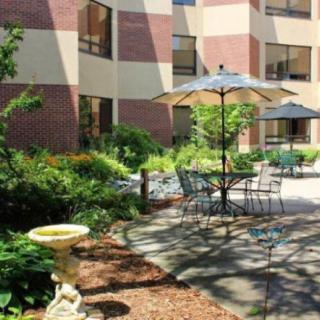
  • Garden GardenGardens are important for seniors as they provide a peaceful and therapeutic environment for relaxation, physical activity, and socialization. Being in nature has been shown to reduce stress, improve mood, and promote overall well-being. Gardens also offer opportunities for seniors to engage in gardening activities, which can improve mobility, flexibility, and cognitive function. Additionally, gardens create a sense of community and connection with others who share a passion for plants and outdoor spaces.
  • Housekeeping services Housekeeping servicesHousekeeping services are important for seniors because they help maintain a clean and safe living environment, promote independence, and reduce the risk of accidents or illnesses. Additionally, having assistance with household chores can alleviate physical strain and allow seniors to focus on other aspects of their well-being.
  • Kitchenette KitchenetteKitchenettes are important for seniors living in senior living communities because they provide the convenience and independence of being able to prepare simple meals and snacks in the comfort of their own living space. This can help promote a sense of autonomy and well-being for seniors, allowing them to maintain some level of control over their dietary choices and daily routines.
  • Move-in coordination Move-in coordinationMove-in coordination is important for seniors because it helps ease the transition into their new living environment. It ensures that all logistics, such as packing, organizing movers, and setting up utilities are taken care of, allowing seniors to focus on settling in and adjusting to their new home. Having a smooth move-in process can alleviate stress and anxiety, making the transition smoother and more enjoyable for seniors.
  • Outdoor space Outdoor spaceOutdoor spaces are important for seniors as they provide opportunities for physical activity, social interaction, exposure to natural light and fresh air, and a sense of connection to nature. Having access to outdoor spaces can improve overall well-being and quality of life for older adults living in senior communities.
  • Telephone TelephoneTelephones are important for seniors as they provide a lifeline for communication with loved ones, emergency services, and healthcare providers. They offer a sense of security and independence, enabling seniors to stay connected and access assistance when needed.
  • Wi-Fi/high-speed internet available Wi-Fi/high-speed internet availableWi-Fi/high-speed internet is important for seniors to stay connected with loved ones, access online resources, and participate in virtual activities to combat feelings of loneliness and isolation. It also allows them to easily manage healthcare needs, access entertainment, and engage in lifelong learning opportunities.

Transportation

  • Minneapolis-St Paul International (9 miles away) Minneapolis-St Paul International (9 miles away)

Care Services

  • 24-hour call system 24-hour call system24-hour call systems are important for seniors because they provide peace of mind and immediate assistance in case of emergencies. This technology ensures that help is always available, promoting safety and security for elderly individuals living alone or in assisted living facilities.
  • 24-hour supervision 24-hour supervision24-hour supervision is important for seniors to ensure their safety, well-being, and access to immediate assistance in case of emergencies or health issues. This constant support provides peace of mind for both seniors and their loved ones, allowing them to age in place with dignity and security.
  • Activities of daily living assistance Activities of daily living assistanceActivities of daily living assistance are important for seniors because they provide essential support with tasks such as eating, bathing, dressing, and mobility. This assistance helps seniors maintain their independence, dignity, and overall quality of life as they age.
  • Assistance with bathing Assistance with bathingAssistance with bathing is crucial for seniors as it helps maintain personal hygiene, prevents infections, and ensures their overall well-being and comfort. It also provides a sense of dignity and independence for seniors who may struggle with this task on their own.
  • Assistance with dressing Assistance with dressingAssistance with dressing is important for seniors because it helps maintain their independence, promotes personal hygiene, prevents accidents and injuries, and improves overall quality of life. This service ensures that seniors can continue to dress comfortably and confidently, despite any physical limitations they may have.
  • Assistance with transfers Assistance with transfersAssistance with transfers is crucial for seniors as it helps prevent falls and injuries, maintains their independence, and ensures they can safely navigate their living environment. It also provides peace of mind for both seniors and their loved ones.
  • Coordination with health care providers Coordination with health care providersCoordination with health care providers is crucial for seniors to ensure proper medical care, medication management, and overall well-being. This collaboration helps prevent overlapping treatments, track progress more effectively, and provide comprehensive support tailored to individual needs.
  • Diabetes diet Diabetes dietA diabetes diet is crucial for seniors as it helps manage blood sugar levels, reduce risks of complications, and improve overall health and well-being. By following a balanced and nutritious diet tailored to their specific needs, seniors can better control their diabetes and enhance their quality of life.
  • Meal preparation and service Meal preparation and serviceMeal preparation and service are crucial for seniors as they may have limited mobility or energy to cook nutritious meals. Having access to healthy and convenient food options can ensure they are getting the proper nutrition needed to maintain their overall health and well-being.
  • Medication management Medication managementMedication management is crucial for seniors to ensure they are taking the right medications at the correct dosages and times. This helps prevent adverse drug interactions, reduces the risk of medication errors, and promotes overall health and well-being. Proactive management also allows for adjustments as needed based on changing health conditions or new prescriptions.
  • Mental wellness program Mental wellness programMental wellness programs are essential for seniors as they promote cognitive stimulation, emotional support, and social engagement. These programs help prevent isolation, depression, and cognitive decline, ultimately enhancing the overall quality of life for older adults.
  • Special dietary restrictions Special dietary restrictionsSpecial dietary restrictions are important for seniors because age-related changes in metabolism and health conditions can make it difficult for their bodies to process certain foods. By following a diet tailored to their specific needs, seniors can maintain their overall health and well-being, manage chronic conditions, and reduce the risk of complications such as malnutrition or food interactions with medications.
  • Transportation arrangement (medical) Transportation arrangement (medical)Transportation arrangements for medical purposes are essential for seniors as they may have difficulty driving themselves to appointments or accessing public transportation. Having reliable and safe transportation options ensures that seniors can receive timely medical care and maintain their health and well-being.
  • Transportation to doctors appointments Transportation to doctors appointmentsTransportation to doctors' appointments is crucial for seniors as it ensures they have access to necessary medical care and support for their health needs. Without reliable transportation, seniors may struggle to attend important appointments, leading to potential delays in treatment and health complications. Providing transportation services helps seniors maintain their overall well-being and quality of life.

Dining

  • Diabetes diet Diabetes dietA diabetes diet is crucial for seniors as it helps manage blood sugar levels, reduce risks of complications, and improve overall health and well-being. By following a balanced and nutritious diet tailored to their specific needs, seniors can better control their diabetes and enhance their quality of life.
  • Special dietary restrictions Special dietary restrictionsSpecial dietary restrictions are important for seniors because age-related changes in metabolism and health conditions can make it difficult for their bodies to process certain foods. By following a diet tailored to their specific needs, seniors can maintain their overall health and well-being, manage chronic conditions, and reduce the risk of complications such as malnutrition or food interactions with medications.

Activities

  • Community-sponsored activities Community-sponsored activitiesCommunity-sponsored activities are important for seniors as they provide opportunities for social interaction, mental stimulation, and physical activity. These activities can help improve overall well-being, combat loneliness and isolation, and promote a sense of belonging and purpose among older adults.
  • Scheduled daily activities Scheduled daily activitiesScheduled daily activities are important for seniors because they provide structure, socialization, mental stimulation, and physical activity. Engaging in regular activities can improve overall well-being and quality of life for seniors living in a community setting.

Description

Right At Home II in Minneapolis, MN is an exceptional assisted living community that offers a wide range of amenities and care services to ensure the comfort and well-being of its residents. Our fully furnished apartments provide a warm and inviting atmosphere, with amenities such as cable or satellite TV, Wi-Fi/high-speed internet, and telephone services available.

Residents can enjoy delicious meals in our dining room, with special dietary restrictions taken into consideration. Our expert staff also provides assistance with activities of daily living, including bathing, dressing, and transfers. Medication management ensures that each resident receives their prescribed medications in a timely manner.

At Right At Home II, we prioritize the mental wellness of our residents by offering a mental wellness program that includes scheduled daily activities to keep them engaged and entertained. Outdoor spaces and gardens are available for residents who enjoy spending time outdoors. Housekeeping services ensure that the community remains clean and tidy at all times.

Transportation arrangements are made for medical appointments and there are several cafes, parks, pharmacies, restaurants, places of worship, theaters, physicians' offices nearby for added convenience. We also offer coordination with healthcare providers to ensure comprehensive care for our residents.

Choose Right At Home II in Minneapolis for exceptional assisted living services that prioritize comfort, safety, and overall well-being.

Nearby Places of Interest

Restaurants

  • McDonald's (0.1 miles)
  • Northeast Yacht Club (0.4 miles)
  • Jimmy's Bar & Lounge (0.4 miles)
  • Elsie's Restaurant, Bar & Bowling (0.5 miles)
  • Indeed Brewing Company (0.6 miles)
  • Psycho Suzi's Motor Lounge (0.6 miles)
  • Spring Street Tavern (0.7 miles)

Parks

  • Boom Island Park (0.6 miles)
  • North Loop Dog Park (1.2 miles)
  • Mill Ruins Park (1.5 miles)
  • Gateway Dog Park - Off-Leash Play Area (2.1 miles)
  • Loring Park (2.4 miles)
  • Franklin Terrace Off-Leash Dog Park (3.1 miles)
  • Silverwood Park (3.7 miles)

Pharmacies

  • Walgreens (1.2 miles)
  • Walgreens (1.8 miles)
  • Target Pharmacy (1.9 miles)
  • CVS Pharmacy (2.5 miles)
  • Walgreens (2.5 miles)
  • CVS Pharmacy (2.8 miles)
  • Walgreens (3.2 miles)

Hospitals

  • Hennepin County Medical Center (2 miles)
  • Csc Gi Lab (2.1 miles)
  • University of Minnesota Medical Center - East Bank Campus (2.6 miles)
  • Regency Hospital (3.5 miles)

Places of Worship

  • Westminster Presbyterian Church (2.1 miles)
  • Elim Church Center (3.9 miles)
  • Fridley United Methodist Church (5.9 miles)

Cafes

  • Dunn Brothers Coffee (2.5 miles)
  • Spyhouse Coffee (3.3 miles)
  • Starbucks (3.3 miles)
  • Roundtable Cof (4 miles)
  • Caribou Coffee (4.4 miles)
  • Groundswell (5.9 miles)

Physicians

  • Whittier Clinic (3.5 miles)
  • HealthPartners Health Center for Women Clinic St Paul (3.6 miles)
  • Fairview Clinics (5.1 miles)
  • Eye Care Center (5.6 miles)
  • Fairview Fridley Clinic (5.7 miles)
  • Cardiovascular Systems (5.8 miles)
  • Dermatology Consultants P.A. (5.9 miles)

Transportation

  • Minnesota State Fair Transit Hub (4.4 miles)

Theaters

  • AMC Rosedale 14 (4.7 miles)

Frequently Asked Questions

Where is Right At Home II?

Nearby Communities

  • Right at Home Twin Cities North and Central

    Right at Home Twin Cities North and Central

    Minneapolis, MN

    4.5 from 26 reviews
     

    pro Consistent caregiver visits (same person three times weekly) and thorough cleaning, at an affordable price with a professional recommendation.
  • Wyndris

    Wyndris

    Minneapolis, MN

    4.8 from 9 reviews
     

    pro Walkable access to local amenities; on-site restaurant; pet-friendly; friendly, well-maintained atmosphere.

  • 1101 on Main

    1101 on Main

    Minneapolis, MN

    2 from 9 reviews
    $1,200 to $2,225 / month

    pro Open, airy floor plans with modern appliances and in-unit laundry, plus abundant natural light.

  • MainStreet Lodge

    MainStreet Lodge

    Minneapolis, MN

    4.9 from 12 reviews
    $2,770 to $3,130 / month

    pro Friendly staff with engaging activities in a clean, home-like setting.

  • Catholic Eldercare

    Catholic Eldercare

    Minneapolis, MN

    3.5 from 50 reviews
     

    pro Friendly staff in a well-maintained facility with comprehensive amenities and memory-care programming.

  • Catholic Eldercare At Home

    Catholic Eldercare At Home

    Minneapolis, MN

    3.4 from 36 reviews
     

    pro 24/7 supervision and ADL assistance in a home-like setting.

  • The Estates At Chateau

    The Estates At Chateau

    Minneapolis, MN

    3.1 from 26 reviews
    $3,600 / month

    pro Affordable private-room price with extensive on-site services.

  • New Perspective Senior Living | Columbia Heights

    New Perspective Senior Living | Columbia Heights

    Columbia Heights, MN

    4.3 from 69 reviews
    $2,616 to $4,411 / month

    pro Friendly staff and a welcoming, engaging environment with solid studio value.

  • Ebenezer Care Center

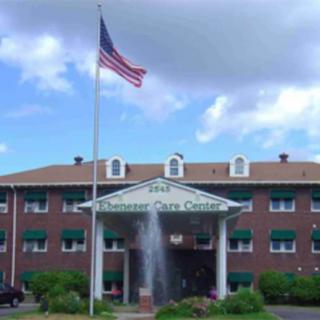
    Ebenezer Care Center

    Minneapolis, MN

    4.2 from 10 reviews
     

    pro Initial tours showed safety and accessible activity areas.

Related Resources

  • how to pay for assisted livingSecuring Financial Support for Assisted Living: A Comprehensive Overview

    Assisted living facilities offer crucial support for older adults needing help with daily activities but come with varying and significant costs, which can be financed through personal savings, government assistance programs, long-term care insurance, and home equity options. Professional guidance from experts can aid families in navigating these financial complexities to establish a sustainable budgeting approach for assisted living services.

  • assisted living for seniors on social securitySocial Security Benefits and Assisted Living: Navigating Options Across the U.S.

    Assisted living costs often exceed Social Security benefits, necessitating a combination of funding sources like state aid and Medicaid. Understanding the interaction between Social Security programs and available financial support is essential for affording such care.

  • aid and attendance vaAn Extensive Exploration of the VA Aid and Attendance Benefit

    The VA Aid and Attendance benefit provides financial support to veterans needing assistance with daily living due to medical conditions or disabilities, augmenting standard VA pensions for services like in-home care. Eligibility is based on service duration, wartime status, income, and medical needs, with a detailed application process required to access funds for caregiving and home modifications.