Catholic Eldercare At Home

Save
Catholic Eldercare At Home

Catholic Eldercare At Home

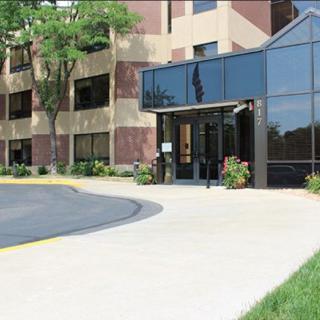
817 Northeast Main Street, Minneapolis, MN 55413

For more information about senior living options: (844) 490-3973

3.4 from 36 reviews
5 stars
19
4 stars
2
3 stars
0
2 stars
3
1 stars
12

Assisted Living

Overall Review of Catholic Eldercare At Home

Pros

  • pro Catholic Eldercare is an amazing facility with pastoral care for everyone.
  • pro The place is loving and caring, with incredibly awesome and compassionate staff.
  • pro The environment is clean and calming.
  • pro Bridgette and the team are fabulous - well coordinated and good at communicating with loved ones.
  • pro The transitional care unit provides excellent care with knowledgeable medical staff, and the staff seem happy and lift residents' moods.
  • pro The facility is spacious, well maintained, and well staffed, with a beautiful church connected to it.
  • pro The staff are very caring; the care is excellent; the food is great; the staff are supportive, compassionate, and understanding.
  • pro The day program is loved by participants.

Cons

  • pro The administration and some nursing staff are not focused on meeting the family's needs for their loved one.
  • pro The mother has not received liturgical attention in two years.
  • pro Care staff are reprimanded for pointing out poor care, which is troublesome.
  • pro The facility is dirty and stinky.
  • pro The staff did not respond to the patient's buzzer in a timely manner and did not provide adequate assistance.
  • pro There were instances of wrong medications being given and pain medications being delayed for hours, with inadequate wound care.
  • pro Some staff refused basic requests (such as bathing) and were quick to administer sedating medications.

Review

The reviews present a wide-ranging and often contradictory portrait of a large elder care campus that includes a short-term medical unit, a nursing home, and an assisted living building, all connected to a church. On one hand, many readers celebrate the facility for its warmth, spirituality, and compassionate caregivers. On the other, a substantial number of reviewers describe gaps in care, communication lapses, and administrative or operational shortcomings. Taken together, the comments paint a complex picture of a place that can feel like a loving home to some families and a source of deep disappointment for others.

A thread running through the praise is the strength of the direct care staff and the value of the facility's spiritual and community offerings. Several reviews call care workers excellent, with many noting genuine compassion and a willingness to go the extra mile. People highlight the presence of pastoral care that serves all residents, not just Catholics, and they appreciate the opportunity to attend Mass, receive communion, and feel connected to a church on-site. The environment is repeatedly described as clean, calming, and well maintained, contributing to a sense of dignity for residents. In several accounts, individual aides and nurses are singled out for their kindness and dedication, and the overall tone in these testimonials is one of gratitude for the human connection families felt with staff.

Positive experiences aren't limited to bedside care. Families frequently mention well-organized communication with loved ones, especially in the case of the day programs and transition-related units. For example, a reviewer praised a care team led by a coordinator who kept families in the loop, and other comments point to cohesive teamwork and happy, uplifting staff. There are hints of strong professional competence in specific settings as well - the transitional care unit is described as having knowledgeable medical staff, and the day program is characterized as a place he and others look forward to attending. A few reviewers even consider the facility a source of real comfort during difficult times, with visits that feel meaningful and supportive.

Yet the positive notes are interwoven with substantial criticisms that recur across several stories. Some reviewers describe a pattern of neglect or indifference among staff - situations where a large portion of the caregiving team seemed disengaged, leaving family members feeling unseen or unheard. There are accounts of dangerous oversights, including delays in pain medication, incorrect medications, and inconsistent wound or basic care orders. Several families report oxygen levels being kept too low or other respirator-related issues, and others describe meals that arrive without the anticipated attention to timing or temperature, which intersect with medical plans that rely on timely nutrition. In the most severe stories, residents experienced distressing declines or harm allegedly linked to care lapses, with some reviewers stating that state authorities or investigations found fault with the facility.

Another recurring theme is the tension between praise for the facility's mission and outright frustration with administrative practices. Some reviewers note that staff are quick to help and that the institution's faith-based approach is a meaningful pillar for families. Conversely, others allege that administration and even some nursing leadership can be punitive toward staff who speak up about problems, creating an atmosphere where concerns feel stifled. There are mentions of confusing or late notices about insurance coverage, with families left uncertain about eligibility or billing, and some accounts of front-desk or administrative responses that felt unhelpful or distant, which compounds the challenges of coordinating care.

The reviews also reflect variation in experience across different parts of the campus. One reviewer describes the facility as large and multi-faceted, with high praise for maintenance and physical infrastructure, and for the administration and medical staff in some interactions. In contrast, other reviewers give a starkly negative verdict, emphasizing dirtiness and a strong aversion to returning to the facility. The same property is described in different lights: as a loving, church-connected home to many, and as a place where serious safety concerns, inconsistent care, and poor responsiveness overshadow the positives for others.

Ultimately, the collection depicts a place with undeniable strengths and real warmth - especially in its spiritual care, community atmosphere, and some caregiving teams - alongside troubling weaknesses in clinical consistency, safety, and communication. For families evaluating this campus, the messages suggest paying particular attention to the specific unit and staff involved, requesting opportunities to observe care practices, asking pointed questions about med administration and response times, and seeking clear information about insurance and billing processes. The facility's capacity to offer a comforting, faith-centered environment is clear, but so too is the need for vigilance and advocacy to ensure that residents receive timely, accurate, and compassionate care across all settings within the campus.

Features

Housing

  • 21 resident community capacity 21 resident community capacity

Types of Care

  • Assisted Living Assisted LivingAssisted living facilities provide crucial support and care for seniors who may need help with daily tasks such as medication management, bathing, and meal preparation. These communities offer a safe and comfortable environment where seniors can maintain their independence while receiving the assistance they need to thrive in their golden years.

Amenities

  • Beauty salon Beauty salonBeauty salons are important for seniors because they provide a space for them to feel pampered, socialize, and maintain their personal grooming and hygiene. Regular visits to a beauty salon can help boost seniors' self-esteem and overall well-being.
  • Cable or satellite TV Cable or satellite TVCable or satellite TV is important for seniors because it provides entertainment, news, and companionship, helping to combat loneliness and boredom. It also offers a wide range of programming options tailored to different interests and preferences.
  • Dining room Dining roomDining rooms are important for seniors as they provide a space for socialization, connection, and nutritious meals. They offer opportunities for residents to bond over shared meals, foster a sense of community, and promote healthy eating habits. Dining rooms also ensure that seniors have access to well-balanced meals tailored to their dietary needs and preferences.
  • Fully furnished Fully furnishedFully furnished senior living communities are important for seniors because they provide convenience, comfort, and a hassle-free moving experience. Seniors can easily settle into their new living space without the stress of having to buy and move furniture. This allows them to focus on enjoying their new home and community.
  • Garden GardenGardens are important for seniors as they provide a peaceful and therapeutic environment for relaxation, physical activity, and socialization. Being in nature has been shown to reduce stress, improve mood, and promote overall well-being. Gardens also offer opportunities for seniors to engage in gardening activities, which can improve mobility, flexibility, and cognitive function. Additionally, gardens create a sense of community and connection with others who share a passion for plants and outdoor spaces.
  • Housekeeping services Housekeeping servicesHousekeeping services are important for seniors because they help maintain a clean and safe living environment, promote independence, and reduce the risk of accidents or illnesses. Additionally, having assistance with household chores can alleviate physical strain and allow seniors to focus on other aspects of their well-being.
  • Kitchenette KitchenetteKitchenettes are important for seniors living in senior living communities because they provide the convenience and independence of being able to prepare simple meals and snacks in the comfort of their own living space. This can help promote a sense of autonomy and well-being for seniors, allowing them to maintain some level of control over their dietary choices and daily routines.
  • Move-in coordination Move-in coordinationMove-in coordination is important for seniors because it helps ease the transition into their new living environment. It ensures that all logistics, such as packing, organizing movers, and setting up utilities are taken care of, allowing seniors to focus on settling in and adjusting to their new home. Having a smooth move-in process can alleviate stress and anxiety, making the transition smoother and more enjoyable for seniors.
  • Outdoor space Outdoor spaceOutdoor spaces are important for seniors as they provide opportunities for physical activity, social interaction, exposure to natural light and fresh air, and a sense of connection to nature. Having access to outdoor spaces can improve overall well-being and quality of life for older adults living in senior communities.
  • Telephone TelephoneTelephones are important for seniors as they provide a lifeline for communication with loved ones, emergency services, and healthcare providers. They offer a sense of security and independence, enabling seniors to stay connected and access assistance when needed.
  • Wi-Fi/high-speed internet available Wi-Fi/high-speed internet availableWi-Fi/high-speed internet is important for seniors to stay connected with loved ones, access online resources, and participate in virtual activities to combat feelings of loneliness and isolation. It also allows them to easily manage healthcare needs, access entertainment, and engage in lifelong learning opportunities.

Transportation

  • Minneapolis-St Paul International (8 miles away) Minneapolis-St Paul International (8 miles away)

Care Services

  • 24-hour call system 24-hour call system24-hour call systems are important for seniors because they provide peace of mind and immediate assistance in case of emergencies. This technology ensures that help is always available, promoting safety and security for elderly individuals living alone or in assisted living facilities.
  • 24-hour supervision 24-hour supervision24-hour supervision is important for seniors to ensure their safety, well-being, and access to immediate assistance in case of emergencies or health issues. This constant support provides peace of mind for both seniors and their loved ones, allowing them to age in place with dignity and security.
  • Activities of daily living assistance Activities of daily living assistanceActivities of daily living assistance are important for seniors because they provide essential support with tasks such as eating, bathing, dressing, and mobility. This assistance helps seniors maintain their independence, dignity, and overall quality of life as they age.
  • Assistance with bathing Assistance with bathingAssistance with bathing is crucial for seniors as it helps maintain personal hygiene, prevents infections, and ensures their overall well-being and comfort. It also provides a sense of dignity and independence for seniors who may struggle with this task on their own.
  • Assistance with dressing Assistance with dressingAssistance with dressing is important for seniors because it helps maintain their independence, promotes personal hygiene, prevents accidents and injuries, and improves overall quality of life. This service ensures that seniors can continue to dress comfortably and confidently, despite any physical limitations they may have.
  • Assistance with transfers Assistance with transfersAssistance with transfers is crucial for seniors as it helps prevent falls and injuries, maintains their independence, and ensures they can safely navigate their living environment. It also provides peace of mind for both seniors and their loved ones.
  • Coordination with health care providers Coordination with health care providersCoordination with health care providers is crucial for seniors to ensure proper medical care, medication management, and overall well-being. This collaboration helps prevent overlapping treatments, track progress more effectively, and provide comprehensive support tailored to individual needs.
  • Diabetes diet Diabetes dietA diabetes diet is crucial for seniors as it helps manage blood sugar levels, reduce risks of complications, and improve overall health and well-being. By following a balanced and nutritious diet tailored to their specific needs, seniors can better control their diabetes and enhance their quality of life.
  • Meal preparation and service Meal preparation and serviceMeal preparation and service are crucial for seniors as they may have limited mobility or energy to cook nutritious meals. Having access to healthy and convenient food options can ensure they are getting the proper nutrition needed to maintain their overall health and well-being.
  • Medication management Medication managementMedication management is crucial for seniors to ensure they are taking the right medications at the correct dosages and times. This helps prevent adverse drug interactions, reduces the risk of medication errors, and promotes overall health and well-being. Proactive management also allows for adjustments as needed based on changing health conditions or new prescriptions.
  • Mental wellness program Mental wellness programMental wellness programs are essential for seniors as they promote cognitive stimulation, emotional support, and social engagement. These programs help prevent isolation, depression, and cognitive decline, ultimately enhancing the overall quality of life for older adults.
  • Special dietary restrictions Special dietary restrictionsSpecial dietary restrictions are important for seniors because age-related changes in metabolism and health conditions can make it difficult for their bodies to process certain foods. By following a diet tailored to their specific needs, seniors can maintain their overall health and well-being, manage chronic conditions, and reduce the risk of complications such as malnutrition or food interactions with medications.
  • Transportation arrangement (medical) Transportation arrangement (medical)Transportation arrangements for medical purposes are essential for seniors as they may have difficulty driving themselves to appointments or accessing public transportation. Having reliable and safe transportation options ensures that seniors can receive timely medical care and maintain their health and well-being.
  • Transportation to doctors appointments Transportation to doctors appointmentsTransportation to doctors' appointments is crucial for seniors as it ensures they have access to necessary medical care and support for their health needs. Without reliable transportation, seniors may struggle to attend important appointments, leading to potential delays in treatment and health complications. Providing transportation services helps seniors maintain their overall well-being and quality of life.
Dining

  • Diabetes diet Diabetes dietA diabetes diet is crucial for seniors as it helps manage blood sugar levels, reduce risks of complications, and improve overall health and well-being. By following a balanced and nutritious diet tailored to their specific needs, seniors can better control their diabetes and enhance their quality of life.
  • Special dietary restrictions Special dietary restrictionsSpecial dietary restrictions are important for seniors because age-related changes in metabolism and health conditions can make it difficult for their bodies to process certain foods. By following a diet tailored to their specific needs, seniors can maintain their overall health and well-being, manage chronic conditions, and reduce the risk of complications such as malnutrition or food interactions with medications.

Activities

  • Community-sponsored activities Community-sponsored activitiesCommunity-sponsored activities are important for seniors as they provide opportunities for social interaction, mental stimulation, and physical activity. These activities can help improve overall well-being, combat loneliness and isolation, and promote a sense of belonging and purpose among older adults.
  • Resident-run activities Resident-run activitiesResident-run activities are important for seniors as they encourage social interaction, creativity, and a sense of autonomy. These activities empower seniors to stay engaged and active in their community while fostering meaningful connections with their peers.
  • Scheduled daily activities Scheduled daily activitiesScheduled daily activities are important for seniors because they provide structure, socialization, mental stimulation, and physical activity. Engaging in regular activities can improve overall well-being and quality of life for seniors living in a community setting.

Description

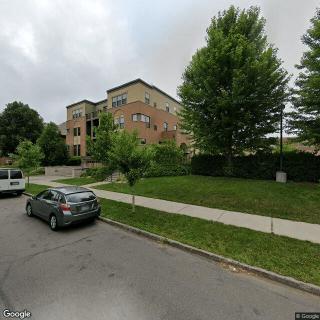
Catholic Eldercare At Home is an assisted living community located in the heart of Minneapolis, MN. Our community offers a wide range of amenities and care services to ensure that our residents are comfortable and well taken care of.

Our fully furnished apartments are designed to feel like home, with cable or satellite TV and Wi-Fi/high-speed internet for entertainment and connectivity. Each apartment also has a kitchenette for residents who prefer to prepare their own meals.

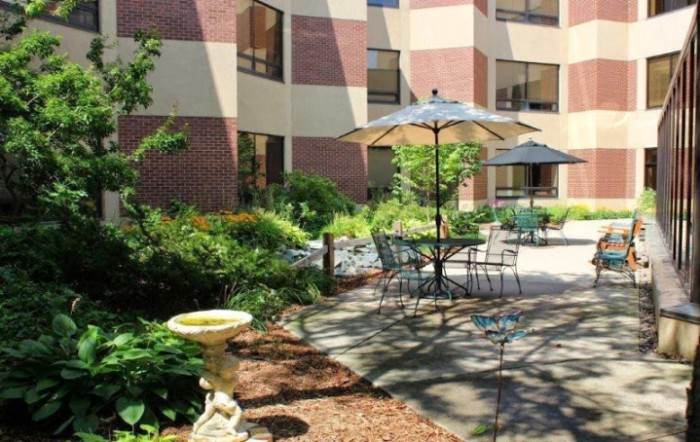
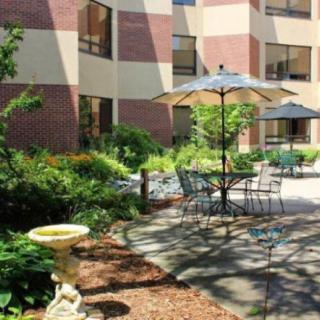
Housekeeping services are provided regularly to maintain cleanliness and tidiness. Outdoor spaces and gardens provide opportunities for residents to enjoy nature and fresh air.

Our caring staff provides 24-hour supervision and assistance with activities of daily living, including bathing, dressing, and transfers. We also coordinate with health care providers to ensure that our residents receive the necessary medical attention.

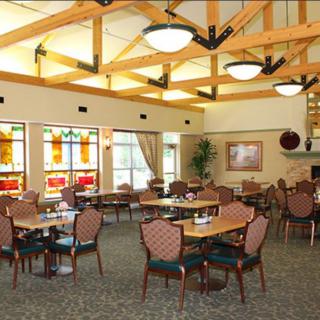
We understand that dietary restrictions may vary among our residents, which is why we offer special dietary options and diabetes diets. Our team prepares nutritious meals daily, served in our dining room.

To promote mental wellness, we have a dedicated program that focuses on activities and therapies tailored to each resident's needs. Socialization is encouraged through resident-run activities and scheduled daily activities.

Convenience is key at Catholic Eldercare At Home. We have numerous nearby amenities such as cafes, parks, pharmacies, restaurants, transportation options, places of worship, theaters, and hospitals – ensuring that our residents can easily access the services they need.

At Catholic Eldercare At Home in Minneapolis, fostering independence while providing quality care is our top priority.

Nearby Places of Interest

Restaurants

  • Northeast Yacht Club (0.1 miles)
  • Elsie's Restaurant, Bar & Bowling (0.1 miles)
  • McDonald's (0.2 miles)
  • Spring Street Tavern (0.6 miles)
  • Pryes Brewing Company (0.6 miles)
  • Jimmy's Bar & Lounge (0.8 miles)
  • Indeed Brewing Company (0.8 miles)

Parks

  • Boom Island Park (0.4 miles)
  • North Loop Dog Park (0.9 miles)
  • Mill Ruins Park (1.2 miles)
  • Gateway Dog Park - Off-Leash Play Area (1.8 miles)
  • Loring Park (2.1 miles)
  • Franklin Terrace Off-Leash Dog Park (2.9 miles)
  • Silverwood Park (4 miles)

Pharmacies

  • Walgreens (1.5 miles)
  • Walgreens (1.5 miles)
  • Target Pharmacy (1.7 miles)
  • Walgreens (2.4 miles)
  • CVS Pharmacy (2.4 miles)
  • CVS Pharmacy (2.8 miles)
  • Walgreens (3.4 miles)

Hospitals

  • Hennepin County Medical Center (1.7 miles)
  • Csc Gi Lab (1.8 miles)
  • University of Minnesota Medical Center - East Bank Campus (2.4 miles)
  • Regency Hospital (3.4 miles)

Places of Worship

  • Westminster Presbyterian Church (1.8 miles)
  • Elim Church Center (4 miles)

Cafes

  • Dunn Brothers Coffee (2.2 miles)
  • Spyhouse Coffee (3 miles)
  • Starbucks (3.6 miles)
  • Roundtable Cof (3.9 miles)
  • Caribou Coffee (4.6 miles)
  • Groundswell (5.9 miles)

Physicians

  • Whittier Clinic (3.2 miles)
  • HealthPartners Health Center for Women Clinic St Paul (3.5 miles)
  • Fairview Clinics (5.4 miles)
  • Dermatology Consultants P.A. (5.8 miles)
  • Eye Care Center (6 miles)
  • Fairview Fridley Clinic (6 miles)

Transportation

  • Minnesota State Fair Transit Hub (4.4 miles)

Theaters

  • AMC Rosedale 14 (4.8 miles)

Frequently Asked Questions

Where is Catholic Eldercare At Home?

Nearby Communities

Related Resources

  • assisted living vs memory careAssisted Living and Memory Care: Understanding Their Core Differences

    Assisted living provides moderate support for seniors seeking independence, while memory care offers specialized support for individuals with dementia or cognitive impairments through structured routines and trained staff. Key differences include care approaches, environment security measures, staff training levels, activity types, and cost considerations.

  • assisted living activitiesBeyond the Bingo Hall: 50+ Enriching Activities for Seniors in Assisted Living

    Assisted living communities offer diverse activities beyond traditional games to enhance seniors' physical health, cognitive well-being, emotional enrichment, and social connections, including fitness classes, creative expression, and intergenerational interactions. These enriching programs foster community bonds and support residents' independence and happiness.

  • assisted living vs memory careUnderstanding the Distinctions: Assisted Living and Memory Care Explained
    The article differentiates between assisted living and memory care, explaining that assisted living supports seniors with daily activities while promoting independence, whereas memory care provides specialized services for individuals with dementia, focusing on secure environments and cognitive support. It also addresses staff training, safety considerations, costs, family involvement, and transition strategies for families navigating these care options.