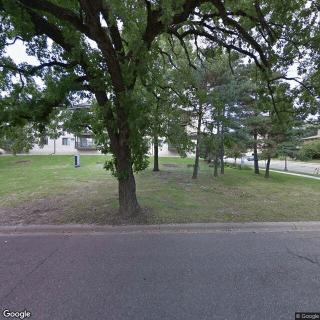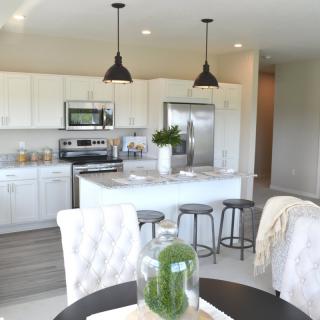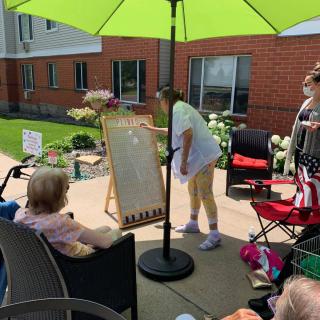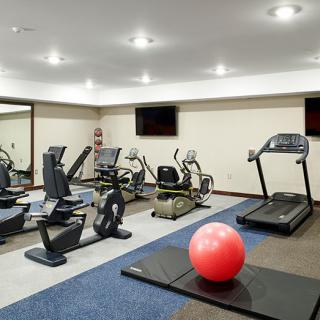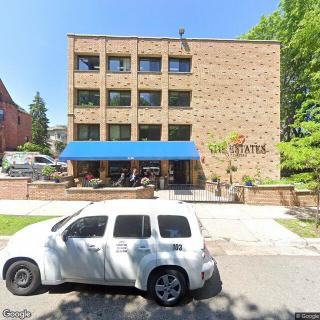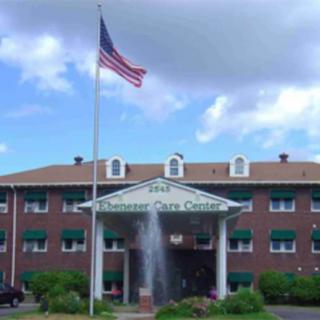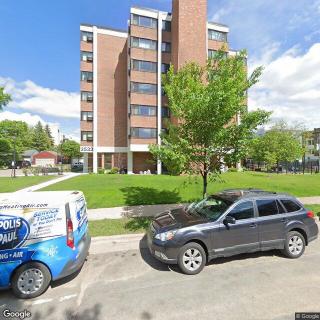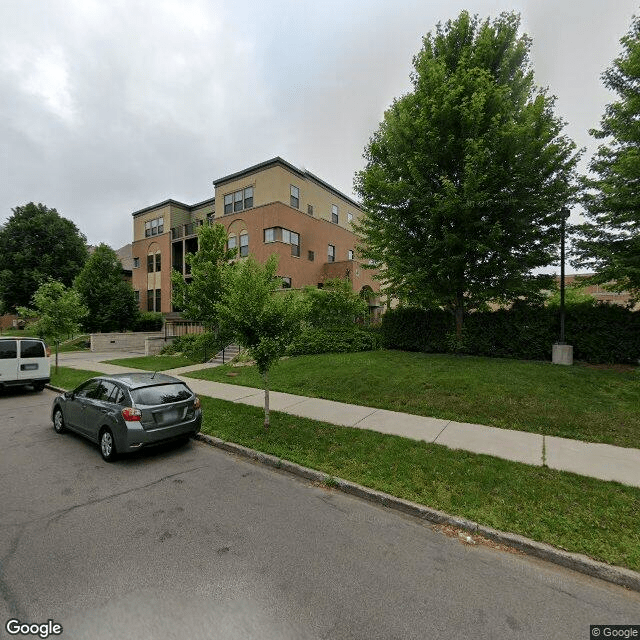
Peter Nasseff Home in Minneapolis, MN

Save
Peter Nasseff Home

Peter Nasseff Home in Minneapolis, MN

621 Second Street NE, Minneapolis, MN 55413

For more information about senior living options: (844) 490-3973

4.7 from 7 reviews
5 stars
5
4 stars
2
3 stars
0
2 stars
0
1 stars
0

Active Adult Communities (55+)

Peter Nasseff Home Costs & Pricing

Peter Nasseff Home offers an appealing cost structure for residents seeking affordable housing options. For a one-bedroom unit, the monthly rent is set at $1,250, significantly lower than both Hennepin County's average of $3,550 and Minnesota's statewide average of $2,893. Similarly, the two-bedroom option at Peter Nasseff Home is priced at $1,400, which again stands in stark contrast to Hennepin County's average of $3,848 and Minnesota's average of $2,955. This competitive pricing not only underscores Peter Nasseff Home's commitment to providing accessible living solutions but also highlights its role as a viable choice for those looking to balance quality living with economic considerations.

Floor plansPeter Nasseff HomeHennepin CountyMinnesota
1 Bedroom$1,250$3,550$2,893
2 Bedrooms$1,400$3,848$2,955

Overall Review of Peter Nasseff Home

Pros

  • pro The place is great.
  • pro The staff are great and the location is wonderful.
  • pro The tour of the community was pleasant and everything went well.
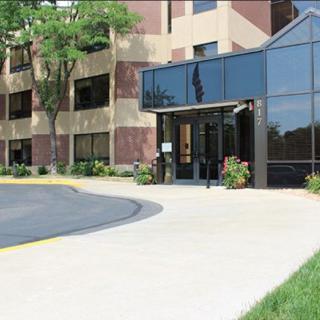
  • pro The community looked very clean and modern.
  • pro The tour guide was kind and informative.
  • pro Henry was a delight to talk to.

Cons

  • pro The reviewer found another community that better suited their needs.
  • pro The reviewer noted that all-electric utilities could prove expensive.
  • pro Too many applications that are not fulfilled have negative effects on his business.

Review

Peter Nasseff Home in Minneapolis is best suited for seniors who want a clean, modern independent-living setting with a strong sense of community and an affordable price tag, all anchored by a church-supported ownership model. The building is newly constructed, the apartments are designed for efficiency, and staff are described as courteous in a location-rich environment. For residents who prize a predictable routine, straightforward maintenance, and social opportunities over formal care services, this community delivers a practical, low-stress option. The presence of volunteers to assist as needed adds a helpful layer without turning the campus into a full-service care facility, which suits those who can manage basic tasks with light help.

Those who should consider alternatives are primarily people needing ongoing assisted living or memory-care support, or anyone seeking larger living spaces or a broader mix of on-site services. The independent-living focus means formal caregiving isn't the core offering, so individuals anticipating rising care needs may outgrow the capacity of this setting. Electric utilities are all-electric, which can inflate monthly costs for energy-intensive lifestyles, a factor to weigh for residents with high electrical usage. Additionally, the lease process, with a preference for firm commitments, may feel restrictive for applicants seeking more flexible occupancy or for families wary of application delays or non-fulfillment of paperwork.

On the plus side, the pros align well with practical senior living goals. The facility's cleanliness and modern appeal create an immediate sense of order and comfort, while the tour experience described as pleasant and informative signals a well-run operation. The location is repeatedly praised for convenience, reducing transportation friction for daily errands, appointments, and social activities. Affordability stands out in the independent-living category, especially given the new construction and the church-owned model that can foster a stable, community-centric atmosphere. The combination of courteous staff, a well-managed environment, and nearby amenities makes day-to-day life easier for residents who value simplicity and routine.

The most notable drawbacks center on space and support boundaries. One-bedroom units are compact, described as efficient rather than expansive, which may feel cramped for couples or those who prioritize roomier living areas. All utilities being electric can drive up monthly costs for residents with higher energy use, offsetting some of the affordability equation. The lease-commitment dynamic, reinforced by management's preference for solid enrollments, can create hesitation for prospective residents who desire flexibility or who fear potential delays in moving in. Finally, while volunteers provide meaningful assistance, the absence of on-site professional care means this community isn't suitable for residents needing regular medical oversight or complex daily tasks.

Yet the strong public-facing pros can offset these cons for the right buyer. The clean, contemporary environment, paired with a convenient location and a cooperative staff culture, delivers a stable platform for independent living. The church-owned model can translate into a close-knit, values-aligned community, where residents sense continuity and predictable governance. Volunteer support adds practical value, helping with non-medical tasks and social engagement, which can significantly reduce daily friction without transforming the campus into a care facility. For someone prioritizing affordability and a straightforward, maintenance-light lifestyle in a modern building, the positives often outweigh the drawbacks.

For families evaluating options, a disciplined decision process is essential. If independence, proximity to services, a modern setting, and predictable costs matter - and there is comfort with a lease-driven commitment and volunteer-based assistance - Peter Nasseff Home stands out as a solid choice. Before committing, verify the exact apartment size and layout, confirm monthly costs after utilities, and clarify what tasks volunteers can and cannot perform. Ask for a detailed outline of the leasing terms, the expected timeline for approval, and how social programs, meals, and outings are organized. If ongoing professional care, larger living spaces, or secular management are priorities, it would be prudent to explore alternatives that offer fuller-care options and more expansive floor plans.

Features

Types of Care

  • Active Adult Communities (55+) Active Adult Communities (55+)Active Adult Communities provide seniors with opportunities for socialization, activities, and wellness programs tailored to their needs. These communities offer a sense of belonging and security while promoting an active and independent lifestyle for those aged 55 and older.

Pets

  • Cats allowed Cats allowed"Pet friendly" senior living communities are important for seniors because pets provide companionship, reduce feelings of loneliness and depression, promote physical activity and mental stimulation, and offer a sense of purpose and responsibility. Pets can improve overall well-being and quality of life for seniors in many ways.

Amenities

  • Activities off-site Activities off-siteEngaging in off-site activities is crucial for seniors to maintain social connections, stay active, and stimulate their minds. It promotes overall well-being and helps combat feelings of isolation and loneliness.
  • Activities on-site Activities on-siteActivities on-site are important for seniors because they provide opportunities for socialization, mental stimulation, physical activity, and overall well-being. Engaging in activities can help seniors stay active, maintain their independence, and improve their quality of life.
  • Devotional services off-site Devotional services off-siteDevotional services off-site are important for seniors as they provide spiritual nourishment, social engagement, and a sense of community outside of the senior living facility. This can enhance overall well-being and help combat feelings of isolation and loneliness often experienced by older adults.
  • Devotional services on-site Devotional services on-siteDevotional services on-site provide seniors with spiritual support and a sense of community, as well as an opportunity for reflection and guidance during their senior living experience. This can promote emotional well-being and connection to others, leading to a more fulfilling and enriching lifestyle in their later years.
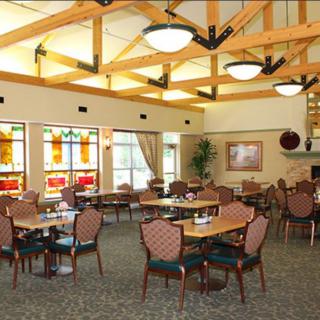
  • Indoor common areas Indoor common areasIndoor common areas are crucial for seniors as they provide a space for socialization, recreation, and community engagement, promoting overall well-being and reducing feelings of isolation and loneliness.
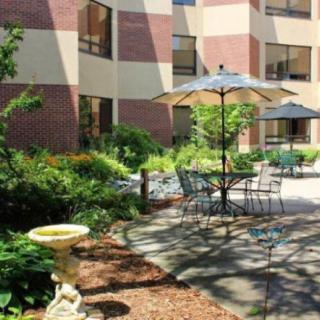
  • Outdoor common areas Outdoor common areasOutdoor common areas are important for seniors as they provide a space for socialization, physical activity, and relaxation. Being outside in nature can improve mood and overall well-being, while also encouraging movement and engagement with others. These spaces can help combat feelings of isolation and promote a sense of community among residents.

Transportation

  • Minneapolis-St Paul International (8 miles away) Minneapolis-St Paul International (8 miles away)
Activities

  • Activities off-site Activities off-siteEngaging in off-site activities is crucial for seniors to maintain social connections, stay active, and stimulate their minds. It promotes overall well-being and helps combat feelings of isolation and loneliness.
  • Activities on-site Activities on-siteActivities on-site are important for seniors because they provide opportunities for socialization, mental stimulation, physical activity, and overall well-being. Engaging in activities can help seniors stay active, maintain their independence, and improve their quality of life.
  • Devotional activities offsite Devotional activities offsiteDevotional activities offsite are important for seniors because they provide social engagement, spiritual growth, and a sense of community outside of their living environment. This can improve overall well-being, mental health, and combat feelings of isolation or loneliness.
  • Devotional activities on-site Devotional activities on-siteDevotional activities on-site provide seniors with a sense of community, spiritual fulfillment, and emotional support, promoting overall well-being and a positive sense of purpose in their lives.

Description

Peter Nasseff Home is an assisted living community located in the vibrant city of Minneapolis, MN. Our residents enjoy a range of amenities designed to promote a fulfilling and active lifestyle. On-site, we provide engaging activities that cater to various interests and preferences. Residents can participate in social gatherings, exercise classes, arts and crafts sessions, and more. We also offer devotional services both on-site and off-site for those seeking spiritual nourishment.

Our indoor common areas provide comfortable spaces for relaxation and socialization, while our outdoor common areas allow residents to enjoy fresh air and nature. Whether they prefer spending time indoors or outdoors, our residents have ample opportunities to connect with fellow community members and engage in meaningful conversations.

In addition to the activities within our community, Peter Nasseff Home benefits from its prime location close to several cafes, parks, pharmacies, physicians' offices, restaurants, transportation options, places of worship, theaters, and hospitals. This proximity ensures that our residents have easy access to essential services and recreational opportunities.

At Peter Nasseff Home in Minneapolis, MN, we strive to create a warm and inclusive environment where seniors can thrive physically, emotionally, socially, and spiritually. With a plethora of amenities available both on-site and nearby our community ensures that every resident's needs are met while fostering a sense of belonging among all who call it home.

Nearby Places of Interest

This part of Minneapolis, Minnesota offers a variety of amenities and services that may appeal to seniors looking for a vibrant community to call home. With a selection of restaurants, cafes, and parks within close proximity, residents can enjoy dining out, socializing with neighbors, and staying active outdoors. The presence of pharmacies and hospitals nearby ensures easy access to healthcare services, providing peace of mind for seniors. Additionally, the availability of public transportation options such as the Minnesota State Fair Transit Hub makes it convenient for individuals without personal vehicles to get around the city. For those who enjoy cultural activities, the AMC Rosedale 14 theater is just a short drive away for entertainment opportunities. Overall, this area offers a well-rounded environment for senior living with a blend of amenities to meet various needs and interests.

Restaurants

  • Elsie's Restaurant, Bar & Bowling (0.2 miles)
  • Northeast Yacht Club (0.2 miles)
  • McDonald's (0.3 miles)
  • Spring Street Tavern (0.5 miles)
  • Spoon And Stable (0.7 miles)
  • Pryes Brewing Company (0.7 miles)
  • Aster Cafe (0.8 miles)

Parks

  • Boom Island Park (0.3 miles)
  • North Loop Dog Park (0.9 miles)
  • Mill Ruins Park (1 miles)
  • Gateway Dog Park - Off-Leash Play Area (1.7 miles)
  • Loring Park (2 miles)
  • Franklin Terrace Off-Leash Dog Park (2.7 miles)
  • Silverwood Park (4.1 miles)

Pharmacies

  • Walgreens (1.4 miles)
  • Target Pharmacy (1.6 miles)
  • Walgreens (1.6 miles)
  • Walgreens (2.2 miles)
  • CVS Pharmacy (2.3 miles)
  • CVS Pharmacy (2.9 miles)
  • Walgreens (3.3 miles)

Hospitals

  • Hennepin County Medical Center (1.5 miles)
  • Csc Gi Lab (1.6 miles)
  • University of Minnesota Medical Center - East Bank Campus (2.2 miles)
  • Regency Hospital (3.5 miles)

Places of Worship

  • Westminster Presbyterian Church (1.7 miles)
  • Elim Church Center (4.2 miles)

Cafes

  • Dunn Brothers Coffee (2.1 miles)
  • Spyhouse Coffee (2.9 miles)
  • Starbucks (3.6 miles)
  • Roundtable Cof (3.7 miles)
  • Caribou Coffee (4.8 miles)
  • Groundswell (5.7 miles)
  • Jinx Tea (6 miles)

Physicians

  • Whittier Clinic (3 miles)
  • HealthPartners Health Center for Women Clinic St Paul (3.3 miles)
  • Fairview Clinics (5.5 miles)
  • Dermatology Consultants P.A. (5.6 miles)

Transportation

  • Minnesota State Fair Transit Hub (4.3 miles)

Theaters

  • AMC Rosedale 14 (4.7 miles)

Frequently Asked Questions

How much does it cost to live at Peter Nasseff Home in Minneapolis, MN?
Where is Peter Nasseff Home?
Does Peter Nasseff Home allow residents to have pets?

Nearby Communities

  • People Incorporated - Dsl

    People Incorporated - Dsl

    Minneapolis, MN

    4.9 from 9 reviews
     

    pro Comprehensive amenities and care (meals, housekeeping, outdoor space, connectivity) with care coordination and ADL support.

  • Catholic Eldercare

    Catholic Eldercare

    Minneapolis, MN

    3.3 from 45 reviews
     

    pro Friendly staff in a well-maintained facility with comprehensive amenities and memory-care programming.

  • Catholic Eldercare At Home

    Catholic Eldercare At Home

    Minneapolis, MN

    3.4 from 36 reviews
     

    pro 24/7 supervision and ADL assistance in a home-like setting.

  • Heartland Pca III

    Heartland Pca III

    Bermidji, MN


    pro Small, intimate assisted living with comprehensive care and amenities.

  • MainStreet Lodge

    MainStreet Lodge

    Minneapolis, MN

    4.9 from 12 reviews
    $2,770 to $3,130 / month

    pro Friendly staff with engaging activities in a clean, home-like setting.

  • Wyndris

    Wyndris

    Minneapolis, MN

    4.8 from 9 reviews
     

    pro Walkable access to local amenities; on-site restaurant; pet-friendly; friendly, well-maintained atmosphere.

  • The Estates At Chateau

    The Estates At Chateau

    Minneapolis, MN

    3 from 24 reviews
    $3,600 / month

    pro Affordable private-room price with extensive on-site services.

  • Ebenezer Care Center

    Ebenezer Care Center

    Minneapolis, MN

    4.2 from 10 reviews
     

    pro Initial tours showed safety and accessible activity areas.

  • Signe Burckhardt Manor

    Signe Burckhardt Manor

    Minneapolis, MN

    3.9 from 14 reviews
     

    pro Strong, supportive community with satisfied staff and residents, plus affordable housing options.

Related Resources

  • home care aideHome Health Care Aides: Understanding Their Role and Supporting Your Family

    Home health care aides provide vital medical and non-medical support to individuals at home, assisting with daily living activities and promoting emotional well-being, while the demand for these services increases due to an aging population. Families benefit from in-home care's flexibility and cost-effectiveness but face challenges like scheduling consistency and caregiver turnover.

  • uti in elderlyUrinary Tract Infections in Older Adults: Comprehensive Insights on Symptoms, Treatment, and Prevention

    Older adults with urinary tract infections (UTIs) often present atypical symptoms, complicating diagnosis due to factors like incomplete bladder emptying and chronic health conditions that increase their susceptibility. Effective management involves prompt treatment with antibiotics, hydration, and preventive strategies while minimizing antibiotic resistance and focusing on holistic care approaches.

  • 602 formCalifornia's Form 602A: An In-Depth Examination of Senior Care Assessment

    California's Form 602A is a vital tool for evaluating the health needs of seniors seeking residential care, detailing their medical conditions and daily living requirements to ensure proper service alignment. This standardized form enhances communication among physicians, families, and facilities, serving as a regulatory measure for admissions and ongoing care while adapting to changing healthcare practices.