
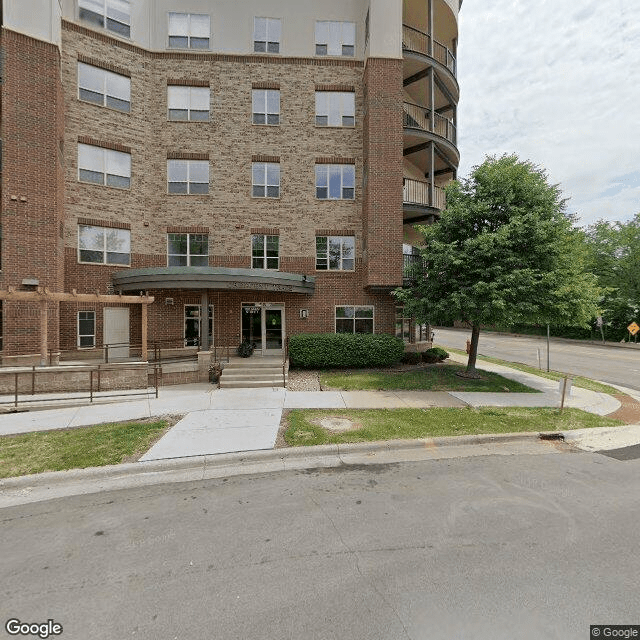
1101 Main St., Minneapolis, MN 55413
To contact a resident: (612) 378-8814
For more information about senior living options: (866) 208-4318
1101 on Main Costs & Pricing
At 1101 on Main, the rental costs present a compelling value compared to both Hennepin County and Minnesota's averages. For a one-bedroom apartment, residents can expect to pay $1,200 per month, significantly lower than the county average of $3,550 and the state average of $2,893. Similarly, two-bedroom units are offered at $2,225, which is notably more affordable than the Hennepin County average of $3,848 and below Minnesota's average of $2,955. This pricing structure not only highlights the competitive rates at 1101 on Main but also underscores its attractiveness for those seeking quality living in an accessible location without compromising on budget.
| Floor plans | 1101 on Main | Hennepin County | Minnesota |
|---|---|---|---|
| 1 Bedroom | $1,200 | $3,550 | $2,893 |
| 2 Bedrooms | $2,225 | $3,848 | $2,955 |
Senior living communities with a similar price nearby
-
About the same
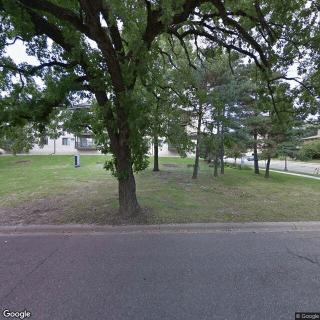
Riverview Highlands
$1,200 to $1,540 / month8.2 miles away -
from +$150 / mo
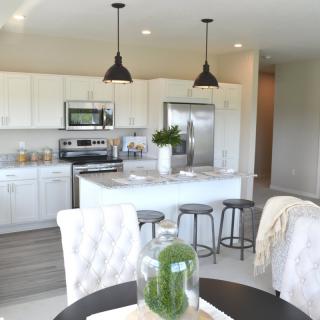
The Hendrickson
$1,350 to $1,925 / month4.2 miles away -
from -$145 / mo

Norris Square
$1,055 to $4,430 / month18.7 miles away -
from +$115 / mo

Margaret Place
$1,315 to $1,515 / month12.9 miles away -
from -$159 / mo
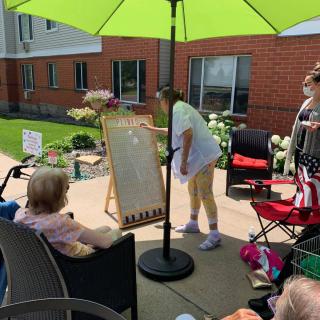
Oak Ridge Place
$1,041 to $2,000 / month22.7 miles away
Overall Review of 1101 on Main
Pros
 They liked the floor plans, open and spacey, stainless steel appliances, and the washer/dryer.
- They noted there is lots of light in the units.
- They found the location not to be bad.
- The unit is nice enough.
Cons
 The management company is predatory and refuses to share information with supervisors.
- Residents did not have hot water for six months.
- The dishwasher was broken for three months.
- The dryer had been broken for a year.
- There were weekly break-ins with cars vandalized and broken into.
- There was no notice from management.
- They illegally changed flat-rate fees listed on signed leases.
- They refused to provide copies of bills with breakdowns as required by law.
Review
1101 on Main in Minneapolis is best suited for renters who want a modern, spacious apartment with stainless steel appliances and in-unit laundry, plus abundant natural light, and who can tolerate a volatile on-site management culture and a history of maintenance gaps. The unit features, open floor plans, contemporary finishes, and mechanicals that work most of the time, will appeal to those who value form and function in a private living space. This is not a fit for seniors seeking predictable, assisted-living-style support, families needing reliable daily services, or anyone who prioritizes stable billing, consistent maintenance, and proven safety. Those who do not mind grappling with monthly rent and policy quirks as long as the apartment feels new are the target, for better or worse.
Potential residents who require dependable service, transparent bills, and a calm security profile should consider other options. The pattern of ownership changes, requests for non-public information, and aggressive fee changes signals a fundamental governance risk that can undermine daily living. Communities with long-tenured ownership, clear operating policies, consistent maintenance responsiveness, and predictable billing would be preferable for anyone who values reliability over polish. Those with fixed budgets who count on green space, structured activities, and walkable neighborhoods should look elsewhere, as this property lacks those community amenities and the routines that sustain them.
On the positive side, the layout and finishes earn some credit. Prospective tenants repeatedly reference roomy, open floor plans, modern stainless appliances, and the convenience of a washer and dryer. Units admit generous light, which improves day-to-day livability. These attributes can make a big difference when comparing options at lease-signing. Yet the negatives are persistent and systemic. Hot water issues linger for months, essential appliances fail for extended periods, and routine maintenance becomes a guessing game. Security concerns surface with frequent break-ins and a lack of timely communication from management. Billing and lease practices show a pattern of unilateral changes and withheld bill breakdowns, eroding trust. The shift in ownership away from senior housing further complicates expectations around services and support.
Do the positives offset the drawbacks? For tenants who prize space and contemporary aesthetics, those features sometimes soften the sting of service gaps, but the math rarely supports a favorable balance. The bright, airy units cannot compensate for the frustration of hot water outages and long-term appliance failures. The absence of green space and structured activities limits quality-of-life gains that typically accompany amenity-rich properties. The most significant deterrent remains governance and cost integrity: repeated different-but-similar management missteps, illegal-fee accusations, and rent practices that feel punitive. In short, the architectural polish is not enough to balance the risk of unstable operations and unexpected charges.
For families weighing a move, the prudent path is to demand concrete, verifiable commitments: service-level agreements for maintenance, transparent, itemized billing, and a published policy on notices and move-out dates. Before signing, confirm how ongoing ownership changes will affect services, what protections exist against unilateral fee changes, and how security issues will be addressed. Investigate nearby properties with stable ownership, stronger resident relations, and access to green spaces or programming that adds real daily value. If the choice is made to stay, pursue a conservative budget that accounts for potential service disruptions and plan for contingencies in both living costs and personal safety.
Overall, 1101 on Main is not a strong choice for households seeking dependable daily living, predictable costs, and secure, well-supported environments. It is a fit only for those who can tolerate governance risk, accept irregular maintenance, and prioritize apartment features over community reliability. For most decision-makers, exploring alternatives with steadier management, transparent billing, and genuine resident-centered services will yield a more secure and comfortable retirement living or family-oriented arrangement.
 Active Adult Communities (55+)
 Cats allowed
 Dogs allowed
 Bath tubs
 Indoor common areas
 Minneapolis-St Paul International (9 miles away)
 A Detailed Exploration of Living Wills and Advance Directives
 Comprehensive Guide to Medicare Coverage for Hospice Care
 Caring for Those Who Care: Recognizing, Understanding, and Overcoming Caregiver Burnout