Home Health At North Ridge

5500 Boone Avenue North, New Hope, MN 55428

For more information about senior living options: (844) 490-3973

4.1 from 24 reviews
5 stars
15
4 stars
4
3 stars
1
2 stars
0
1 stars
4

Assisted Living Memory Care

What level of care are you interested in?

Assisted Living

Memory Care

Independent Living

Skilled Nursing Facility

Continuing Care Retirement Community (CCRC)CCRC

Other


Request a tour at Home Health At North Ridge

    Overall Review of Home Health At North Ridge

    Pros

    • pro The staff are quick to act to keep residents and care workers safe.
    • pro The nursing team gets to know their residents and is in-tune to changes and needs.
    • pro The Executive Director Amy is always available to answer questions about residents' care.
    • pro The staff are helpful, caring, and professional.
    • pro The management team and nursing staff have built a stronger, caring network.
    • pro The facility offers a variety of activities.
    • pro The rooms are a nice size.
    • pro The facility provides good food and great staff.

    Cons

    • pro The facility is described as a joke, with a dementia patient placed in Memory Care where staff do nothing to stop wandering and protect residents.
    • pro The nursing staff are unprofessional and rude, with accounts of cursing at residents and making unkind remarks about their weight and appearance.
    • pro The call button system is ineffective, with long delays for essential tasks like diaper changes.
    • pro Nighttime care disruptions occur when nurses wake residents for diaper changes and unlock doors, disturbing sleep.
    • pro Communication is severely lacking, with no timely updates about meals, transfers, or care changes between departments.
    • pro Limited staff leads to poor care, including residents left in chairs for hours or lacking necessary equipment.
    • pro There are serious concerns about theft of jewelry from a resident and a lack of timely family notification during illness.

    Review

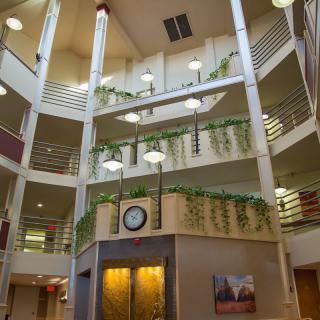
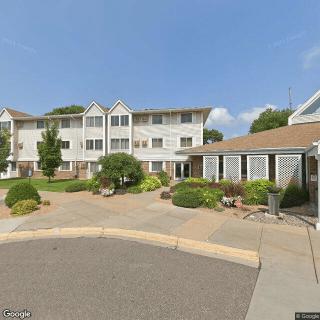
    North Ridge presents itself as a large, multi-wing facility with assisted living and memory care options, and the experience people report is deeply divided. On one end of the spectrum are accounts of warm introductions, helpful staff, and a facility that feels spacious and well-equipped, with good food and plenty of activities. Several reviewers praise the initial check-in process, the size of the rooms, and the overall atmosphere, noting that their loved ones seemed to settle in well and that the environment could be a good fit for someone looking for independence with some support. In particular, some families highlight positive experiences during transitions, the availability of staff to answer questions, and the role of leadership in keeping care responsive during challenging times like the COVID-19 era.

    However, a large portion of the feedback is consistently critical and troubling. A number of reviewers describe serious concerns around memory care placement, especially for residents who still have meaningful cognitive ability and communication skills. One family recounts a transition from hospital-style care to assisted living where their father, who has Alzheimer's/dementia in early stages, was placed into Memory Care due to county labeling, despite clear indications from the family and some staff that he could stay in Independent Living with appropriate assistance. They report persistent communication gaps about transfers, and a sense that memory care has become a default category when a resident's needs may be more nuanced. This misplacement theme - paired with reminders that staff themselves sometimes disagree with the wing assignment - colors many of the negative reviews.

    Staff responsiveness and bedside care are other hot-button issues. Several accounts mention long wait times for diaper changes, with a call button for basic needs, and nurses who fail to communicate about meals or medicate appropriately. There are witnesses to midnight disturbances - nurses knocking at doors for diaper changes while residents are asleep and even waking them up by unlocking doors. In some stories, residents wander into each other's rooms because memory care patients are not effectively contained or supervised, and families feel there is a lack of proactive intervention to ensure resident safety. Attitudes from staff are described as poor or even hostile in some cases, including reports of rude behavior and inappropriate comments about a resident's weight or appearance. These experiences contribute to a sense that the environment in Memory Care can be less about individualized care and more about managing the schedule and volume of residents.

    Maintenance and logistics add to the frustration. One family notes a two-week delay in transferring their loved one to a different wing due to unresolved maintenance tasks - boxes from a previous resident were still in the way, with little communication about when the move would actually occur. Other families report missing or misplaced items, such as specialized rehabilitation equipment, which can leave residents sitting in chairs for hours without support. There are also allegations of theft - diamonds from rings and other jewelry allegedly going missing - which, if true, would be particularly traumatizing for families in a setting that should feel secure.

    Yet, there are clearly positive threads that several reviews thread through the negative experiences. Families repeatedly highlight individual staff members who go above and beyond. Amy Meinecke is named repeatedly as a problem-solver who has helped implement changes and advocate for residents, with families describing her as a blessing and a key source of reliable communication and action. Kate Nojd is singled out for exceptional assistance in navigating placement and affordability, with one reviewer expressing deep gratitude for her kindness and professional support. Erica, mentioned in the context of helping a resident engage with daily activities and even bring in a dog to soothe a resident's anxiety, is another example of staff who make a meaningful difference. In some families, the nursing staff - especially LPNs and RNs - are described as caring, attentive, and capable, and the overall impression is that the personnel who are truly engaged can provide strong, compassionate care.

    The experience of transition itself comes through as a mix of realism and hope. Several reviewers talk about the emotional roller coaster of moving a loved one from home to assisted living or memory care, with staff taking time to explain processes, provide updates, and help families manage the change. There are stories of successful transitions where residents found companionship within certain wings and where movement to a more socially active group was beneficial for someone who previously felt isolated. Some families note that staff have taken creative steps to address individual interests - such as a staff member bringing a resident's beloved dog to visit - demonstrating a willingness to tailor approaches to what helps each person feel safe and engaged.

    Communication appears as both a strength and a weakness, depending on the day and the department. Several reviews acknowledge responsiveness and clear communication from the nursing team, emergency responses, and proactive involvement with family members during medical events. At the same time, there are calls for better coordination among departments - between the assisted living and transitional care teams, and between the administrative side and direct care staff. Families who don't live nearby or who rely on Zoom or phone updates emphasize the need for smoother, more consistent information flow, especially during transitions, billing discussions, and changes in care plans.

    In summary, North Ridge is a place of contrasts. For some families, it represents a well-equipped, caring environment with dedicated staff, competent nurses, and a supportive Executive Director who is accessible and responsive during crises. For others, it represents a troubling mix of misplacement, delayed maintenance, inconsistent communication, and staff behavior that falls short of the compassionate, person-centered care families expect. The unanimity across perspectives is that the facility is large, has many resources, and can offer high-quality care when the right people are involved and when processes are functioning smoothly. The key is nuanced and ongoing: ensuring appropriate wing placement, ensuring timely, respectful care, maintaining secure and well-coordinated operations across departments, and continuing to recognize and support the staff members who consistently go above and beyond to meet residents' needs.

    Features

    Housing

    • 21 resident community capacity 21 resident community capacity

    Types of Care

    • Assisted Living Assisted LivingAssisted living facilities provide crucial support and care for seniors who may need help with daily tasks such as medication management, bathing, and meal preparation. These communities offer a safe and comfortable environment where seniors can maintain their independence while receiving the assistance they need to thrive in their golden years.
    • Memory Care Memory CareMemory care is crucial for seniors as it provides specialized support and services for individuals with dementia or Alzheimer's disease. These programs offer a safe and secure environment where residents receive personalized care, cognitive stimulation, and help with daily activities. Memory care helps seniors maintain their independence, quality of life, and dignity while also providing peace of mind for their families.

    Amenities

    • Beauty salon Beauty salonBeauty salons are important for seniors because they provide a space for them to feel pampered, socialize, and maintain their personal grooming and hygiene. Regular visits to a beauty salon can help boost seniors' self-esteem and overall well-being.
    • Cable or satellite TV Cable or satellite TVCable or satellite TV is important for seniors because it provides entertainment, news, and companionship, helping to combat loneliness and boredom. It also offers a wide range of programming options tailored to different interests and preferences.
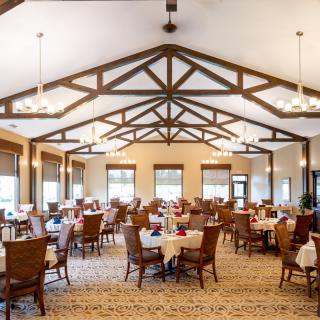
    • Dining room Dining roomDining rooms are important for seniors as they provide a space for socialization, connection, and nutritious meals. They offer opportunities for residents to bond over shared meals, foster a sense of community, and promote healthy eating habits. Dining rooms also ensure that seniors have access to well-balanced meals tailored to their dietary needs and preferences.
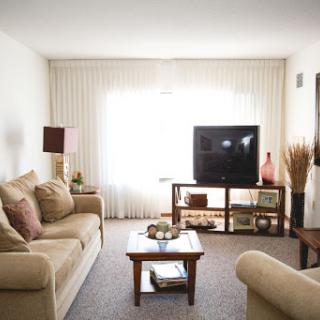
    • Fully furnished Fully furnishedFully furnished senior living communities are important for seniors because they provide convenience, comfort, and a hassle-free moving experience. Seniors can easily settle into their new living space without the stress of having to buy and move furniture. This allows them to focus on enjoying their new home and community.
    • Garden GardenGardens are important for seniors as they provide a peaceful and therapeutic environment for relaxation, physical activity, and socialization. Being in nature has been shown to reduce stress, improve mood, and promote overall well-being. Gardens also offer opportunities for seniors to engage in gardening activities, which can improve mobility, flexibility, and cognitive function. Additionally, gardens create a sense of community and connection with others who share a passion for plants and outdoor spaces.
    • Housekeeping services Housekeeping servicesHousekeeping services are important for seniors because they help maintain a clean and safe living environment, promote independence, and reduce the risk of accidents or illnesses. Additionally, having assistance with household chores can alleviate physical strain and allow seniors to focus on other aspects of their well-being.
    • Kitchenette KitchenetteKitchenettes are important for seniors living in senior living communities because they provide the convenience and independence of being able to prepare simple meals and snacks in the comfort of their own living space. This can help promote a sense of autonomy and well-being for seniors, allowing them to maintain some level of control over their dietary choices and daily routines.
    • Move-in coordination Move-in coordinationMove-in coordination is important for seniors because it helps ease the transition into their new living environment. It ensures that all logistics, such as packing, organizing movers, and setting up utilities are taken care of, allowing seniors to focus on settling in and adjusting to their new home. Having a smooth move-in process can alleviate stress and anxiety, making the transition smoother and more enjoyable for seniors.
    • Outdoor space Outdoor spaceOutdoor spaces are important for seniors as they provide opportunities for physical activity, social interaction, exposure to natural light and fresh air, and a sense of connection to nature. Having access to outdoor spaces can improve overall well-being and quality of life for older adults living in senior communities.
    • Telephone TelephoneTelephones are important for seniors as they provide a lifeline for communication with loved ones, emergency services, and healthcare providers. They offer a sense of security and independence, enabling seniors to stay connected and access assistance when needed.
    • Wi-Fi/high-speed internet available Wi-Fi/high-speed internet availableWi-Fi/high-speed internet is important for seniors to stay connected with loved ones, access online resources, and participate in virtual activities to combat feelings of loneliness and isolation. It also allows them to easily manage healthcare needs, access entertainment, and engage in lifelong learning opportunities.

    Transportation

    • Minneapolis-St Paul International (15 miles away) Minneapolis-St Paul International (15 miles away)

    Care Services

    • 24-hour call system 24-hour call system24-hour call systems are important for seniors because they provide peace of mind and immediate assistance in case of emergencies. This technology ensures that help is always available, promoting safety and security for elderly individuals living alone or in assisted living facilities.
    • 24-hour supervision 24-hour supervision24-hour supervision is important for seniors to ensure their safety, well-being, and access to immediate assistance in case of emergencies or health issues. This constant support provides peace of mind for both seniors and their loved ones, allowing them to age in place with dignity and security.
    • Activities of daily living assistance Activities of daily living assistanceActivities of daily living assistance are important for seniors because they provide essential support with tasks such as eating, bathing, dressing, and mobility. This assistance helps seniors maintain their independence, dignity, and overall quality of life as they age.
    • Assistance with bathing Assistance with bathingAssistance with bathing is crucial for seniors as it helps maintain personal hygiene, prevents infections, and ensures their overall well-being and comfort. It also provides a sense of dignity and independence for seniors who may struggle with this task on their own.
    • Assistance with dressing Assistance with dressingAssistance with dressing is important for seniors because it helps maintain their independence, promotes personal hygiene, prevents accidents and injuries, and improves overall quality of life. This service ensures that seniors can continue to dress comfortably and confidently, despite any physical limitations they may have.
    • Assistance with transfers Assistance with transfersAssistance with transfers is crucial for seniors as it helps prevent falls and injuries, maintains their independence, and ensures they can safely navigate their living environment. It also provides peace of mind for both seniors and their loved ones.
    • Coordination with health care providers Coordination with health care providersCoordination with health care providers is crucial for seniors to ensure proper medical care, medication management, and overall well-being. This collaboration helps prevent overlapping treatments, track progress more effectively, and provide comprehensive support tailored to individual needs.
    • Dementia waiver Dementia waiverDementia waivers are essential for seniors as they provide critical protections and accommodations for those experiencing cognitive decline. These waivers ensure individuals with dementia receive appropriate care, support, and resources to maintain their quality of life and dignity as they navigate the challenges of this progressive condition.
    • Diabetes diet Diabetes dietA diabetes diet is crucial for seniors as it helps manage blood sugar levels, reduce risks of complications, and improve overall health and well-being. By following a balanced and nutritious diet tailored to their specific needs, seniors can better control their diabetes and enhance their quality of life.
    • Hospice waiver Hospice waiverHospice waivers are important for seniors because they allow individuals to receive specialized end-of-life care and support at home or in a hospice facility. This waiver ensures that seniors can access the necessary resources and services to maintain comfort and dignity during their final days.
    • Meal preparation and service Meal preparation and serviceMeal preparation and service are crucial for seniors as they may have limited mobility or energy to cook nutritious meals. Having access to healthy and convenient food options can ensure they are getting the proper nutrition needed to maintain their overall health and well-being.
    • Medication management Medication managementMedication management is crucial for seniors to ensure they are taking the right medications at the correct dosages and times. This helps prevent adverse drug interactions, reduces the risk of medication errors, and promotes overall health and well-being. Proactive management also allows for adjustments as needed based on changing health conditions or new prescriptions.
    • Mental wellness program Mental wellness programMental wellness programs are essential for seniors as they promote cognitive stimulation, emotional support, and social engagement. These programs help prevent isolation, depression, and cognitive decline, ultimately enhancing the overall quality of life for older adults.
    • Mild cognitive impairment Mild cognitive impairment"Mild cognitive impairment" is important for seniors because it is an early stage of cognitive decline that can potentially progress to more severe conditions such as dementia. Recognizing and addressing mild cognitive impairment can help seniors receive appropriate care and support to maintain their quality of life and independence for as long as possible.
    • Special dietary restrictions Special dietary restrictionsSpecial dietary restrictions are important for seniors because age-related changes in metabolism and health conditions can make it difficult for their bodies to process certain foods. By following a diet tailored to their specific needs, seniors can maintain their overall health and well-being, manage chronic conditions, and reduce the risk of complications such as malnutrition or food interactions with medications.
    • Specialized memory care programming Specialized memory care programmingSpecialized memory care programming is crucial for seniors with cognitive impairments such as dementia or Alzheimer's disease. These programs provide a safe and supportive environment tailored to the unique needs of individuals with memory loss, helping them maintain their independence, dignity, and quality of life.
    • Transportation arrangement (medical) Transportation arrangement (medical)Transportation arrangements for medical purposes are essential for seniors as they may have difficulty driving themselves to appointments or accessing public transportation. Having reliable and safe transportation options ensures that seniors can receive timely medical care and maintain their health and well-being.
    • Transportation to doctors appointments Transportation to doctors appointmentsTransportation to doctors' appointments is crucial for seniors as it ensures they have access to necessary medical care and support for their health needs. Without reliable transportation, seniors may struggle to attend important appointments, leading to potential delays in treatment and health complications. Providing transportation services helps seniors maintain their overall well-being and quality of life.
    Dining

    • Diabetes diet Diabetes dietA diabetes diet is crucial for seniors as it helps manage blood sugar levels, reduce risks of complications, and improve overall health and well-being. By following a balanced and nutritious diet tailored to their specific needs, seniors can better control their diabetes and enhance their quality of life.
    • Special dietary restrictions Special dietary restrictionsSpecial dietary restrictions are important for seniors because age-related changes in metabolism and health conditions can make it difficult for their bodies to process certain foods. By following a diet tailored to their specific needs, seniors can maintain their overall health and well-being, manage chronic conditions, and reduce the risk of complications such as malnutrition or food interactions with medications.

    Activities

    • Community-sponsored activities Community-sponsored activitiesCommunity-sponsored activities are important for seniors as they provide opportunities for social interaction, mental stimulation, and physical activity. These activities can help improve overall well-being, combat loneliness and isolation, and promote a sense of belonging and purpose among older adults.
    • Resident-run activities Resident-run activitiesResident-run activities are important for seniors as they encourage social interaction, creativity, and a sense of autonomy. These activities empower seniors to stay engaged and active in their community while fostering meaningful connections with their peers.
    • Scheduled daily activities Scheduled daily activitiesScheduled daily activities are important for seniors because they provide structure, socialization, mental stimulation, and physical activity. Engaging in regular activities can improve overall well-being and quality of life for seniors living in a community setting.

    Description

    The Home Health at North Ridge in New Hope, MN is an assisted living community that specializes in Memory Care. This community offers various amenities to ensure the comfort and convenience of its residents. These amenities include cable or satellite TV, a dining room, fully furnished accommodations, a garden, housekeeping services, a kitchenette, move-in coordination assistance, outdoor spaces for recreation, telephone service, and Wi-Fi/high-speed internet access.

    In terms of care services, Home Health at North Ridge provides 24-hour supervision to ensure the safety and well-being of its residents. The staff also assists with activities of daily living such as bathing and dressing. They are trained in transfers to assist individuals with mobility issues. Additionally, this community coordinates with healthcare providers to ensure that residents receive comprehensive medical care. They offer specialized memory care programming for individuals with cognitive impairments.

    Nutritional needs are met through meal preparation and service which takes into account special dietary restrictions such as diabetes diets. Medication management is also provided by trained staff members who ensure that residents take their medications properly.

    To promote mental wellness, Home Health at North Ridge offers a mental wellness program for its residents. They also accommodate individuals with mild cognitive impairment through appropriate care and support.

    Transportation arrangement for medical purposes as well as transportation to doctor's appointments is available for the convenience of the residents.

    Home Health at North Ridge is situated in a convenient location near various amenities in the surrounding area. There are two cafes nearby where residents can enjoy social outings or meet friends. Two parks provide opportunities for outdoor activities and relaxation. Thirteen pharmacies make it easy to access necessary medications and health supplies. Four physicians are located nearby for regular check-ups or medical consultations. In addition, there are fifteen restaurants available for dining out experiences or family gatherings. One place of worship allows residents to practice their faith conveniently while being close to essential services such as hospitals.

    Overall, Home Health at North Ridge provides a comfortable and supportive environment for individuals in need of Memory Care services, ensuring their physical and mental well-being while also providing access to necessary amenities and services in the surrounding area.

    Nearby Places of Interest

    Pharmacies

    • CVS Pharmacy (0.4 miles)
    • HyVee Pharmacy (1.3 miles)
    • Walgreens (1.5 miles)
    • Walgreens (3 miles)
    • CVS Pharmacy (3.1 miles)
    • CVS Pharmacy (3.2 miles)
    • Walgreens (3.2 miles)

    Physicians

    • Northwest Family Physicians PA (1.3 miles)
    • Partners In Pediatrics (2.7 miles)
    • Northstar Pain Care Clinic (3.6 miles)
    • Minnesota Gastroenterology PA (4.8 miles)
    • Eyeklinic of Edinburgh (5.6 miles)
    • Suburban Radiologists (6 miles)
    • Fairview Fridley Clinic (6.6 miles)

    Restaurants

    • Pub 42 (1.5 miles)
    • Big Louie's Bar & Grill (1.6 miles)
    • Wendy's (2.2 miles)
    • McDonald's (2.8 miles)
    • Original Pancake House (3.1 miles)
    • Culver's (3.2 miles)
    • Sunshine Factory Bar & Grill (3.3 miles)

    Parks

    • Twin Lake Beach Park (2.7 miles)
    • French Regional Park (3.1 miles)
    • Plymouth Dog Park (5.2 miles)
    • Parkers Lake Park (5.7 miles)
    • Pinebrook Park (5.9 miles)
    • Corcoran Lions Park (6.9 miles)
    • Churchill Farms Residents' Park (6.9 miles)

    Cafes

    • Caribou Coffee (3 miles)
    • Starbucks (4.3 miles)
    • Angel Food Bakery & Coffee Bar (7.2 miles)

    Places of Worship

    • Elim Church Center (3.2 miles)
    • Fridley United Methodist Church (7 miles)

    Hospitals

    • Plymouth Surgery Center (4.8 miles)
    • Regency Hospital (5 miles)
    • Unity Hospital (7.5 miles)

    Frequently Asked Questions

    Where is Home Health At North Ridge?
    Does Home Health At North Ridge provide care for residents with dementia or Alzheimer's disease?

    Nearby Communities

    Related Resources

    • dementia stagesUnderstanding Dementia Through Its Seven Stages: A Comprehensive Look at Progression and Expectations

      Dementia encompasses a range of cognitive impairments characterized by types such as Alzheimer's and vascular dementia, and follows a seven-stage progression model known as the Global Deterioration Scale (GDS), highlighting varying symptoms and decline timelines. Early detection allows for lifestyle adjustments to potentially slow progression, while caregivers need support and resources to manage the challenges involved in caring for affected individuals.

    • dementia careA Holistic Dementia Care Guide: Effective Strategies for Memory Support

      The guide on holistic dementia care outlines the complexity of dementia and stresses the need for individualized caregiver strategies that include medical treatment, psychological support, and environmental adaptations, while emphasizing early detection, various therapeutic options, and caregiver support to enhance quality of life and maintain dignity.

    • activities of daily livingComprehensive Insights into Activities of Daily Living (ADLs) and Their Assessment

      Activities of Daily Living (ADLs) are fundamental tasks vital for an individual's independence, particularly in older adults over 85, and include functions like bathing and dressing; assessing ADLs alongside Instrumental Activities of Daily Living (IADLs) helps determine the level of required assistance due to age-related health challenges. Tailored support plans, involving family and community resources, are essential for maintaining dignity and autonomy in assisted living environments.


    Get Pricing Ask A Question Schedule A Tour Contact Senior Advisor