
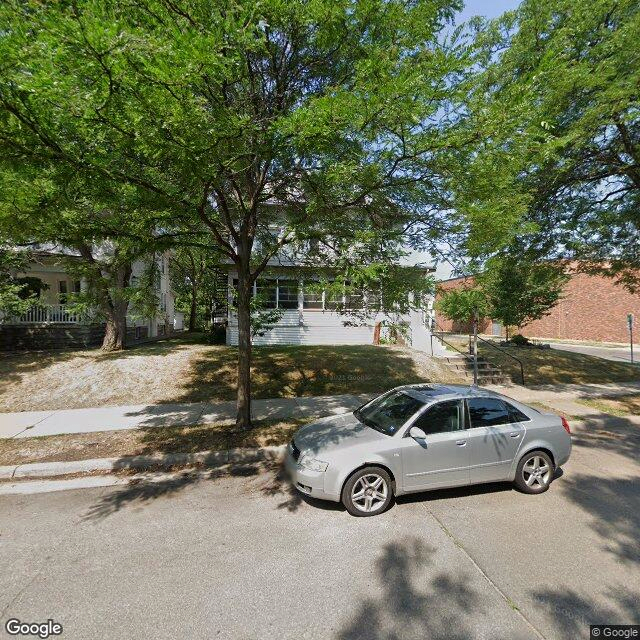
1500 Elliot Avenue South, Minneapolis, MN 55404
For more information about senior living options: (866) 208-4318
Elliot Care Home Costs & Pricing
Elliot Care Home offers competitive pricing for its residents, particularly when compared to the broader costs of long-term care in Hennepin County and the state of Minnesota. For a semi-private room, residents pay $3,500 per month, significantly lower than the county's average of $4,356 and the state average of $4,051. Similarly, those opting for a private room at Elliot Care Home will find their monthly rate of $4,000 to be more affordable than both Hennepin County's average of $5,580 and Minnesota's statewide average of $5,090. This pricing structure not only highlights Elliot Care Home's commitment to providing accessible care but also positions it as an attractive option for families seeking quality services without breaking the bank.
| Floor plans | Elliot Care Home | Hennepin County | Minnesota |
|---|---|---|---|
| Semi-Private | $3,500 | $4,356 | $4,051 |
| Private | $4,000 | $5,580 | $5,090 |
Assisted Living communities with a similar price nearby
-
from -$500 / mo
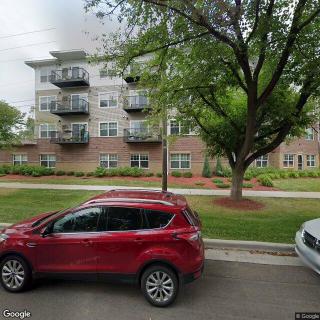
Highland on Graham
$3,000 to $4,000 / month6.2 miles away -
from -$300 / mo
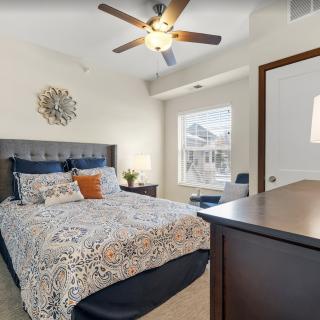
Carver Ridge Senior Living
$3,200 to $4,800 / month23.4 miles away -
About the same

Our Lady Of Peace Home Care
$3,500 to $6,000 / month3.7 miles away -
About the same

Hayden's House
$3,600 to $6,200 / month8.8 miles away -
from -$160 / mo
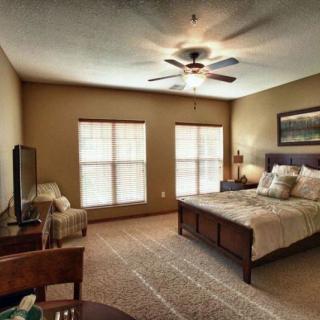
The Fountains at Hosanna
$3,340 to $4,440 / month17.7 miles away
Overall Review of Elliot Care Home
Pros
 The facility is very good.
- It provides 24/7 medical nursing services.
- The staff deliver patient care from short-term rehab to long-term nursing and medical supervision.
- The facility is nice and offers a wide range of services.
Cons
 None detected.
Review
Elliot Care Home in Minneapolis is best suited for seniors whose primary need is facility-based medical nursing with around-the-clock oversight, including both short-term rehabilitation and ongoing, long-term skilled nursing. The case for this community rests on its demonstrated capacity to provide continuous nursing care and comprehensive medical supervision while resident needs evolve from rehab to chronic management. For families balancing hospital discharge planning with a safe, controlled environment, this setting offers a clear path: reliable clinical coverage, a broad services menu, and a physical plant that supports serious medical routines without requiring a transition to hospital-level care.
Those weighing alternatives should note who may not be best served here. If social engagement, memory-care specialization, or highly affordable options are decisive, other communities may serve more precisely. Individuals seeking a compact, intimate atmosphere with highly targeted activities or a campus with a lighter medical footprint may find that Elliot Care Home’s strength in 24/7 nursing translates to a busy clinical environment that isn’t aligned with every resident’s preference. In short, the strongest fit is for medically focused needs rather than for purely social or lifestyle-driven senior living goals.
The explicit strengths highlighted by the experience are compelling. Around-the-clock nursing support stands out as the core asset, ensuring immediate medical response, safer monitoring, and smoother coordination of care as residents transition between rehab and longer-term management. The facility’s ability to provide short-term rehab alongside long-term nursing under medical supervision reduces the need for multiple moves and accelerates continuity of care. Coupled with a broad range of services and a facility that is described as nicely equipped, these elements form a practical, outcome-oriented package for families prioritizing medical stability and reliable oversight.
Given the lack of documented drawbacks in the available impressions, it remains prudent to scrutinize typical decision-stage questions during site visits. Cost clarity and transparency, the exact scope of rehabilitative therapies, the cadence of physician and nursing rounds, meal quality, and the daily social life for residents are all factors that deserve direct confirmation. While the review emphasizes clinical capability, the real-world experience often hinges on how well the calendar balances medical routines with opportunities for dignity, autonomy, and connection. Families should also verify discharge planning, readmission rates, and the consistency of staff across shifts to gauge real-world reliability.
How the pros square with potential cons points toward a pragmatic conclusion. The strongest clinical credentials, 24/7 nursing, short-term rehab, and sustained medical supervision, address safety and progress toward home or independence, which often tops priorities for hospital-discharge scenarios and medically complex residents. These advantages substantially offset concerns about continuity of care and the need for continuous oversight, especially when the goal is to prevent avoidable setbacks. Where Elliot Care Home may lag, at least in the narrative, is in offering a social or lifestyle emphasis that some families expect from assisted living environments; however, for medically driven trajectories, the clinical backbone tends to dominate the decision calculus.
In practical terms, this community is a strong match for families prioritizing medical stability and rehabilitative potential within a Minneapolis facility. It’s a less ideal choice for those who want a more activity-rich, socially oriented senior living experience or a setting whose value proposition centers on low-cost, independent living with lighter medical involvement. The recommended path is to pursue a candid tour focused on three things: current physician and nursing staffing patterns, the specific rehab therapies available on site, and a transparent, itemized understanding of fees and long-term costs. For residents whose needs align with ongoing medical supervision and the capacity to progress from rehab to daily life with professional support, Elliot Care Home stands as a confident, capable option in the Twin Cities landscape.
 21 resident community capacity
 Assisted Living
 Board and Care Home
 Beauty salon
 Cable or satellite TV
 Dining room
 Fully furnished
 Garden
 Housekeeping services
 Kitchenette
 Move-in coordination
 Outdoor space
 Telephone
 Wi-Fi/high-speed internet available
 Minneapolis-St Paul International (6 miles away)
 24-hour call system
 Activities of daily living assistance
 Assistance with bathing
 Assistance with dressing
 Assistance with transfers
 Diabetes diet
 Meal preparation and service
 Medication management
 Mental wellness program
 Special dietary restrictions
 Transportation arrangement (medical)
 Transportation to doctors appointments

 Comprehensive Insights into Activities of Daily Living (ADLs) and Their Assessment
 Medicare Coverage for Assisted Living: An In-Depth Exploration
 Choosing the Right Senior Care: A Detailed Exploration of Assisted Living and Nursing Homes