
1509 10Th Avenue South, Minneapolis, MN 55404
For more information about senior living options: (866) 208-4318
Overall Review of Augustana Apartments Of Mpls
Pros
 There has been vast improvement in security, housekeeping, and billing.
- The resident loves the apartment and its convenient downtown location with easy access to the bus and train system.
- The aides are great, caring, and kind.
- The director of housing is very helpful.
- The social worker, Carol, provides solid advice when needed.
- The atmosphere is warm and welcoming.
- Dad's apartment was light-filled with a bay window and ample space, and he was very happy there.
- The Augustana community is friendly from all walks of life and feels safe.
- The staff are kind, protective, and genuinely care about residents.
- Augustana offers a continuum of care—from independent living to assisted living to full care—with good meals and a safe neighborhood.
Cons
 There is a pervasive attitude discriminating against tenants with mental illness.
- The facility is not in tip-top shape.
- The 1509 building has become a major problem, with security issues and roaming unwanted guests in the hallways.
- The place is a dump, with no updates or repairs in 20–30 years.
- The apartment condition is neglected, with carpet unchanged for over 20 years and walls by the window falling apart and gross.
- Complaints have gone unaddressed for years.
Review
Augustana Apartments of Minneapolis is best suited for seniors who want an affordable, transit-friendly home that offers a built-in continuum of care and a community feel. It works well for residents who prize proximity to downtown, easy bus and rail access, and a warm, multicultural environment with long-tenured staff. Families seeking to keep a loved one near the city center while allowing for independent living with the potential to step up to assisted or higher care will find the structure appealing. The value proposition is clear: a single site that can accommodate shifting needs without uprooting the resident. Those who are looking for modernized interiors, relentless facility upkeep, or ironclad security should consider alternatives.
On the upside, the strongest positives revolve around location, community, and a sense of safety and belonging when the building hums with familiar faces. Aides and front-desk staff have historically been described as caring and helpful, and the presence of a social worker or supportive housing leadership can translate into practical guidance during transitions. The living spaces, light-filled one-bedroom plans with ample closets and storage, offer a comfortable, home-like atmosphere. Off-street parking, ongoing social interaction, and meals in the commons contribute to a cohesive, neighborly vibe that many residents value, and the multi-cultural milieu enriches daily life for long-term residents and newcomers alike.
Yet several substantial drawbacks temper the appeal. A repeated concern across reviews is a discriminatory climate toward tenants with disabilities, including those with mental illness, which clashes with basic housing rights and creates an uncomfortable living environment for some residents. Security issues in certain corridors and common areas, with complaints about unauthorized guests roaming hallways, reinforce a sense that safety can be uneven and situational rather than universal. The condition of the building and some units is described by detractors as outdated and neglected, with talk of 20- to 30-year-old infrastructure, worn carpeting, and deteriorating walls near windows. In short, the physical plant and security dynamics do not consistently align with a modern senior living standard.
These factors do not cancel out the potential positives, but they shift the decision calculus decisively. The pros, continuum of care within one campus, supportive staff, a welcoming, diverse community, and affordable rents, offset more than a few concerns for residents who can tolerate some upkeep issues and prioritize location and social life. The real question is whether the risk of discrimination complaints and uneven safety infrastructure is acceptable given the importance of peace of mind for aging in place. For some families, the continuity of care and established relationships with caregivers provide enough ballast to overlook architectural shortcomings; for others, those red flags are decisive.
Those who should seriously consider alternatives include families prioritizing pristine facilities, robust, uniform security, and zero tolerance for discriminatory environments. If memory-care needs or higher-acuity medical supervision are anticipated soon, or if a resident requires consistently updated amenities and consistent enforcement of respectful treatment, a newer or more tightly regulated community may be a better fit. Prospective residents who are highly cost-conscious but demand modern conveniences will also want to compare other options in the area, since the building’s age and maintenance history can translate into ongoing investment and compromises.
Practical next steps for families evaluating Augustana are straightforward. Schedule focused tours, paying special attention to security in the 1509 area and to how staff respond to noise, visitors, and escalations. Request a current maintenance log and ask about recent upgrades, ongoing renovations, and plans to address long-standing repairs. Verify the continuum-of-care options, associated costs, and any caps or rules that govern transitions from independent living to assisted or total care. Speak with current residents about day-to-day life, meals, and how anti-discrimination policies are enacted in practice. Finally, review the status of any civil rights matters and how leadership handles complaints, because that reality will shape long-term comfort as much as lighting and storage.
 374 resident community capacity
 Assisted Living
 Independent Living
 Air-conditioning
 Beauty salon
 Cable or satellite TV
 Computer center
 Dining room
 Fitness room
 Fully furnished
 Gaming room
 Garden
 Housekeeping services
 Kitchenette
 Move-in coordination
 Outdoor space
 Private bathrooms
 Restaurant-style dining
 Small library
 Telephone
 Wellness center
 Wi-Fi/high-speed internet available
 Minneapolis-St Paul International (6 miles away)
 Community operated transportation
 12-16 hour nursing
 24-hour call system
 Activities of daily living assistance
 Assistance with bathing
 Assistance with dressing
 Assistance with transfers
 Diabetes diet
 Medication management
 Mental wellness program
 Special dietary restrictions
 Transportation arrangement (medical)
 Concierge services
 Planned day trips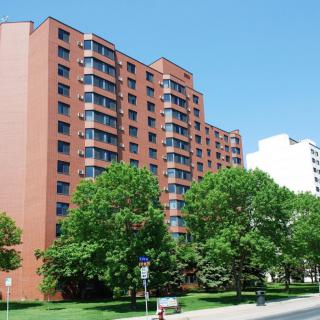


 Comprehensive Insights into Activities of Daily Living (ADLs) and Their Assessment
 Medicare Coverage for Assisted Living: An In-Depth Exploration
 Your Comprehensive Guide to Luxury Assisted Living: Elevated Facilities, Amenities, and Costs