
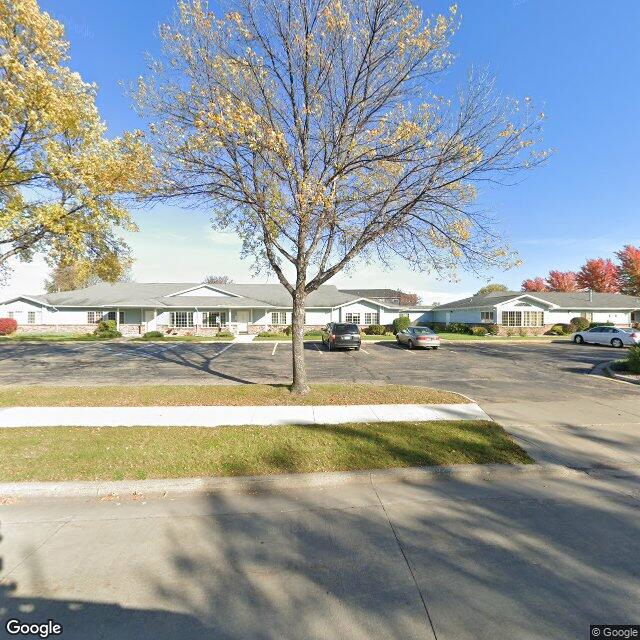
608 5th Ave NW, East Grand Forks, MN 56721
To contact a resident: (218) 773-6648
For more information about senior living options: (866) 208-4318
Overall Review of Edgewood Vista
Pros
 The staff treated her with dignity and were always welcoming to visitors.
- The staff showed her love and care, and they called her by name.
- She received many hugs a day from the staff.
- She was allowed to move around the facility even when in a wheelchair.
- Residents were served real food, not just soup from a can.
- The meals looked amazing and residents received plenty of food.
- The staff consistently gave of themselves day in and day out.
Cons
 are negative third-person statements distilled from the reviews:
- The reviewers described the facility as absolutely horrible, with staff who were rude and disrespectful to the patient and her family, including threats to call the police and to eject them.
- They claimed on-site prayer services for an indigenous patient were not allowed, forcing the ceremony outside in winter weather.
- The person who runs the place was described as extremely rude and disrespectful toward the family.
- The reviewers labeled the facility a slum and cautioned that it is not suitable for Indigenous loved ones.
- They said they would give less than zero stars if possible.
- They reported a nurse hung up on a family member when asked about a hospital transport.
Review
Edgewood Vista in East Grand Forks is best suited for families seeking a warm, relationship-driven assisted living environment where caregivers are consistently present, attentive, and willing to engage residents in meaningful daily moments. The clearest value proposition from the positive feedback centers on staff who know residents by name, treat them with dignity, and create a welcoming atmosphere for family visits. Residents appear to benefit from practical, visible care: the ability to move about even when wheelchair-bound, meals that are described as generous and appetizing, and staff who convey warmth through frequent, personal interactions. For families who prioritize a home-like feel, attentive companionship, and tangible acts of everyday respect, Edgewood Vista delivers.
Those who may want to consider alternatives are families for whom cultural sensitivity, ritual autonomy, and consistent policy enforcement are non-negotiable. Several reviews raise red flags around culturally charged expectations, specifically end-of-life or spiritual practices, that were reportedly blocked or required to take place outside the building, with staff or leadership described as dismissive or resistant. The seriousness of these concerns extends to alleged disrespectful treatment from management and even threats of police involvement in family matters. When faith-based or culturally specific practices are part of a loved one’s final arrangements, these reports suggest a risk profile that warrants caution and verification before committing.
On the upside, the strongest pros appear to be everyday relational quality and tangible attentiveness. Families repeatedly note the personal attention given to residents, with staff calling residents by name and offering frequent, affectionate interactions, including hugs. The atmosphere is described as caring and humane, with residents seemingly kept engaged, and with a focus on allowing movement and autonomy where possible. Food quality is consistently highlighted as a standout, not merely adequate sustenance but meals that feel thoughtfully prepared and satisfying. For families who value a community where staff invest emotionally in residents, these strengths can significantly improve day-to-day life and provide reassurance during challenging health transitions.
However, the main cons carry substantial weight. The most troubling issues center on cultural and religious sensitivity, not occasional lapses in service. Reports of being told to hold prayer ceremonies outside the facility, threats of police involvement, and strong negative judgments toward Indigenous families point to a cultural and ethical fault line that cannot be dismissed. Additional concerns, such as a caregiver or nurse communication lapse and a perception of rude or unresponsive leadership, compound the risk, particularly for families navigating end-of-life planning, coordinated medical care, and consistent advocacy for a loved one. When critical elements like spiritual respect and respectful interpersonal conduct are in doubt, the potential benefits of warmth and good meals are unlikely to fully compensate.
In weighing whether Edgewood Vista offsets these concerns, the analysis tilts toward caution. The proven strengths, compassionate day-to-day care, visible staff-resident connections, and high-quality meals, will matter deeply to residents who thrive on social warmth and personal touch. Yet the magnitude and specificity of the negative reviews cannot be ignored: cultural insensitivity and coercive or hostile interactions around end-of-life rituals are not rare missteps but fundamental expectations that appear unmet in several accounts. Prospective families should demand concrete assurances before moving forward: robust anti-discrimination and cultural accommodation policies, clear escalation pathways, evidence of staff training on cultural sensitivity, and an opportunity to observe how leadership responds to concerns. A trial visit focused on dining, care planning conversations, and a transparent tour of any formal complaint processes will reveal whether the facility’s culture has shifted toward the inclusive, respectful standard families expect.
The practical takeaway is direct. Edgewood Vista can be a strong fit for those who prize a home-like environment with devoted, personable staff and high-quality meals, and who are prepared to monitor culture of care closely. For families where cultural and spiritual respect is non-negotiable, or where end-of-life rituals must be shielded from bureaucratic friction, it is prudent to compare alternatives with demonstrated consistency in inclusivity, cultural competence, and responsive leadership. In short, Edgewood Vista offers compelling daily-care benefits, but the decision hinges on whether the facility’s culture aligns with the family’s core values and expectations for respectful, culturally aware treatment at all levels of care.
 Assisted Living
 Memory Care
 Activities on-site
 Devotional services off-site
 Indoor common areas
 Grand Forks International (7 miles away)
 Ambulatory care
 Diabetic care
 Meals provided





 Assisted Living and Memory Care: Understanding Their Core Differences
 Choosing the Right Senior Care: A Detailed Exploration of Assisted Living and Nursing Homes
 Safeguarding Your Memory Through the Golden Years: Eight Ways to Preserve Cognitive Health