

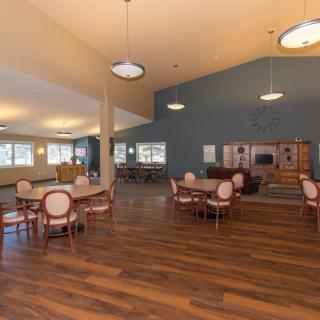
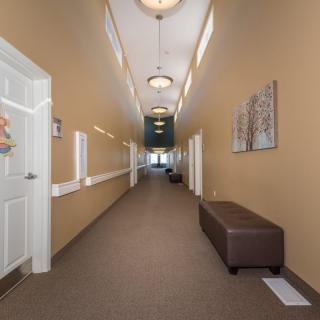
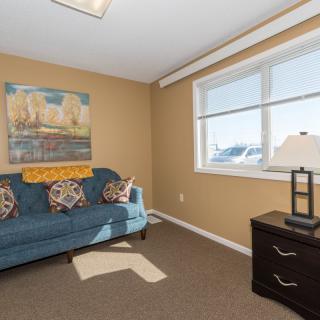
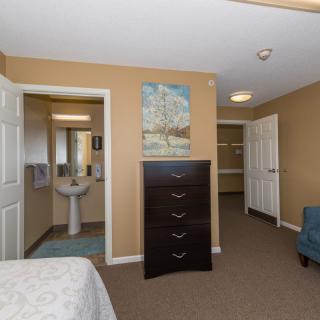
4650 S Washington St, Grand Forks, ND 58201
To contact a resident: (701) 772-3400
For more information about senior living options: (866) 208-4318
Maple View Memory Care Costs & Pricing
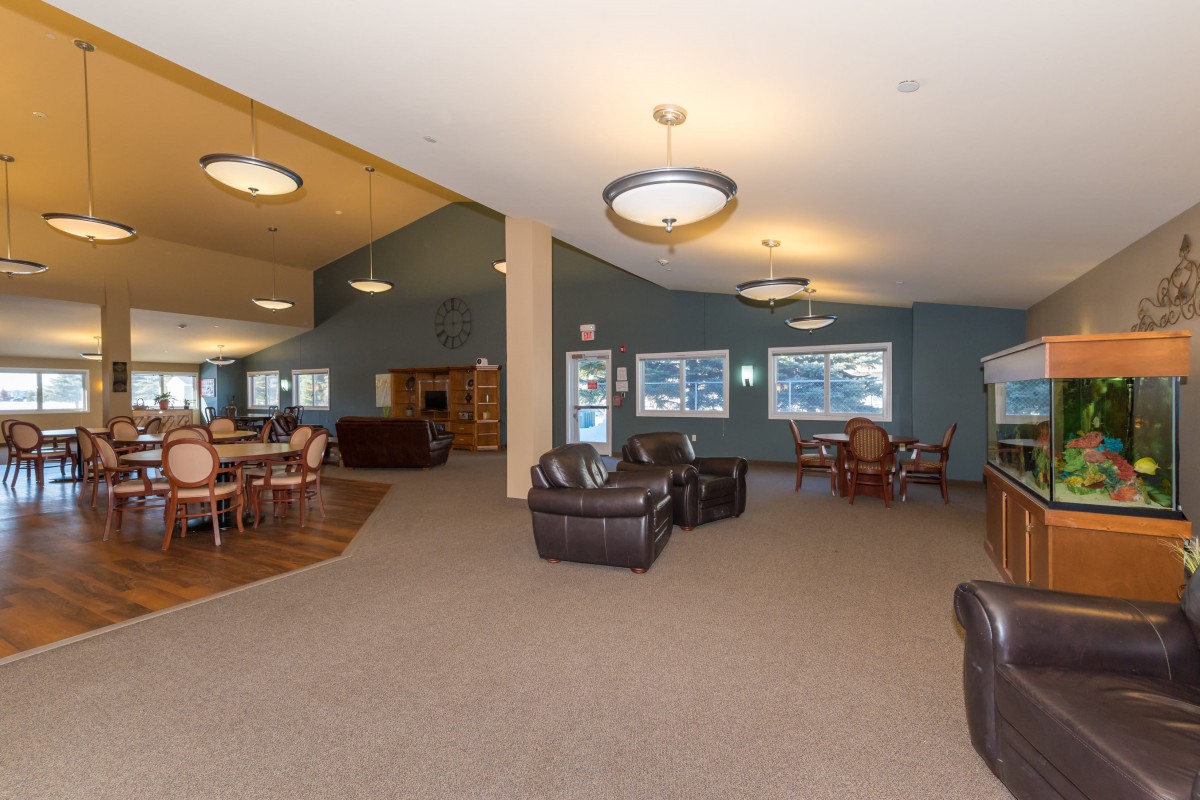
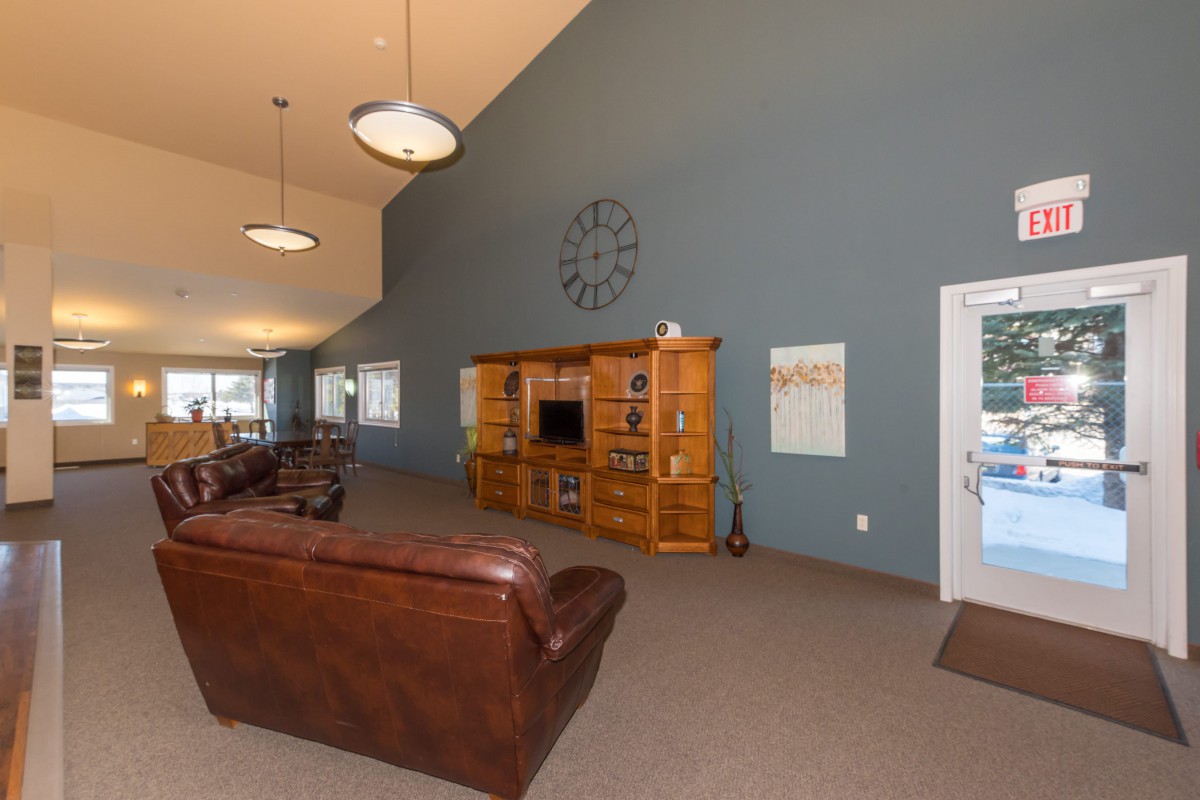
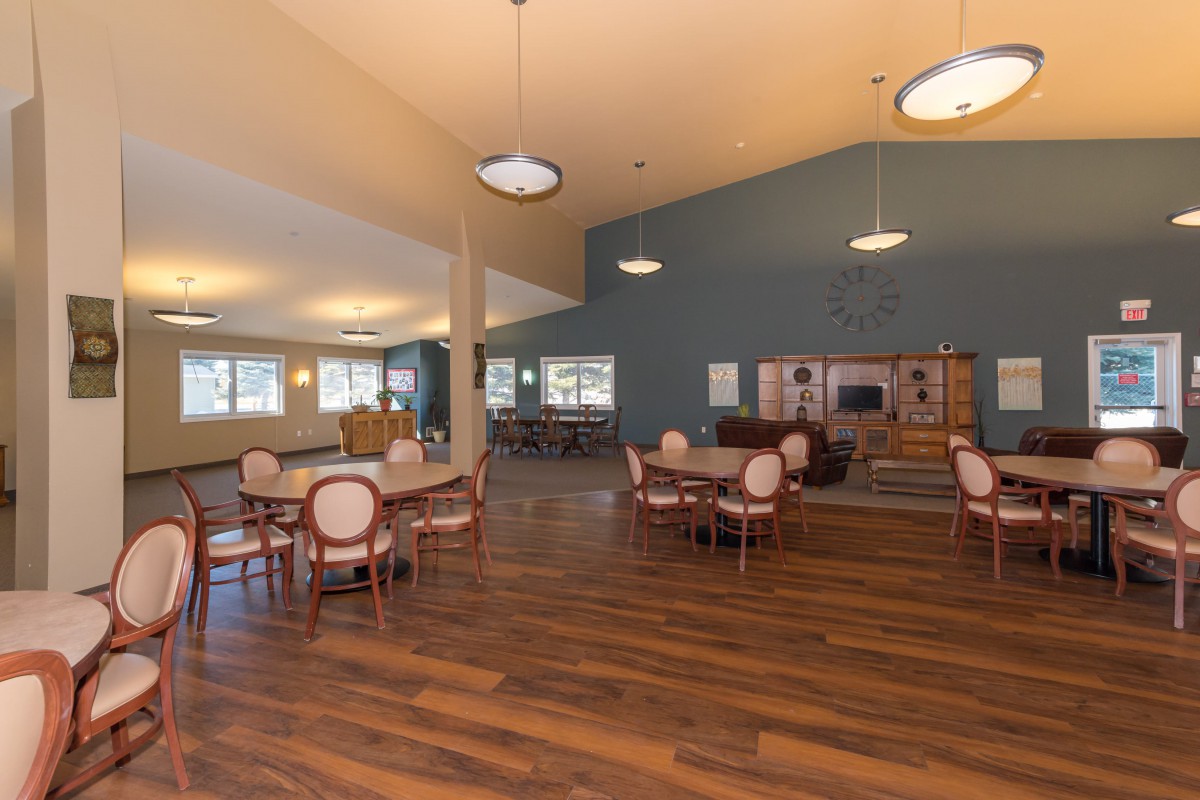
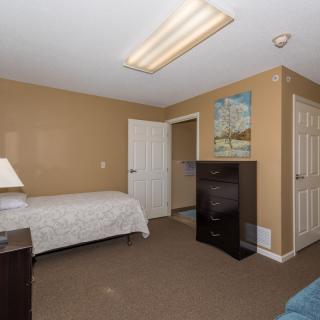
Maple View Memory Care offers a studio room at a monthly cost of $6,253, which is significantly higher than the averages for both Grand Forks County and the state of North Dakota. In comparison, the average monthly cost in Grand Forks County stands at $4,601, while the statewide average is even lower at $3,820. This pricing reflects Maple View's commitment to providing specialized care and enhanced amenities tailored for individuals with memory-related needs, ensuring residents receive exceptional support in a comfortable living environment. While it may be positioned at a premium within the local market, many families find that this investment correlates with higher quality care and better overall experiences for their loved ones.
| Floor plans | Maple View Memory Care | Grand Forks County | North Dakota |
|---|---|---|---|
| Studio | $6,253 | $4,601 | $3,820 |
Memory care communities with a similar price nearby
-
from +$247 / mo
Wheatland Terrace
$6,500 to $7,500 / month2.4 miles away
Overall Review of Maple View Memory Care
Pros
 Maple View is an excellent facility for residents.
- Caregivers at Maple View are the best — very loving, patient, knowledgeable, and fun.
Review
Maple View Memory Care in Grand Forks is best suited for families seeking a memory-care environment with exceptionally hands-on, compassionate caregiving. The community’s strength resides in staff who are described as loving, patient, knowledgeable, and engaging, creating daily routines that feel personalized and reassuring for residents. This setting works best for a loved one who benefits from attentive supervision, meaningful interaction, and a warm, human-centered atmosphere over a more clinical or impersonal feel. For families prioritizing consistent relationships with caregivers and a calm, supportive pace, Maple View offers a compelling match.
Those considering alternatives should weigh whether the primary needs extend beyond memory care. If medical oversight requires more intensive or specialized clinical services, or if a broader continuum of care, including independent living, rehabilitation, or highly structured medical programs, is essential, other communities may be a better fit. Additionally, if budget constraints demand a lower-cost option or if a resident’s condition may soon require less supervision or more aggressive therapy, exploring comparable facilities with different care models could be prudent. Maple View’s emphasis on memory-care living means it excels in daily engagement and safety, but may not align with every care trajectory.
The reviewed strengths center on the caregiving team. The staff is praised as the facility’s standout asset, delivering affection, patience, and expertise in equal measure. This combination translates into calmer mornings, reduced agitation, and more opportunities for meaningful activities, fostering trust and comfort for residents. The facility’s reputation as excellent reflects not only the interactions residents receive but also the overall environment: a cohesive, well-coordinated operation where safety, routine, and social engagement are managed with intent. Families looking for a place where staff consistently meet needs with warmth will find Maple View’s approach particularly compelling.
There are no explicit drawbacks highlighted in the reviews, which naturally invites scrutiny on typical tradeoffs associated with memory-care communities. Potential concerns that families commonly weigh, cost considerations, transition from prior living arrangements, and the extent of medical or rehabilitative services, should still be explored. While not called out as negatives here, these are standard questions to confirm during tours and conversations with administrators. In Maple View’s case, the absence of negative signals in the reviews underscores a proven strength: strong staff engagement and a reassuring, home-like daily rhythm.
The practical takeaway is that Maple View’s caregiving depth largely offsets typical memory-care tradeoffs. Where concerns often center on staffing fidelity or activity variety, the described care team’s loving, patient, and knowledgeable approach suggests high-quality, reliable interactions that sustain resident well-being and mood. The “fun” element paired with careful supervision helps counterbalance any perception of rigidity, converting routine into opportunity for connection rather than monotony. For families, this means a solid bet for those who want clear evidence of excellent daytime care supported by a positive, hopeful daily lived experience.
Bottom line: Maple View Memory Care stands out as a strong, confident option for memory-impaired seniors who thrive on close-knit, compassionate caregiving and daily engagement. It’s a particularly good match for families prioritizing trust in staff relationships and a warm, participatory atmosphere. Those needing extensive medical complexity, a broader care continuum, or cost-sensitive alternatives should explore other communities with different care models. A visit is essential: observe caregiver-resident interactions, assess turnover indicators, and confirm that the tone, pace, and activities align with the resident’s personality and needs. Maple View is ready to deliver if the aim is a genuinely people-centered memory-care home.
 Day Program
 Memory Care
 Air-conditioning
 Bath tubs
 Beautician on-site
 Devotional services on-site
 Ground floor units
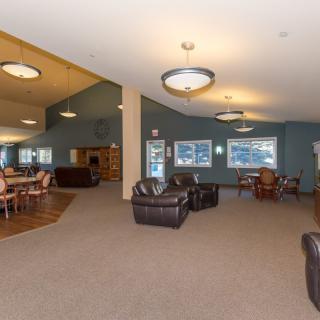
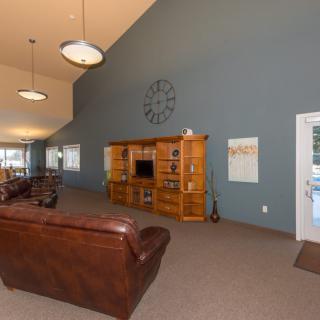
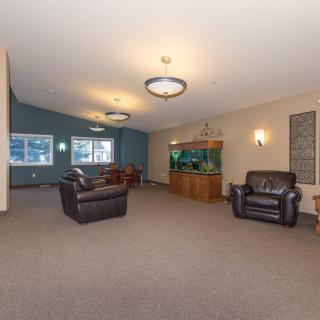
 Indoor common areas
 Outdoor common areas
 Respite or short term stays offered
 Grand Forks International (8 miles away)
 Ambulatory care
 Diabetic care
 Incontinence care
 Medication management
 Guest meals
 BBQs or picnics
 Birthday parties
 Catholic services
 Day trips and outings
 Live musical performances
 Montessori programs
 Pet-focused programs
 Stretching classes
 Trivia games



 An In-Depth Look at Reminiscence Therapy in Dementia Care
 Dementia-Related Hallucinations: Causes, Experiences, and Practical Approaches
 Illuminating Insights About Alzheimer's Disease: Ten Crucial Realities