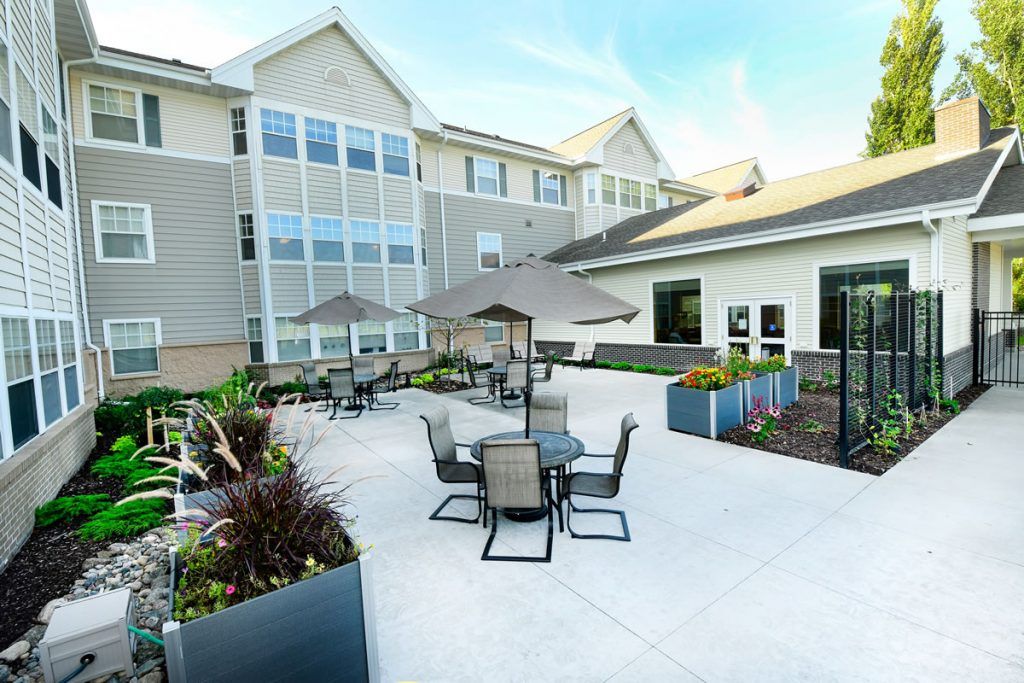
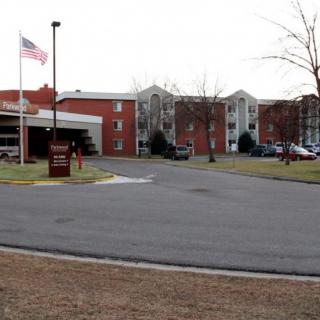
4006 24Th Avenue S, Grand Forks, ND 58201
For more information about senior living options: (866) 208-4318
Wheatland Terrace Costs & Pricing
Wheatland Terrace presents a unique pricing structure for its accommodations, reflecting both the quality of services offered and the local market dynamics. For a studio apartment, residents can expect to pay $6,500 per month, which is significantly higher than the county average of $4,601 and the state average of $3,820. In contrast, the private room option aligns more closely with Grand Forks County pricing at $7,500 but stands out as notably greater than North Dakota's average of $4,343. These costs suggest that while Wheatland Terrace provides enhanced amenities and a higher standard of living, prospective residents should weigh these benefits against regional pricing norms to determine value.
| Floor plans | Wheatland Terrace | Grand Forks County | North Dakota |
|---|---|---|---|
| Studio | $6,500 | $4,601 | $3,820 |
| Private | $7,500 | $7,500 | $4,343 |
Overall Review of Wheatland Terrace
Pros
 Wheatland Terrace offers respite care and a variety of room sizes.
- Wheatland Terrace seems to have about everything residents are looking for.
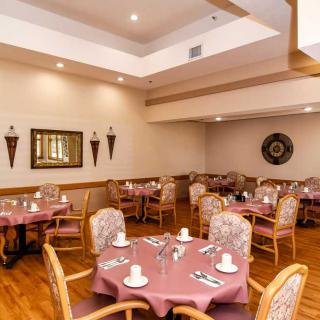
- Wheatland Terrace tailors meals to individual dietary needs.
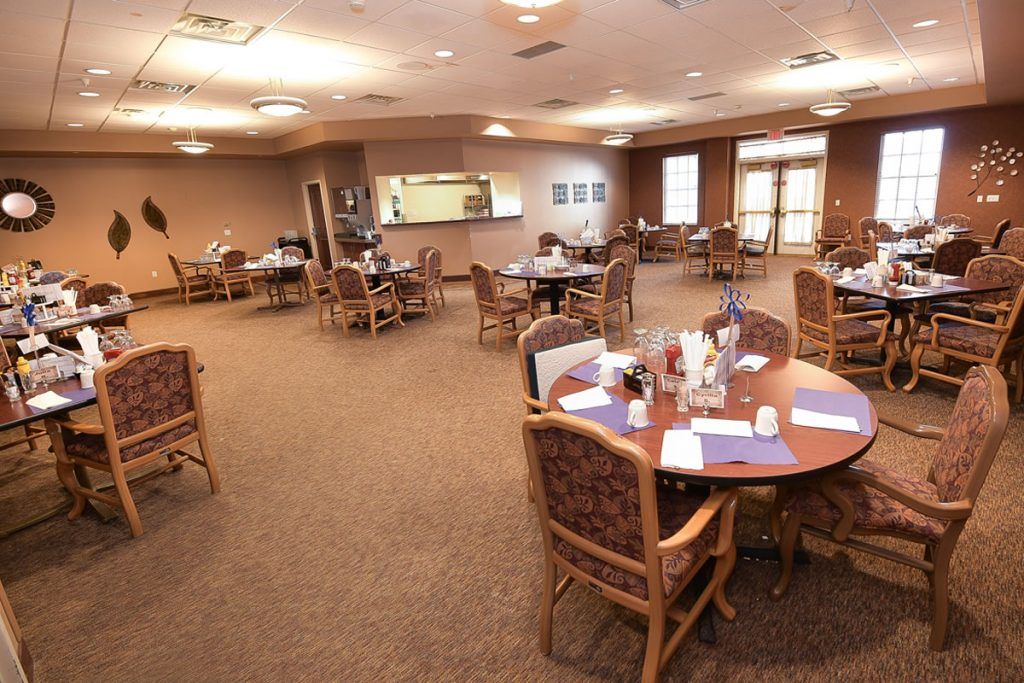
- The food at Wheatland Terrace is healthy and has a good selection.
- Wheatland Terrace provides a wide range of activities for residents.
- Wheatland Terrace hosts Sunday church services and features performers.
- Seasonal parties are held and birthdays are recognized at Wheatland Terrace.
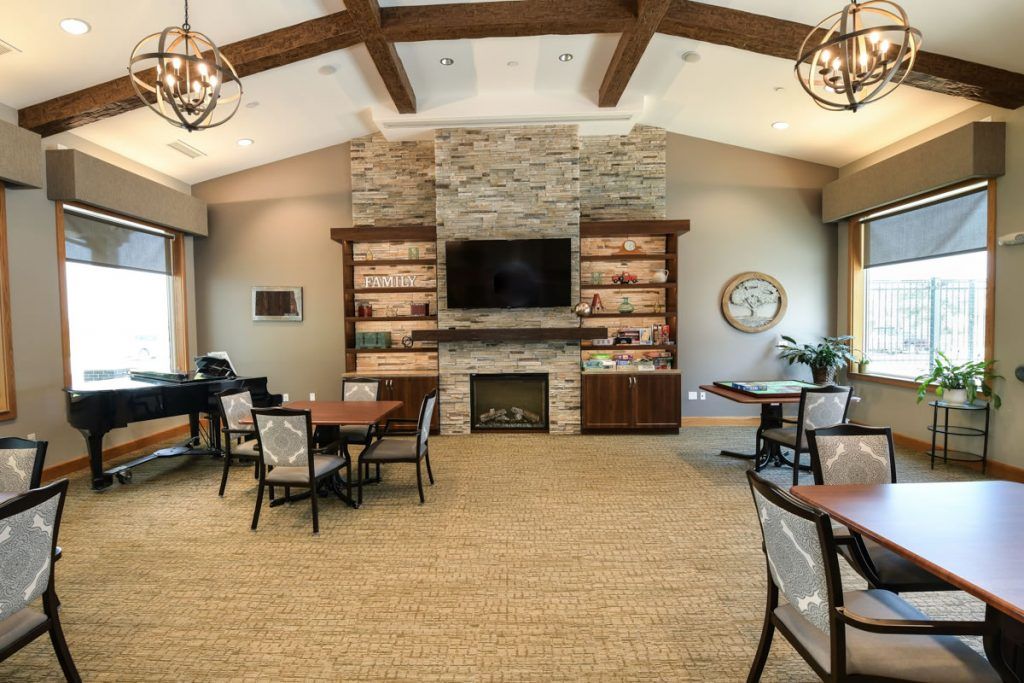
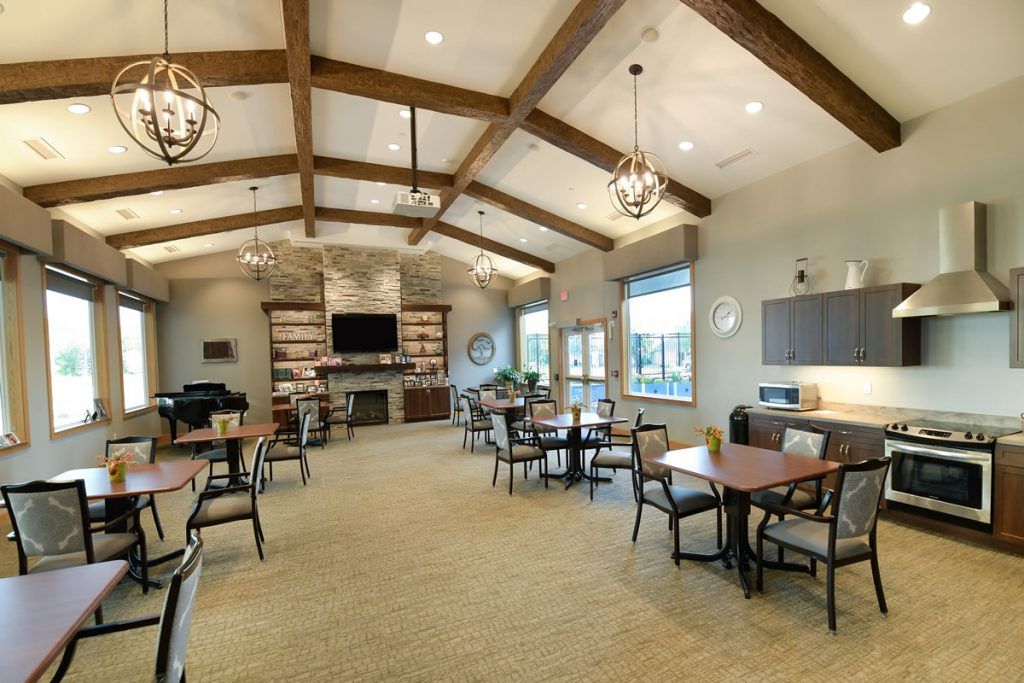
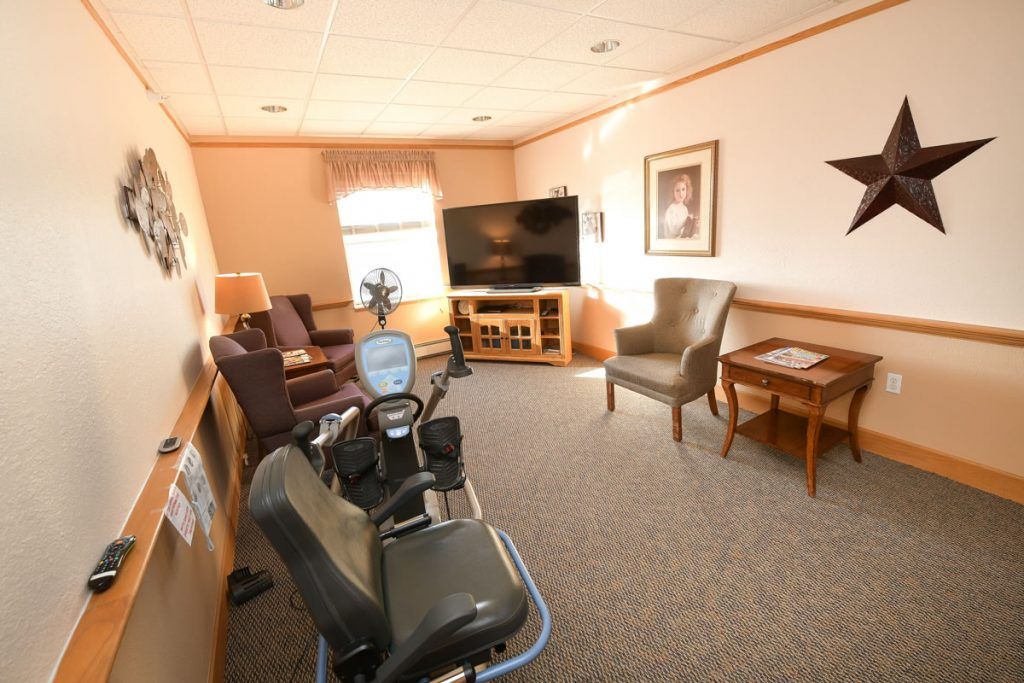
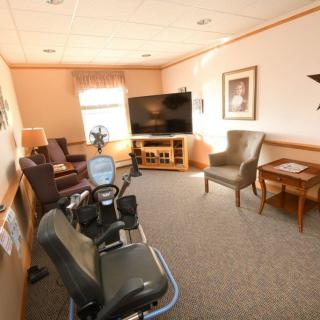
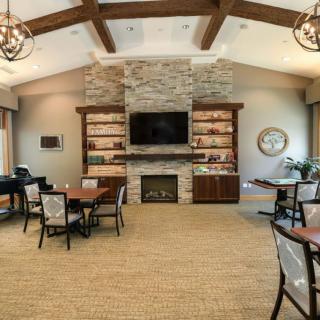
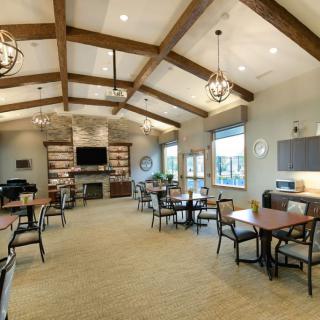
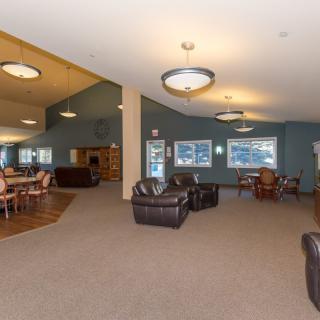
- The recreation room at Wheatland Terrace is well-equipped with a big-screen TV, pool table, craft tables, and workout equipment.
Cons
 The vendor switch caused a learning curve at Wheatland Terrace.
- There is a waiting list for a two-bedroom unit, indicating limited availability.
Review
Wheatland Terrace in Grand Forks is best suited for families seeking a well-rounded, activity-forward senior living option where flexibility and social engagement take center stage. It works especially well for residents who want a campus with multiple room configurations, including respite stays, and who value a lively calendar of events, faith-based programming, and frequent performances. The community’s setup supports both independent living and temporary care needs, with a pace and variety that keeps seniors connected and involved without forcing a retreat from daily life. For families that prize a curated dining experience and a place that offers ongoing opportunities to socialize, celebrate, and stay active, Wheatland Terrace stands out as a highly sensible choice.
That emphasis on activity and flexibility also means certain realities are worth considering before committing. Prospective residents who require very high levels of medical acuity, intensive skilled nursing, or specialized memory care may want to compare options that center more tightly on those services. Additionally, anyone hoping for guaranteed immediate access to a larger two-bedroom unit should be mindful that there is currently a wait list. The combination of a broad, welcoming environment with selective room availability means timing and care needs should be carefully aligned with the community’s current housing and service offerings. If budget parameters are tight or if a quieter, more low-key setting is preferred, alternatives may merit serious consideration.
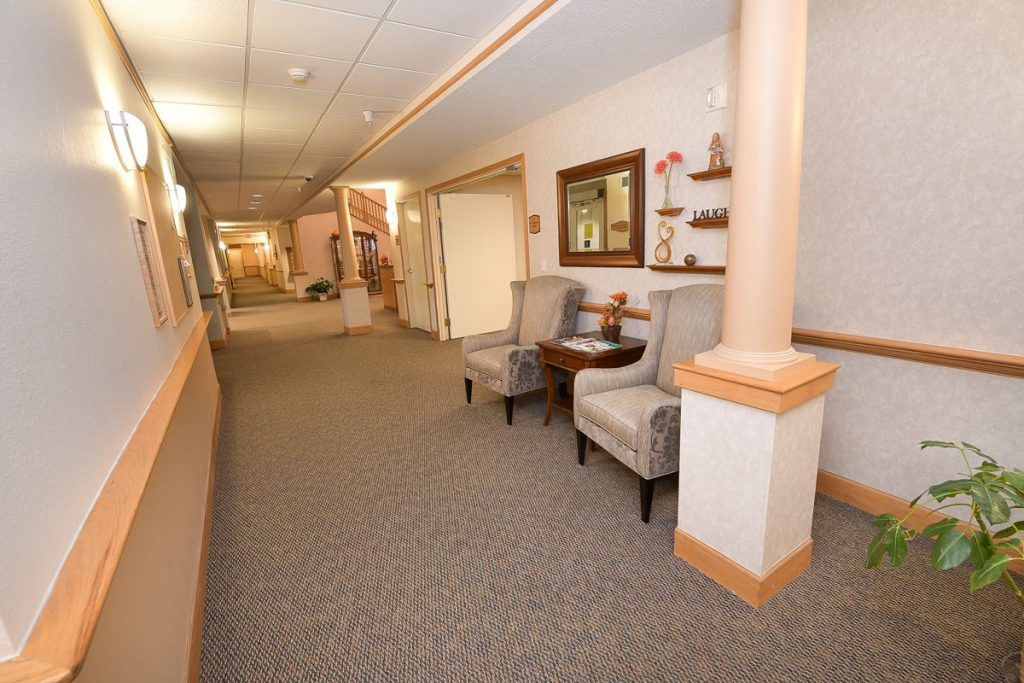
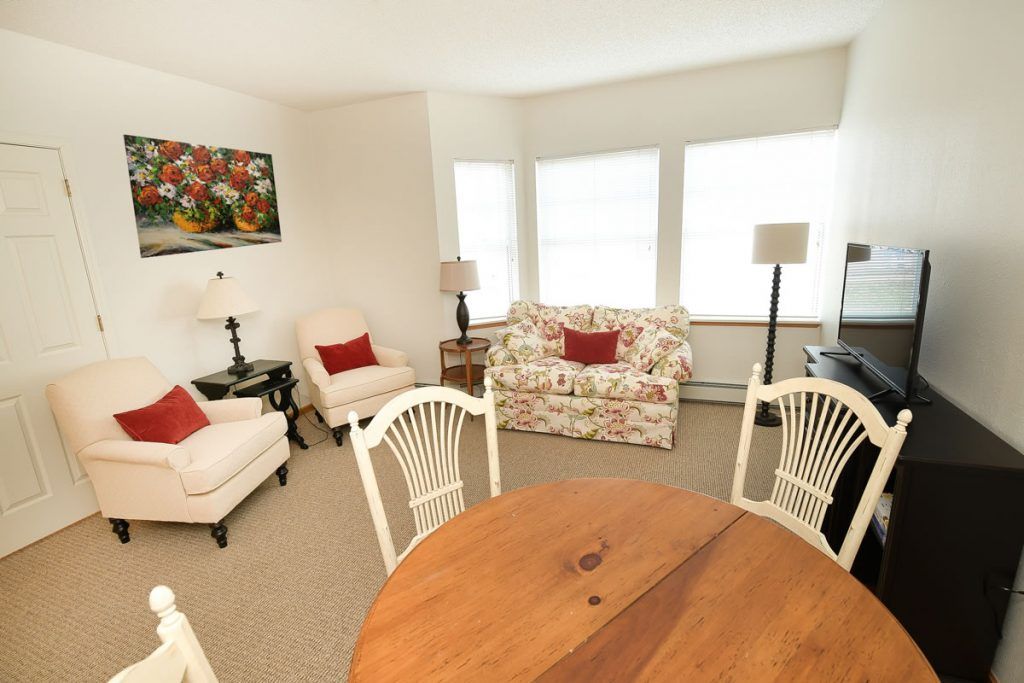
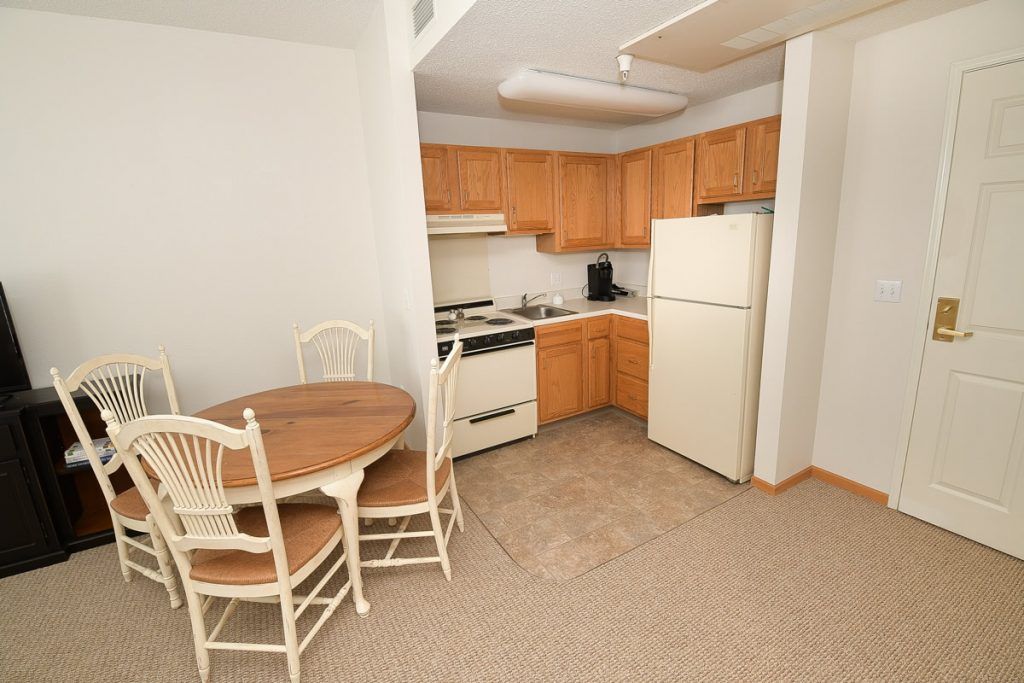
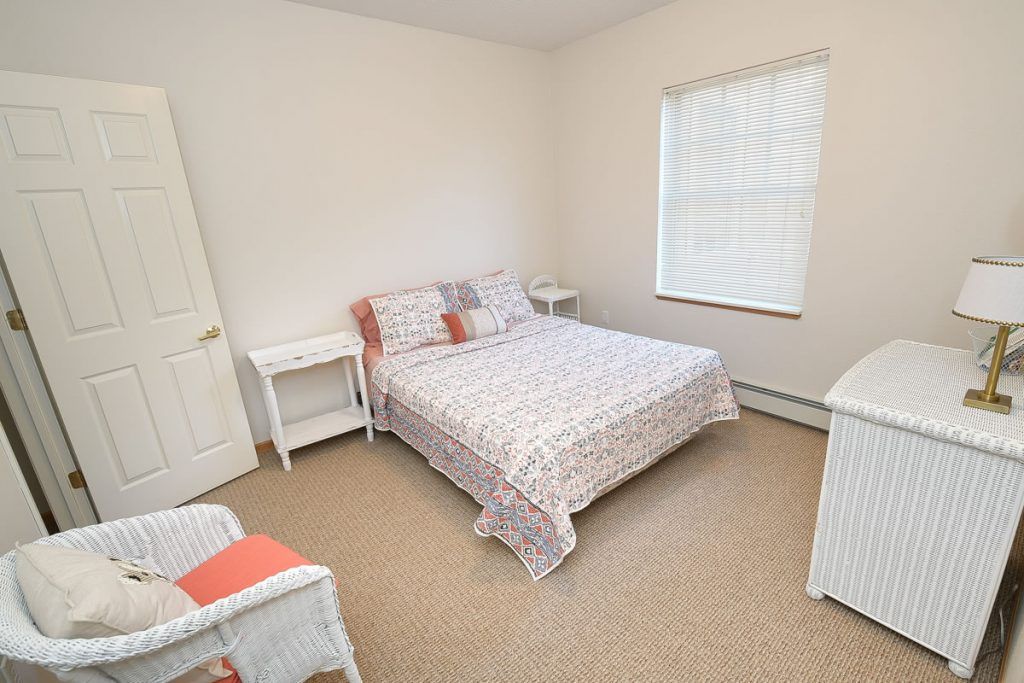
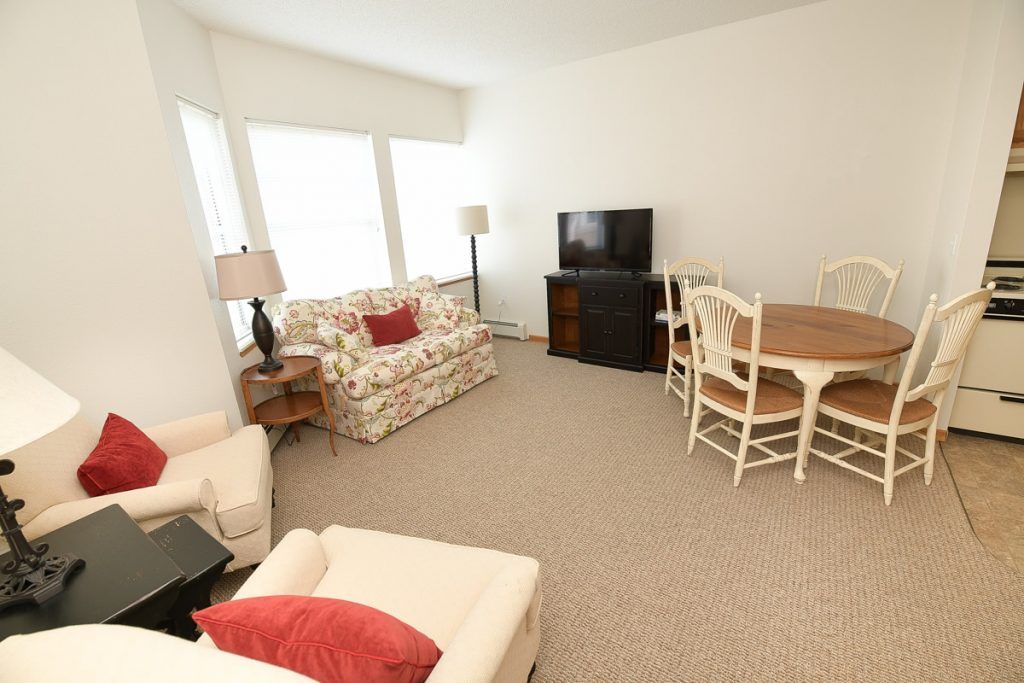
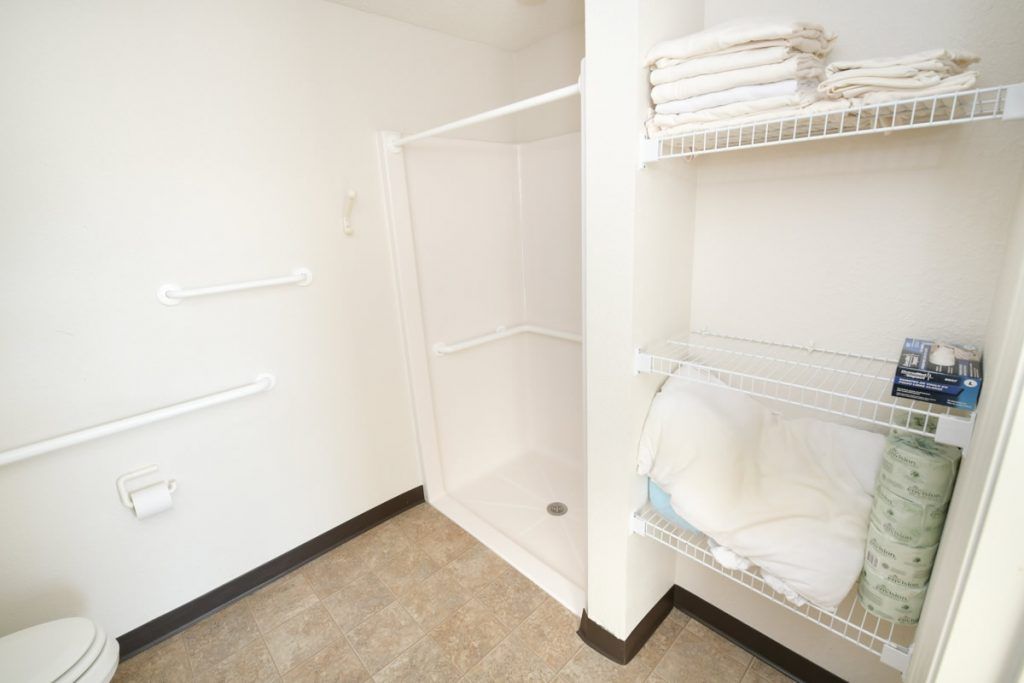
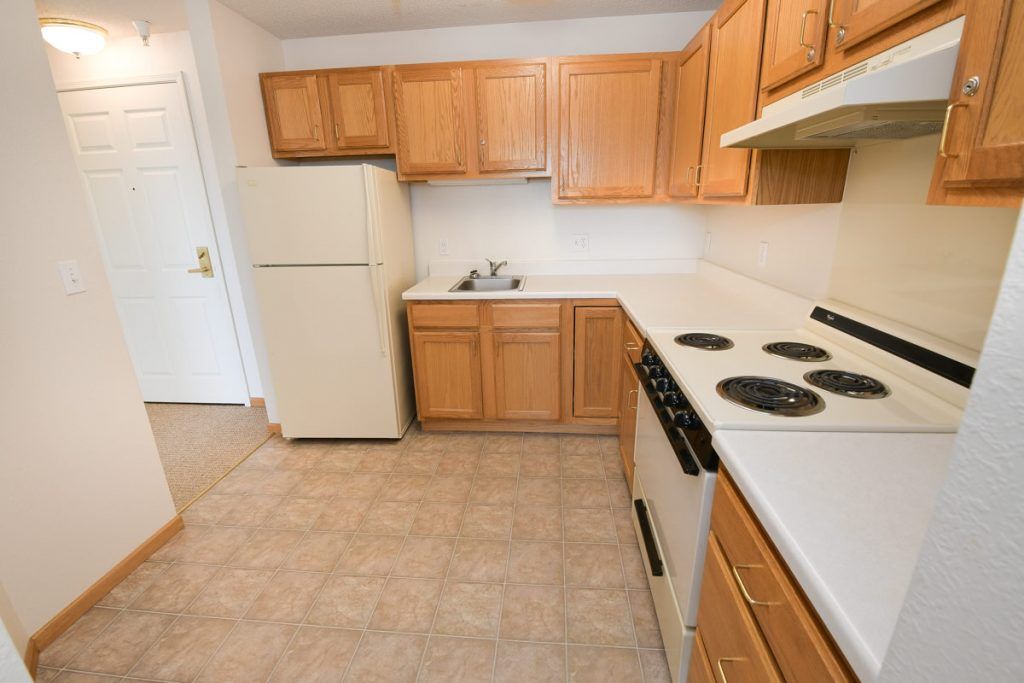
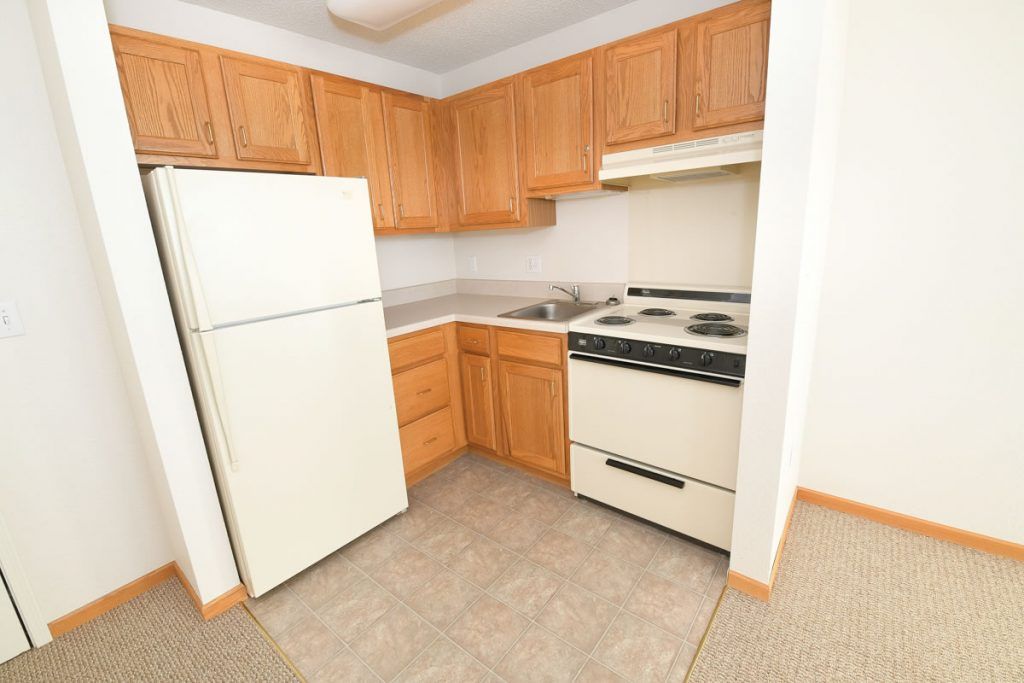
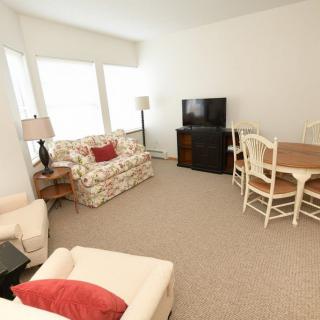
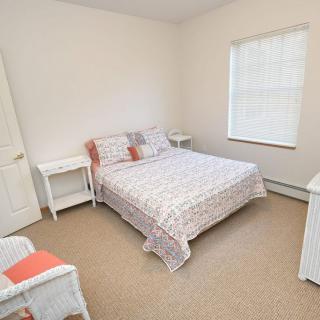
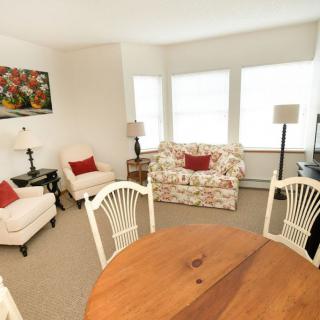
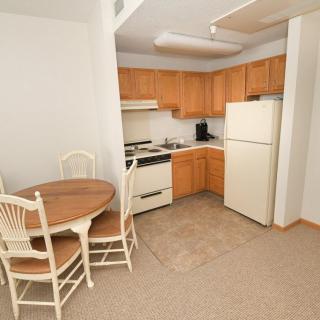
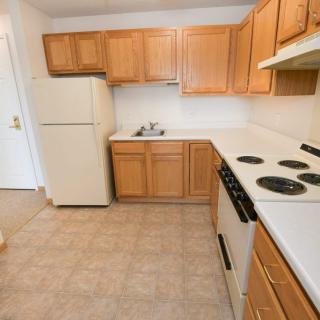
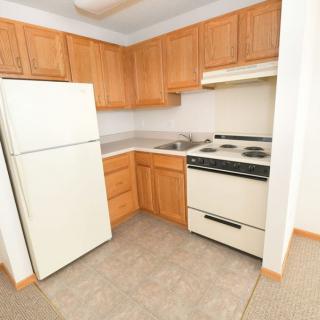
The strongest advantages lie in the breadth of practical benefits presented day to day. The campus offers a range of room sizes, including respite care, which is crucial for families needing temporary relief or a transition period. Floorplans appear practical and functional, with meaningful options to tailor living space to individual preferences. The dining operation, though recently adjusted due to a vendor change, remains a thoughtful strength: meals are described as healthy, with a broad selection and a willingness to accommodate dietary needs. Beyond meals, the community sustains a steady rhythm of activities and programming, from Sunday church services and live performances to seasonal parties and birthday recognitions, ensuring residents can opt in or out without feeling isolated. The recreation spaces, big-screen TV areas, a pool table, craft tables, and workout equipment, create a robust hub for social interaction and physical activity.
The key cons are not overwhelming, but they are real and worth weighing against the positives. The vendor shift for dining introduced a learning curve; while expectations about consistency may have fluctuated during transition, there is confidence that the kitchen team has found its footing and aligned with resident needs. The lack of firsthand food tasting in the review only reinforces the need for a prospective resident or family to arrange a meal sampling or menu discussion during tours to verify culinary satisfaction. And while the two-bedroom waitlist is a genuine limitation for families needing larger private space soon, the overall vitality and breadth of programming can compensate for this by delivering ongoing value in the interim, should a smaller unit or respite stay meet current needs.
Practical steps for families evaluating Wheatland Terrace should be action-oriented. Inspect floor plans in person and confirm the current availability for the preferred unit size and care level. Request a sample meal or a detailed dining menu to assess fit with dietary requirements and taste preferences, and discuss how the kitchen handles special diets and regular menu adaptations. Review the activity calendar to gauge how well the schedule aligns with a loved one’s interests, and ask about guest access, transportation options for outings, and the process for adding or modifying participation in programs. It’s also wise to speak with staff about care coordination, emergency response times, and how respite or short-term needs are integrated with long-term plans. A candid conversation with current residents or families can reveal how well the promised engagement translates into daily life.
In the end, Wheatland Terrace offers a compelling combination of flexible accommodations, robust social programming, and a responsive dining-and-activities ecosystem that tends to offset the typical concerns around waitlists and transitional dining changes. For families prioritizing an active, community-centric environment where meals, recreation, and spiritual life are woven into daily living, this facility stands out as a practical, experienced choice. If those elements align with the priorities, a move to Wheatland Terrace is a well-founded decision. Conversely, for those whose primary imperatives are immediate access to larger, exclusively dedicated housing or highly specialized medical care, exploring alternatives with stronger guarantees in those areas is prudent.
 59 resident community capacity
 1-bedroom apartments
 Assisted Living
 Memory Care
 Skilled Nursing Facility
 Air-conditioning
 Beauty salon
 Cable or satellite TV
 Computer center
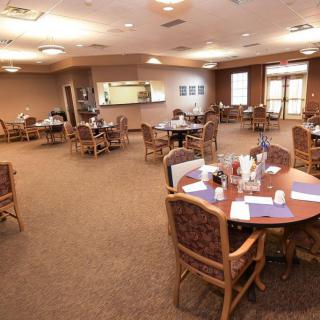
 Dining room
 Fitness room
 Fully furnished
 Gaming room
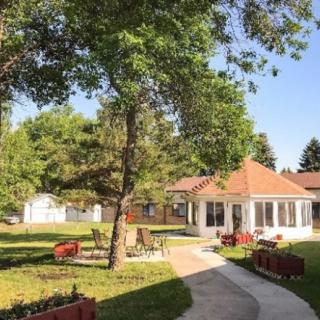
 Garden
 Housekeeping services
 Kitchenette
 Move-in coordination
 Outdoor space
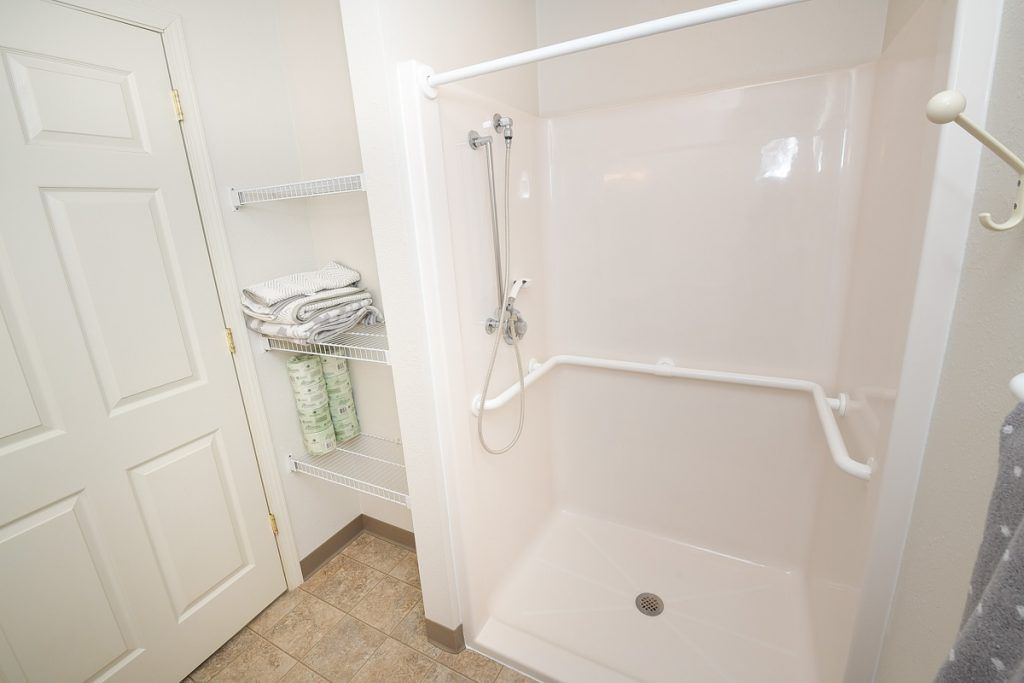
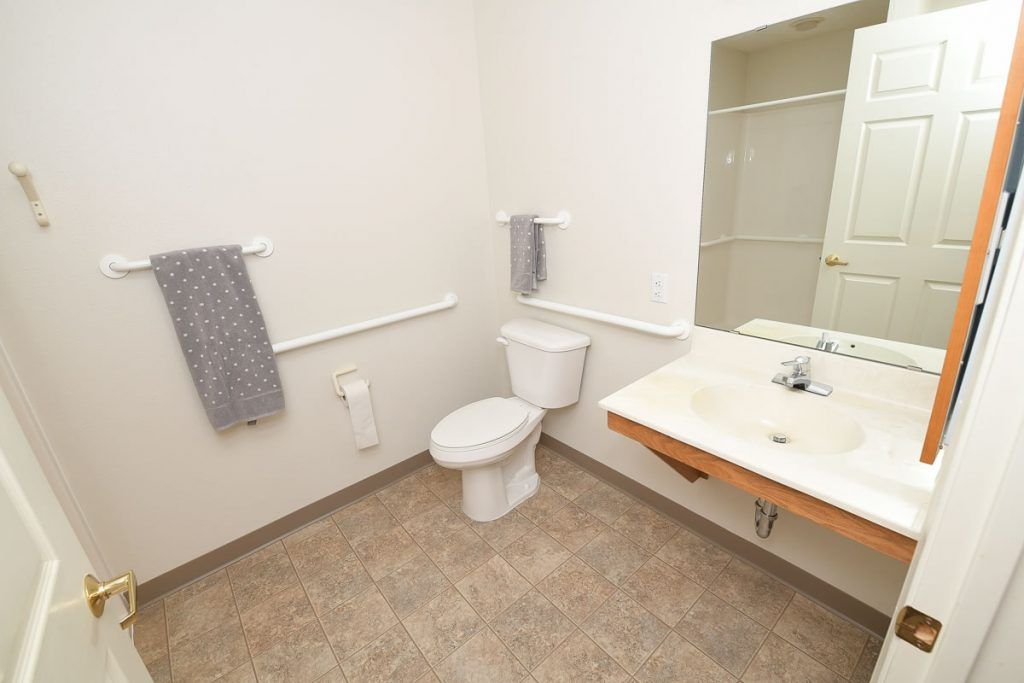
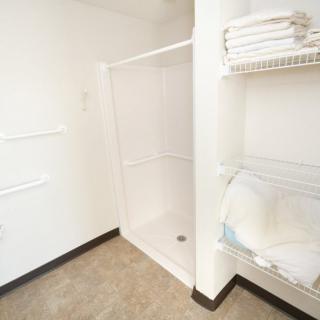
 Private bathrooms
 Restaurant-style dining
 Small library
 Telephone
 Wellness center
 Wi-Fi/high-speed internet available
 Grand Forks International (5 miles away)
 Community operated transportation
 24-hour call system
 Activities of daily living assistance
 Assistance with bathing
 Assistance with dressing
 Assistance with transfers
 Diabetes diet
 Medication management
 Mental wellness program
 Special dietary restrictions
 Concierge services
 Planned day trips


 A Thorough Discussion of Medications Potentially Linked to Dementia Risk
 Why Do Dementia Patients Sleep So Much? Understanding Oversleeping, Stages, and Care Approaches
 8 Key Indicators That Suggest It May Be Time to Transition from Assisted Living to Skilled Nursing Care