Good Samaritan Society - Larimore

Save
Good Samaritan Society - Larimore Good Samaritan Society - Larimore Good Samaritan Society - Larimore

Good Samaritan Society - Larimore

501 East Front Street, Larimore, ND 58251

For more information about senior living options: (844) 490-3973

3.3 from 12 reviews
5 stars
6
4 stars
1
3 stars
0
2 stars
0
1 stars
5

Assisted Living Board and Care Home Skilled Nursing Facility

What level of care are you interested in?

Assisted Living

Memory Care

Independent Living

Skilled Nursing Facility

Continuing Care Retirement Community (CCRC)CCRC

Other


Request a tour at Good Samaritan Society - Larimore

    Overall Review of Good Samaritan Society - Larimore

    Pros

    • pro The staff are caring, professional, and genuinely concerned for residents.
    • pro The staff take very good care of residents and keep families informed.
    • pro The team is great and the family members are wonderful; people would recommend Good Samaritan Society.
    • pro In both assisted living and nursing settings, the service and care are remarkable, with residents' needs consistently met.
    • pro Staff members have demonstrated exceptional dedication, sometimes coming in off duty to check on residents.

    Cons

    • pro The facility has terrible staffing, slow response to resident needs (toileting, etc.), and a lack of communication from staff to families and residents.
    • pro A nephew stayed there for about a week, could not stand it, and was moved to another nursing home in Northwood.
    • pro The place is described as complete crap, with not one person caring about the wellbeing of its occupants.
    • pro Residents' care is poor, their needs aren't listened to, and billing information is frequently incorrect or lost.
    • pro There are claims of insufficient staffing (e.g., one staff member for 15 residents) and more office staff than the budget can support, making the place a joke.
    • pro Staff are treated very poorly.

    Review

    Across accounts, families and residents describe a care facility that inspires both alarm and gratitude. The sentiment is split between harsh warnings to avoid placing a loved one there and moments of deep appreciation for remarkable staff. On one end, several voices warn that the facility is marked by terrible staffing, slow response times to basic needs, and a troubling lack of communication with both residents and families. In these views, important duties like assisting with toileting or responding promptly to requests are consistently delayed, leaving families anxious about whether their loved ones are getting the attention they deserve.

    One account recalls a brief stay that ended badly: a nephew was at the facility for about a week and could not tolerate the experience, ultimately being moved to another nursing home in Northwood. The tone of this narrative is explicit and urgent - an insistence that potential residents' families should think twice before placing someone there. The same theme resurfaces in another strongly worded critique, where a reviewer calls the place "complete crap," saying not one person there seems to care about the wellbeing of the occupants, noting poor care and a failure to listen to the resident's needs. Billing troubles and information loss are also mentioned, painting a picture of a facility where administrative mistakes compound care concerns.

    Yet the picture is not uniform. There are voices that paint a much more favorable impression. One reviewer simply notes the facility is a "great place" that sits a bit out in the boonies, suggesting a quiet or rural setting isn't a deal-breaker for a positive experience. A separate positive remark emphasizes "Great Team and wonderful family members," with a clear intent to recommend the Good Samaritan Society. The sense conveyed here is of a place where the environment and the people can work well together, producing a hopeful impression for prospective families who value warmth and community.

    Another testimonial highlights the reassurance of good communication and attentive care. The staff is described as taking very good care of a parent, "amazing" in their work, and keeping families informed. This account stresses consistency and responsiveness, portraying the staff as reliable partners in caregiving who actively involve families in the process. That sense of open communication and genuine care stands in contrast to some of the harsher critiques and reflects how experiences can vary markedly from one family to the next.

    There is also a stark critique focused on staff welfare and resource constraints. A reviewer laments that staff are not being cared for themselves and that the facility does not supply them with what they need to look after residents. The concern extends to a rough staffing ratio - one staff member for every 15 residents - and a sentiment that the place is a joke due to budget-driven constraints. This perspective suggests a system where overburdened caregivers struggle to provide proper attention, which in turn colors the overall experience for residents and their families. Additional comments claim that staff are treated poorly, strengthening a narrative that inadequate support for employees can undermine the quality of resident care.

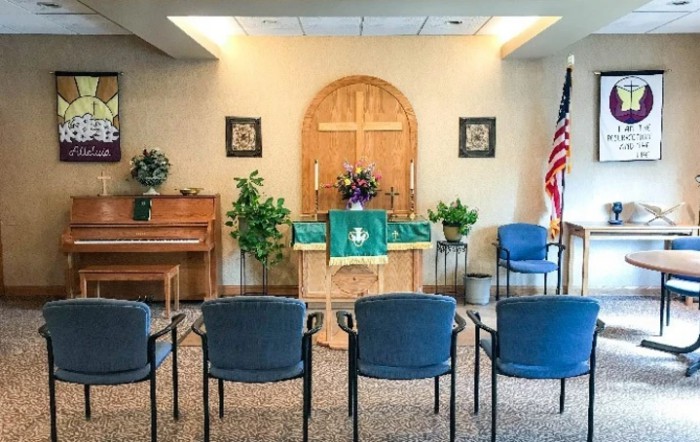
    Against this mix, a particularly moving account stands out: the most caring, professional, and concerned staff possible. A mother spent eight years within the complex, four in assisted living and four in the nursing home, with caregivers meeting her needs consistently across different environments. From the administrator to other staff members, the family felt their mother's needs were always met. The reviewer also praises the faith-based nature of the center, noting that during the mother's final days, staff members would come in off duty to check on her. This testimony underscores what can be possible when dedicated caregivers, a principled ethos, and a supportive administration align to provide exceptional, compassionate care even in the hardest moments.

    Taken together, these competing voices depict a facility with a wide spectrum of experiences. Some families warn others away due to concerns about staffing, communication, and administrative mishaps, while others recount heartfelt, attentive care and commend the staff's dedication and faith-inspired approach. The recurring threads are staffing levels, communication quality, and the welfare of the staff as central factors shaping residents' experiences. In some instances, strong caregiving, transparent communication, and a compassionate environment shine through, while in others, under-resourced staffing and administrative gaps appear to hinder the quality of care. The overall picture is one of variability, with outcomes heavily dependent on specific circumstances, shifts, and perhaps individual units or teams within the broader Good Samaritan Society.

    Features

    Housing

    • 10 resident community capacity 10 resident community capacity

    Types of Care

    • Assisted Living Assisted LivingAssisted living facilities provide crucial support and care for seniors who may need help with daily tasks such as medication management, bathing, and meal preparation. These communities offer a safe and comfortable environment where seniors can maintain their independence while receiving the assistance they need to thrive in their golden years.
    • Board and Care Home Board and Care HomeBoard and care homes provide a smaller, more intimate setting for seniors who require assistance with daily tasks but do not need the level of care offered by a nursing home. They offer personalized care, meals, and social activities in a homelike environment, ensuring that seniors receive individualized attention and support in their golden years.
    • Skilled Nursing Facility Skilled Nursing FacilitySkilled Nursing Facilities are crucial for seniors as they provide round-the-clock medical care, rehabilitation services, and assistance with daily activities. These facilities ensure that seniors receive the specialized care they need to maintain their health and well-being as they age.

    Amenities

    • Cable or satellite TV Cable or satellite TVCable or satellite TV is important for seniors because it provides entertainment, news, and companionship, helping to combat loneliness and boredom. It also offers a wide range of programming options tailored to different interests and preferences.
    • Dining room Dining roomDining rooms are important for seniors as they provide a space for socialization, connection, and nutritious meals. They offer opportunities for residents to bond over shared meals, foster a sense of community, and promote healthy eating habits. Dining rooms also ensure that seniors have access to well-balanced meals tailored to their dietary needs and preferences.
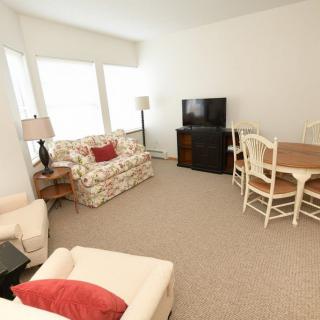
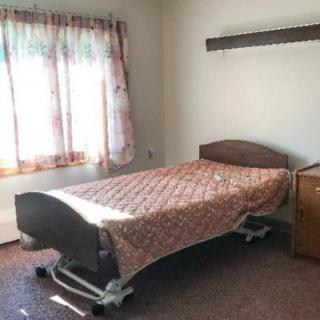
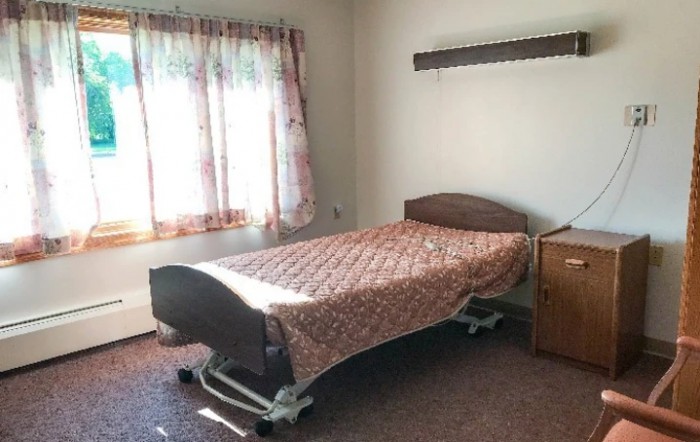
    • Fully furnished Fully furnishedFully furnished senior living communities are important for seniors because they provide convenience, comfort, and a hassle-free moving experience. Seniors can easily settle into their new living space without the stress of having to buy and move furniture. This allows them to focus on enjoying their new home and community.
    • Garden GardenGardens are important for seniors as they provide a peaceful and therapeutic environment for relaxation, physical activity, and socialization. Being in nature has been shown to reduce stress, improve mood, and promote overall well-being. Gardens also offer opportunities for seniors to engage in gardening activities, which can improve mobility, flexibility, and cognitive function. Additionally, gardens create a sense of community and connection with others who share a passion for plants and outdoor spaces.
    • Housekeeping services Housekeeping servicesHousekeeping services are important for seniors because they help maintain a clean and safe living environment, promote independence, and reduce the risk of accidents or illnesses. Additionally, having assistance with household chores can alleviate physical strain and allow seniors to focus on other aspects of their well-being.
    • Move-in coordination Move-in coordinationMove-in coordination is important for seniors because it helps ease the transition into their new living environment. It ensures that all logistics, such as packing, organizing movers, and setting up utilities are taken care of, allowing seniors to focus on settling in and adjusting to their new home. Having a smooth move-in process can alleviate stress and anxiety, making the transition smoother and more enjoyable for seniors.
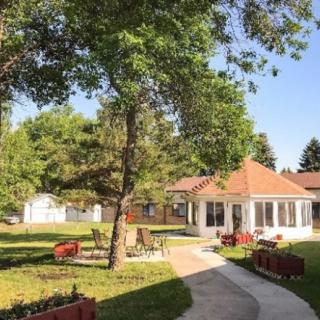
    • Outdoor space Outdoor spaceOutdoor spaces are important for seniors as they provide opportunities for physical activity, social interaction, exposure to natural light and fresh air, and a sense of connection to nature. Having access to outdoor spaces can improve overall well-being and quality of life for older adults living in senior communities.
    • Telephone TelephoneTelephones are important for seniors as they provide a lifeline for communication with loved ones, emergency services, and healthcare providers. They offer a sense of security and independence, enabling seniors to stay connected and access assistance when needed.
    • Wi-Fi/high-speed internet available Wi-Fi/high-speed internet availableWi-Fi/high-speed internet is important for seniors to stay connected with loved ones, access online resources, and participate in virtual activities to combat feelings of loneliness and isolation. It also allows them to easily manage healthcare needs, access entertainment, and engage in lifelong learning opportunities.

    Transportation

    • Grand Forks International (21 miles away) Grand Forks International (21 miles away)

    Care Services

    • 24-hour supervision 24-hour supervision24-hour supervision is important for seniors to ensure their safety, well-being, and access to immediate assistance in case of emergencies or health issues. This constant support provides peace of mind for both seniors and their loved ones, allowing them to age in place with dignity and security.
    • Activities of daily living assistance Activities of daily living assistanceActivities of daily living assistance are important for seniors because they provide essential support with tasks such as eating, bathing, dressing, and mobility. This assistance helps seniors maintain their independence, dignity, and overall quality of life as they age.
    • Assistance with bathing Assistance with bathingAssistance with bathing is crucial for seniors as it helps maintain personal hygiene, prevents infections, and ensures their overall well-being and comfort. It also provides a sense of dignity and independence for seniors who may struggle with this task on their own.
    • Assistance with dressing Assistance with dressingAssistance with dressing is important for seniors because it helps maintain their independence, promotes personal hygiene, prevents accidents and injuries, and improves overall quality of life. This service ensures that seniors can continue to dress comfortably and confidently, despite any physical limitations they may have.
    • Assistance with transfers Assistance with transfersAssistance with transfers is crucial for seniors as it helps prevent falls and injuries, maintains their independence, and ensures they can safely navigate their living environment. It also provides peace of mind for both seniors and their loved ones.
    • Coordination with health care providers Coordination with health care providersCoordination with health care providers is crucial for seniors to ensure proper medical care, medication management, and overall well-being. This collaboration helps prevent overlapping treatments, track progress more effectively, and provide comprehensive support tailored to individual needs.
    • Diabetes diet Diabetes dietA diabetes diet is crucial for seniors as it helps manage blood sugar levels, reduce risks of complications, and improve overall health and well-being. By following a balanced and nutritious diet tailored to their specific needs, seniors can better control their diabetes and enhance their quality of life.
    • Meal preparation and service Meal preparation and serviceMeal preparation and service are crucial for seniors as they may have limited mobility or energy to cook nutritious meals. Having access to healthy and convenient food options can ensure they are getting the proper nutrition needed to maintain their overall health and well-being.
    • Medication management Medication managementMedication management is crucial for seniors to ensure they are taking the right medications at the correct dosages and times. This helps prevent adverse drug interactions, reduces the risk of medication errors, and promotes overall health and well-being. Proactive management also allows for adjustments as needed based on changing health conditions or new prescriptions.
    • Special dietary restrictions Special dietary restrictionsSpecial dietary restrictions are important for seniors because age-related changes in metabolism and health conditions can make it difficult for their bodies to process certain foods. By following a diet tailored to their specific needs, seniors can maintain their overall health and well-being, manage chronic conditions, and reduce the risk of complications such as malnutrition or food interactions with medications.
    • Transportation arrangement (medical) Transportation arrangement (medical)Transportation arrangements for medical purposes are essential for seniors as they may have difficulty driving themselves to appointments or accessing public transportation. Having reliable and safe transportation options ensures that seniors can receive timely medical care and maintain their health and well-being.
    • Transportation to doctors appointments Transportation to doctors appointmentsTransportation to doctors' appointments is crucial for seniors as it ensures they have access to necessary medical care and support for their health needs. Without reliable transportation, seniors may struggle to attend important appointments, leading to potential delays in treatment and health complications. Providing transportation services helps seniors maintain their overall well-being and quality of life.
    Dining

    • Diabetes diet Diabetes dietA diabetes diet is crucial for seniors as it helps manage blood sugar levels, reduce risks of complications, and improve overall health and well-being. By following a balanced and nutritious diet tailored to their specific needs, seniors can better control their diabetes and enhance their quality of life.
    • Special dietary restrictions Special dietary restrictionsSpecial dietary restrictions are important for seniors because age-related changes in metabolism and health conditions can make it difficult for their bodies to process certain foods. By following a diet tailored to their specific needs, seniors can maintain their overall health and well-being, manage chronic conditions, and reduce the risk of complications such as malnutrition or food interactions with medications.

    Activities

    • Community-sponsored activities Community-sponsored activitiesCommunity-sponsored activities are important for seniors as they provide opportunities for social interaction, mental stimulation, and physical activity. These activities can help improve overall well-being, combat loneliness and isolation, and promote a sense of belonging and purpose among older adults.
    • Scheduled daily activities Scheduled daily activitiesScheduled daily activities are important for seniors because they provide structure, socialization, mental stimulation, and physical activity. Engaging in regular activities can improve overall well-being and quality of life for seniors living in a community setting.

    Description

    The Good Samaritan Society - Larimore, located in Larimore, ND, is a welcoming and well-equipped assisted living community that provides residents with the support and care they need in a comfortable and nurturing environment. With both board and care home options as well as skilled nursing facilities available, the community offers a range of care services to cater to individual needs.

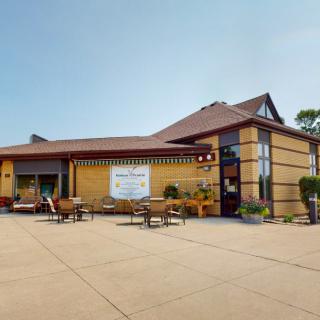
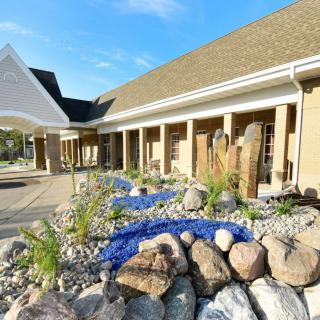
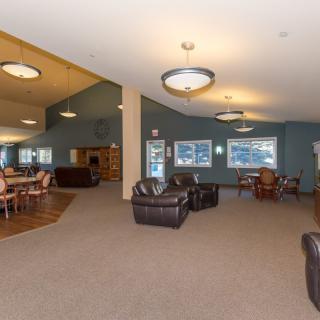
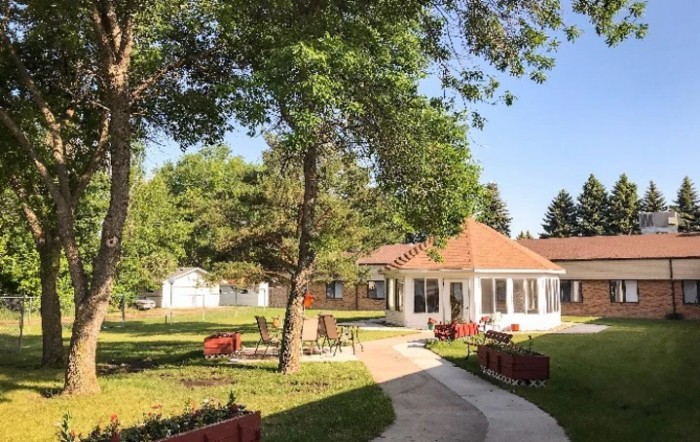
    Residents at Good Samaritan Society - Larimore can enjoy a variety of amenities designed to enhance their comfort and convenience. The dining room provides delicious and nutritious meals for all residents, and the community is fully furnished to ensure a cozy living space. A beautiful garden and outdoor space allow residents to relax outdoors and soak up nature's beauty. Housekeeping services are provided to maintain cleanliness, ensuring a tidy living environment for all.

    The assisted living community also offers various care services to assist residents with their daily activities. Trained staff members are available to provide assistance with bathing, dressing, and transfers as needed. Coordination with health care providers ensures seamless communication between the community and external medical professionals. Assistance with medication management is provided, along with specialized dietary support such as diabetes diets or special dietary restrictions. Transportation arrangements for medical purposes are made, ensuring that residents can reach healthcare appointments conveniently.

    In addition to comprehensive care services, Good Samaritan Society - Larimore encourages an active lifestyle through its scheduled daily activities. Residents can engage in social events or pursue personal interests within the community. For those who prefer venturing outside, there are two cafes nearby where they can enjoy a cup of coffee or meet friends, one pharmacy within easy reach for medication needs, one physician's office for prompt medical attention when required, three restaurants offering diverse cuisine choices for dining out occasions, twelve places of worship where residents can practice their faiths if desired, and even a nearby theater for entertainment opportunities.

    Overall, Good Samaritan Society - Larimore provides a caring and supportive environment where seniors can thrive while receiving personalized assistance. With its comprehensive care services, amenities, and nearby conveniences, this assisted living community aims to enhance the quality of life for all residents.

    Nearby Places of Interest

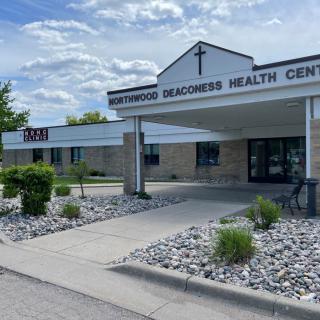
    This part of Larimore, North Dakota offers a peaceful and close-knit community with various amenities that cater to your needs. There are multiple places of worship nearby, providing opportunities for spiritual growth and connection. The presence of pharmacies, cafes, restaurants, and theaters within walking distance ensures convenience and entertainment options. Access to quality medical care is readily available with Valley Community Health Center located just 0.3 miles away. Additionally, the proximity to parks such as Turtle River State Park offers opportunities for outdoor recreation and relaxation. For those in need of transportation services or emergency medical care, Northwood Aero Service and Northwood Deaconess Health Center are easily accessible within a short driving distance. Overall, this area provides a comfortable and welcoming environment for senior living in Larimore.

    Places of Worship

    • New Testament Baptist Church (0.1 miles)
    • Living Faith Free Lutheran Church (0.2 miles)
    • Church Of The Nazarene (0.2 miles)
    • United Methodist Church (0.2 miles)
    • Larimore United Methodist Church (0.4 miles)
    • Our Savior's Lutheran Church of Larimore , Pastor's (0.4 miles)
    • Our Savior's Lutheran Church (0.4 miles)

    Pharmacies

    • Larimore Drug & Gift (0.3 miles)
    • Bilden's Paul Pharmacy (12.1 miles)

    Cafes

    • Larimore Coffee Shop (0.3 miles)
    • Good Friends Bar & Cafe (0.3 miles)
    • Starbucks (25 miles)

    Restaurants

    • DB's the Station (0.3 miles)
    • Tumbleweed (0.3 miles)
    • Larson's Drive-Inn (0.6 miles)
    • Hitching Post (5.6 miles)
    • Johnny's Bar (11.5 miles)
    • The Hut (12.1 miles)
    • Cool Stuff Drive In (12.3 miles)

    Theaters

    • Avalon Theater (0.3 miles)

    Physicians

    • Valley Community Health Center (0.3 miles)
    • 319th Medical Group Mental Health (11.8 miles)
    • Minnesota Optometric Eye Doctor, P.A. (24.9 miles)

    Parks

    • Turtle River State Park (6.3 miles)
    • Northwood Park (12 miles)

    Transportation

    • Northwood Aero Service (11.6 miles)

    Hospitals

    • Northwood Deaconess Health Center (12 miles)

    Frequently Asked Questions

    Where is Good Samaritan Society - Larimore?
    What photos are available for Good Samaritan Society - Larimore in Larimore, North Dakota?

    Nearby Communities

    Related Resources

    • does medicaid pay for assisted livingUnderstanding Medicaid Coverage for Assisted Living: A Comprehensive Guide

      The guide outlines the complexities of Medicaid coverage for assisted living, highlighting significant state-to-state variations, limited coverage often restricted to personal care services, and the existence of specialized waivers for certain needs like memory care. It advises families to consult local Medicaid offices for options while emphasizing the importance of understanding state-specific regulations and facility policies.

    • does medicaid pay for assisted livingHow and When Medicaid May Cover Assisted Living Costs

      Medicaid coverage for assisted living varies by state and is primarily available to low-income individuals, with eligibility dependent on strict income and asset limits. Some states offer HCBS waivers for specific services in assisted living, but families must generally cover room and board costs, and should verify facility acceptance of Medicaid while considering potential waiting lists.

    • assisted living waiver programA Detailed Exploration of Assisted Living Medicaid Waivers Across the United States
      Medicaid waivers for assisted living services provide vital support for seniors and individuals with disabilities in need of long-term care, with varying state-specific eligibility criteria and benefits. These waivers cover personal care and case management but often do not fully cover room and board, leading to waiting lists for many applicants.


    Get Pricing Ask A Question Schedule A Tour Contact Senior Advisor