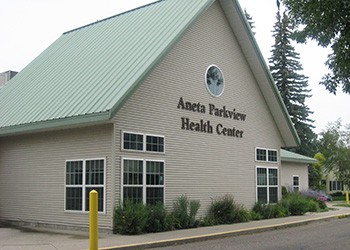
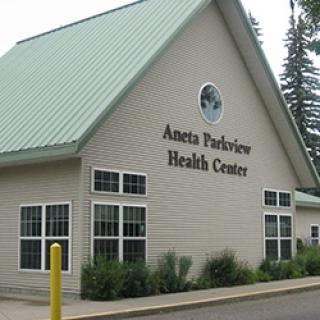
113 5Th Street S, Aneta, ND 58212
For more information about senior living options: (866) 208-4318
Overall Review of Aneta Parkview Health Center
Pros
 The mom had the best experience at Aneta Parkview Health Center, with staff who ticked every box and provided attentive care across memory care, health conditions, and aging.
- APVHC offered exceptional support and follow-through, helping to ensure the highest quality of life.
- The family and a dedicated social services case worker found the best fit in quality care within a supportive community, giving them peace of mind.
- They believe she experienced the best in people and care during her time there.
Cons
 They had the worst nursing experience of their life in this field while on a traveling assignment, describing it as disgusting and rude.
- They encountered the rudest nursing home staff and observed horrible attitudes for no reason at all.
Review
Aneta Parkview Health Center in Aneta, ND is best suited for families that can actively engage in advocacy, especially when a loved one needs memory-care support and complex health management. The strongest signal from positive experiences is that, with involved families and clear care planning, residents can receive attentive, hands-on care that translates into real quality of life. This is not a hands-off setting; it rewards families who participate, ask questions, and insist on regular communication and coordinated medical attention. When the care team aligns with family input and leverages memory-care expertise, APVHC can deliver a sense of security and continuity that makes difficult health journeys more manageable.
However, this community is not for everyone. Those who require consistently warm, uniformly courteous staff across all shifts may want to consider alternatives. Several accounts describe rude or harsh attitudes from nursing staff, which can undermine trust and stability in daily care. The risk of encountering negative bedside demeanor is real enough that families should weigh it heavily, particularly if they cannot or will not invest in ongoing advocacy and direct feedback loops. In short, a stable, respectful staffing culture is a prerequisite for peace of mind here, and if that cannot be secured, other communities with steadier customer-service standards will likely serve better.
On the plus side, the strongest pro is the facility’s capacity to tailor care around memory-care needs and multi-layer health conditions. When families and a social-services advocate are involved, APVHC has demonstrated a willingness to “tick every box”, coordinating medical care, daily living supports, and meaningful activities. That level of integration translates into what families describe as the best fit for quality care and a supportive community, reducing anxiety about complex disease trajectories and aging processes. The ability to navigate together with case workers and care teams can yield a tangible, protective effect on a loved one’s quality of life, even in the face of staffing friction elsewhere in the building.
Yet the cons cannot be minimized. The recurring critique of rude nursing staff highlights a core risk: inconsistent bedside manner can erode trust precisely when vulnerability is highest. The tension between a family’s praise for attentive, comprehensive care and another family’s condemnation of the same team signals a volatility that prospective residents must assess. If staffing continuity is lacking, shifts staffed by different nurses with varying approaches, the perceived quality of life can dip despite solid clinical care. Practically, the value of APVHC hinges on achieving consistent, reliable performance that families can demand through regular feedback and formal channels.
Practical decision steps matter here. Before committing, request a tour with a family member present and demand a care-plan discussion that covers memory-care specifics, emergency protocols, and how social services are integrated. Seek out current residents’ families or a resident council to gauge day-to-day morale and how staff interact across shifts. Inquire about staffing levels by shift, turnover rates, and the facility’s approach to complaints and escalation. Ask for clear expectations on timely updates to families and for written assurances on care coordination between medical providers, therapists, and social workers. When these elements align, APVHC can deliver the personalized, life-affirming care that many seek.
In conclusion, Aneta Parkview Health Center represents a viable pathway for strong memory-care oriented care and actively coordinated support, but only when the care team proves consistently responsive and communicative. Families willing to invest time in building a reliable care alliance may uncover meaningful benefits that offset the negatives voiced by others. For those who cannot tolerate intermittent staff warmth or who require a track record of uniformly positive interactions, exploring alternatives with steadier cultures and more predictable hospitality is prudent. The right choice hinges on demonstrated consistency, transparent care planning, and a true partnership between family and facility.
 35 resident community capacity
 Skilled Nursing Facility
 Beauty salon
 Cable or satellite TV
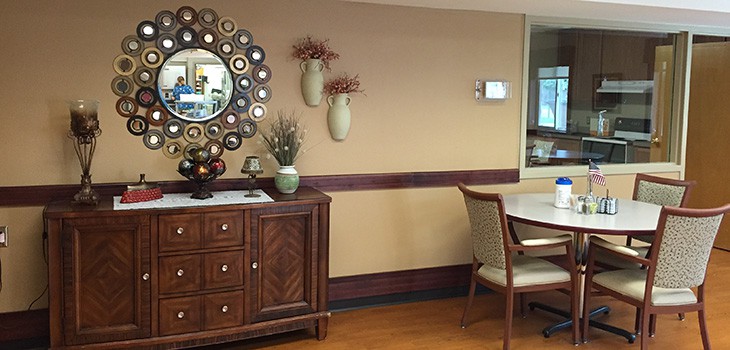
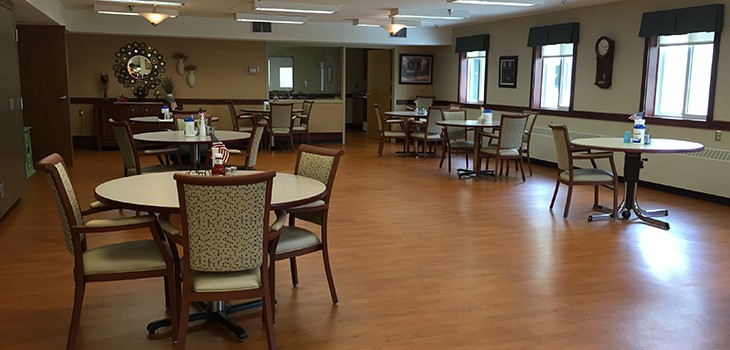
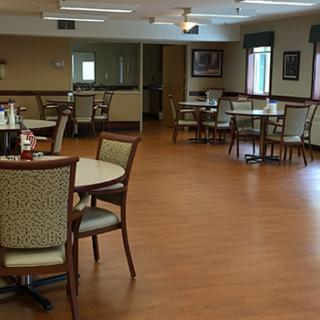
 Dining room
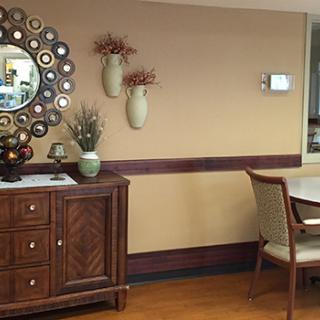
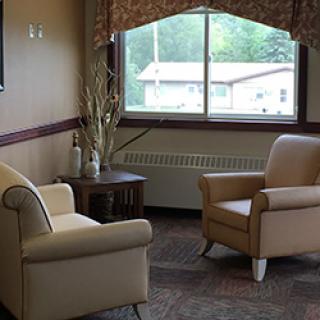
 Fully furnished
 Garden
 Housekeeping services
 Kitchenette
 Move-in coordination
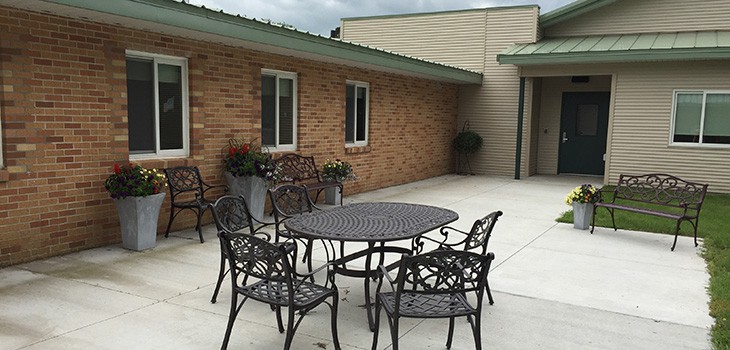
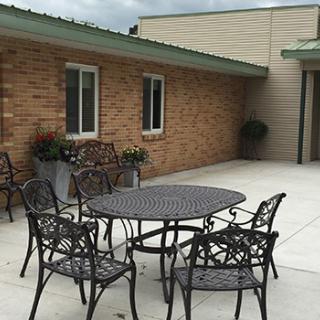
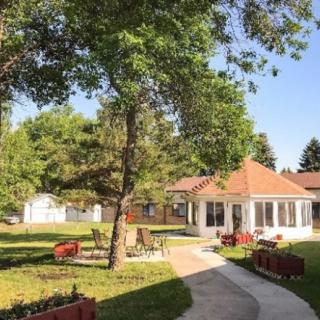
 Outdoor space
 Restaurant-style dining
 Small library
 Telephone
 Wi-Fi/high-speed internet available
 24-hour call system
 Activities of daily living assistance
 Assistance with bathing
 Assistance with dressing
 Assistance with transfers
 Diabetes diet
 Medication management
 Mental wellness program
 Special dietary restrictions

 Comprehensive Insights and Practical Strategies to Help Older Adults Avoid Falls
 6 Crucial Ways an Elder Law Attorney Assists Families
 Navigating the Tax Landscape of Caregiving: Credits, Deductions, and Beyond