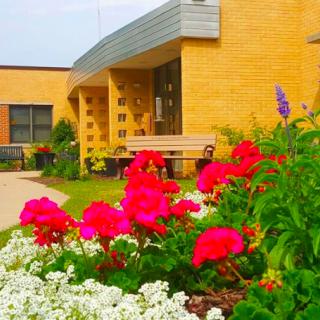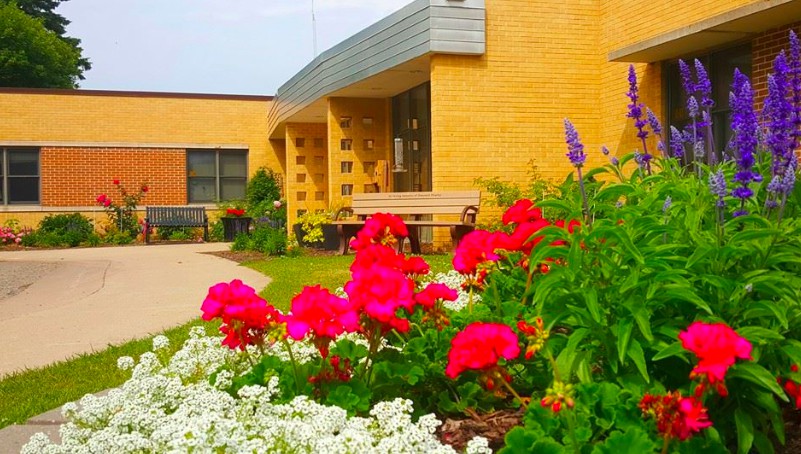
1200 Roberts Avenue Ne, Cooperstown, ND 58425
For more information about senior living options: (866) 208-4318
Griggs County Care Center Costs & Pricing
Griggs County Care Center offers competitive pricing for its services, particularly when compared to both Steele County and the broader North Dakota market. For a semi-private room, Griggs County Care Center charges $1,800 per month, significantly lower than the $2,400 charged in Steele County and well below the state average of $3,660. Similarly, for private accommodations, the center's fee of $2,300 is more affordable than both Steele County's rate of $3,150 and North Dakota's average of $4,343. This pricing structure not only makes Griggs County Care Center an attractive option for residents seeking quality care at a reasonable cost but also reflects its commitment to providing accessible services within the community.
| Floor plans | Griggs County Care Center | Steele County | North Dakota |
|---|---|---|---|
| Semi-Private | $1,800 | $2,400 | $3,660 |
| Private | $2,300 | $3,150 | $4,343 |
Overall Review of Griggs County Care Center
Pros
 Steven and the medical staff acted quickly to help during a suspected stroke.
- The medical team was fast-acting in their response.
- They kept the stroke at bay.
- Chester Aanden expresses gratitude for the care received from Steven and the staff.
Review
Griggs County Care Center in Cooperstown, North Dakota is best suited for seniors who want immediate, competent medical attention available on-site and a quiet, intimate setting where staff can respond quickly to health concerns. The two reviews underscoring fast, decisive action during a potential stroke point to a facility that prioritizes medical vigilance and rapid transfer when needed. For families seeking assurance that emergencies will be recognized and addressed without delay, this community presents a practical, low-drama option in a small-town environment. The four-star impression, derived from a limited but positive sample, signals consistency in handling urgent situations even if broader scope details are not widely documented.
Those who may want to consider alternatives are seniors whose priorities extend beyond medical responsiveness. If components such as robust social programming, a broad menu of therapeutic activities, memory-care specialization, or a more expansive campus feel are non-negotiable, other communities could offer more variety and amenities. Similarly, families looking for extensive rehab services, niche therapies, or access to a wide network of specialists might prefer a larger facility or a more developmentally diverse program. Griggs County Care Center can meet essential health protection, but it may fall short for residents who want a broader, more dynamic daily rhythm.
The strongest pro, swift, capable medical response, both sustains peace of mind and materially mitigates risk during acute events. The explicit gratitude directed at named staff for halting a potential stroke reinforces the notion that emergency protocols and hands-on clinical attention are core strengths here. That advantage tends to offset non-medical gaps because it converts uncertainty into a controlled, responsive experience. In practice, families can rely on the center to manage urgent medical needs with a disciplined approach, which is a compelling attribute for seniors vulnerable to sudden health changes.
Yet, there are clear caveats that families should weigh against the medical upside. Publicly available information remains thin on daily life details: there is limited insight into how activities are scheduled, what social opportunities look like, or how the facility supports ongoing wellness beyond acute illness management. The small size and rural setting often correlate with fewer off-site excursion options, fewer on-site specialists, and a more restrained menu of ancillary services. For residents who prize a richly varied daily routine or require specialized therapies (beyond general medical care), these potential gaps matter.
To make an informed decision, families should pursue targeted questions during tours or conversations with administration. Confirm 24/7 nursing coverage, the rate of nurse-to-resident staffing, and how rapidly a resident can access a clinician if symptoms arise after hours. Inquire about hospital partnerships, transfer protocols, and whether there is on-site rehabilitation or therapy teams for ongoing recovery after an illness. Request sample care plans and talk with current residents about the quality of meals, social programming, and the consistency of daily routines. Understanding the care pipeline, from intake to discharge or progression to higher levels of care, helps gauge whether the medical strengths align with the residentā€™s broader needs.
In the end, Griggs County Care Center emerges as a practical, safety-forward choice for seniors whose primary concern is reliable medical responsiveness and a calm, small-community atmosphere. Its proven strength in urgent care translates into meaningful security for residents with health volatility or those who want certainty when a health scare looms. Those who require a deeper suite of amenities, expansive social programming, or specialized long-term therapies should realistically explore alternatives. A structured visit with explicit questions about staffing, services, and daily life will reveal how well this community can sustain both health and happiness over time.
 44 resident community capacity
 Skilled Nursing Facility
 Beauty salon
 Cable or satellite TV
 Dining room
 Fully furnished
 Garden
 Housekeeping services
 Kitchenette
 Move-in coordination
 Outdoor space
 Restaurant-style dining
 Small library
 Telephone
 Wi-Fi/high-speed internet available
 24-hour call system
 Activities of daily living assistance
 Assistance with bathing
 Assistance with dressing
 Assistance with transfers
 Diabetes diet
 Medication management
 Mental wellness program
 Special dietary restrictions

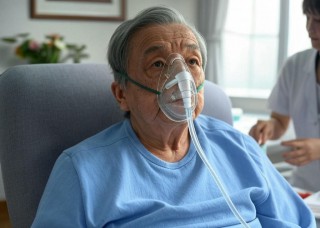 Essential Knowledge on Pneumonia in Older Adults
 Exploring Palliative Care in the Home: A Comprehensive Overview
 Comprehensive Insights into Palliative Home Care: What It Is and What to Expect