For more information about senior living options: (866) 208-4318
4.6 from 43 reviews
5 stars
36
4 stars
3
3 stars
0
2 stars
0
1 stars
4
Amy's Place Costs & Pricing
Amy's Place offers competitive monthly rates for its accommodations, presenting a cost-effective alternative in both Washtenaw County and the broader context of Michigan. For semi-private rooms, Amy's Place charges $2,500, significantly lower than the county average of $3,383 and the state average of $3,191. Similarly, private rooms at Amy's Place are priced at $3,000, which is again more affordable compared to Washtenaw County's average of $3,385 and Michigan's overall average of $3,675. This pricing structure positions Amy's Place as an appealing choice for those seeking quality care at a more accessible price point.
Floor plans
Amy's Place
Washtenaw County
Michigan
Semi-Private
$2,500
$3,383
$3,189
Private
$3,000
$3,385
$3,674
Senior living communities with a similar price nearby
from -$305 / mo
Simply Beautiful Adult Foster Care Homes
5 from 13 reviews
$2,195 to $4,100 / month
19.7 miles away
from -$225 / mo
Pleasant Valley Family Care
4.8 from 39 reviews
$2,275 to $7,000 / month
11.9 miles away
from +$400 / mo
St. Joseph's Village 1
4.8 from 20 reviews
$2,900 / month
15.3 miles away
About the same
Lakeview Elderly Home
4.8 from 19 reviews
$2,500 / month
13.6 miles away
About the same
Unlimited Care
4.7 from 119 reviews
$2,460 to $2,500 / month
19.0 miles away
Overall Review of Amy's Place
common31 reviews mention this
Food is consistently praised
The biggest takeaway across reviews is the consistently praised homemade-style food.
Many reviewers describe the meals as delicious, flavorful, and homemade, with repeated standouts like breakfast items, burgers, and chimichanga. Several also highlight how well-prepared the portions are and that they plan to come back. The community provides meals and vegetarian options, which aligns with how often food comes up in the reviews.
common21 reviews mention this
Friendly, responsive staff
Residents of this experience report staff who are consistently friendly and helpful.
A large share of reviewers say the staff members are welcoming, friendly, and responsive, and a few note specific help like answering questions or accommodating an order change. Some also mention service details that make them feel taken care of during the visit. Overall, the reviews most often tie the experience to how the team interacts with guests.
common7 reviews mention this
Cozy atmosphere and charm
Reviewers repeatedly describe a cozy, welcoming atmosphere.
Several reviews highlight a homey or cozy feel, and others point to an inviting dining space. A couple of reviewers also mention the character of the interior and how it adds to the overall experience. This theme shows up alongside the strong food feedback rather than as the only reason people return.
caveat3 reviews mention this
Pricing feels mixed
Some reviewers find the pricing higher than expected.
While a few reviewers describe prices as reasonable or fair, multiple comments also call out that the cost can feel a bit high. That contrast suggests value is not a universal takeaway, even when the food is liked. Pricing shows up as a secondary factor rather than the main driver of satisfaction.
caveat3 reviews mention this
Speed of service varies
A recurring complaint is that service can be slower than expected.
A few reviewers report delays, including waiting before someone came to the table or describing service as not responsive until later. At the same time, other reviews praise quick service, so the experience seems inconsistent depending on timing. This is one of the few themes that shows up as a clear negative pattern.
How we summarize
Counts show how many written reviews mention each theme; a review can touch several themes, and only frequently mentioned themes are displayed.
Features
Types of Care
Board and Care Home
Amenities
Activities on-site
Beautician on-site
Devotional services off-site
Devotional services on-site
Indoor common areas
Private
Private bathrooms
Respite or short term stays offered
Wheelchair accessible showers
Transportation
Detroit Metropolitan-Wayne County (21 miles away)
Care Services
Ambulatory care
Diabetic care
High acuity care
Incontinence care
Dining
Meals provided
Vegetarian
Activities
Activities on-site
Devotional activities offsite
Devotional activities on-site
Nearby Places of Interest
Located in South Lyon, Michigan, this area offers a variety of amenities and conveniences that cater to senior living. With multiple parks nearby such as Island Lake and Rotary Park, residents can enjoy outdoor activities and scenic views. Places of worship like Bible Believers Church and Hope Church provide spiritual support for those seeking a sense of community. Restaurants like Wendy's and Chick-Fil-A offer dining options for every taste, while cafes like Starbucks provide spaces for socializing or quiet relaxation. Access to healthcare is easily available with physicians' offices such as Novi Orthopedic Center and hospitals like Providence Park Hospital within close proximity. Overall, this area provides a balanced mix of recreational, social, and healthcare services that make it an ideal choice for seniors looking for a vibrant community to call home.
Amy's Place offers competitive monthly rates for its accommodations, presenting a cost-effective alternative in both Washtenaw County and the broader context of Michigan. For semi-private rooms, Amy's Place charges $2,500, significantly lower than the county average of $3,383 and the state average of $3,191. Similarly, private rooms at Amy's Place are priced at $3,000, which is again more affordable compared to Washtenaw County's average of $3,385 and Michigan's overall average of $3,675. This pricing structure positions Amy's Place as an appealing choice for those seeking quality care at a more accessible price point.
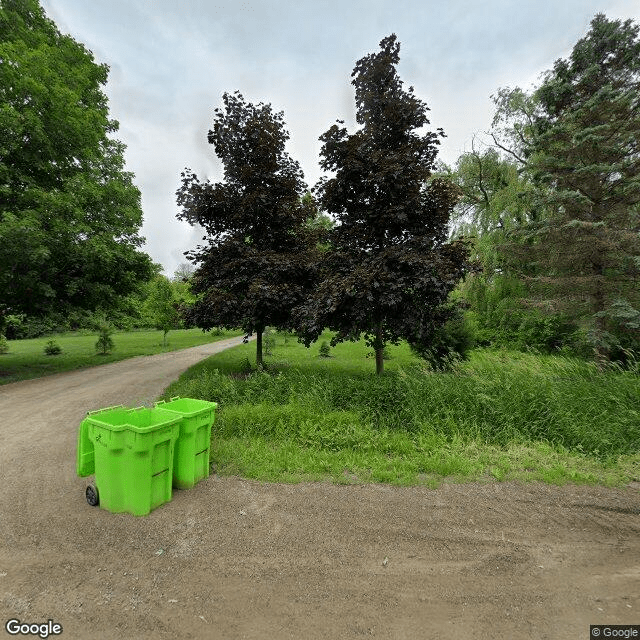
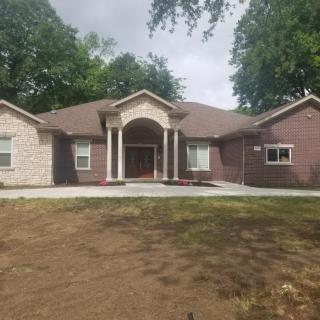
Amy's Place is located at 26300 Johns Road, South Lyon, MI 48178 in Washtenaw County, Michigan
Nearby Communities
Cambrian Senior Living
South Lyon, MI
Memory-care focus with 24/7 nursing and engaging activities
Cambrian Senior Living
South Lyon, MI
Strong memory-care focus with 24/7 supervision and engaging activities.
Suncrest Senior Living
Novi, MI
5 from 2 reviews
Comprehensive 24/7 care with ADL assistance, medication management, diabetes-friendly dining, and medical-appointment transportation in a fully furnished setting.
Caregiver burnout is a common issue resulting from the intense physical, emotional, and mental demands of caregiving, leading to symptoms like fatigue and social withdrawal. To prevent burnout, caregivers should recognize early warning signs and implement self-care strategies, seek support, and prioritize their own well-being alongside that of those they care for.
Caregiver exhaustion, or burnout, stems from the relentless demands of caregiving, leading to emotional and physical depletion characterized by stress, frustration, and neglect of personal needs. Addressing this burden is essential to prevent long-term consequences, with early recognition and support being crucial for caregivers to maintain balance and implement self-care.
Hospice care at home provides specialized end-of-life support that focuses on comfort and dignity for individuals with life-limiting illnesses, offering a range of services including medical management, emotional and spiritual support, and logistical assistance tailored to the family's needs. It involves collaboration to create individualized care plans and extends to bereavement support after a loved one's passing.
Get PricingAsk A QuestionSchedule A TourContact Senior Advisor
By clicking submit, you agree to our Partner's Terms of Use. You
also consent to receive calls and texts, which may be autodialed, from our Partner. Your consent is not a condition to
using our Partner's service. Please visit our Partner's Privacy Policy for information about their privacy practices.



 Board and Care Home
 Activities on-site
 Beautician on-site
 Devotional services off-site
 Indoor common areas
 Private
 Private bathrooms
 Respite or short term stays offered
 Wheelchair accessible showers
 Detroit Metropolitan-Wayne County (21 miles away)
 Ambulatory care
 Diabetic care
 High acuity care
 Incontinence care
 Meals provided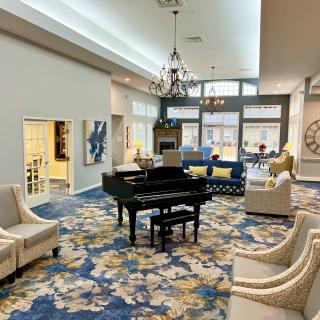
 Memory-care focus with 24/7 nursing and engaging activities
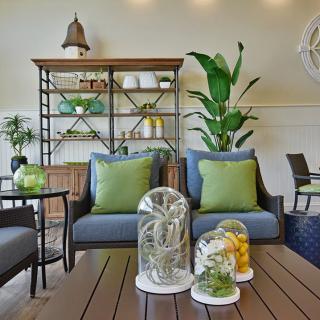
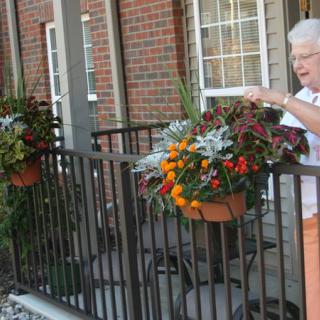

 Caring for Those Who Care: Recognizing, Understanding, and Overcoming Caregiver Burnout
 Caregiver Exhaustion: Recognizing the Signs and Restoring Your Well-Being
 Understanding Hospice Care at Home: Comprehensive Services, Key Benefits, and Eligibility