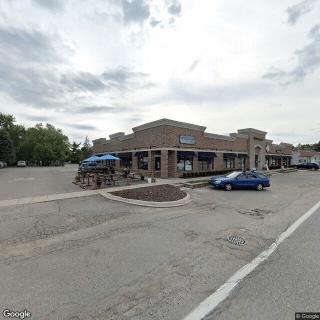
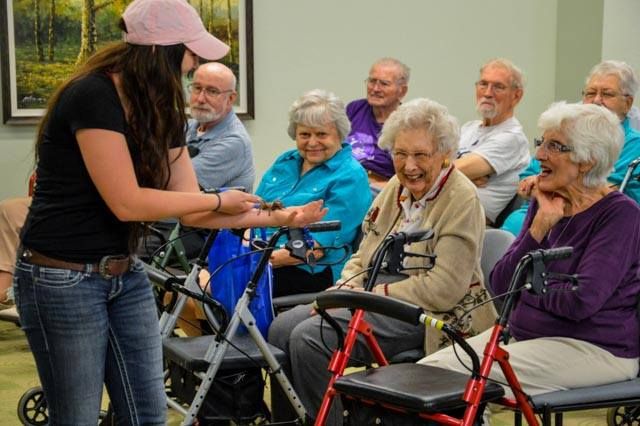
Abbey Park at Mill River in New Hudson, MI

Save

  • Interior

    Two elderly men, one wearing a military uniform, hold a plaque during an award ceremony.
  • Outdoors

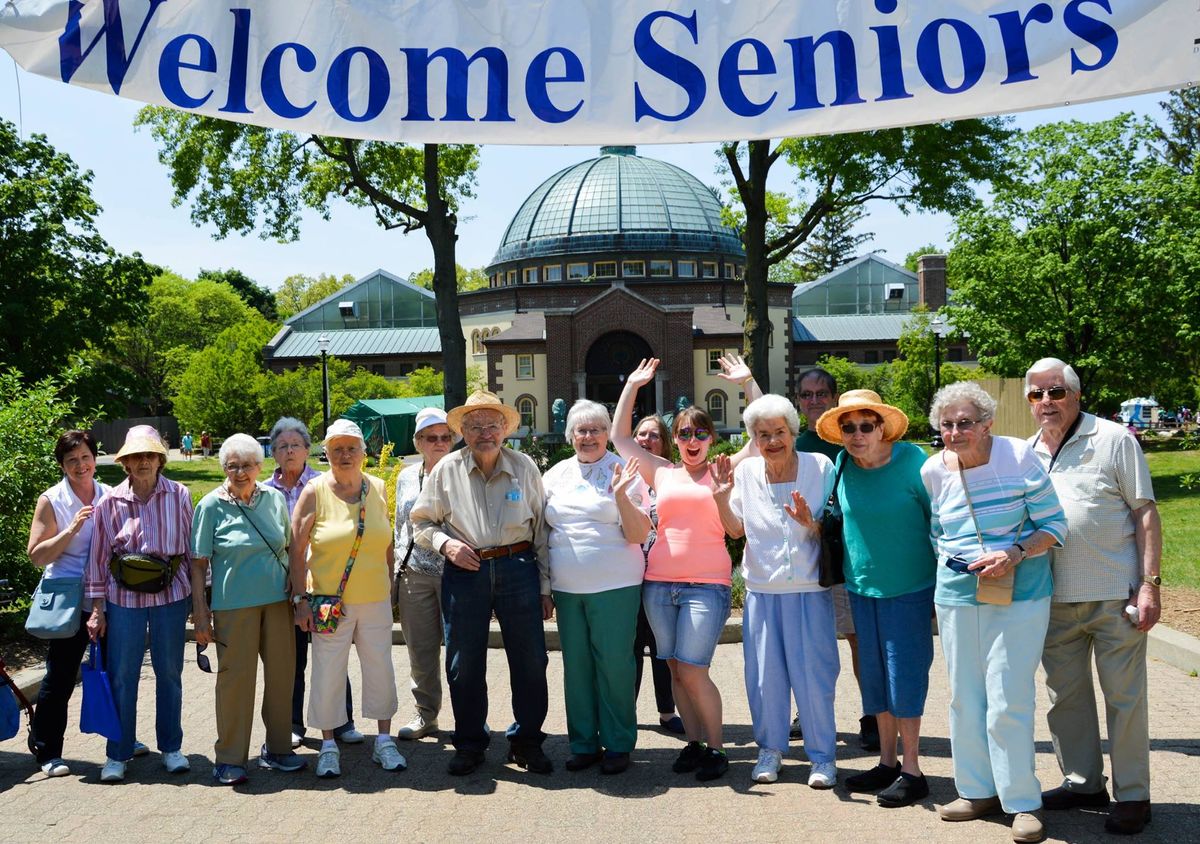
    A group of seniors gathers under a 'Welcome Seniors' banner at an outdoor event.
  • Dining

    An elderly woman raises a glass while enjoying a meal at a restaurant.
  • Outdoor

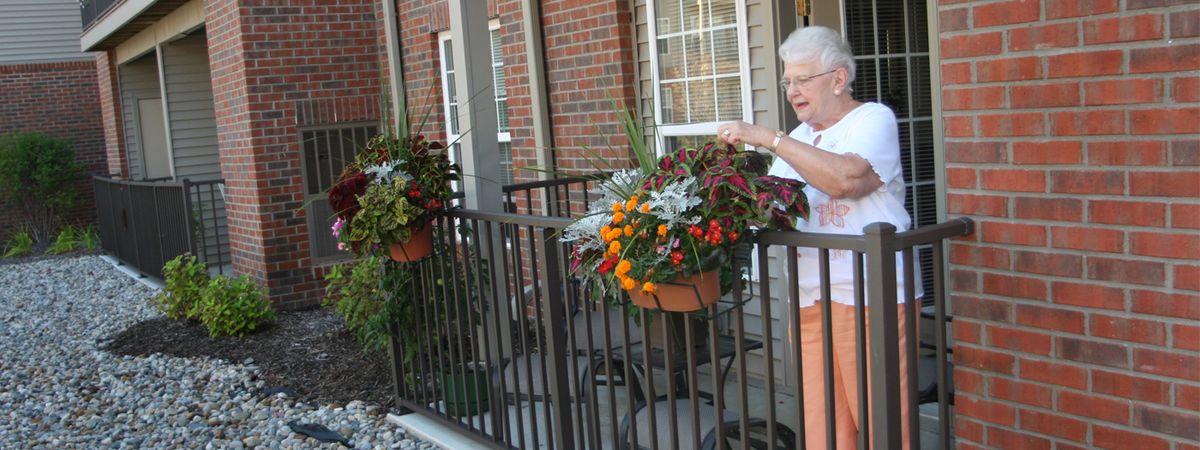
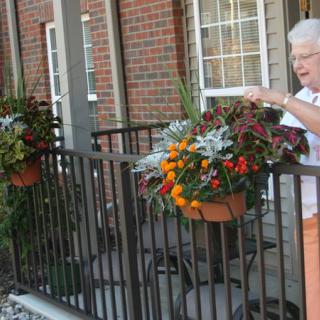
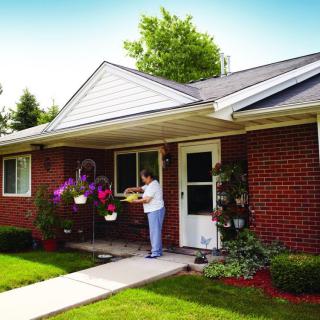
    An elderly woman tends to vibrant hanging flower baskets on a porch.
  • Flag

    A group of veterans and supporters gathered outside Abbey Park at Mill River, displaying American flags and wearing military uniforms.
  • Art

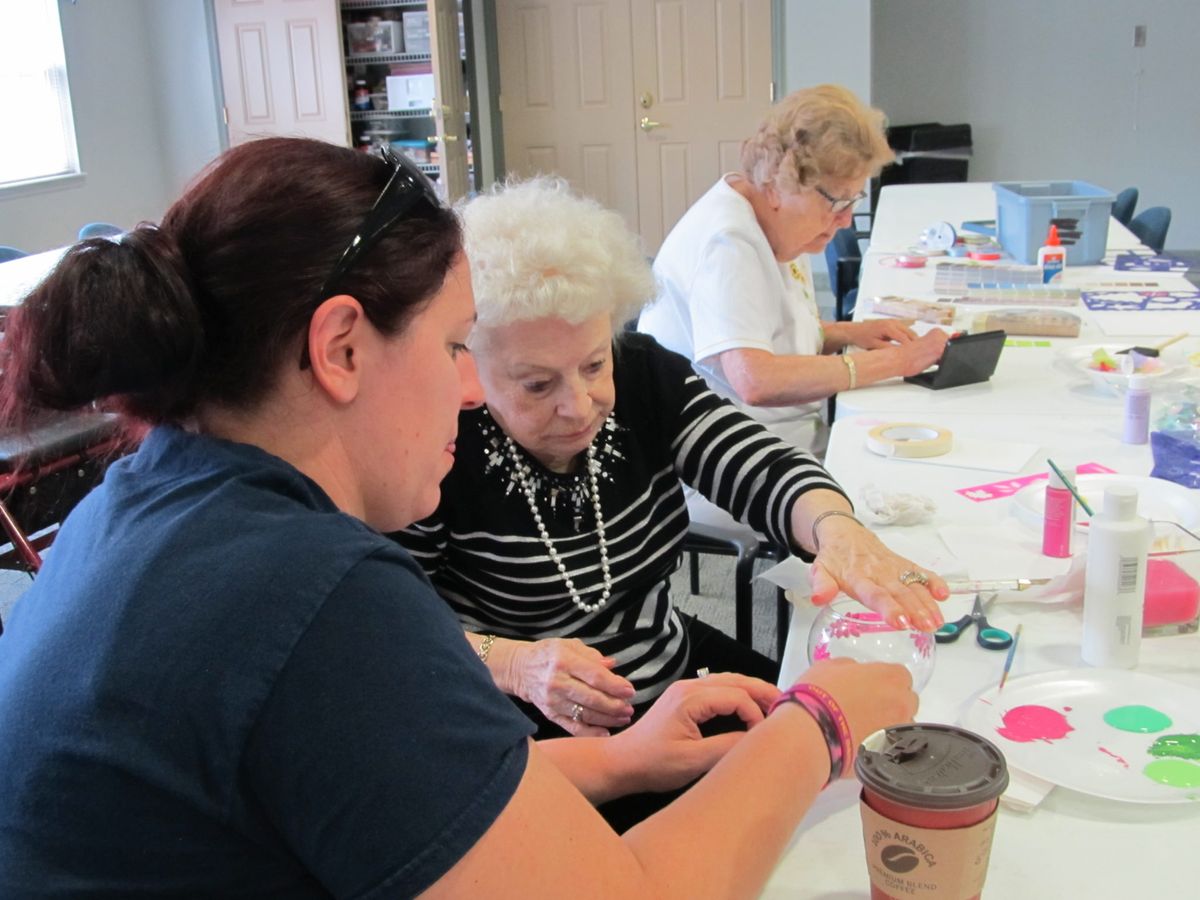
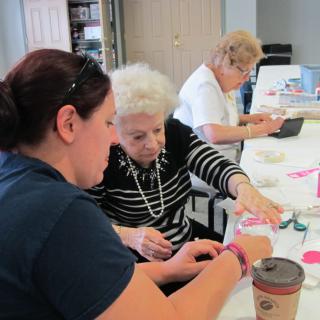
    Women engaged in crafting activities at a community center.

Abbey Park at Mill River in New Hudson, MI

28413 Abbey Lane, New Hudson, MI 48165

For more information about senior living options: (844) 490-3973

4.5 from 54 reviews
5 stars
42
4 stars
6
3 stars
2
2 stars
1
1 stars
3

Active Adult Communities (55+) Assisted Living Independent Living

Abbey Park at Mill River Costs & Pricing

Abbey Park at Mill River offers a competitive pricing structure for its residents, particularly when compared to the averages in Oakland County and the broader state of Michigan. For a one-bedroom unit, residents can expect to pay $2,400 per month - a significant savings compared to the county average of $3,507 and the state average of $3,384. Similarly, two-bedroom units at Abbey Park are priced at $3,200, which again undercuts both Oakland County's average of $3,881 and Michigan's average of $3,523. These cost advantages highlight Abbey Park at Mill River as an attractive option for those seeking quality living arrangements without the burden of excessively high expenses.

Floor plansAbbey Park at Mill RiverOakland CountyMichigan
1 Bedroom$2,400$3,507$3,384
2 Bedrooms$3,200$3,881$3,523

Overall Review of Abbey Park at Mill River

Pros

  • pro Abbey Park Mill River is a special facility with great staff who really care about the residents.
  • pro The rooms offer variety and include decks or patios, and they are spacious.
  • pro The food is varied and well-liked, with fun events like Hawaiian Luau.
  • pro The staff are courteous, caring, and treat residents like family.
  • pro There is always something to do, with activities, trips, and guest entertainment, plus on-site therapy and medical services.
  • pro The facility is clean, fresh, and well-maintained, with pleasant dining areas.
  • pro Abbey Park has a large generator to ensure uninterrupted power.
  • pro Abbey Park is a premier independent living community with dedicated and responsive staff, making residents feel safe and well cared for.

Cons

  • pro They caution that Covid runs rampant at Abbey Park and that staff do not wear masks or distance, despite requests from residents and families.
  • pro They state that families aren't notified if someone the resident dines with tests positive for Covid.
  • pro They describe the transition to a new care provider as mismanaged and note that monthly charges have increased, implying overcharging.
  • pro They observe that some staff seemed bothered by visitors during tours and were not very helpful.
  • pro They note that Abbey Park New Hudson's office staff can be unresponsive and have a poor attitude, suggesting residents may need a care advocate.
  • pro They mention the food is mediocre and the overall cost is perceived as high for what is offered.

Review

Abbey Park at Mill River in New Hudson, MI is best suited for seniors who want a vibrant, hotel?like independent living setting with ready access to assisted?living support and on?site services. This community shines for families seeking a warm, person?centered culture where staff build real relationships with residents, and where a robust calendar of social events, transportation, and convenient amenities supports an active lifestyle. It is less ideal for those with very high medical needs or tight budgets who may require more specialized memory?care environments or deeper clinical oversight than Abbey Park typically provides.

The strongest draw is the combination of everyday livability and visible care. Apartments are roomy with balconies or patios, and the common areas feel light, clean, and welcoming. Dining is a frequent highlight, with varied menus and the sense that meals are taken seriously. The facility emphasizes convenience: on?site physical therapy and medical visits, plus transportation to doctors and errands, give families peace of mind. The layout and amenities - including a crafts room, yoga studio, beauty parlor, and a social hub for gatherings - create a genuine sense of community where residents can choose active participation or comfortable downtime.

A second pillar is the staff culture, consistently praised as attentive, courteous, and genuinely invested in residents' well?being. Families repeatedly credit the administration, care teams, and activities staff with going above and beyond, often noting how they respond quickly to concerns and make residents feel valued. The presence of a responsive leadership trio - Ron, Brenda, and Kristi - emerges in multiple accounts as a stabilizing force that keeps care coordinated and families informed. The mentor program for newcomers and the emphasis on making new residents feel welcome reinforce Abbey Park's reputation as a family?like environment where people are treated like individuals, not numbers.

Nevertheless, several practical caveats temper the strong positives. Price is a recurring concern for some reviewers, who describe Abbey Park as a premium offering relative to other options. Administrative inconsistencies surface in a subset of comments, with experiences ranging from highly responsive to apparently fragmented, especially around transitions when new care providers took over and routine communications wavered. A few families also report that activity depth can feel uneven - high energy programs exist, but some residents with more limited mobility or longer?term needs perceive gaps in daily engagement at times. These factors mean cost and continuity may weigh more heavily for residents with tighter budgets or specific care expectations.

Importantly, these drawbacks do not erase Abbey Park's strengths; they simply shift the decision calculus. The value lies in a high?touch, supportive atmosphere where treatment of residents as part of a caring community can offset higher price points through reduced caregiver burden, enhanced safety, and a richer social life. The ability to access in?house or easily coordinated support services means transitions within the same campus - such as from independent living to enhanced assisted living - are often smoother than in facilities that require external arrangements. For families with a desire for healthcare convenience, a strong social fabric, and a willingness to invest in a premier experience, Abbey Park delivers meaningful benefits.

For those who may want alternatives, the notes are clear: consider options that offer lower costs, more predictable administrative interactions, or deeper, more specialized memory or medical care. Some reviewers indicate that if memory care needs escalate, or if a strictly lower?cost, less programmatically dense environment is preferred, other communities may align more closely with those priorities. Prospective residents should contrast pricing, care contracts, and staffing stability across several communities, and request current tours that highlight dining quality, activity calendars, and floor plans tailored to one's specific needs.

In sum, Abbey Park at Mill River stands out as a well?led, people?centric community that delivers on warmth, convenience, and layered programming. It is especially well?suited for independent?mtracted seniors who anticipate adding assisted services over time and for families who prize responsive leadership and a true sense of belonging. Those prioritizing strict budget constraints or intensive, specialized medical or memory care should explore alternatives with clear expectations about care levels and continuity. A thorough on?site tour - and candid conversations with the administrator, activities director, and caregiving staff - will reveal whether Abbey Park's irreplaceable strengths align with a resident's current needs and long?term goals.

Features

Housing

  • 185 resident community capacity 185 resident community capacity

Types of Care

  • Active Adult Communities (55+) Active Adult Communities (55+)Active Adult Communities provide seniors with opportunities for socialization, activities, and wellness programs tailored to their needs. These communities offer a sense of belonging and security while promoting an active and independent lifestyle for those aged 55 and older.
  • Assisted Living Assisted LivingAssisted living facilities provide crucial support and care for seniors who may need help with daily tasks such as medication management, bathing, and meal preparation. These communities offer a safe and comfortable environment where seniors can maintain their independence while receiving the assistance they need to thrive in their golden years.
  • Independent Living Independent LivingIndependent living communities are important for seniors because they offer a safe and supportive environment where older adults can live independently while still having access to amenities and services that enhance their quality of life. These communities provide social opportunities, recreational activities, and assistance with daily tasks, promoting overall well-being and allowing seniors to maintain their independence for as long as possible.

Pets

  • Cats allowed Cats allowed"Pet friendly" senior living communities are important for seniors because pets provide companionship, reduce feelings of loneliness and depression, promote physical activity and mental stimulation, and offer a sense of purpose and responsibility. Pets can improve overall well-being and quality of life for seniors in many ways.
  • Dogs allowed Dogs allowed"Pet friendly" senior living communities are important for seniors because pets provide companionship, reduce feelings of loneliness and depression, promote physical activity and mental stimulation, and offer a sense of purpose and responsibility. Pets can improve overall well-being and quality of life for seniors in many ways.

Amenities

  • Activities off-site Activities off-siteEngaging in off-site activities is crucial for seniors to maintain social connections, stay active, and stimulate their minds. It promotes overall well-being and helps combat feelings of isolation and loneliness.
  • Activities on-site Activities on-siteActivities on-site are important for seniors because they provide opportunities for socialization, mental stimulation, physical activity, and overall well-being. Engaging in activities can help seniors stay active, maintain their independence, and improve their quality of life.
  • Air-conditioning Air-conditioningAir conditioning is important for seniors as they are more vulnerable to heat-related illnesses and may have underlying health conditions that make it difficult for them to regulate their body temperature. It helps to keep them comfortable, safe, and healthy in hot weather.
  • Beautician on-site Beautician on-siteHaving a beautician on-site at a senior living community is important for seniors as it allows them to easily access grooming and personal care services, boosting their self-esteem and overall well-being. It also provides convenience and helps seniors maintain their sense of independence and personal style.
  • Beauty salon Beauty salonBeauty salons are important for seniors because they provide a space for them to feel pampered, socialize, and maintain their personal grooming and hygiene. Regular visits to a beauty salon can help boost seniors' self-esteem and overall well-being.
  • Cable or satellite TV Cable or satellite TVCable or satellite TV is important for seniors because it provides entertainment, news, and companionship, helping to combat loneliness and boredom. It also offers a wide range of programming options tailored to different interests and preferences.
  • Computer center Computer centerA computer center is essential for seniors as it provides access to technology, communication tools, and resources that can enhance their daily lives. It allows them to stay connected with loved ones, engage in online activities, and learn new skills, ultimately promoting socialization and mental stimulation.
  • Devotional services off-site Devotional services off-siteDevotional services off-site are important for seniors as they provide spiritual nourishment, social engagement, and a sense of community outside of the senior living facility. This can enhance overall well-being and help combat feelings of isolation and loneliness often experienced by older adults.
  • Devotional services on-site Devotional services on-siteDevotional services on-site provide seniors with spiritual support and a sense of community, as well as an opportunity for reflection and guidance during their senior living experience. This can promote emotional well-being and connection to others, leading to a more fulfilling and enriching lifestyle in their later years.
  • Dining room Dining roomDining rooms are important for seniors as they provide a space for socialization, connection, and nutritious meals. They offer opportunities for residents to bond over shared meals, foster a sense of community, and promote healthy eating habits. Dining rooms also ensure that seniors have access to well-balanced meals tailored to their dietary needs and preferences.
  • Fitness room Fitness roomHaving a fitness room in a senior living community is essential for seniors to stay active, maintain their physical health, and improve their overall well-being. Regular exercise can help prevent falls, reduce the risk of chronic diseases, and promote mental sharpness. It also provides social opportunities for residents to connect with others and enjoy a sense of community.
  • Fully furnished Fully furnishedFully furnished senior living communities are important for seniors because they provide convenience, comfort, and a hassle-free moving experience. Seniors can easily settle into their new living space without the stress of having to buy and move furniture. This allows them to focus on enjoying their new home and community.
  • Gaming room Gaming roomGaming rooms are important for seniors as they provide a fun and engaging environment for socializing, cognitive stimulation, and physical activity. Games can improve memory, problem-solving skills, and overall mental well-being while fostering friendships and reducing feelings of isolation.
  • Garden GardenGardens are important for seniors as they provide a peaceful and therapeutic environment for relaxation, physical activity, and socialization. Being in nature has been shown to reduce stress, improve mood, and promote overall well-being. Gardens also offer opportunities for seniors to engage in gardening activities, which can improve mobility, flexibility, and cognitive function. Additionally, gardens create a sense of community and connection with others who share a passion for plants and outdoor spaces.
  • Housekeeping services Housekeeping servicesHousekeeping services are important for seniors because they help maintain a clean and safe living environment, promote independence, and reduce the risk of accidents or illnesses. Additionally, having assistance with household chores can alleviate physical strain and allow seniors to focus on other aspects of their well-being.
  • Indoor common areas Indoor common areasIndoor common areas are crucial for seniors as they provide a space for socialization, recreation, and community engagement, promoting overall well-being and reducing feelings of isolation and loneliness.
  • Kitchenette KitchenetteKitchenettes are important for seniors living in senior living communities because they provide the convenience and independence of being able to prepare simple meals and snacks in the comfort of their own living space. This can help promote a sense of autonomy and well-being for seniors, allowing them to maintain some level of control over their dietary choices and daily routines.
  • Move-in coordination Move-in coordinationMove-in coordination is important for seniors because it helps ease the transition into their new living environment. It ensures that all logistics, such as packing, organizing movers, and setting up utilities are taken care of, allowing seniors to focus on settling in and adjusting to their new home. Having a smooth move-in process can alleviate stress and anxiety, making the transition smoother and more enjoyable for seniors.
  • Outdoor common areas Outdoor common areasOutdoor common areas are important for seniors as they provide a space for socialization, physical activity, and relaxation. Being outside in nature can improve mood and overall well-being, while also encouraging movement and engagement with others. These spaces can help combat feelings of isolation and promote a sense of community among residents.
  • Outdoor space Outdoor spaceOutdoor spaces are important for seniors as they provide opportunities for physical activity, social interaction, exposure to natural light and fresh air, and a sense of connection to nature. Having access to outdoor spaces can improve overall well-being and quality of life for older adults living in senior communities.
  • Private bathrooms Private bathroomsPrivate bathrooms are important for seniors in senior living communities because they provide independence, dignity, and comfort. Having a private bathroom allows seniors to maintain their personal hygiene routines without the need for assistance, promoting a sense of autonomy and privacy. Additionally, private bathrooms help prevent the spread of infections and provide a safe and clean environment for seniors to navigate safely.
  • Respite or short term stays offered Respite or short term stays offeredRespite or short term stays provide seniors with a temporary solution when their regular caregiver is unavailable, offering them the opportunity to receive additional care and support during times of need, while also giving caregivers a chance to rest and recharge.
  • Restaurant-style dining Restaurant-style diningRestaurant-style dining is important for seniors because it allows them to enjoy delicious, nutritious meals in a social and upscale setting. This enhances their dining experience, promotes healthy eating habits, and fosters socialization with fellow residents, ultimately contributing to their overall well-being and quality of life.
  • Small library Small librarySmall libraries are important for seniors as they provide access to a variety of reading materials, including books, newspapers, and magazines. This can help stimulate their minds, keep them engaged, and provide a sense of community through book clubs and other social activities. Additionally, reading has been shown to improve cognitive function and overall mental well-being in older adults.
  • Telephone TelephoneTelephones are important for seniors as they provide a lifeline for communication with loved ones, emergency services, and healthcare providers. They offer a sense of security and independence, enabling seniors to stay connected and access assistance when needed.
  • Wellness center Wellness centerWellness centers are important for seniors because they offer a variety of programs and services that promote physical, mental, and emotional well-being. These centers provide opportunities for exercise, socialization, education, and relaxation, helping seniors maintain their overall health and quality of life.
  • Wheelchair accessible showers Wheelchair accessible showersWheelchair accessible showers are crucial for seniors as they provide a safe and independent bathing option for those with mobility challenges. These showers help prevent falls and allow seniors to maintain their dignity and autonomy while ensuring they can bathe comfortably.
  • Wi-Fi/high-speed internet available Wi-Fi/high-speed internet availableWi-Fi/high-speed internet is important for seniors to stay connected with loved ones, access online resources, and participate in virtual activities to combat feelings of loneliness and isolation. It also allows them to easily manage healthcare needs, access entertainment, and engage in lifelong learning opportunities.

Transportation

  • Detroit Metropolitan-Wayne County (24 miles away) Detroit Metropolitan-Wayne County (24 miles away)
  • Community operated transportation Community operated transportationCommunity operated transportation is crucial for seniors as it provides them with the means to access essential services, social activities, and medical appointments. It allows seniors to maintain their independence and quality of life by ensuring they can participate in activities outside of their homes. Additionally, community-operated transportation services offer a safe and reliable way for seniors to travel without having to rely on family or friends for assistance.
  • Transportation arrangement Transportation arrangementTransportation arrangements are crucial for seniors as they may face challenges with driving, mobility, or access to public transportation. Having reliable transportation services ensures that seniors can easily attend appointments, social activities, and maintain their independence and quality of life.
  • Transportation arrangement (non-medical) Transportation arrangement (non-medical)Transportation arrangements are essential for seniors as they provide access to essential services, activities, and social interactions outside the home. This service helps maintain independence, mobility, and overall well-being for seniors who may have limited transportation options.
  • Transportation to doctors appointments Transportation to doctors appointmentsTransportation to doctors appointments is crucial for seniors as it ensures they have access to necessary medical care and support, promoting their health and well-being. It allows them to receive timely treatment, monitor existing conditions, and address any new health concerns efficiently. Additionally, transportation services can help seniors maintain their independence and quality of life by enabling them to stay connected with their healthcare providers.

Care Services

  • 12-16 hour nursing 12-16 hour nursing12-16 hour nursing care is crucial for seniors in order to ensure around-the-clock monitoring, timely medication administration, and prompt response to any health concerns or emergencies. This level of care helps to promote the overall well-being and safety of seniors living in senior living communities.
  • 24-hour call system 24-hour call system24-hour call systems are important for seniors because they provide peace of mind and immediate assistance in case of emergencies. This technology ensures that help is always available, promoting safety and security for elderly individuals living alone or in assisted living facilities.
  • Ambulatory care Ambulatory care"Ambulatory care services provide essential medical support and treatment to seniors without requiring hospitalization, allowing them to maintain their independence and quality of life while managing chronic conditions or receiving routine medical care."
  • Assistance with dressing Assistance with dressingAssistance with dressing is important for seniors because it helps maintain their independence, promotes personal hygiene, prevents accidents and injuries, and improves overall quality of life. This service ensures that seniors can continue to dress comfortably and confidently, despite any physical limitations they may have.
  • Diabetic care Diabetic careDiabetic care is crucial for seniors as they are more susceptible to developing diabetes due to aging and other health conditions. Proper management of diabetes can help prevent complications such as heart disease, vision loss, and nerve damage, improving the overall quality of life for seniors in senior living communities.
  • Incontinence care Incontinence careIncontinence care is essential for seniors to maintain their dignity, hygiene, and overall quality of life. By addressing incontinence issues promptly and effectively, seniors can enjoy a sense of independence and comfort in their daily activities.
  • Meal preparation and service Meal preparation and serviceMeal preparation and service are crucial for seniors as they may have limited mobility or energy to cook nutritious meals. Having access to healthy and convenient food options can ensure they are getting the proper nutrition needed to maintain their overall health and well-being.
  • Medication management Medication managementMedication management is crucial for seniors to ensure they are taking the right medications at the correct dosages and times. This helps prevent adverse drug interactions, reduces the risk of medication errors, and promotes overall health and well-being. Proactive management also allows for adjustments as needed based on changing health conditions or new prescriptions.
  • Mental wellness program Mental wellness programMental wellness programs are essential for seniors as they promote cognitive stimulation, emotional support, and social engagement. These programs help prevent isolation, depression, and cognitive decline, ultimately enhancing the overall quality of life for older adults.

Dining

  • Diabetes diet Diabetes dietA diabetes diet is crucial for seniors as it helps manage blood sugar levels, reduce risks of complications, and improve overall health and well-being. By following a balanced and nutritious diet tailored to their specific needs, seniors can better control their diabetes and enhance their quality of life.
  • Meals provided Meals provided"Meals provided" are crucial for seniors in assisted living communities as it ensures they have access to nutritious, balanced meals without the stress of meal planning and preparation. This can help promote overall health and well-being for seniors who may have limited mobility or cognitive abilities.
  • Special dietary restrictions Special dietary restrictionsSpecial dietary restrictions are important for seniors because age-related changes in metabolism and health conditions can make it difficult for their bodies to process certain foods. By following a diet tailored to their specific needs, seniors can maintain their overall health and well-being, manage chronic conditions, and reduce the risk of complications such as malnutrition or food interactions with medications.
  • Vegetarian VegetarianA vegetarian diet is important for seniors because it can help lower the risk of chronic diseases, maintain a healthy weight, and provide essential nutrients needed for aging bodies. Additionally, plant-based diets are often easier on digestive systems and can contribute to overall well-being in older adults.

Activities

  • Activities off-site Activities off-siteEngaging in off-site activities is crucial for seniors to maintain social connections, stay active, and stimulate their minds. It promotes overall well-being and helps combat feelings of isolation and loneliness.
  • Activities on-site Activities on-siteActivities on-site are important for seniors because they provide opportunities for socialization, mental stimulation, physical activity, and overall well-being. Engaging in activities can help seniors stay active, maintain their independence, and improve their quality of life.
  • Community-sponsored activities Community-sponsored activitiesCommunity-sponsored activities are important for seniors as they provide opportunities for social interaction, mental stimulation, and physical activity. These activities can help improve overall well-being, combat loneliness and isolation, and promote a sense of belonging and purpose among older adults.
  • Concierge services Concierge servicesConcierge services are essential for seniors as they provide assistance with daily tasks and errands, enhance their quality of life by offering convenience and personalized care, and promote a sense of safety and security.
  • Devotional activities offsite Devotional activities offsiteDevotional activities offsite are important for seniors because they provide social engagement, spiritual growth, and a sense of community outside of their living environment. This can improve overall well-being, mental health, and combat feelings of isolation or loneliness.
  • Devotional activities on-site Devotional activities on-siteDevotional activities on-site provide seniors with a sense of community, spiritual fulfillment, and emotional support, promoting overall well-being and a positive sense of purpose in their lives.
  • Fitness programs Fitness programsFitness programs are crucial for seniors as they help improve strength, flexibility, balance, and overall well-being. Staying active can reduce the risk of chronic diseases, improve mental health, and enhance quality of life in older adults.
  • Planned day trips Planned day tripsPlanned day trips are important for seniors because they offer opportunities for socialization, mental stimulation, and physical activity. They provide a change of scenery and help seniors stay engaged and connected to their community, promoting overall well-being and quality of life.
  • Resident-run activities Resident-run activitiesResident-run activities are important for seniors as they encourage social interaction, creativity, and a sense of autonomy. These activities empower seniors to stay engaged and active in their community while fostering meaningful connections with their peers.
  • Scheduled daily activities Scheduled daily activitiesScheduled daily activities are important for seniors because they provide structure, socialization, mental stimulation, and physical activity. Engaging in regular activities can improve overall well-being and quality of life for seniors living in a community setting.

Languages Spoken

  • English EnglishEnglish is important for seniors as it allows them to communicate effectively with healthcare providers, understand important information related to their health and medications, stay connected with loved ones, and engage in social activities within their communities. It also opens up opportunities for lifelong learning and intellectual stimulation.
  • Spanish SpanishSpanish is an important language for seniors because it allows them to communicate effectively with caregivers, medical professionals, and others in their community who may speak Spanish as their primary language. It also provides opportunities for cultural enrichment and social connections.

Description

Abbey Park at Mill River is a senior living community located in Hudson, MI. We offer both Assisted Living and Independent Living options to cater to the individual needs and preferences of our residents.

Our community boasts a wide range of amenities designed to enhance the quality of life for our residents. We provide on-site activities, such as gaming rooms and fitness programs, to keep our residents engaged and active. Our beautiful garden and outdoor spaces provide a serene environment for relaxation and socializing. Our residents can also enjoy restaurant-style dining in our elegant dining room or take advantage of our fully furnished kitchenettes in their own apartments.

At Abbey Park at Mill River, we prioritize the comfort and well-being of our residents. Our caring staff is available around the clock with a 24-hour call system to assist with any needs or concerns. We provide assistance with dressing, medication management, meal preparation, diabetic care, and incontinence care to ensure that our residents receive the support they need while maintaining their independence.

We understand the importance of mental wellness, which is why we offer a mental wellness program that focuses on promoting cognitive health and emotional well-being through various activities and therapies. Our community also provides transportation arrangements for non-medical needs as well as transportation for doctors' appointments.

Language will not be a barrier at Abbey Park at Mill River as we have staff members who are fluent in Spanish. Additionally, we are conveniently located close to cafes, parks, pharmacies, physicians' offices, restaurants, and places of worship.

Come join us at Abbey Park at Mill River for an enriching senior living experience filled with comfort, convenience, and companionship.

Nearby Places of Interest

Restaurants

  • New Hudson Inn (1.1 miles)
  • Draught Horse Brewery (1.2 miles)
  • Mickey's Dairy Twist (3.5 miles)
  • Witch's Hat Brewing Company (4 miles)
  • McDonald's (4.1 miles)
  • Taco Bell (4.2 miles)
  • Wendy's (4.2 miles)

Physicians

  • Grand River Medical Associates (1.2 miles)
  • South Lyon Dermatology (2.2 miles)
  • Providence Hospital (2.9 miles)
  • Oakland Oral Surgery Associates (4 miles)
  • Center of Medical Excellence (4.6 miles)
  • Novi Orthopedic Center (4.8 miles)
  • Kellogg Eye Center Of Milford (6.6 miles)

Cafes

  • Starbucks (1.3 miles)
  • Starbucks (5.2 miles)
  • Tim Hortons (5.9 miles)
  • Panera Bread (7.1 miles)
  • Starbucks (7.2 miles)
  • Panera Bread (7.3 miles)
  • The Coffee Bean and Tea Leaf (7.5 miles)

Pharmacies

  • CVS Pharmacy (2 miles)
  • Rite Aid (2.3 miles)
  • CVS Pharmacy (2.3 miles)
  • CVS Pharmacy (3.8 miles)
  • Walgreens (3.9 miles)
  • Center Pharmacy (4.6 miles)
  • Kroger Pharmacy (4.6 miles)

Parks

  • Kensington Metropolitan Park (3.2 miles)
  • Island Lake (4.1 miles)
  • Wixom Wetlands (5 miles)
  • ITC Community Sports Park (5.3 miles)
  • Milford Central Park (6.4 miles)
  • Liberty Park Playground (6.6 miles)
  • Clara Miller Park (7.5 miles)

Places of Worship

  • Bible Believers Church (3.3 miles)
  • Hope Church (4 miles)
  • Mile City Church Lyon (4 miles)
  • Church of the Holy Family (8.4 miles)
  • St Mary Magdalen Catholic Church (8.5 miles)
  • Brightmoor Christian Church (8.6 miles)

Hospitals

  • Providence Park Hospital (5 miles)
  • Huron Valley-Sinai Hospital (9 miles)

Theaters

  • Emagine Novi (6.7 miles)

Frequently Asked Questions

How much does it cost to live at Abbey Park at Mill River in New Hudson, MI?
Where is Abbey Park at Mill River?
Does Abbey Park at Mill River allow residents to have pets?
What photos are available for Abbey Park at Mill River in New Hudson, Michigan?

Nearby Communities

  • Assisting Hands - Milford,  MI

    Assisting Hands - Milford, MI

    New Hudson, MI


    pro Excellent access to nearby amenities (pharmacies, healthcare, dining, parks, and places of worship).

  • New Hudson Manor

    New Hudson Manor

    New Hudson, MI

    5 from 21 reviews
     

    pro Personalized care with healthcare coordination and diabetes management.

  • Grace Rae's Place

    Grace Rae's Place

    New Hudson, MI

    5 from 3 reviews
     

    pro Comprehensive memory care with 24-hour supervision and ADL support.

  • Trelawney Home

    Trelawney Home

    New Hudson, MI


    pro Comprehensive care with diabetes-friendly meals.

  • Lexington Place

    Lexington Place

    South, MI

     
    $2,345 to $4,295 / month

    pro Small, intimate community with essential care services and competitive pricing.

  • Blossom Hill 1

    Blossom Hill 1

    South Lyon, MI

    4.3 from 4 reviews
     

    pro Home-like setting with caring staff and homemade meals.

  • Lockwood of South Lyon

    Lockwood of South Lyon

    South Lyon, MI

    4.7 from 19 reviews
    $2,700 to $3,700 / month

    pro Spacious two-bedroom layouts, friendly staff, and on-site dining/amenities.

  • Courtyard Manor Of Wixom III

    Courtyard Manor Of Wixom III

    Wixom, MI

    3.5 from 12 reviews
    $4,950 to $5,400 / month

    pro Compassionate staff delivering high-quality, engaging care in a well-equipped setting.

  • Rose Senior Living at Providence Park

    Rose Senior Living at Providence Park

    Novi, MI

    4.4 from 93 reviews
    $3,445 to $5,000 / month

    pro Bright, clean, and inviting with spacious apartments, strong amenities, and friendly staff.

Related Resources

  • assisted living for disabled adultsComprehensive Supportive Living Arrangements for Adults with Disabilities

    Assisted living for adults with disabilities has transformed to provide personalized care and support services aimed at improving residents' quality of life while balancing independence and assistance. However, low-income individuals often face challenges in affording these services, requiring navigation of various financial resources and advocacy for better policies and solutions.

  • how to pay for assisted livingFunding and Affording Assisted Living: A Thorough Overview

    Assisted living facilities provide support for older adults needing help with daily activities without extensive medical care, but their costs can be high and vary by location and services offered. Families often seek various funding options and financial strategies to manage these expenses effectively while considering future needs and potential price increases.

  • assisted living insuranceAssisted Living Expenses and Long-Term Care Insurance: A Comprehensive Exploration
    The article discusses assisted living expenses, the importance of long-term care insurance in covering these costs, and various financing options, highlighting the need for careful policy review and early planning to address potential needs. It also clarifies common misconceptions about Medicare and private health insurance limitations regarding long-term care coverage.