
56565 10 Mile Road, South Lyon, MI 48178
For more information about senior living options: (866) 208-4318
Overall Review of Blossom Hill 1
Pros
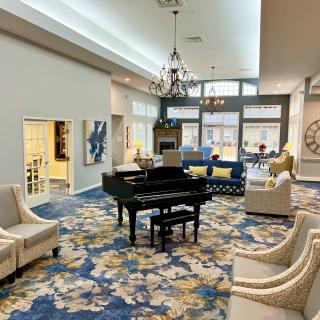
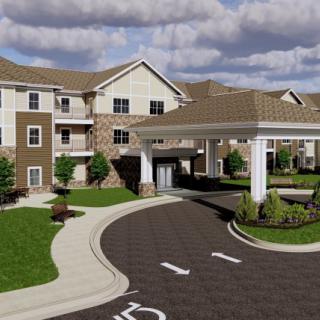
 The home is beautiful and welcoming.
- The bedrooms are nice and the home is clean.
- The atmosphere is warm and homey, with residents smiling and content.
- The owner has a heart the size of Texas and the care is genuine.
- The meals are wonderful, homemade, and fresh.
- The staff are knowledgeable, friendly, and caring.
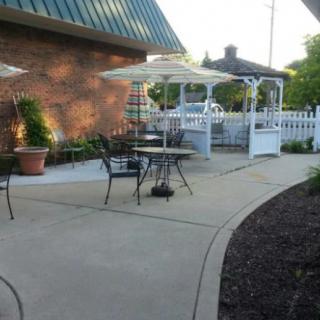
- Blossom Hill is a great place with a spacious, wheelchair-friendly layout and a beautiful outdoor area with a wooded view.
Cons
 The original staff were fired or left, and in a month it became a revolving door with no consistency of care.
- The new owner did not keep his promises after the sale.
- The aides were overworked and given new responsibilities without proper training, resulting in an insufficient level of care.
- The reviewer felt compelled to be there to train and monitor Mom’s care, even for simple tasks like brushing her teeth.
- When concerns were raised to the new owner, he claimed the employees were not their concern and suggested moving Mom.
- The reviewer would not recommend this facility.
- Processed foods like Chef Boyardee replaced homemade meals.
Review
Blossom Hill 1 in South Lyon, MI is best suited for families seeking a tightly run, home-like assisted living option where residents reside in private bedrooms within a small, intimate house. It appeals to seniors who want a calm, family-driven atmosphere, where meals are cooked onsite and care feels personal rather than corporate. The property’s wooded views, outdoor space, and country feel support a sense of belonging and stability that larger communities often struggle to provide. For someone who values predictability, low-key routines, and a buzz of familial warmth over institutional polish, this setting can be deeply reassuring.
At the same time, Blossom Hill 1 may not be the right choice for every situation. Families needing rigorous, ongoing clinical oversight, highly structured activities, or dementia programming tailored to complex medical needs should consider alternatives. The history of ownership change and staff turnover noted in past experiences raises the concern that care continuity could be fragile if leadership shifts or staffing pools are unstable. For loved ones with high medical acuity, frequent assistance requirements, or a demand for formalized care plans, a larger, more regulated community may offer greater peace of mind.
The strongest positives here are not small in number. The home’s intimate scale, private bedrooms with a shared common area, creates a manageable, low-stimulus environment that can reduce confusion for residents. Meals labeled as homemade and fresh receive consistent praise, and the kitchen’s efforts are a meaningful daily comfort. The house has been adapted for wheelchair access, minimizing navigation challenges and avoiding tight bottlenecks common in older, crowded facilities. Residents and staff described as caring and knowledgeable reinforce the sense that the people are genuinely invested in day-to-day well-being. The 10-acre setting and natural surroundings contribute to a serene backdrop that many families prize, especially when a loved one values country-like living and outdoor space.
Yet the caveat remains the potential for inconsistency in care tied to ownership and staffing dynamics. One extended review recounts a period of upheaval when the original staff were replaced, followed by a revolving door of caregivers and a sense that training and clear instructions fell by the wayside. In that context, families had to remain actively involved to ensure basic routines, like personal care, were carried out properly. A resident-safe environment can be undermined if care tasks are dependent on overextended staff or if supervisory oversight is temporarily lax. Prospective residents should probe current stability, staffing ratios, and the presence of a clear, enforceable care plan to prevent similar gaps.
For decision-making, practical steps matter as much as sentiment. Prospective families should arrange a direct visit during a typical day to observe how residents interact with caregivers, how meals are served, and how unplanned needs are managed. Ask about current ownership and how long it has been stable, request a recent care plan for a sample resident, and verify staffing coverage across shifts. Inspect the kitchen for cleanliness and food quality, review a current activity calendar, and confirm what memory care supports exist if dementia is a factor. Clarify costs, what is included, and whether there are safeguards or contingencies if a caregiver is unexpectedly absent. Honest conversations with current families can reveal how well the home sustains its warmth over time.
Bottom line: Blossom Hill 1 offers a compelling blend of warmth, independence, and a homey, intimate environment that can deliver meaningful quality of life when staffing remains stable and leadership is committed. Its strengths, private rooms, homemade meals, attentive, family-like care, and a peaceful setting, make it an excellent fit for seniors who prioritize belonging, low-key routines, and a strong sense of community. However, for families needing consistent clinical oversight, highly structured dementia programming, or assurance against turnover risk, it pays to compare with larger, more standardized options. If the current team remains steady and the culture stays true to its intimate roots, Blossom Hill 1 can be a remarkably good match for the right resident.
 6 resident community capacity
 Assisted Living
 Cable or satellite TV
 Dining room
 Fully furnished
 Garden
 Housekeeping services
 Move-in coordination
 Outdoor space
 Telephone
 Wi-Fi/high-speed internet available
 Detroit Metropolitan-Wayne County (22 miles away)
 24-hour supervision
 Activities of daily living assistance
 Assistance with bathing
 Assistance with dressing
 Assistance with transfers
 Diabetes diet
 Meal preparation and service
 Medication management
 Special dietary restrictions
 Transportation arrangement (medical)
 Transportation to doctors appointments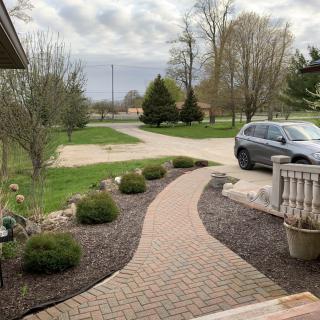



 Comprehensive Insights into Activities of Daily Living (ADLs) and Their Assessment
 Medicare Coverage for Assisted Living: An In-Depth Exploration
 Choosing the Right Senior Care: A Detailed Exploration of Assisted Living and Nursing Homes