
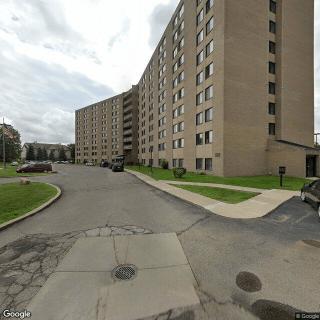
5807 Whitefield Street, Dearborn Heights, MI 48127
For more information about senior living options: (866) 208-4318
Overall Review of Good Care Home Care
Pros
 They provide the best care for loved ones.
- The staff is outstanding and the food is excellent.
- Loved ones are treated with dignity and receive the care they need.
- The home environment is unmatched.
- They provide very personal care and offer peace of mind.
- They have Arabic-speaking staff and halal food.
- Their services are the best and focused on health.
Review
Good Care Home Care in Dearborn Heights is best suited for families seeking a warm, home-like setting where seniors receive highly personal, dignity-centered care from a small, attentive staff. The emphasis is on familiar routines, comfortable interaction, and a sense of belonging rather than a clinical feel. Arabic-speaking staff and halal meal options are notable strengths, reducing language barriers and dietary stress for residents who observe Islamic dietary practices. This combination makes the community especially appealing to families who want emotional security, consistent caregiver relationships, and meals that honor cultural preferences while maintaining quality and taste.
Those who may want alternatives are families with residents needing heavy medical oversight or memory-care programs that rely on formal clinical protocols. The reviews highlight personal attention and a home atmosphere; if a resident requires 24/7 nursing coverage, intensive dementia care, or robust rehab services, a larger facility with more medical amenities may perform better. Facilities with hospital-grade oversight, on-site physicians, and cohesive multidisciplinary teams often manage complex conditions more readily. For families whose loved one has frequent hospitalizations, wound care, catheterization, or complex medication regimens, it is prudent to compare options to ensure continuity of care despite the advantages of a more intimate setting.
Pros center on staff excellence and very personal care. Residents are described as treated with dignity and care that feels tailored rather than generic. The home-like rhythm supports comfort, while high-quality meals reinforce well-being. The Arabic-speaking capability and halal options further align daily life with residents’ values, enhancing communication and adherence to care plans. In practical terms, these strengths translate into fewer misunderstandings, quicker response times, and a calmer daily routine for elders who thrive on steady, respectful interactions. This combination helps families gain confidence that their loved ones are known, valued, and well supported.
Overall care quality appears consistently strong in family feedback, with many noting outcomes that feel meaningful rather than purely cosmetic. The setting’s emphasis on health and well-being, without sacrificing warmth, appears to support treatment adherence, social engagement, and reduced stress. The result is a caregiving approach that is practical, compassionate, and effective for seniors who fit a non-institutional model. For residents who prioritize personal attention and a homelike pace over a clinical atmosphere, the positives significantly outweigh the potential trade-offs of a smaller operation.
Explicit drawbacks aren’t identified in the comments, but a prudent reviewer will verify alignment with medical expectations. The home-like model can mean more limited on-site resources than larger communities. Questions to ask include staff-to-resident ratios, access to registered nurses or on-call physicians, how medications are managed, emergency processes, transport to appointments, and availability of dementia-specific programming if needed. Clarifying these points helps determine whether the outstanding personal care, language support, and cultural meals offset any gaps in clinical services and ensures readiness for changes in health status.
Bottom line: Good Care Home Care serves best for seniors who value intimate, respectful care, a homey pace, and cultural alignment. It is an excellent fit for families prioritizing dignity, meaningful relationships with caregivers, and meals that respect religious practices. Those requiring intensive medical oversight or expansive memory-care programming should compare alternatives to find the best match. A visit that probes staff experience, meal plans, language capabilities, and daily routines will quickly reveal whether this community preserves independence, comfort, and peace of mind as needs evolve.
 3 resident community capacity
 Assisted Living
 Cable or satellite TV
 Dining room
 Fully furnished
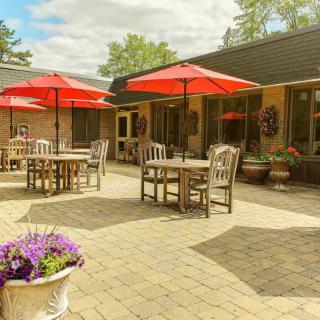
 Garden
 Housekeeping services
 Move-in coordination
 Outdoor space
 Telephone
 Wi-Fi/high-speed internet available
 Detroit Metropolitan-Wayne County (9 miles away)
 24-hour supervision
 Activities of daily living assistance
 Assistance with bathing
 Assistance with dressing
 Assistance with transfers
 Diabetes diet
 Meal preparation and service
 Medication management
 Special dietary restrictions
 Transportation arrangement (medical)
 Transportation to doctors appointments


 Funding and Affording Assisted Living: A Thorough Overview
 Assisted Living Expenses and Long-Term Care Insurance: A Comprehensive Exploration
 Securing Financial Support for Assisted Living: A Comprehensive Overview