
21800 Morley Ave, Dearborn, MI 48124
To contact a resident: (313) 562-8155
For more information about senior living options: (866) 208-4318
Overall Review of Morley Manor Cooperative Inc
Pros
 Visitors enjoy visiting with their families to see their grandma, and find the people there very nice.
- People love this place and enjoy visiting their grandparents here, finding everyone kind and always smiling.
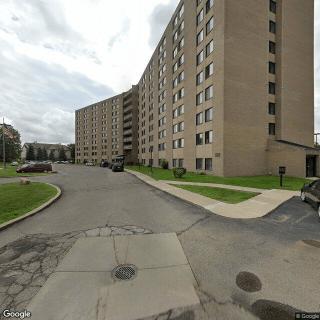
- The community offers great views.
- Neighbors are very friendly.
- The apartments are spacious with ample storage.
- It is considered a great value for the money.
- Residents are always smiling and greet visitors; the facility offers a library, gym, and social activities.
- The grandfather considers moving in here the best choice he has ever made.
Cons
 They claim Morley Manor is run by self-righteous snobs who target residents they secretly dislike.
- The security measures are described as outdated, with guests routinely questioned and residents penalized for using the resident key.
- The staff are characterized as abysmal, ignorant, and belligerent.
- There is virtually no company management on site.
- Buying and selling are quite difficult due to the numerous rules and regulations.
- The board is accused of unfairly selling prime carport spaces to a favored few.
- The place is described as biased and likened to a hen coop.
Review
Morley Manor Cooperative is best suited for independent seniors 55 and older who want a close-knit, resident-governed environment with built-in social life, reliable security, and strong value. It works well for those who can thrive in a community where neighbors know one another, participate in committees, and where day-to-day life is organized around shared spaces, scheduled activities, and volunteer-style management. The model is not a fit for anyone needing ongoing assisted living services, regular 의료 support, or a hands-off professional management approach that minimizes resident governance.
Those weighing Morley Manor against alternatives should be aware that this is not a traditional assisted living campus. Prospective movers should consider facilities that offer on-site caregiving, daily living assistance, or more formal care plans. For families seeking less resident oversight or a more centralized management structure, other independent living options or conventional senior communities with salaried staff may feel more predictable. The co-op framework itself can be a hurdle for buyers who want streamlined purchasing, faster transfers, or a simple landlord-tenant arrangement.
The strongest positives are the warmth of the resident community and the practical perks that come with the co-op model. Visitors consistently report welcoming, smiling residents, easy access to a library and gym, and a lively cadence of lunches, card nights, and other gatherings. Apartments are described as spacious with ample storage, and the first-floor facilities function as a communal hub. There is clear value in the package: utilities are often included, and board-driven governance helps sustain the building and its safety-conscious environment, which many residents prize as a reason to stay long term.
Yet the downsides are persistent and meaningful. The governance structure can feel clannish or overly vigilant, with visitors routinely questioned and a culture that can resemble a tightly watched environment. Security-minded practices are cited as a primary concern by many residents, and the same vigilance that provides safety can be experienced as intrusive, especially for guests. The management layer is uneven, with complaints about part-time staff and inconsistent office support, which in turn magnifies perceptions of bias or favoritism among resident-ruled decisions. Buyers also encounter practical hurdles: information-heavy rules governing buy/sell processes, and a market where two-bedroom units are in high demand and turnover is low, yielding a real wait for those seeking to move in.
The key pros offset the cons for a particular profile, but only to a point. For households prioritizing social connectivity, safety, and predictable cost, the community’s depth of activity and the reassurance of a resident-led oversight can be a meaningful advantage. The trade-off is a more regulated, less private experience, with rules that extend into daily interactions and guest access. For those who value independence but want a supportive neighbor network, Morley Manor delivers structure and sociability that can reduce isolation and keep costs reasonable. However, for anyone who expects professional, full-time management, immediate access to caregiving, or a looser policy framework, the disadvantages accumulate quickly and may erode satisfaction.
Conclusively, the decision hinges on three questions: Is independence coupled with active community life and a safety-centric environment the top priority? Can tolerance for ongoing governance, visitor scrutiny, and a fixed-fee, utility-inclusive budget withstand a less flexible management style? If the answer is yes, Morley Manor offers a compelling, affordable path to aging in place with neighbors who feel like family and an infrastructure that supports long-term residency. If not, alternatives with stronger on-site caregiving, more streamlined administration, or looser governance warrant serious consideration. Prospective residents should interview current members, scrutinize the bylaws and guest policies, and assess whether the visible camaraderie and value align with personal expectations for privacy, autonomy, and care.
 Board and Care Home
 Detroit Metropolitan-Wayne County (9 miles away)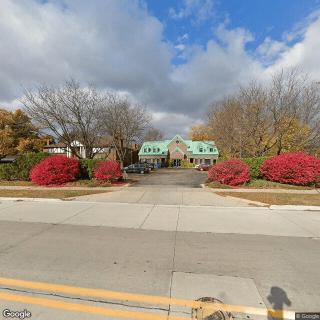




 Financing Long-Term Nursing Home Care Through Social Security: A Thorough Exploration
 Essential Knowledge on Pneumonia in Older Adults
 Exploring Palliative Care in the Home: A Comprehensive Overview