
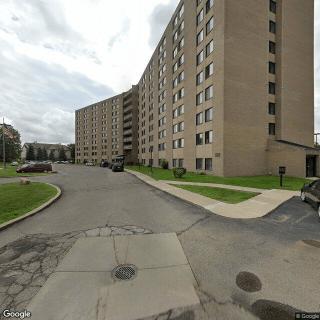
835 Mason St d140, Dearborn, MI 48124
To contact a resident: (313) 558-9958
For more information about senior living options: (866) 208-4318
Overall Review of University Home Care Services
Pros
 They provide excellent care.
 - The care team is fabulous, fantastic, awesome, and terrific.
- The aid they sent out was phenomenal.
- The company is the best they have ever used.
- They highly recommend it.
- University Home Care Services has truly been a godsend for her mom.
- Tianna Darwiche was instrumental in providing the home care immediately.
- They were invaluable and were kind, gentle, and compassionate.
- They grew to be part of the family.
- Having their caregivers made the transition easier for her.
- The service was amazing, the response time was great, and they were very professional.
- The staff being nurse-owned makes a difference, and the care is high quality.
Cons
 This company is fraudulent; they steal from the patients and employees.
- RUN DO NOT WORK WITH THEM.
Review
University Home Care Services in Dearborn is best suited for families seeking deeply personalized, nurse-led in-home care for aging loved ones who want to stay at home but still need regular supervision, assistance with daily activities, and skilled nursing support. The core strength is a hands-on team that can manage daily showers, meals, medication administration, and mobility assistance with a level of attention that makes the home feel like a safe, capable space. This provider shines when the goal is to preserve independence for as long as possible while ensuring a reliable caregiver presence, especially for seniors with edema, mobility challenges, or early memory care needs who still prefer staying at home rather than moving to a facility.
Those weighing alternatives should consider options if the priority is broad, facility-based supervision or a stricter, 24/7 medical surveillance model in a larger setting. While the reviews overwhelmingly favor the in-home model, a single strongly negative claim exists alongside the overall strong sentiment. Families with significant behavioral health challenges, severe dementia-related risks, or strict round-the-clock nursing supervision may find a facility with dedicated memory care and more extensive clinical resources to be a better fit. In short, if safety nets beyond in-home care are non-negotiable, exploring other licensed options is prudent.
The strongest pros, nurse ownership, responsive care, and clearly skilled caregiving, directly address the most common senior-care pain points. Several reviews highlight nurse-led assessments and the ability to tailor care plans with professional oversight, plus free nursing assessments and blister-pack medication services. Caregivers are described as kind, compassionate, and highly capable, with many accounts noting they become trusted extensions of the family. This combination translates into reliable daily routines, better management of medications, and a meaningful level of companionship that reduces isolation and uncertainty for family members. When a loved one needs help with dressing, bathing, and getting in and out of bed, the benefit of trained nursing support cannot be overstated.
Value and continuity are consistently cited as substantial advantages. Families report excellent value for the level of attention provided, and the small, nurse-led team model appears to foster strong caregiver consistency. The ability to address memory-related needs, with staff reportedly trained by a registered nurse, helps mitigate common frustrations in home care, such as inconsistent caregiving quality or gaps in discipline and technique. For families, this translates into fewer stress points around everyday tasks and a more predictable, dignified routine for the elder’s day. The sense that the caregivers become “part of the family” also reduces the emotional burden on relatives who are juggling many roles.
On balance, the key pros do offset the main drawbacks when evaluated through the lens of a practical decision-maker. The strong caregiver fidelity, professional oversight, and value proposition commonly outweigh the risk of a lone negative report, provided due diligence is performed beforehand. Prospective clients should, however, verify licensing and check for any unaddressed complaints, interview multiple caregivers, and request a clear care plan with defined escalation paths. The one suspicious review, while alarming, does not reflect the expansive positive track record and is best weighed against independent due diligence rather than accepted at face value.
In the end, this agency is a compelling choice for families prioritizing warmth, professional nursing presence, and consistent at-home care for seniors who can benefit from hands-on assistance without immediate need for a large-scale facility. It is especially well-suited for edema management, memory-care–adjacent support, and transitions from independent living into assisted living settings, with caregivers who are described as devoted, capable, and intimately involved in the elder’s daily life. For those who require more intensive, facility-based supervision or specialized dementia care with formal, 24/7 clinical resources, alternatives deserve serious consideration. A structured onboarding session, a trial period, and references from current families will help confirm alignment with expectations before committing.
 Detroit Metropolitan-Wayne County (8 miles away)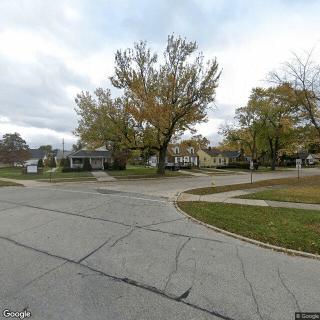




 Nurturing Our Elders: Linda's Journey of Supporting Her Mother
 A Comprehensive Exploration of Common Misunderstandings about Powers of Attorney
 Senior Move Management: Understanding the Role, Value, and Associated Costs