
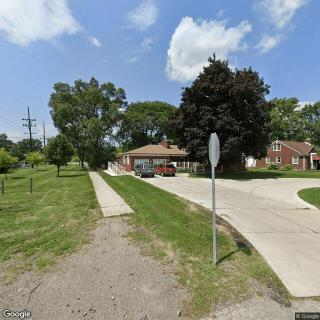
4444 Lincoln Boulevard, Dearborn Heights, MI 48125
For more information about senior living options: (866) 208-4318
Overall Review of Better Life Residential Care
Pros
 Better Life Home Care is a family-owned and operated company with great compassion.
- Better Life Home Care is an amazing company to work with.
- The caregivers are very professional.
- One caregiver has been a true blessing for a client’s mother.
- The staff at Better Life Home Care is great.
Cons
 The process took a few weeks to work through several caregivers.
- They had to go through multiple caregivers before finding one who fit.
- The initial period involved an extended search for a suitable caregiver.
Review
Better Life Residential Care in Dearborn Heights is best suited for families seeking a warm, locally owned home-care option where relationships and compassion drive daily support. This community shines for seniors who mainly need companionship, routine assistance with activities of daily living, and a sense of continuity with a caregiver who feels like part of the family. It works best when the goal is reliable, person-centered care provided by a small, hands-on team rather than a large, highly clinical facility. Families prioritizing trust, personal attention, and long-standing caregiver connections will find the strongest fit here.
For households weighing alternatives, the clear caveat is medical intensity and cognitive protection demands that exceed what non-medical home care typically offers. If the senior requires constant skilled nursing, complex wound care, or an environment with structured memory-care programming and robust clinical oversight, a larger assisted-living or skilled-nursing option may be more appropriate. Also, those who want guaranteed one-to-one service from day one with minimal caregiver turnover may find the initial onboarding period here more variable than desired. In short, this option excels in warmth and tailoring, but it is not a substitute for high-acuity medical care.
The main strengths lie in the family-owned ethos and the staff’s demonstrated compassion. Reviews repeatedly praise the owner-operated model as inherently caring, with a culture that prioritizes treating clients like members of the family. The ability to align a caregiver with a loved one’s personality and routines matters, and the experiences shared show that once a compatible match is established, the relationship can become a true blessing for both the elder and the family. The professional demeanor of caregivers and the steady, attentive support they provide are repeatedly cited as meaningful advantages, translating into steadier days, less anxiety, and improved mood for the senior.
Nonetheless, the downsides are not negligible. A recurring theme is the onboarding lag, the process of finding the right caregiver took a few weeks, during which time the elder might have felt unsettled. This is a legitimate consideration for families facing urgent or tightly scheduled transitions. There is also a clear reminder that, with a small operation, staffing depth can be uneven; if a preferred caregiver is unavailable, back-up options may not be as seamless as those in larger agencies. One-star feedback also points to the reality that not every experience lands perfectly, underscoring that the fit between personality, care style, and family expectations matters profoundly.
Viewed through a practical lens, the positives largely offset the potential drawbacks for families who value continuity and a personalized approach. The family-owned core creates accountability and a palpable commitment to doing right by clients, which helps compensate for occasional onboarding delays. When the caregiver match clicks, the elder’s daily life gains predictability, comfort, and genuine companionship, outcomes that are hard to quantify but easy to recognize in calmer mornings, more engaging afternoons, and fewer supervise-and-step-in moments for family members. The strong emphasis on compassionate care can transform a senior’s day-to-day experience, even if it requires patience during early weeks.
Decision-wise, this community makes the most sense for families who want a hands-on, relationship-first staffing model with a personal touch. Prospective clients should ask blunt questions about the caregiver-matching process, the timeline for placing a compatible caregiver, and the plan for back-up coverage when the primary caregiver is unavailable. Request references from families with similar needs, and probe how care plans are updated and communicated. Clarify the range of non-medical services offered, the hourly structure, and any limits on hours or days. For seniors with complex medical needs, memory-care requirements, or the expectation of strict clinical supervision, it may be wise to explore alternatives that offer more extensive medical oversight or dedicated memory-care environments. For many families, though, the reward of trusted, compassionate companionship in a familiar, family-owned setting will outweigh the onboarding challenge, delivering a steadier, more personal senior-care experience.
 6 resident community capacity
 Assisted Living
 Cable or satellite TV
 Dining room
 Fully furnished
 Garden
 Housekeeping services
 Move-in coordination
 Outdoor space
 Telephone
 Wi-Fi/high-speed internet available
 Detroit Metropolitan-Wayne County (7 miles away)
 24-hour supervision
 Activities of daily living assistance
 Assistance with bathing
 Assistance with dressing
 Assistance with transfers
 Diabetes diet
 Meal preparation and service
 Medication management
 Special dietary restrictions
 Transportation arrangement (medical)
 Transportation to doctors appointments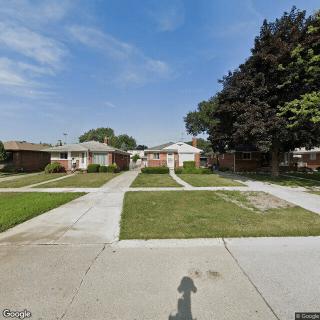



 Comprehensive Insights into Activities of Daily Living (ADLs) and Their Assessment
 Medicare Coverage for Assisted Living: An In-Depth Exploration
 Your Comprehensive Guide to Luxury Assisted Living: Elevated Facilities, Amenities, and Costs