
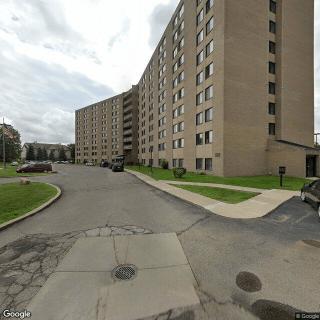
22949 Hollander, Dearborn, MI 48128
For more information about senior living options: (866) 208-4318
Overall Review of Hope Home
Pros
 Ola and her team are the best.
- The agency provides exceptional care from Ola and her team.
- Mohamed is awesome.
- Ola is thorough and follows proper protocol.
- The company is highly recommended.
Review
Hope Home in Dearborn, Michigan, is best suited for seniors and adults who want dependable, hands-on in‑home care with ongoing rehabilitation support and a stable, highly engaged leadership team. The service model centers on long-term relationships: families place their trust in Ola and her team to manage day-to-day care, coordinate therapy, and keep a consistent caregiver presence over months and years. Clients often choose Hope Home to stay in their own home while receiving skilled assistance, practical assistance with activities of daily living, and access to a dedicated physical therapist when needed. In Dearborn, this setup offers a pragmatic alternative to moving into a facility, allowing aging in place with responsive, person-centered oversight.
Those who may want alternatives include families seeking a more social, campus-style environment or 24/7 supervised residential care. If a resident requires round-the-clock, on-site nursing staff around the clock, or a setting with broader daily programming and social activities, a traditional assisted living or a larger home health agency with more extensive staffing might be a better fit. Additionally, if cost containment or a shorter commitment is essential, or if a transition to a facility-based model is anticipated, exploring other agencies or local senior living communities can provide a different balance of services and community life.
From the reviews, the core strengths hinge on leadership and consistency. Ola is described as the centerpiece of care, thorough in her oversight, and highly regarded by families who have relied on her for more than a year. The caregiving team is not just competent; they are bonded with clients, delivering a coherent care plan and steady day-to-day support. The presence of a skilled physical therapist, Mohamed, adds a concrete layer of value, turning home visits into real rehabilitation progress rather than routine assistance. And the absence of infections among clients and staff, while only one data point, reinforces the impression of disciplined hygiene and careful practice that underpins successful home care.
However, a single 1-star rating sits alongside strong praise, signaling that not every experience aligns with the ideal. No explicit details accompany that lower rating in the available feedback, which means a family should ask direct questions about what might cause dissatisfaction, such as responsiveness, communication, or scope of services. Still, the consistency of high marks for care quality, commitment, and therapy support suggests that most families experience meaningful benefits when trusting Ola and her team with in-home care. The top-line takeaway is that the program delivers dependable care, with the potential for outliers that should be addressed in initial conversations.
When evaluating Hope Home, prospective clients should have a structured set of questions ready: what is the caregiver-to-client ratio, who becomes the primary point of contact, and how are schedules handled when a key caregiver is unavailable? How flexible is therapy scheduling, and can Mohamed continue to work with the client over weeks or months? What are the billing arrangements, and are there caps on hours or services? Inquire about references and request an on-site or virtual meeting to observe interactions, ask about care planning, and confirm how progress is tracked. Assess whether the team's proven attentiveness aligns with the resident’s need for consistent, long-term engagement.
Overall, Hope Home presents a practical, decision-focused option for families prioritizing reliable in-home care with strong leadership and rehab support. It stands out for the Ola-led team's steady presence, thorough approach, and a culture of careful practice that maintains hygiene and trust. For residents who crave a home-based model with a cohesive care plan rather than a bustling campus, this is a compelling fit. If, instead, the priority is broader social programming or 24/7 on-site supervision, alternatives should be explored. The recommended next step is a direct conversation with Ola, followed by a caregiver introduction, a trial period if possible, and a clear plan to monitor progress and adjust services as needs evolve.
 6 resident community capacity
 Assisted Living
 Cable or satellite TV
 Dining room
 Fully furnished
 Garden
 Housekeeping services
 Move-in coordination
 Outdoor space
 Telephone
 Wi-Fi/high-speed internet available
 Detroit Metropolitan-Wayne County (9 miles away)
 24-hour supervision
 Activities of daily living assistance
 Assistance with bathing
 Assistance with dressing
 Assistance with transfers
 Diabetes diet
 Meal preparation and service
 Medication management
 Special dietary restrictions
 Transportation arrangement (medical)
 Transportation to doctors appointments





 Assisted Living and Memory Care: Understanding Their Core Differences
 Beyond the Bingo Hall: 50+ Enriching Activities for Seniors in Assisted Living
 Understanding the Distinctions: Assisted Living and Memory Care Explained