
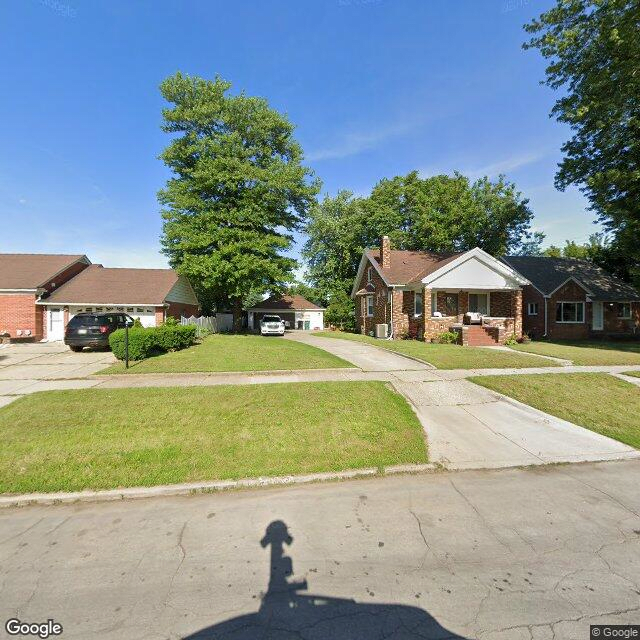
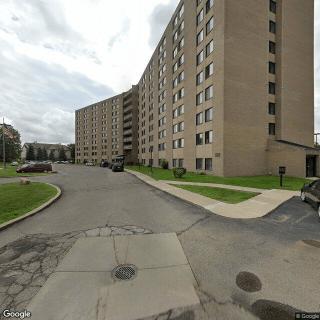
16600 W Outer Dr, Dearborn Heights, MI 48127
To contact a resident: (313) 563-2690
For more information about senior living options: (866) 208-4318
Overall Review of Dearborn Heights Co-Op Towers
Pros
 It was very pleasant and well kept.
- The residents were very polite and helpful.
- It is a place where retirees on a fixed income can live independently and carefree.
- It is a very nice place to live on a fixed income.
Cons
 The apartments are bedbug-infested.
- The property is a scam that costs applicants $18 for the application and never calls back.
- Scammers steal money from applicants and commit fraud.
- Nosy busy-bodies pretend to be security personnel but provide no real help.
- Accessing the building is ridiculous.
Review
Dearborn Heights Co-Op Towers is best suited for independent seniors who live on fixed incomes and want affordable, low-maintenance housing with predictable expenses and a straightforward, autonomous lifestyle. The property often feels like a quiet, neighborly place where residents are polite and the grounds are kept up, aligning with expectations for someone who does not plan to rely on on-site care or programming. The Co-Op model can translate into lower rents and a sense of stability that appeals to retirees prioritizing cost control and familiar routines over resort-style amenities. In practice, this setting serves individuals who prize self-sufficiency, direct cooperative-driven accountability, and the option to manage daily living without a heavy service footprint.
However, potential residents must recognize who may want to consider alternatives. Those who anticipate needing regular caregiving, on-site staff responsive to emergencies, or structured programming will likely find this community lacking. Several critiques point to a brittle application process and opaque intake practices, including a nonrefundable fee that some applicants feel is not justified by follow-through. Security and entry procedures appear inconsistent, with perceptions that staff or security-like figures do not deliver clear help when access is needed. The net effect is a climate where privacy can feel intrusive and where uncertain management practices introduce risk, especially for newcomers unfamiliar with cooperative operations. For families prioritizing clear, proactive support and transparent policies, shopping elsewhere is prudent.
On the plus side, the strongest draws are affordability and genuine independence. For fixed-income seniors, rent levels and the absence of mandatory care services can translate into real monthly relief. Neighbors tend to be courteous, and the environment can feel stable and predictable, which reduces the stress of daily living. Units reported as well-kept bolster confidence that basic maintenance won’t derail the budget. These advantages can sufficiently offset some drawbacks for residents who are comfortable managing their own needs and who value cost certainty over resort-like services. Yet the balance tilts against those who insist on consistent pest control, reliable entry access, and straightforward management, features that remain in question despite the favorable reviews.
To decide, prospective tenants should insist on concrete assurances before signing. A pest control plan with documented remediation should be in place, and a written understanding of how entry access works, who qualifies as security, and how visitors are processed should be provided. Ask current residents about the day-to-day experience with maintenance and responsiveness. Review the co-op's financial terms, including any nonrefundable application fees and refund policies, to avoid a similar disappointment. Verify what services, if any, are included in rent and whether there are hidden costs. Finally, tour during different times of day to gauge consistency in staffing and community atmosphere, taking note of how truly independent living feels in practice.
Compared with true assisted living or modern independent-living communities, this property offers less built-in support and fewer safety nets. Families seeking memory care, mobility assistance, or daily check-ins will likely be better served elsewhere. For those who simply want affordable, maintenance-free apartments with neighbors who share a quiet rhythm, Dearborn Heights Co-Op Towers can be appealing, provided the buyer understands the gaps. If pest concerns or opaque management patterns are deal-breakers, alternatives with transparent operations, stronger pest control, and clearer visitor protocols deserve serious consideration. In short, the decision hinges on tolerance for risk versus the value of low cost and autonomy.
Bottom line: Dearborn Heights Co-Op Towers suits budget-conscious, self-reliant seniors who can navigate sporadic management quirks and are content without on-site care services. For households where pests, perceived intrusiveness, or uncertain intake processes raise red flags, exploring other options is prudent. The property can deliver a steady, affordable home if due diligence is performed, pest remediation commitments are verified, access procedures are clarified, and resident voices corroborate stability. With that diligence, a resident can gain a solid, uncomplicated home; without it, risk of frustration and unexpected costs grows quickly. The prudent approach is to test every assumption before committing.
 Active Adult Communities (55+)
 Detroit Metropolitan-Wayne County (9 miles away)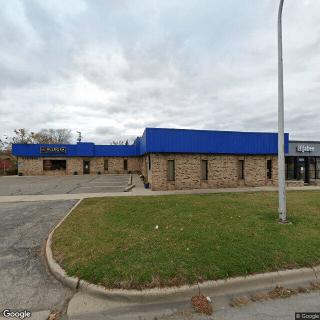

 Home Health Care Aides: Understanding Their Role and Supporting Your Family
 Urinary Tract Infections in Older Adults: Comprehensive Insights on Symptoms, Treatment, and Prevention
 California's Form 602A: An In-Depth Examination of Senior Care Assessment