For more information about senior living options: (866) 208-4318
3.9 from 149 reviews
5 stars
73
4 stars
36
3 stars
11
2 stars
8
1 stars
21
Presbyterian Village Westland Costs & Pricing
Presbyterian Village Westland offers competitive pricing for its accommodations compared to broader regional averages. For a one-bedroom apartment, residents can expect to pay $1,882 monthly, significantly lower than the Wayne County average of $3,210 and the Michigan state average of $3,384. Similarly, the cost for a two-bedroom unit at $2,192 is also attractively positioned below the county's figure of $3,452 and the state's average of $3,523. Interestingly, while studio apartments at Presbyterian Village Westland are priced at $4,200 - a figure that exceeds both local and state averages - it reflects a unique offering that may include enhanced amenities or services. Overall, this pricing structure illustrates Presbyterian Village Westland's commitment to providing affordable housing options within the context of the surrounding market.
Floor plans
Presbyterian Village Westland
Wayne County
Michigan
1 Bedroom
$1,882
$3,210
$3,384
2 Bedrooms
$2,192
$3,452
$3,523
Studio
$4,200
$3,495
$3,824
Memory care communities with a similar price nearby
Some residents and families describe medication mistakes and staffing stress.
Several reviewers raise serious concerns about medication handling, including accounts of wrong medication being given and caught in time. One family also describes their loved one’s memory-care experience as inadequate, with fallout that they attribute to missed precautions. In a separate account, residents are described as being impacted by understaffing and overwork, which ties to slower or inconsistent support.
common4 reviews mention this
Dining quality varies by report
Dining receives mixed feedback, with both praise and repeated complaints.
Some residents and visitors say the meals are good, improving over time, and that there are good options and portions to choose from. Others describe food showing up cold or being disappointing, with concerns about starch-heavy meals and limited fresh produce. Even within the same dining routine, one reviewer notes timing delays for lunch and dinner in the enhanced living dining setup.
common10 reviews mention this
Residents mention friendliness and responsiveness
A large share of reviews highlight staff members as helpful and kind.
Across many accounts, reviewers describe staff as nice, friendly, and willing to help with everyday needs and questions. Multiple family members say the team knows residents by name and goes above and beyond to help someone settle in or manage a condition. Even where other issues are raised, several reviewers still point to particular caregivers and staff interactions as positive.
caveat4 reviews mention this
Cleanliness and upkeep are inconsistent
Reviews are split on cleanliness, ranging from very clean to complaints about serious issues.
Some reviewers praise a clean, well-kept building, apartments, and daily environment, including housekeeping and upkeep. Others describe conditions as not sanitary, including reports about smelly trash closets, filthy walk-through areas, and severe cleanliness problems like bed bugs. A few accounts also mention visible aging in the building or areas that look dark or outdated, which contributes to mixed impressions of maintenance.
differentiator3 reviews mention this
Pricing is described as more affordable
Several reviewers say the community is more affordable than nearby options.
Some families compare the monthly cost to average assisted living costs and describe the pricing as lower for what they needed. Others call it a good value, while one visitor notes affordability was the deciding factor for budgeting. At the same time, at least one review criticizes extra charges tied to services, so value depends on what is added for a specific situation.
How we summarize
Counts show how many written reviews mention each theme; a review can touch several themes, and only frequently mentioned themes are displayed.
Features
Housing
244 resident community capacity
1-bedroom apartments
2-bedroom apartments
Studio apartments
Types of Care
Assisted Living
Independent Living
Memory Care
Pets
Cats allowed
Dogs allowed
Amenities
Activities off-site
Activities on-site
Air-conditioning
Bath tubs
Beautician on-site
Beauty salon
Cable or satellite TV
Computer center
Devotional services off-site
Devotional services on-site
Dining room
Fitness room
Full kitchen
Fully furnished
Gaming room
Garden
Ground floor units
Guest parking
Handicap accessible
Housekeeping services
Indoor common areas
Kitchenette
Laundry
Move-in coordination
Outdoor common areas
Outdoor space
Party space
Private bathrooms
Resident parking
Respite or short term stays offered
Restaurant-style dining
Small library
TV room
Telephone
Wellness center
Wheelchair accessible showers
Wi-Fi/high-speed internet available
Transportation
Detroit Metropolitan-Wayne County (7 miles away)
Community operated transportation
Transportation & parking
Transportation arrangement
Transportation arrangement (non-medical)
Transportation to doctors appointments
Care Services
12-16 hour nursing
24-hour call system
24-hour supervision
Activities of daily living assistance
Ambulatory care
Assistance with bathing
Assistance with dressing
Assistance with transfers
Diabetes diet
Diabetic care
Incontinence care
Meal preparation and service
Medication management
Mental wellness program
Personal care assistants
Special dietary restrictions
Dining
Anytime dining
Diabetes diet
Guest meals
Meals provided
Restaurant style dining
Special dietary restrictions
Activities
Arts and crafts
Bible study group
Book club
Catholic services
Community-sponsored activities
Concierge services
Cooking classes
Day trips and outings
Devotional activities offsite
Devotional activities on-site
Educational speakers / life long learning
Fitness programs
Games
Gardening club
Live musical performances
Other religious services
Planned day trips
Protestant services
Religious services
Resident-run activities
Scheduled daily activities
Visiting chaplain or priest
Nearby Places of Interest
This part of Westland, Michigan offers a convenient and diverse range of amenities for seniors looking to relocate to the area. With multiple pharmacies, physicians' offices, and hospitals within close proximity, residents have access to quality healthcare services. There are also several parks nearby for outdoor recreation and relaxation. Additionally, seniors can enjoy a variety of dining options at restaurants and cafes in the area. For entertainment, there are theaters within a short driving distance. Places of worship are also easily accessible for those who seek spiritual fulfillment. Overall, this neighborhood provides a well-rounded living environment with easy access to essential services and recreational opportunities for older adults.
Pharmacies
CVS Pharmacy (0.2 miles)
Walgreens (1 miles)
Rite Aid (1.5 miles)
Walgreens (1.8 miles)
CVS Pharmacy (2.1 miles)
CVS Pharmacy (2.3 miles)
CVS Pharmacy (2.4 miles)
Parks
Garden City Park (1.2 miles)
Ford Field Park (5.8 miles)
Paul Revere Park (5.9 miles)
Schemansky Park (6.1 miles)
Heritage Park (6.9 miles)
Heritage Park (8.2 miles)
Physicians
Garden City Hospital Medical Office Building (2.5 miles)
Botsford Primary Care Physician (3.1 miles)
Dearborn Obstetrical & Gynecological Assoc PC (3.7 miles)
Ophthalmic Specialists of Michigan - Dearborn Office (4.1 miles)
Pinkney, Greenbaum, MacFarland, and Timpner, DDS (5.3 miles)
Partners In Internal Medicine (5.4 miles)
Livonia Dermatology (5.7 miles)
Hospitals
Oakwood Annapolis Hospital (2.6 miles)
Trinity Health Wound Care - Livonia Hospital (6.4 miles)
Presbyterian Village Westland offers competitive pricing for its accommodations compared to broader regional averages. For a one-bedroom apartment, residents can expect to pay $1,882 monthly, significantly lower than the Wayne County average of $3,210 and the Michigan state average of $3,384. Similarly, the cost for a two-bedroom unit at $2,192 is also attractively positioned below the county's figure of $3,452 and the state's average of $3,523. Interestingly, while studio apartments at Presbyterian Village Westland are priced at $4,200 - a figure that exceeds both local and state averages - it reflects a unique offering that may include enhanced amenities or services. Overall, this pricing structure illustrates Presbyterian Village Westland's commitment to providing affordable housing options within the context of the surrounding market.
The comprehensive features at Presbyterian Village Westland are designed to support residents with memory care needs effectively. With 24-hour supervision, staff can promptly respond to any challenges that may arise, ensuring a safe environment for individuals with dementia or Alzheimer's disease. Assistance with activities of daily living, such as bathing and dressing, fosters independence while providing necessary support, which helps reduce frustration and confusion. The help with transfers and incontinence care ensures dignity and comfort for residents facing mobility issues or loss of bladder control. Additionally, meal preparation and service tailored to individual dietary needs promote nutrition and routine, contributing positively to overall well-being. Medication management is crucial for maintaining health stability while minimizing the risk of complications due to missed doses or errors. Lastly, the implementation of a mental wellness program engages residents cognitively and socially, enhancing their quality of life through meaningful interactions that cater specifically to their unique cognitive abilities.
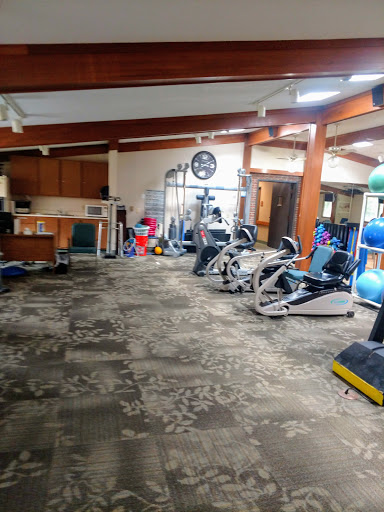
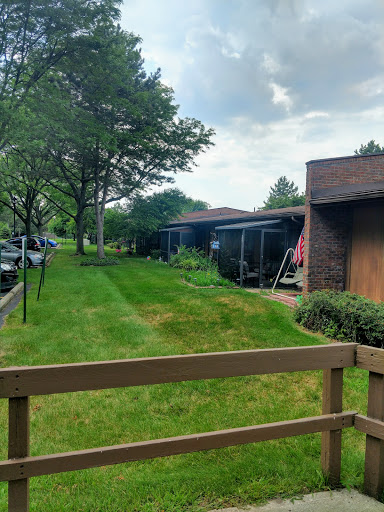
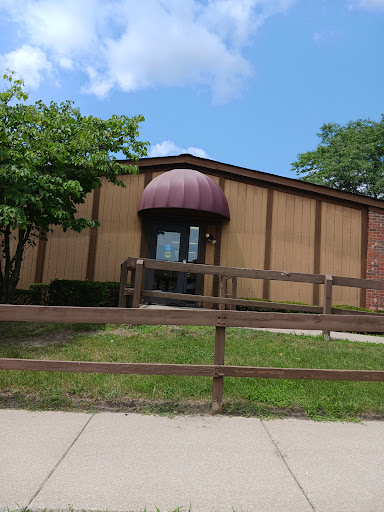
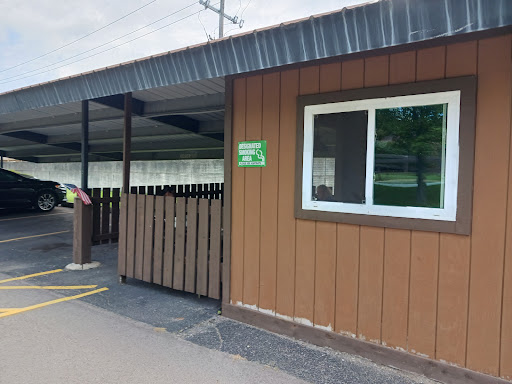
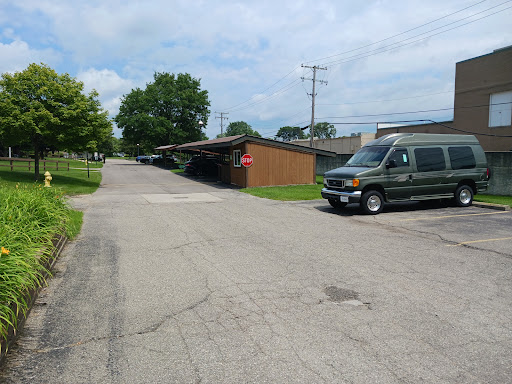
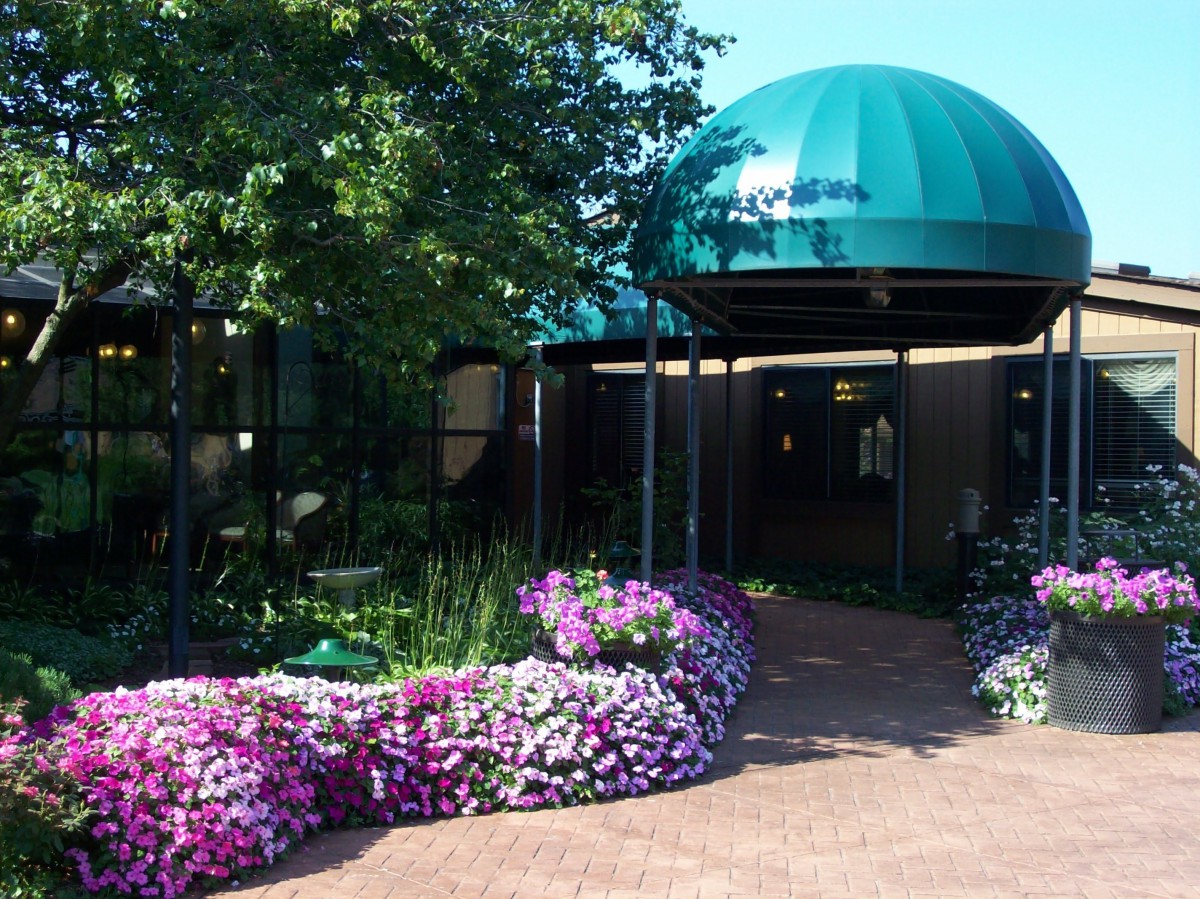
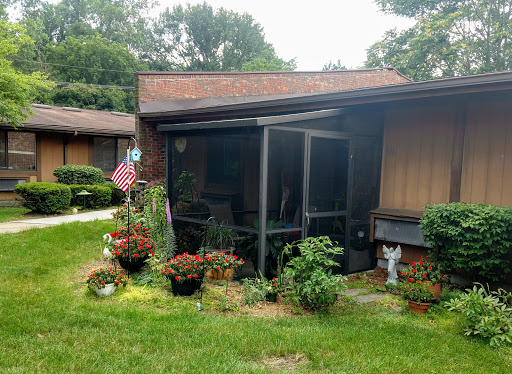
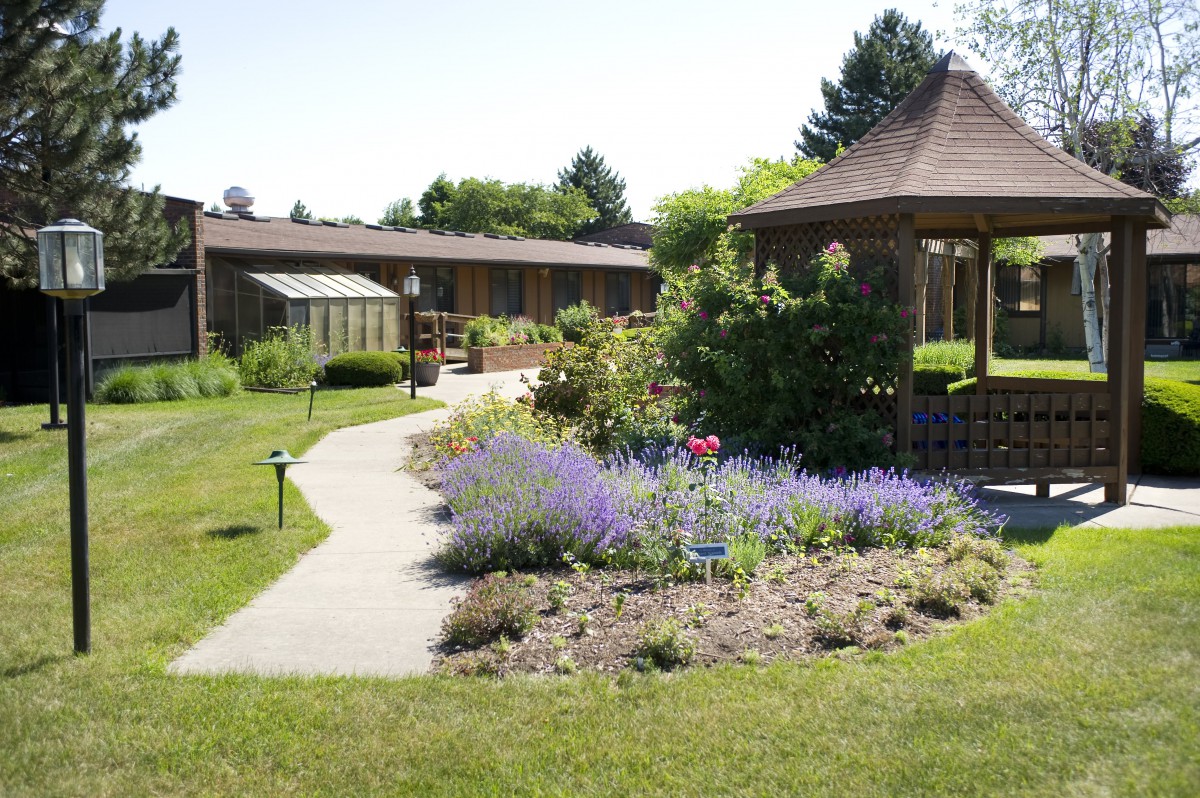
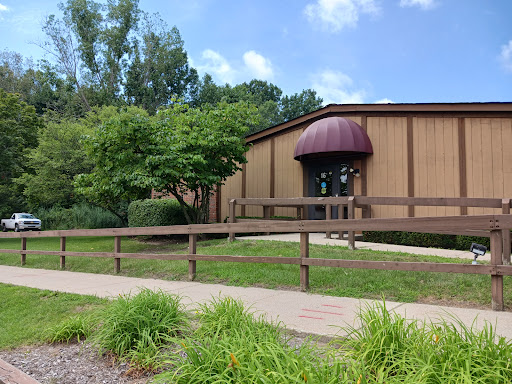
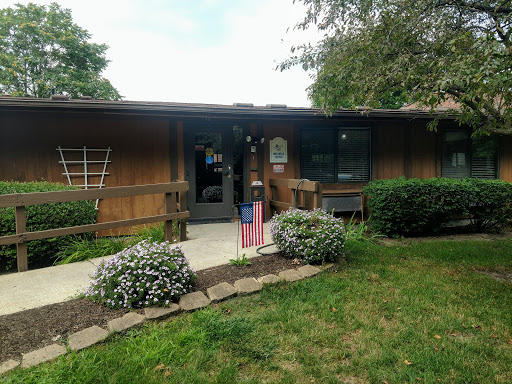
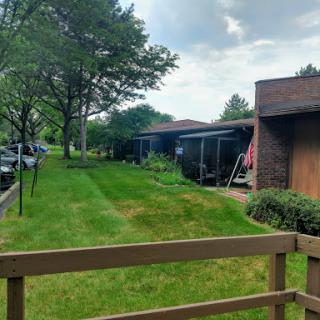
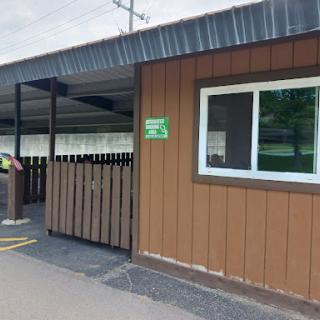
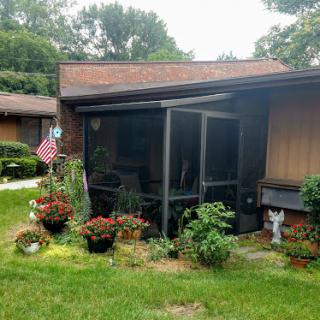
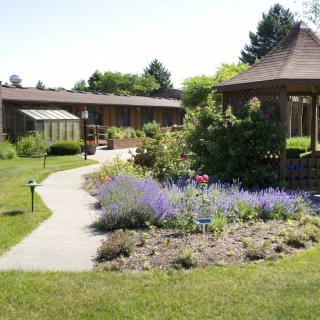
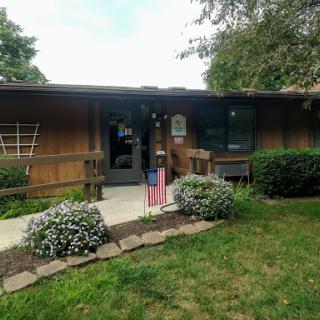
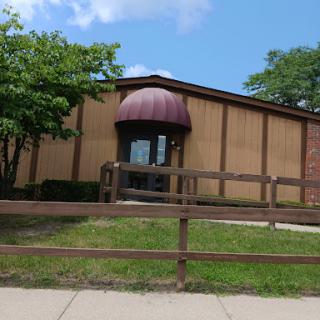
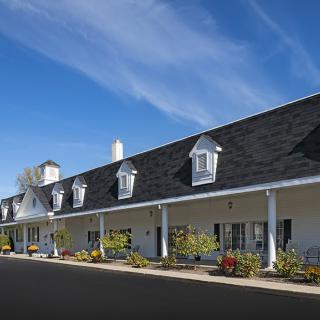
Presbyterian Village Westland on seniors.fyi includes 12 photos including images showing landscaping, building, outdoor, garden, exterior, fence, trees, pathway, and more.
Nearby Communities
Rose Cottage
Westland, MI
3.8 from 100 reviews
$4,897 / month
Comprehensive assisted living with 24/7 supervision and wellness programs.
Ivy Cottage
Westland, MI
3.8 from 120 reviews
$4,897 / month
Clean, well-maintained environment with friendly staff and engaging activities.
Luke Michaels
Garden City, MI
Small, intimate community with personalized care and comprehensive amenities.
Florence Manor
Garden City, MI
Fully furnished apartments with comprehensive assisted living, including meals, 24-hour supervision, medication management, and transportation coordination.
Chateau Cherry Hill Housing
Inkster, MI
2 from 2 reviews
Strong access to healthcare, dining, and transportation nearby.
Clair Home
Inkster, MI
Small, fully furnished assisted living with 24/7 supervision, comprehensive daily living support, and easy access to nearby amenities.
Adams Senior Village
Westland, MI
4.5 from 28 reviews
Well-kept exterior with friendly staff and a front entertainment room.
Thompson Tower Rental Office
Inkster, MI
3 from 102 reviews
Excellent access to nearby amenities (cafes, parks, pharmacies, restaurants, and medical facilities).
Thomas F Taylor Towers
Westland, MI
3.7 from 26 reviews
Friendly staff and a clean, well-maintained community with clear guidelines.
Dementia, influenced by aging and certain medications, may be exacerbated by drug classes such as anticholinergics, benzodiazepines, and antipsychotics, which are associated with cognitive impairment. Regular medication reviews by healthcare professionals are crucial for older adults to manage risks and optimize cognitive health.
Dementia often results in disrupted sleep patterns, leading to excessive daytime sleeping due to factors like brain damage affecting circadian rhythms, medication side effects, and lack of structure in daily activities. Caregivers must monitor these changes closely, as oversleeping can increase risks such as malnutrition or dehydration, and provide necessary support and routines to enhance patient engagement and well-being.
The transition from assisted living to skilled nursing care is often prompted by complex medical needs that assisted living cannot meet, with key indicators including frequent health declines, increased falls, severe memory issues, and caregiver burnout. Families should recognize these signs early to discuss options with healthcare providers and prepare for the emotional and logistical aspects of moving to a facility that offers comprehensive medical support.
Get PricingAsk A QuestionSchedule A TourContact Senior Advisor
By clicking submit, you agree to our Partner's Terms of Use. You
also consent to receive calls and texts, which may be autodialed, from our Partner. Your consent is not a condition to
using our Partner's service. Please visit our Partner's Privacy Policy for information about their privacy practices.






 244 resident community capacity
 1-bedroom apartments
 Assisted Living
 Independent Living
 Memory Care
 Cats allowed
 Dogs allowed
 Activities off-site
 Air-conditioning
 Bath tubs
 Beautician on-site
 Cable or satellite TV
 Computer center
 Devotional services off-site
 Dining room
 Fitness room
 Full kitchen
 Fully furnished
 Gaming room
 Garden
 Ground floor units
 Guest parking
 Handicap accessible
 Housekeeping services
 Indoor common areas
 Laundry
 Move-in coordination
 Outdoor common areas
 Party space
 Private bathrooms
 Respite or short term stays offered
 Restaurant-style dining
 Small library
 Telephone
 Wellness center
 Wheelchair accessible showers
 Wi-Fi/high-speed internet available
 Detroit Metropolitan-Wayne County (7 miles away)
 Community operated transportation
 12-16 hour nursing
 24-hour call system
 Ambulatory care
 Assistance with bathing
 Assistance with dressing
 Assistance with transfers
 Diabetes diet
 Diabetic care
 Incontinence care
 Medication management
 Mental wellness program
 Special dietary restrictions
 Arts and crafts
 Bible study group
 Book club
 Concierge services
 Cooking classes
 Day trips and outings
 Educational speakers / life long learning
 Games
Games Live musical performances
 Comprehensive assisted living with 24/7 supervision and wellness programs.
 A Thorough Discussion of Medications Potentially Linked to Dementia Risk
 Why Do Dementia Patients Sleep So Much? Understanding Oversleeping, Stages, and Care Approaches
 8 Key Indicators That Suggest It May Be Time to Transition from Assisted Living to Skilled Nursing Care