Tatnuck Park At Worcester offers competitive pricing for its residential accommodations when compared to both Worcester County and the broader Massachusetts state averages. For studio apartments, Tatnuck Park's rate of $5,150 is slightly above the county average of $5,109 but notably lower than the state norm of $5,312. Transitioning to one-bedroom units, the community's cost of $5,450 surpasses Worcester County's average of $4,661 while remaining close to Massachusetts' overall average of $5,349. In terms of two-bedroom options, Tatnuck Park stands at $6,500, which is higher than both the county's average of $5,131 and the state average of $6,151. This pricing structure reflects a blend of quality care and amenities that Tatnuck Park At Worcester provides within a vibrant community setting.
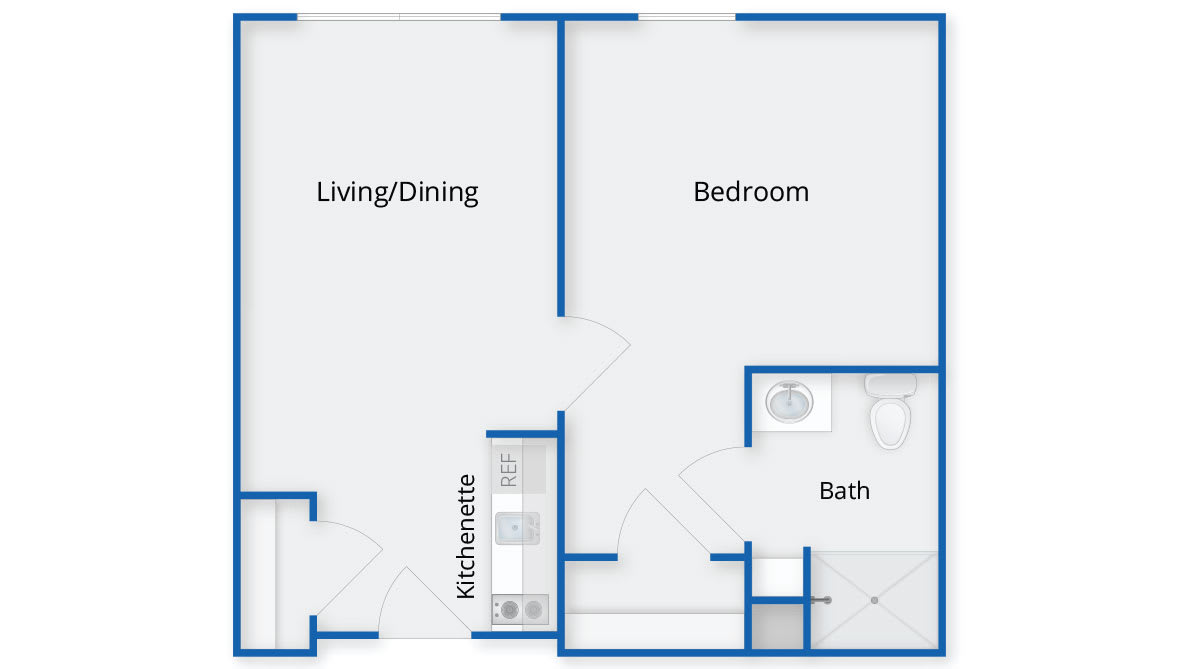
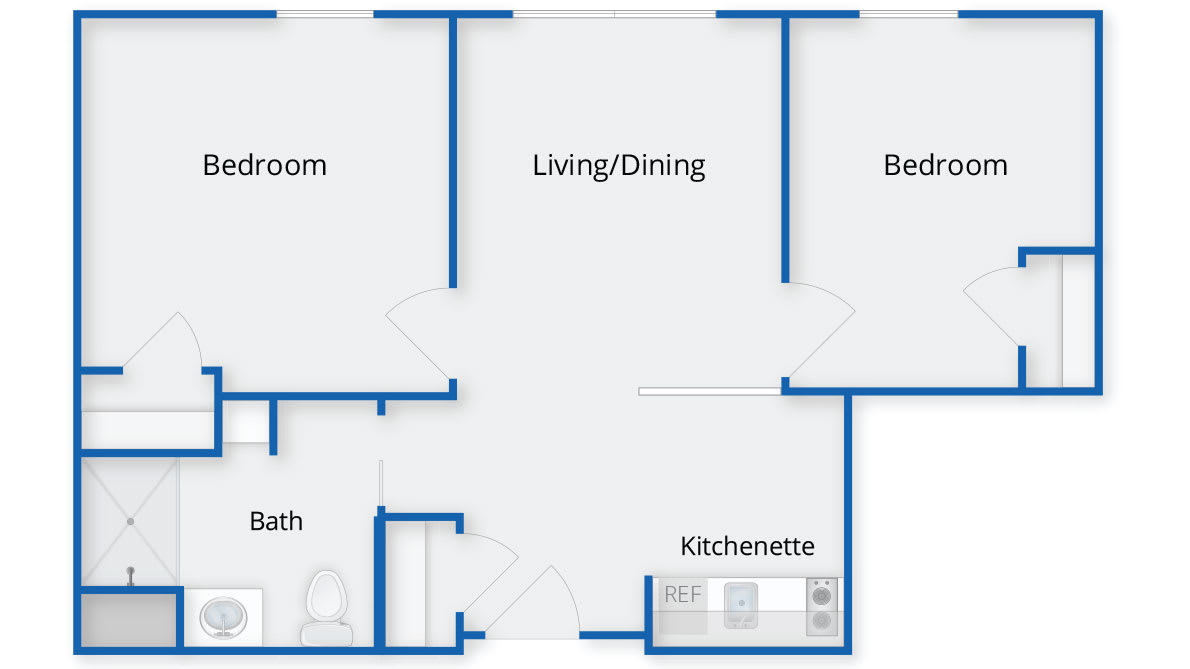
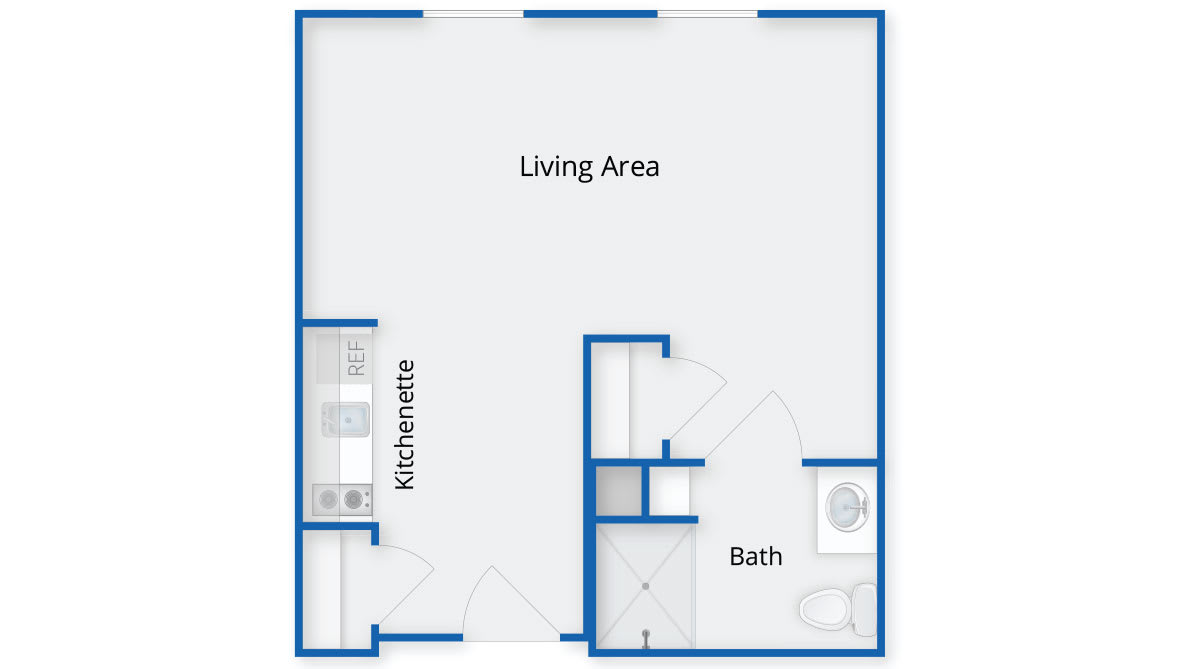
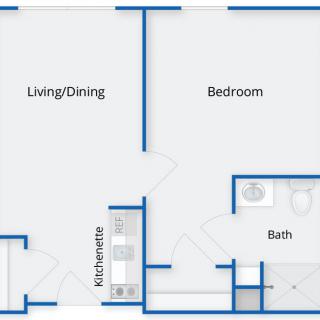
Floor plans
Tatnuck Park At Worcester
Worcester County
Massachusetts
Studio
$5,150
$5,109
$5,312
1 Bedroom
$5,450
$4,661
$5,349
2 Bedrooms
$6,500
$5,131
$6,151
Memory care communities with a similar price nearby
Residents and families describe dementia and memory care as structured, supervised, and individualized.
Several reviews describe choosing Tatnuck Park for secure memory care after a decline, especially when safety, supervision, and daily support were urgent. Families mention staff learning residents’ specific needs, engaging residents in tailored daily activities, and providing consistent support as conditions change. A few reviewers also note that memory care and traditional living are available in the same facility, helping couples stay together while one spouse needs different support. One family describes a transition that included day programming, then increasing support as needs grew, with staff helping make it possible to remain in the building.
common14 reviews mention this
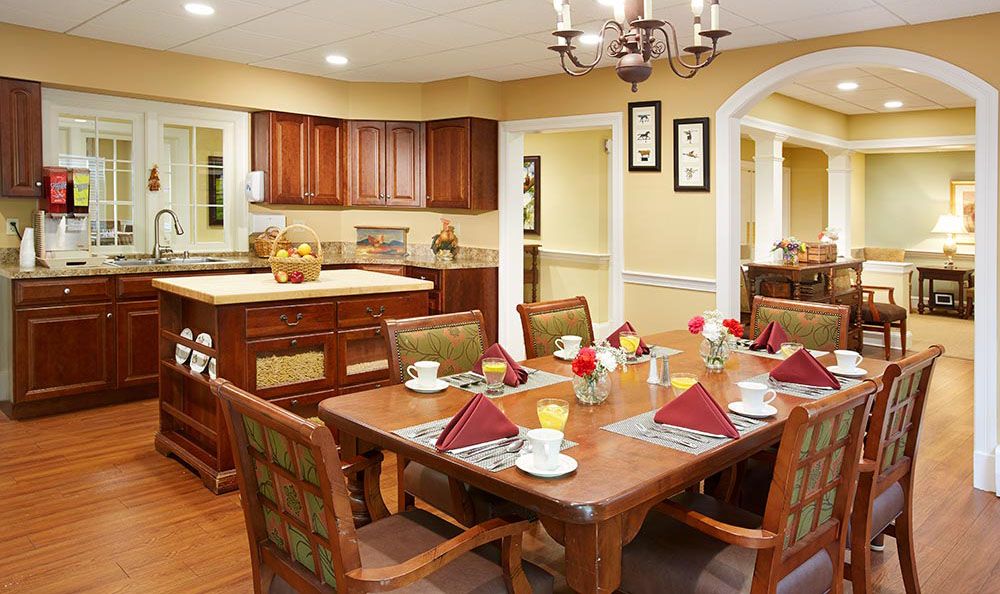
Dining is repeatedly praised
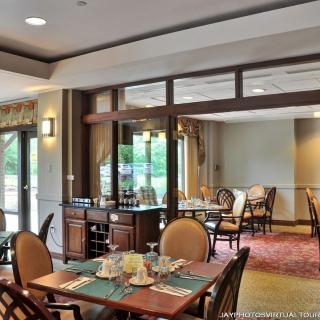
Dining stands out in reviews, with residents and families describing meals as appealing and satisfying.
Across reviews, families and residents frequently bring up food, describing the meals as delicious, appealing, or improving appetite and nutrition. Some note restaurant-style dining and room-service-style convenience, plus dietary support being available when needed. In the tours, reviewers also describe enjoying the menu and the dining room experience, including special touches tied to meals and seasons. Even when a review has other concerns, multiple people still describe the food positively.
common22 reviews mention this
Care is personalized and attentive
Care quality shows up in reviews as attentive, individualized, and focused on day-to-day needs.
Many reviews emphasize that staff understand residents as individuals and respond to changing needs, from helping with daily routines to coordinating support around health. Families describe residents becoming happier, more independent, or more engaged after moving in, with communication and responsiveness often singled out. Several mention medication management and help with personal care, and a few describe support during transitions such as moving in, rehab, or increasing assistance needs. One reviewer specifically flags that nursing/administration communication can be poor, but most comments describe care as reliable and safety-focused.
caveat9 reviews mention this
It can be expensive
Pricing is a recurring drawback, with multiple reviewers calling the community costly.
Cost comes up repeatedly, with reviewers describing the overall price as steep and expensive relative to what they expected. Some note that not everything is included in one price, while others say the cost felt difficult even though they were generally satisfied with care and the facility. A few reviewers connect the expense to their personal fit, suggesting it is best suited for families who can afford the rates. Even positive reviews often add that it is not cheap.
common18 reviews mention this
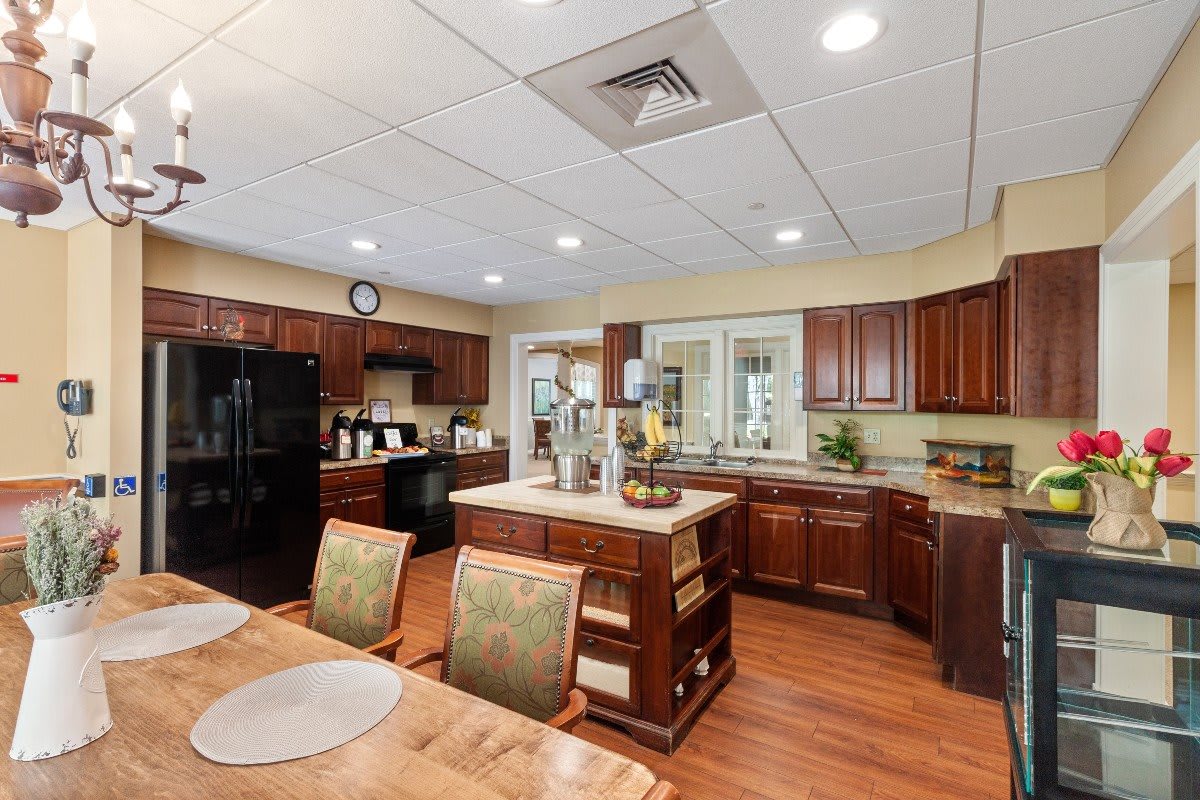
Facility is clean and well kept
Reviews commonly highlight cleanliness, upkeep, and a maintained, comfortable environment.
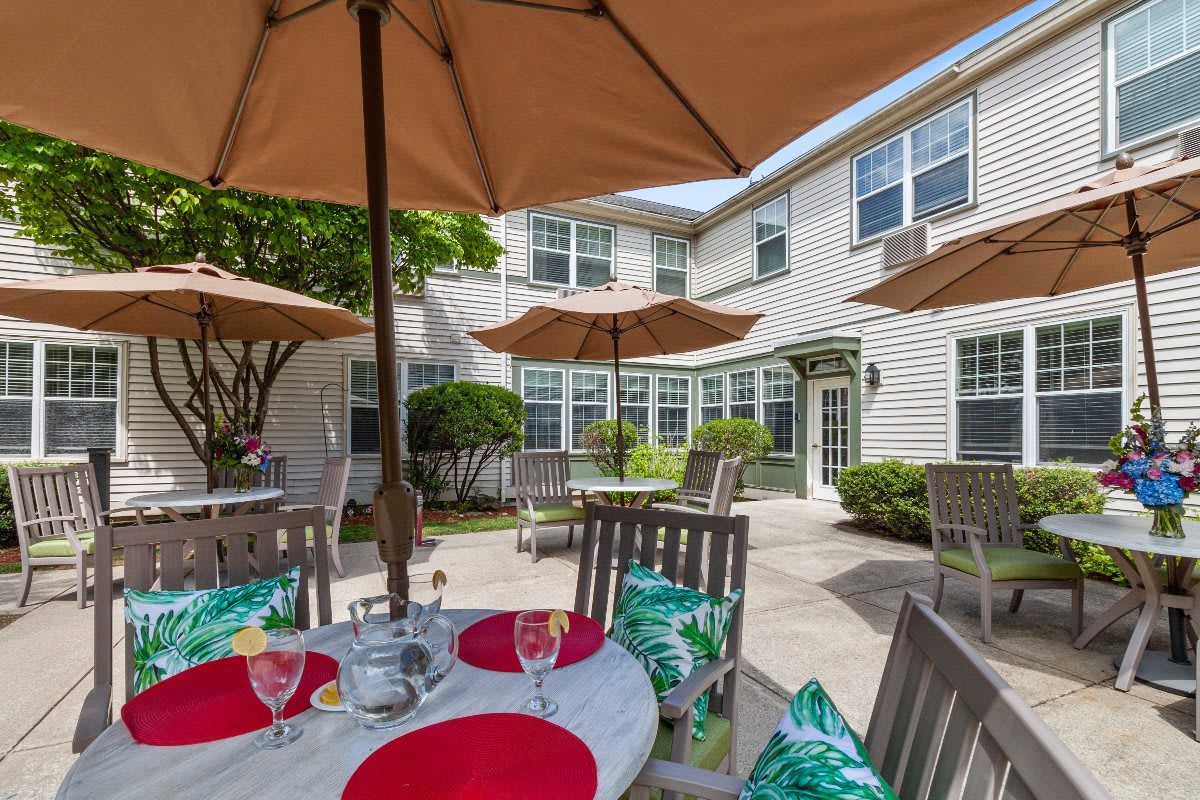
A large number of reviews describe Tatnuck Park as clean, orderly, and exceptionally maintained, including common areas and resident spaces. Multiple reviewers also comment on comfort and atmosphere, often contrasting it with more institutional settings they’ve seen elsewhere. During tours, people mention well-kept grounds, updated or refurbished spaces, and inviting common areas for gathering. While a couple of reviews point to specific concerns, the cleanliness theme stays consistently positive.
How we summarize
Counts show how many written reviews mention each theme; a review can touch several themes, and only frequently mentioned themes are displayed.
Features
Housing
76 resident community capacity
1-bedroom apartments
2-bedroom apartments
Studio apartments
Types of Care
Assisted Living
Memory Care
Pets
Cats allowed
Dogs allowed
Amenities
Activities off-site
Activities on-site
Air-conditioning
Beautician on-site
Beauty salon
Cable or satellite TV
Computer center
Devotional services off-site
Devotional services on-site
Dining room
Financing advice
Fitness room
Fully furnished
Gaming room
Garden
Ground floor units
Guasts at mealtime
Guest parking
Handicap accessible
Housekeeping services
Indoor common areas
Kitchenette
Laundry
Move-in coordination
Outdoor common areas
Outdoor patio
Outdoor space
Overnight guests
Party space
Private bathrooms
Private cleaning services
Resident parking
Respite or short term stays offered
Restaurant-style dining
Small library
TV room
Telephone
VA Benefits Consultation
Wellness center
Wheelchair accessible showers
Wi-Fi/high-speed internet available
Transportation
Worcester Regional (2 miles away)
Community operated transportation
Transportation & parking
Transportation arrangement
Transportation arrangement (non-medical)
Transportation to doctors appointments
Care Services
12-16 hour nursing
24-hour call system
24-hour supervision
Activities of daily living assistance
Assistance with bathing
Assistance with dressing
Assistance with transfers
Coordination with health care providers
Dementia waiver
Diabetes diet
Diabetic care
Hospice waiver
Incontinence care
Meal preparation and service
Medication management
Mental wellness program
Mild cognitive impairment
Personal care assistants
Special dietary restrictions
Specialized memory care programming
Transportation arrangement (medical)
Transportation to doctors appointments
Dining
Anytime dining
Diabetes diet
Low / no sodium
Low fat
Meals provided
No Sugar
Professional chef
Restaurant style dining
Room service
Special dietary restrictions
Special dining programs
Activities
Activities off-site
Art classes
Arts and crafts
Book club
Catholic services
Community-sponsored activities
Concierge services
Cooking classes
Cooking club
Day trips and outings
Devotional activities offsite
Devotional activities on-site
Educational speakers / life long learning
Fitness programs
Games
Gardening club
Happy hour
Live musical performances
Live well programs
Other religious services
Planned day trips
Religious services
Resident-run activities
Scheduled daily activities
Stories
Visiting chaplain or priest
Yoga / chair yoga
Languages Spoken
English
Nearby Places of Interest
This part of Worcester, Massachusetts, offers a range of amenities that cater to the needs of seniors. With several pediatricians and medical facilities nearby, residents can easily access healthcare services. There are also a variety of restaurants and cafes within a short distance, providing convenient dining options. The presence of parks such as Beaver Brook Park and Elm Park offers opportunities for outdoor recreation and relaxation. Additionally, pharmacies and places of worship are easily accessible in the area. Transportation options, including Webster Square Station, make it convenient for seniors to travel around the city. St Vincent Hospital and other medical centers are close by for any emergency medical needs. Overall, this neighborhood provides a well-rounded environment for seniors seeking a comfortable and convenient place to live in Worcester.
Physicians
Chandler Pediatrics (0.6 miles)
Courtland Yard Pediatrics (0.8 miles)
Fallon May Street (0.9 miles)
Advanced Dermatology (1.2 miles)
John Giordano, DMD (1.2 miles)
Eyes on Worcester (1.3 miles)
Haelen medical Dr Zamansky (1.3 miles)
Restaurants
McDonald's (0.7 miles)
Nancy Chang (0.8 miles)
Popeyes Louisiana Kitchen (1.7 miles)
The Boynton (1.7 miles)
McDonald's (1.8 miles)
Chipotle Mexican Grill (1.8 miles)
Armsby Abbey (2.1 miles)
Cafes
NU Cafe (0.9 miles)
Bean Counter (1.9 miles)
Fuel America (2.1 miles)
Fuel America (2.2 miles)
Starbucks (2.4 miles)
Panera Bread (2.4 miles)
In House Coffee (3 miles)
Parks
Beaver Brook Park (1.1 miles)
Elm Park (1.3 miles)
Hadwen Park (2.4 miles)
Green Hill Park (3 miles)
Lake Park (4.4 miles)
Pharmacies
Walgreens (1.2 miles)
CVS Pharmacy (2.3 miles)
Orachrom (2.4 miles)
CVS Pharmacy (2.7 miles)
Walgreens (2.8 miles)
CVS Pharmacy (3.5 miles)
Walgreens (3.6 miles)
Places of Worship
St Spyridon Cathedral Special Events Committee (1.4 miles)
St Andrew the Apostle Mission (1.4 miles)
Our Lady of The Rosary Rectory & Main Number (3.6 miles)
Transportation
Webster Square Station (1.9 miles)
Hospitals
St Vincent Hospital (2.3 miles)
Saint Vincent Hospital (2.3 miles)
Nahtm (2.5 miles)
UMass Interventional Radiology (2.5 miles)
Worcester Recovery Center And Hospital (3.7 miles)
Tatnuck Park At Worcester offers competitive pricing for its residential accommodations when compared to both Worcester County and the broader Massachusetts state averages. For studio apartments, Tatnuck Park's rate of $5,150 is slightly above the county average of $5,109 but notably lower than the state norm of $5,312. Transitioning to one-bedroom units, the community's cost of $5,450 surpasses Worcester County's average of $4,661 while remaining close to Massachusetts' overall average of $5,349. In terms of two-bedroom options, Tatnuck Park stands at $6,500, which is higher than both the county's average of $5,131 and the state average of $6,151. This pricing structure reflects a blend of quality care and amenities that Tatnuck Park At Worcester provides within a vibrant community setting.
Tatnuck Park at Worcester's comprehensive array of features is specifically designed to enhance the quality of life for residents with memory challenges. The 24-hour supervision ensures a safe environment, while assistance with activities of daily living--including bathing and dressing--promotes dignity and independence. Coordination with healthcare providers allows for tailored medical care, addressing individual needs through specialized programs aimed at supporting those with mild cognitive impairment or more advanced stages of dementia. Incontinence care and meal preparation focus on comfort and nutrition, vital aspects of wellbeing. Medication management helps maintain health stability, while mental wellness programs foster cognitive engagement and emotional support. Specialized memory care programming further enriches residents' experiences, encouraging social interaction and mental stimulation. Additionally, transportation arrangements facilitate medical visits, ensuring that all health concerns are properly managed without added stress for families or residents.
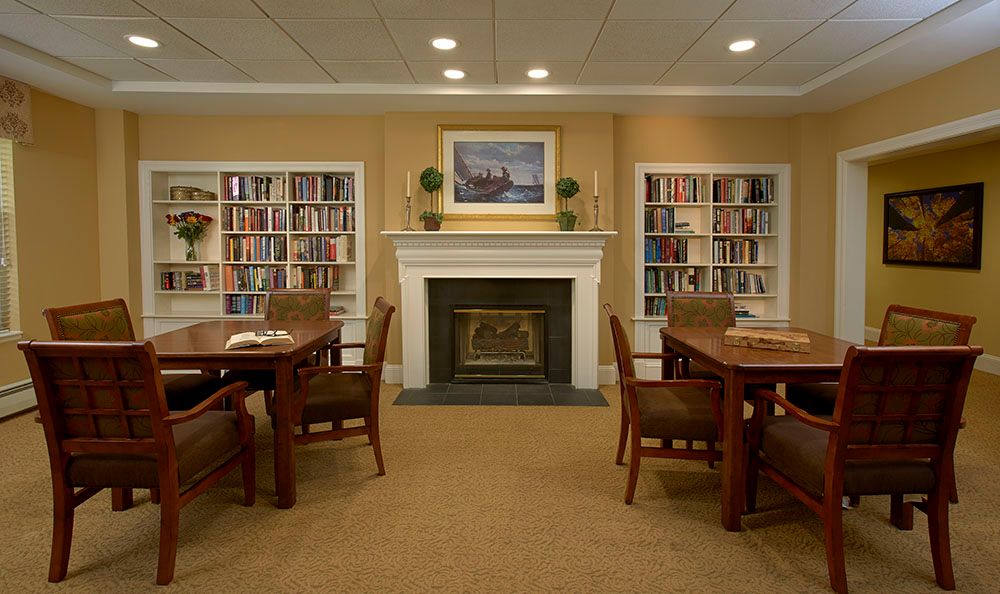
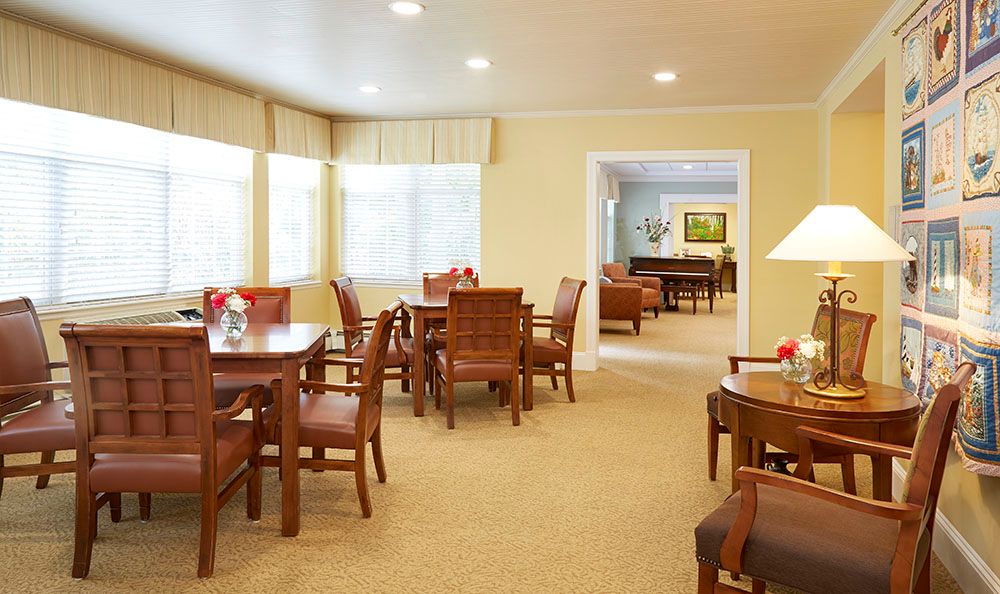
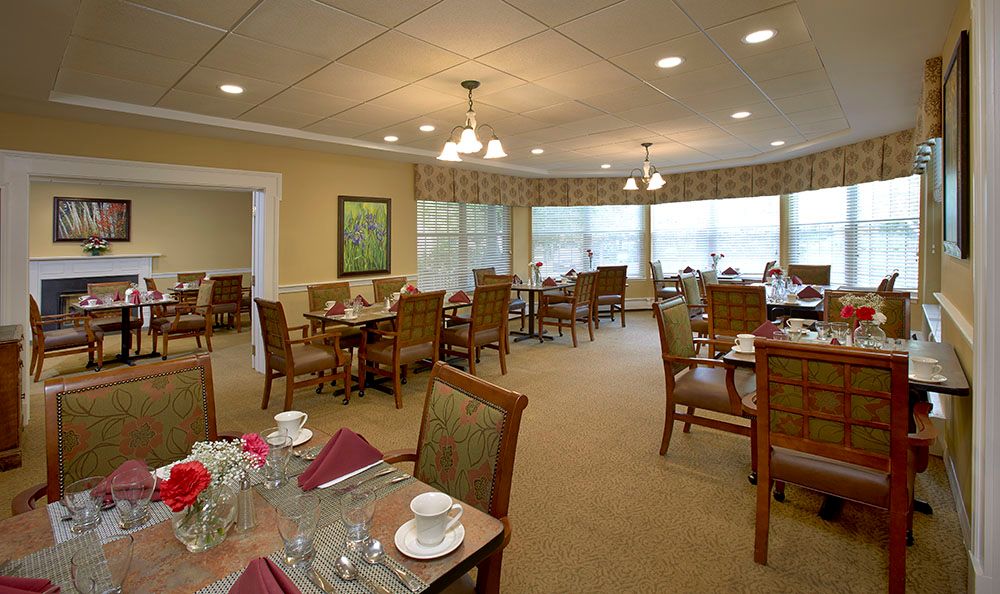
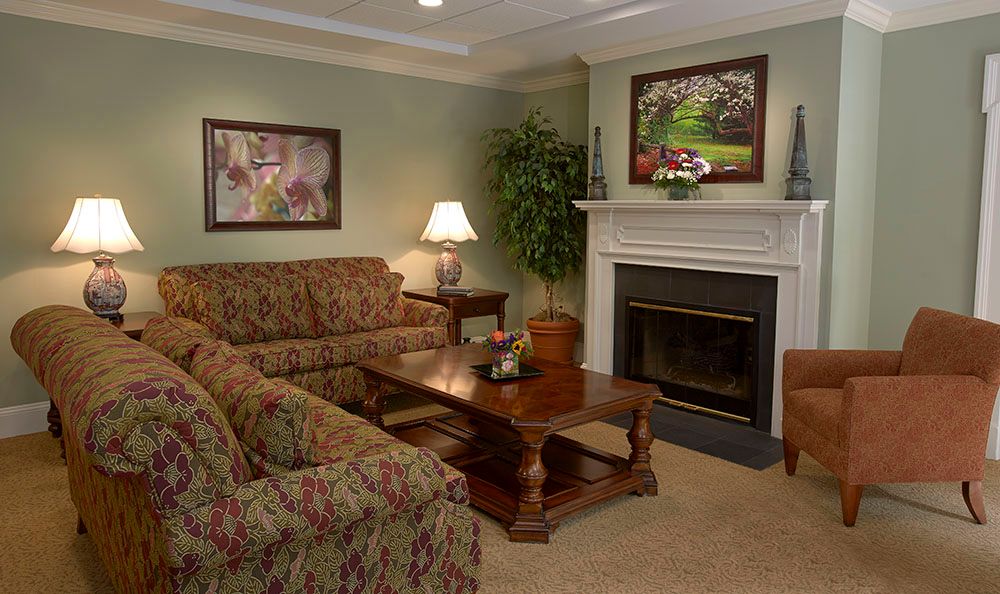
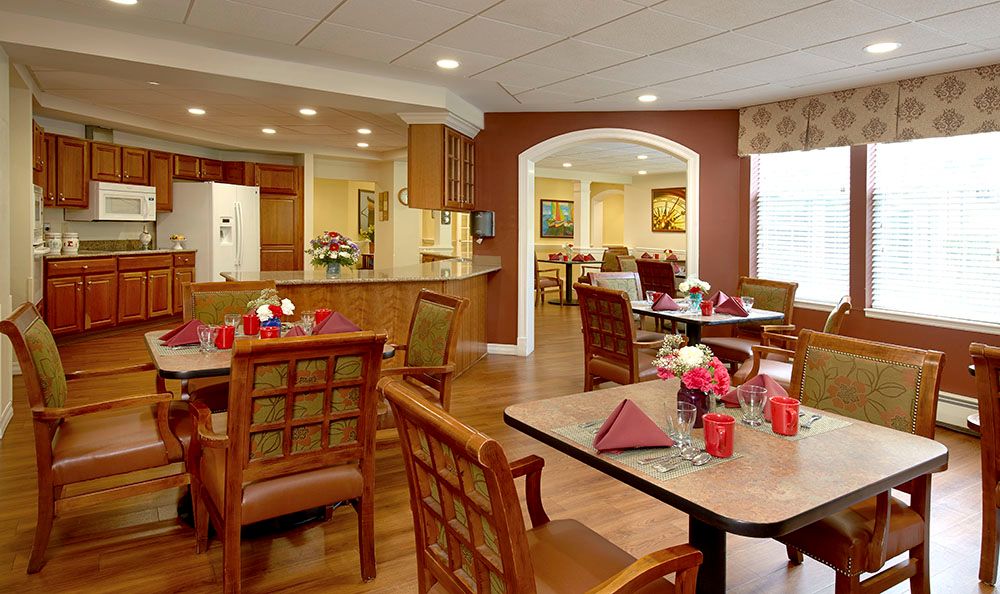
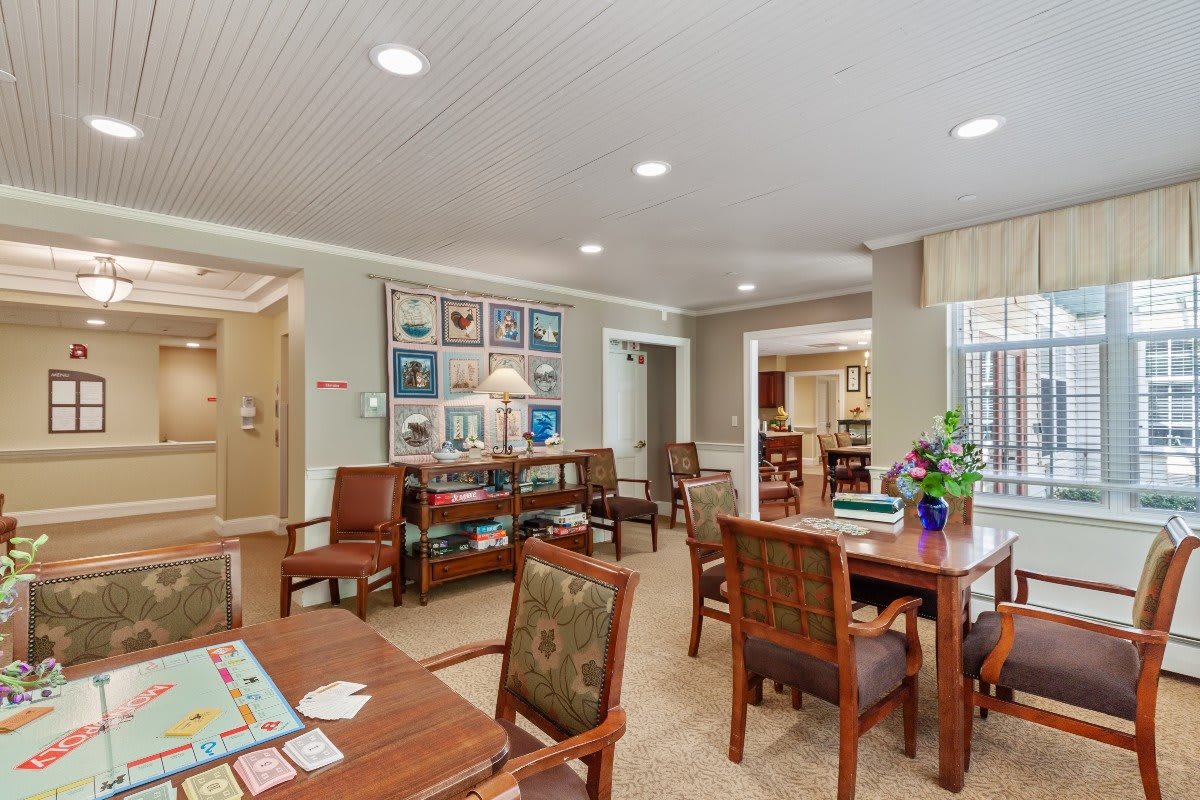
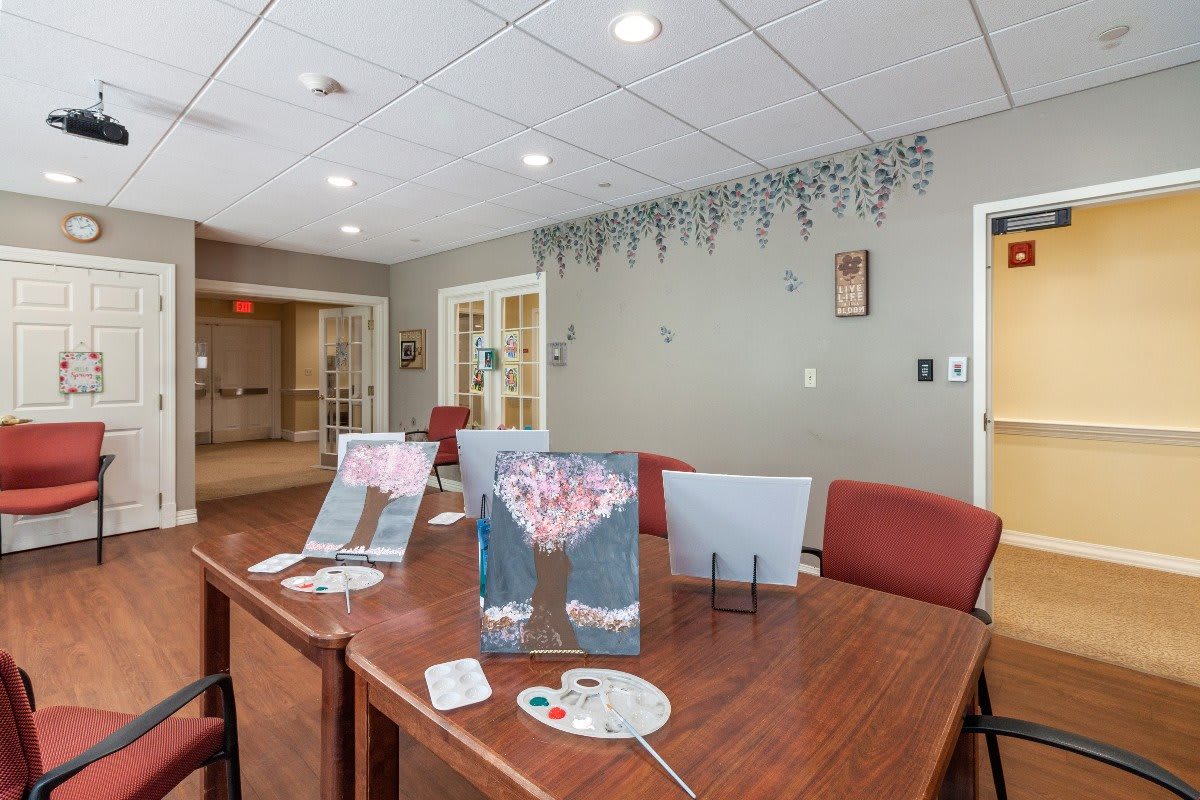
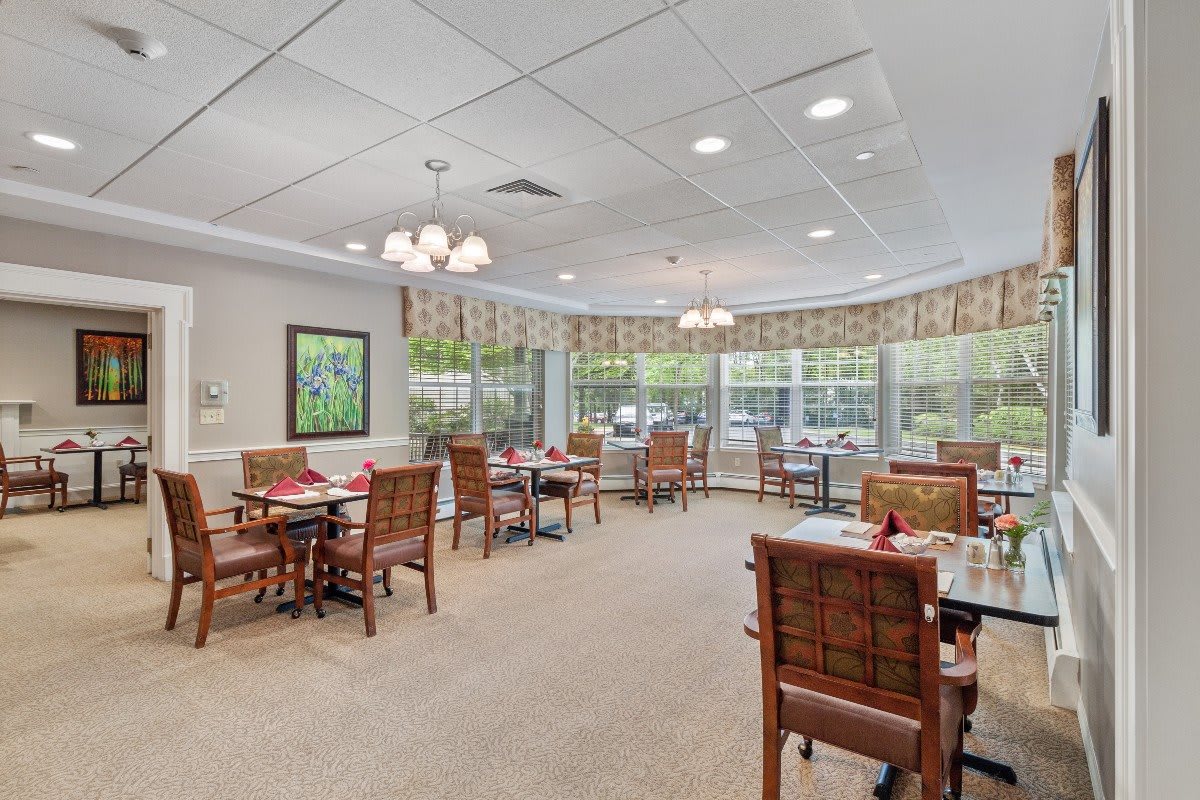
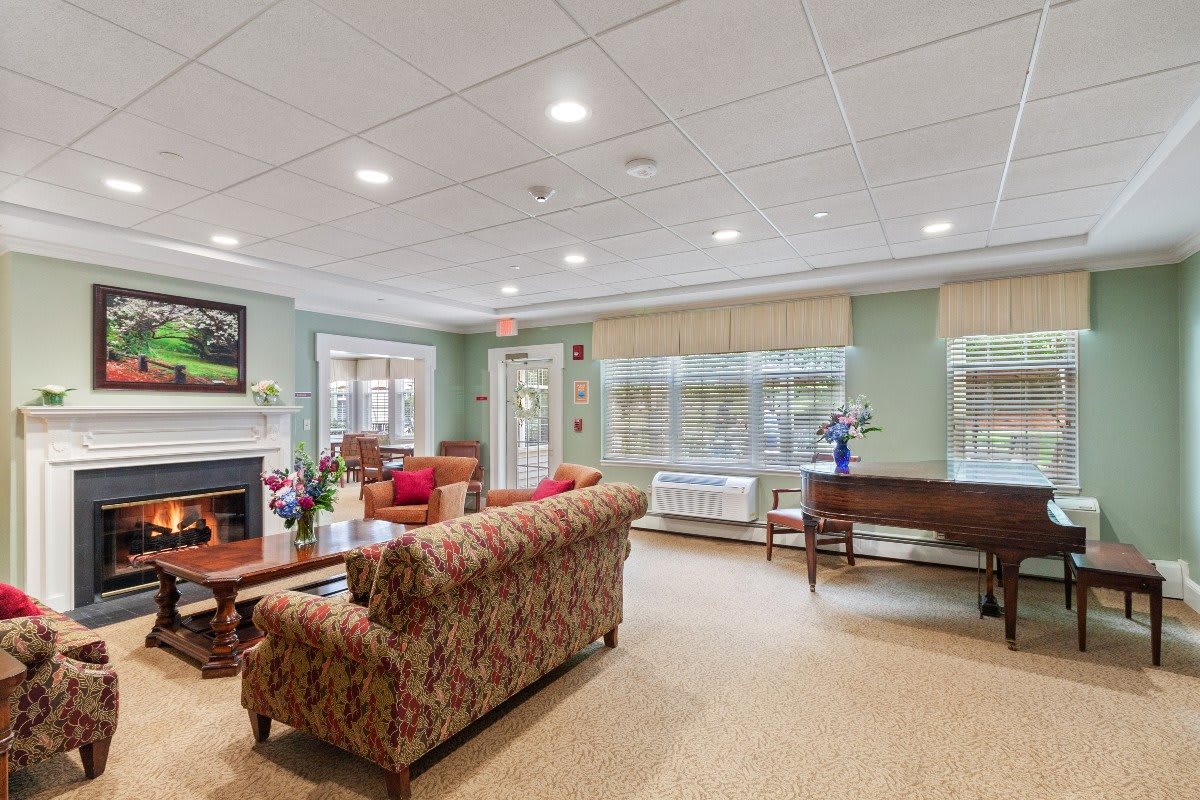
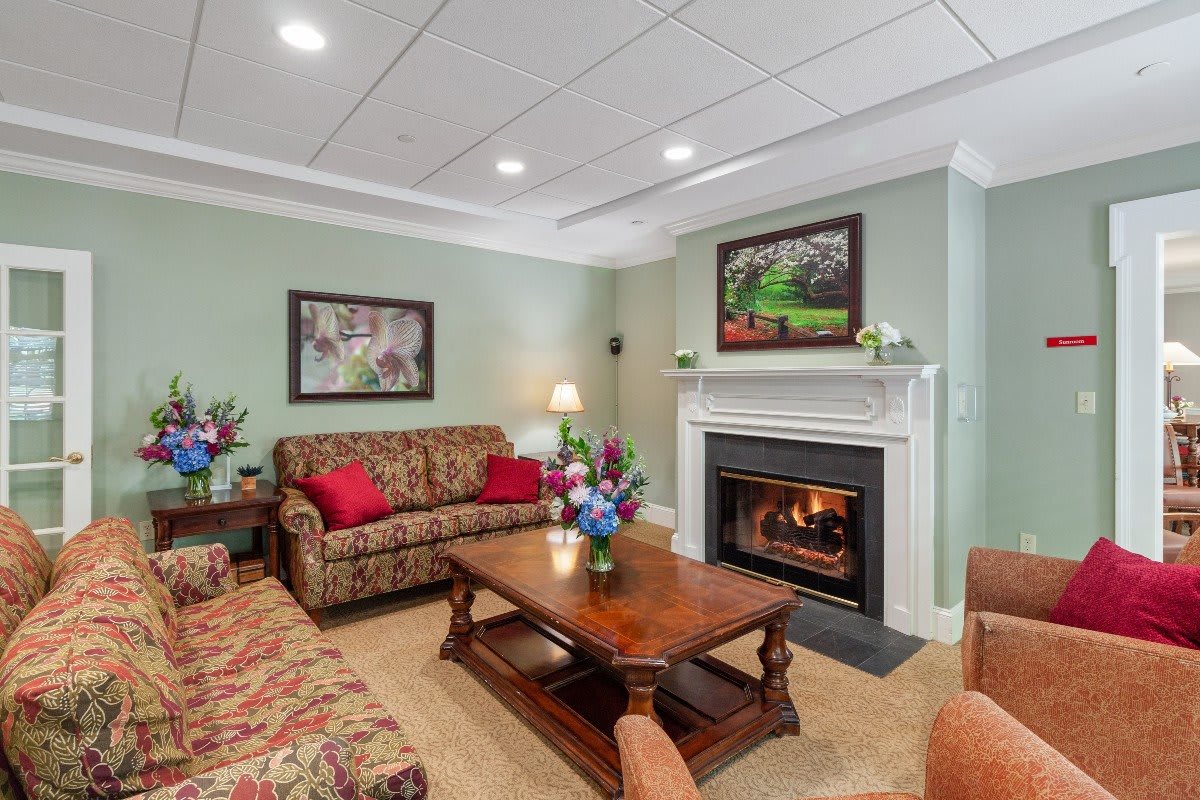
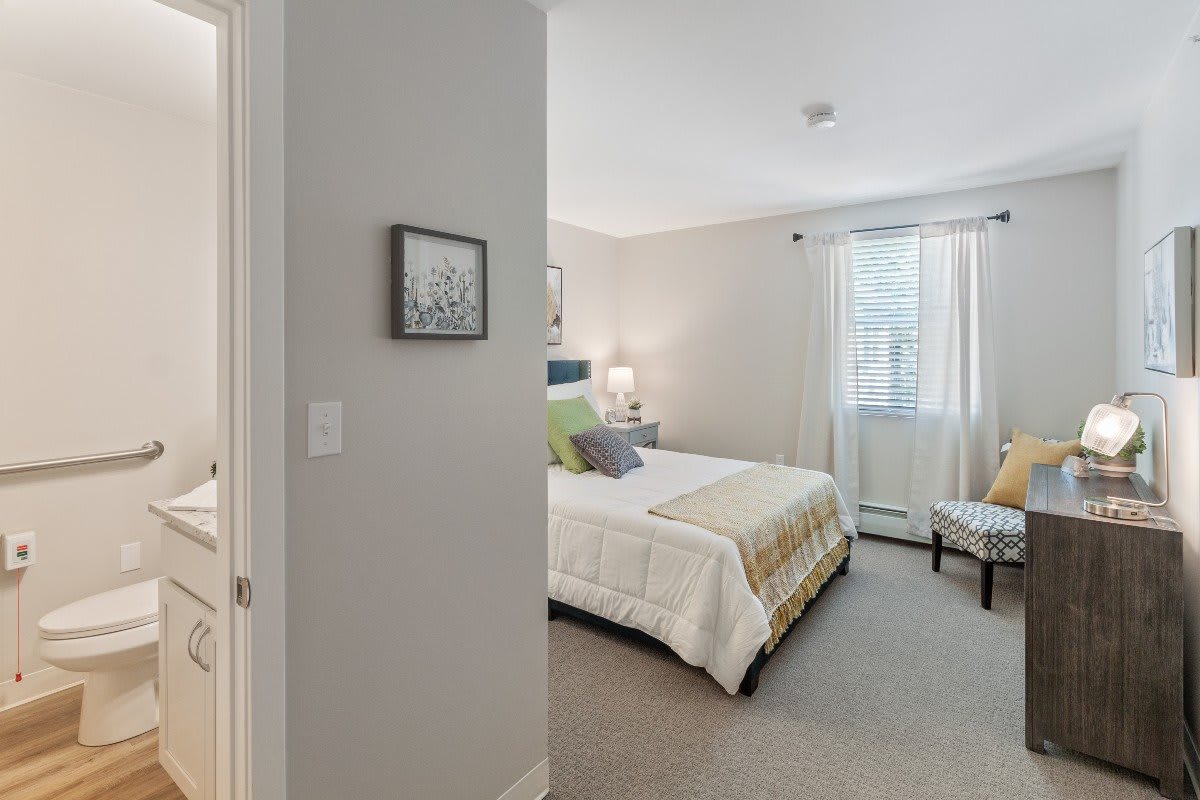
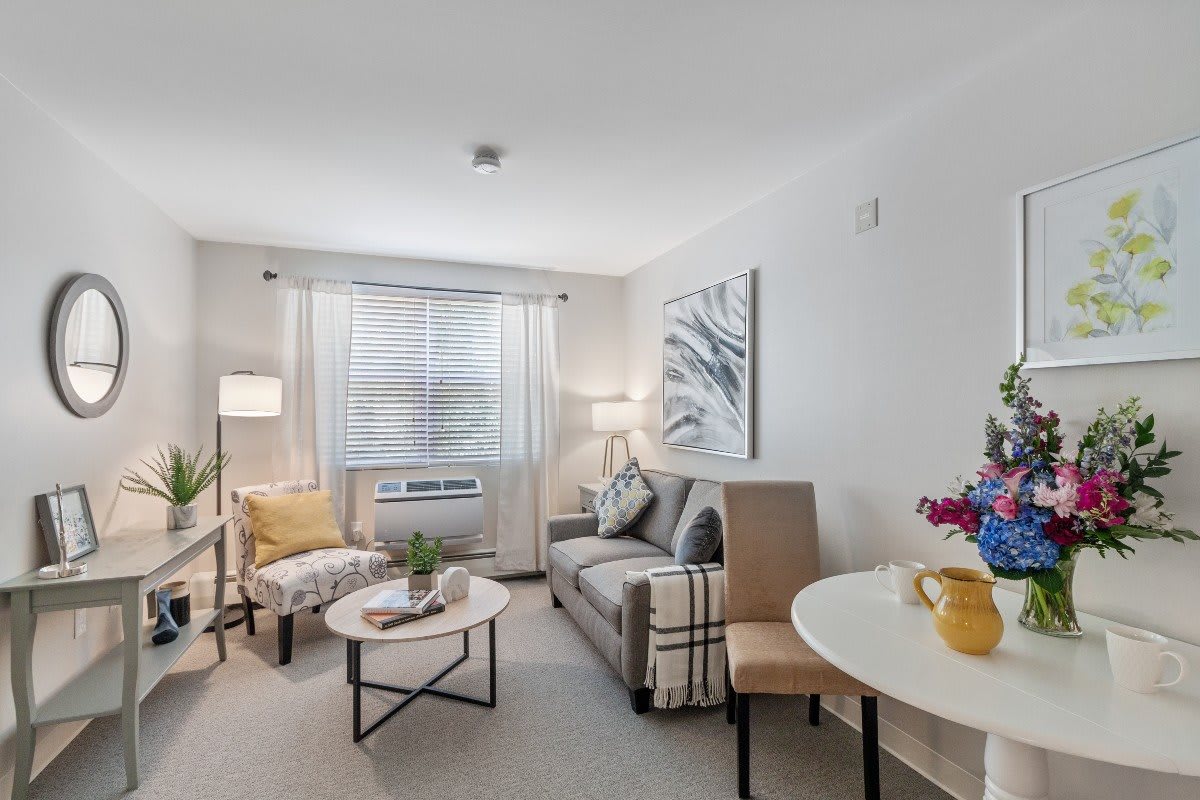
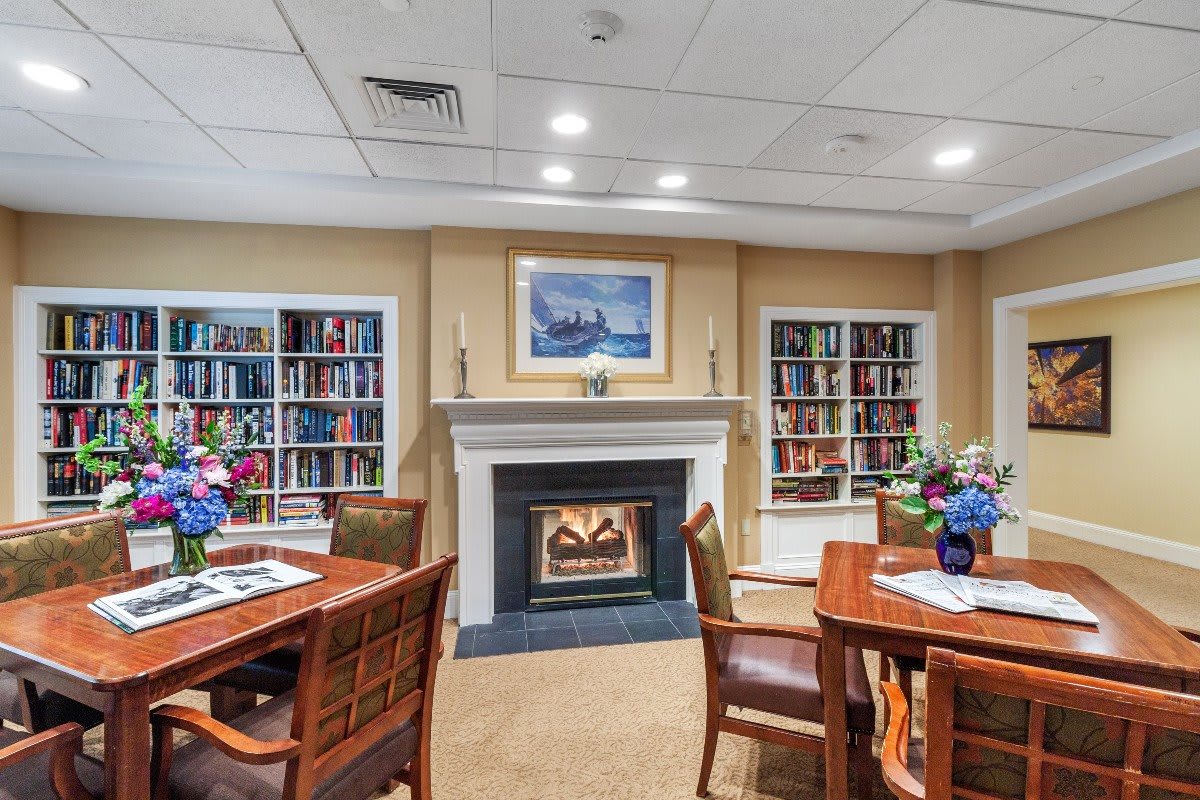
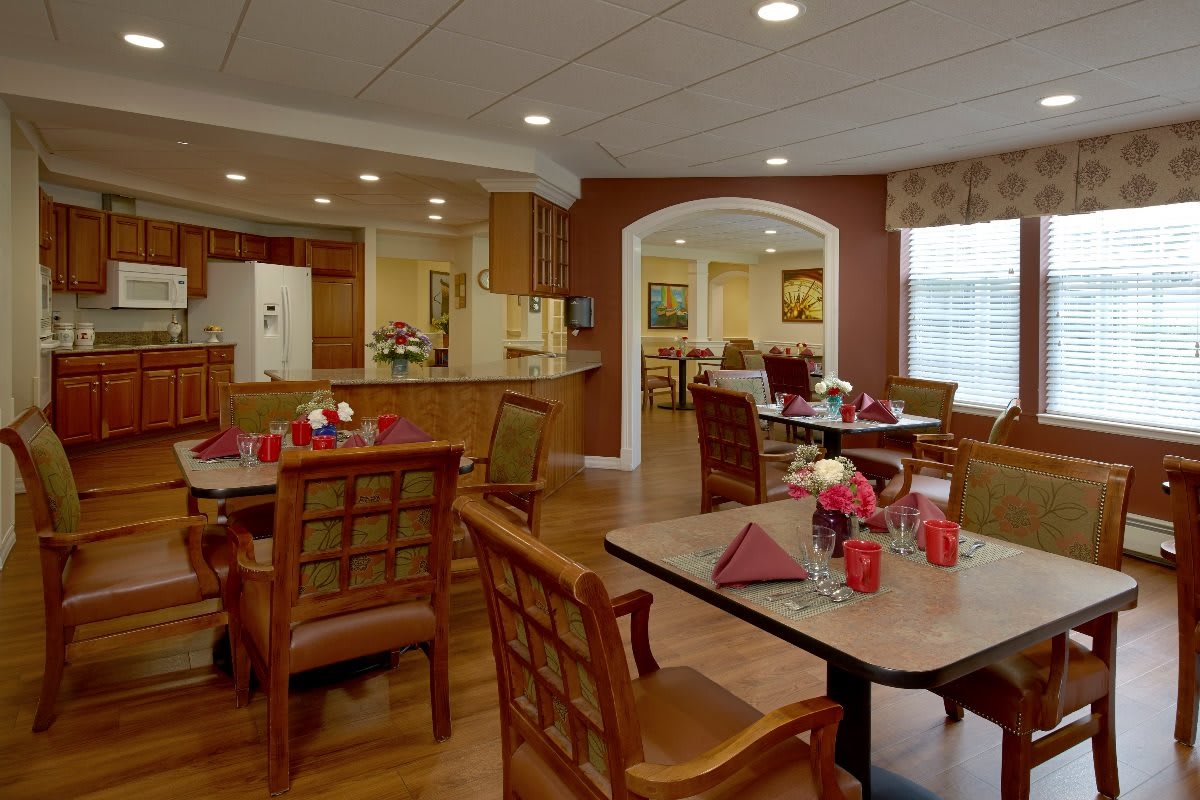
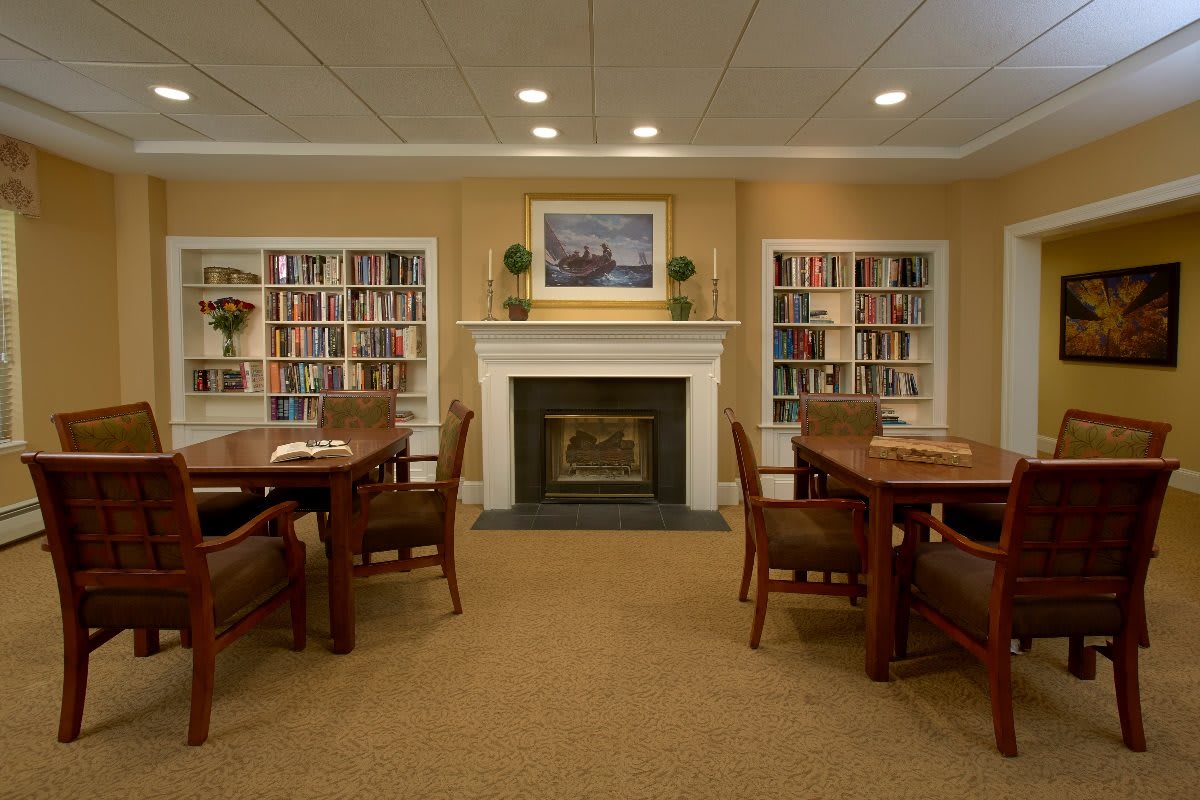
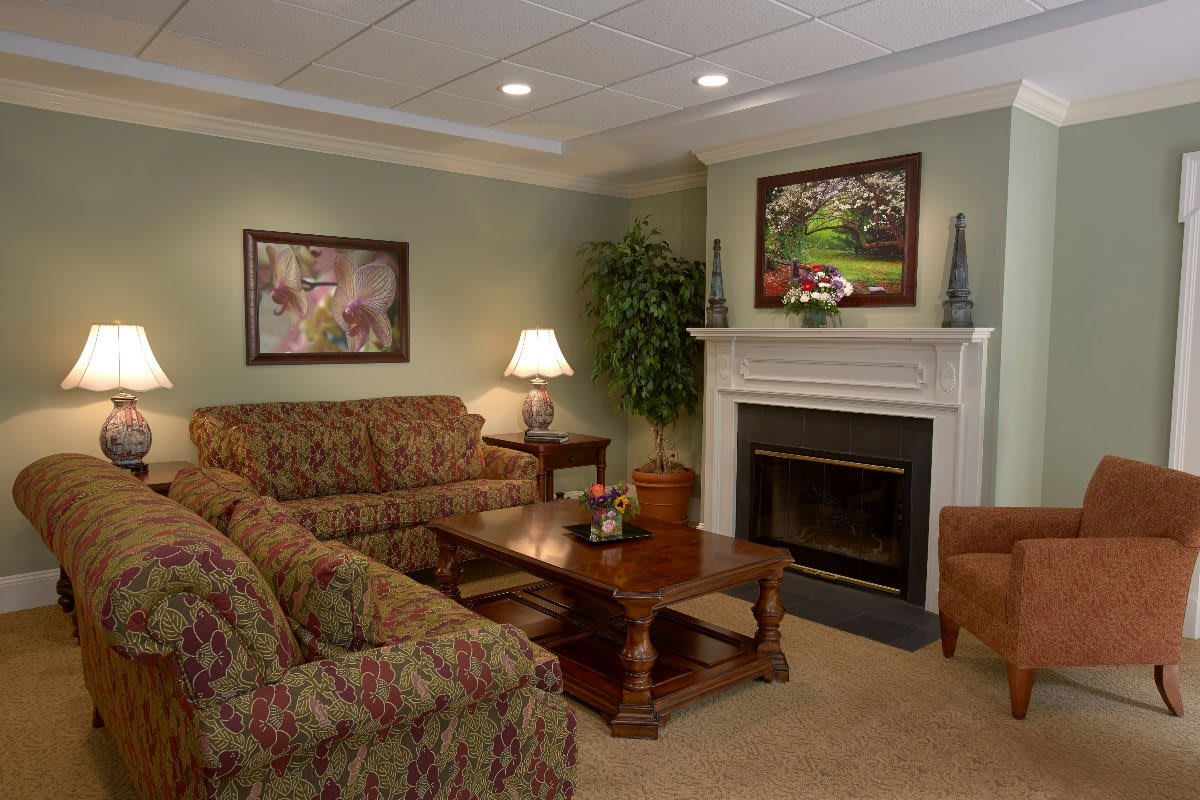
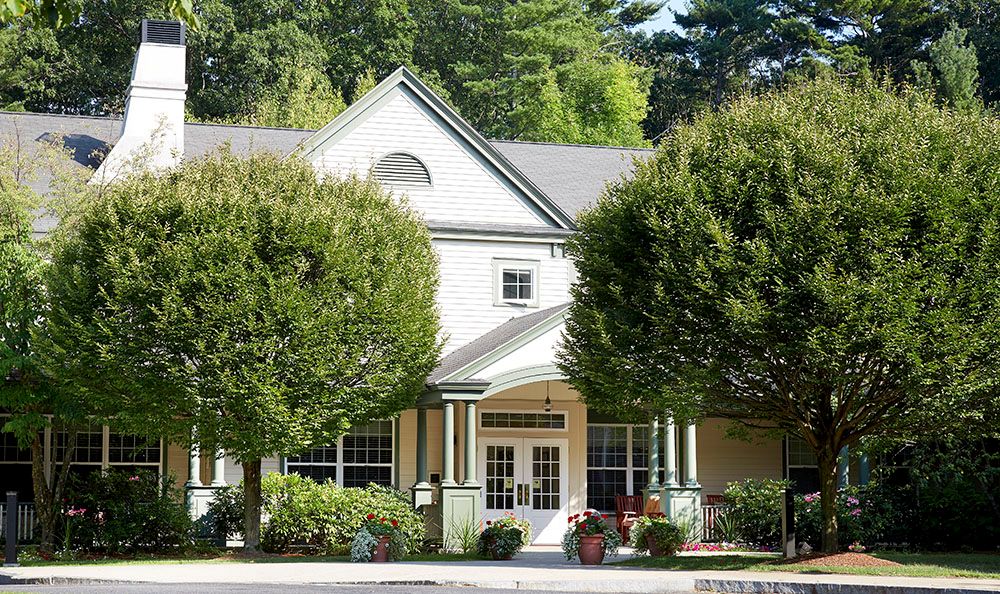
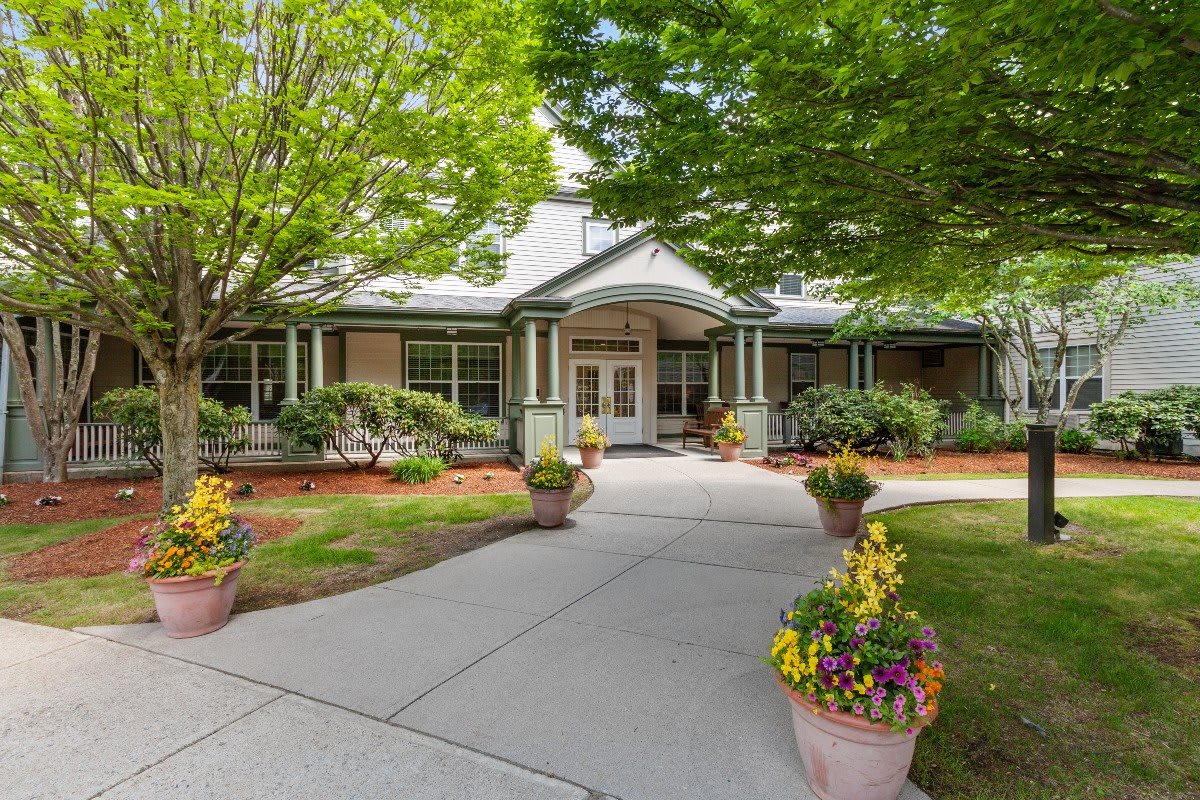
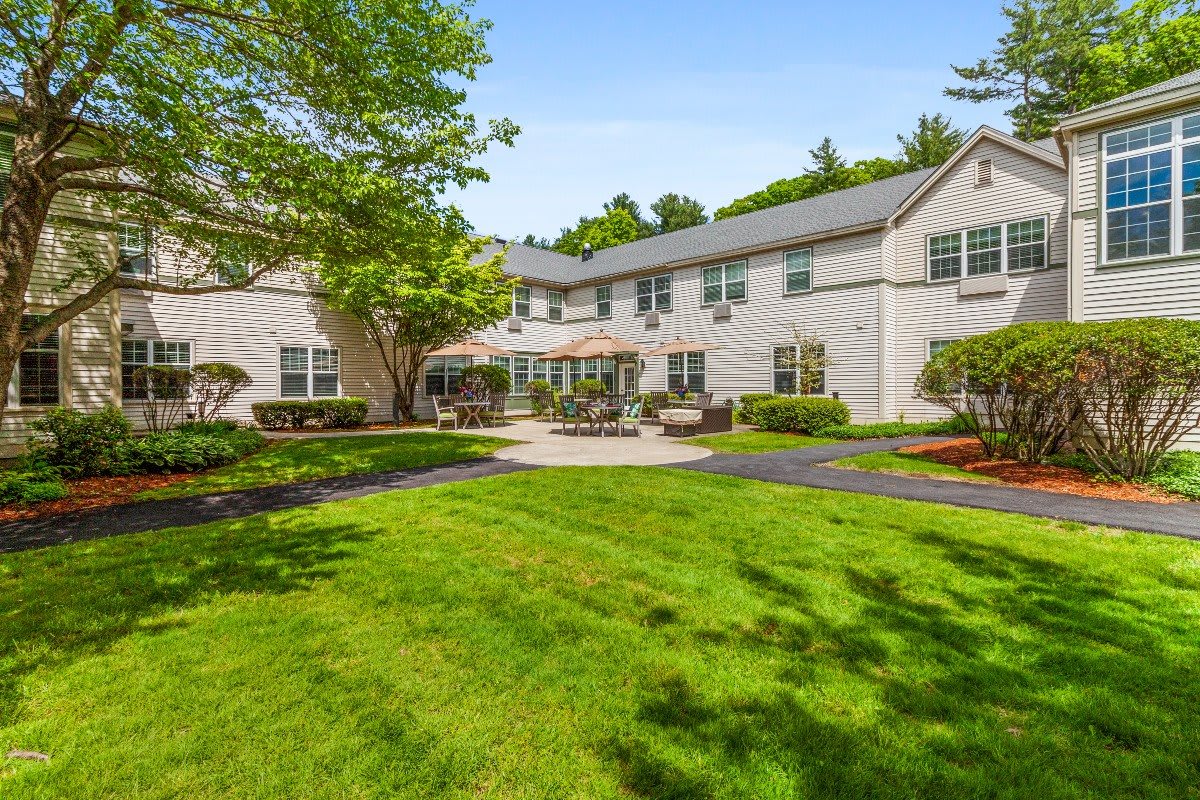
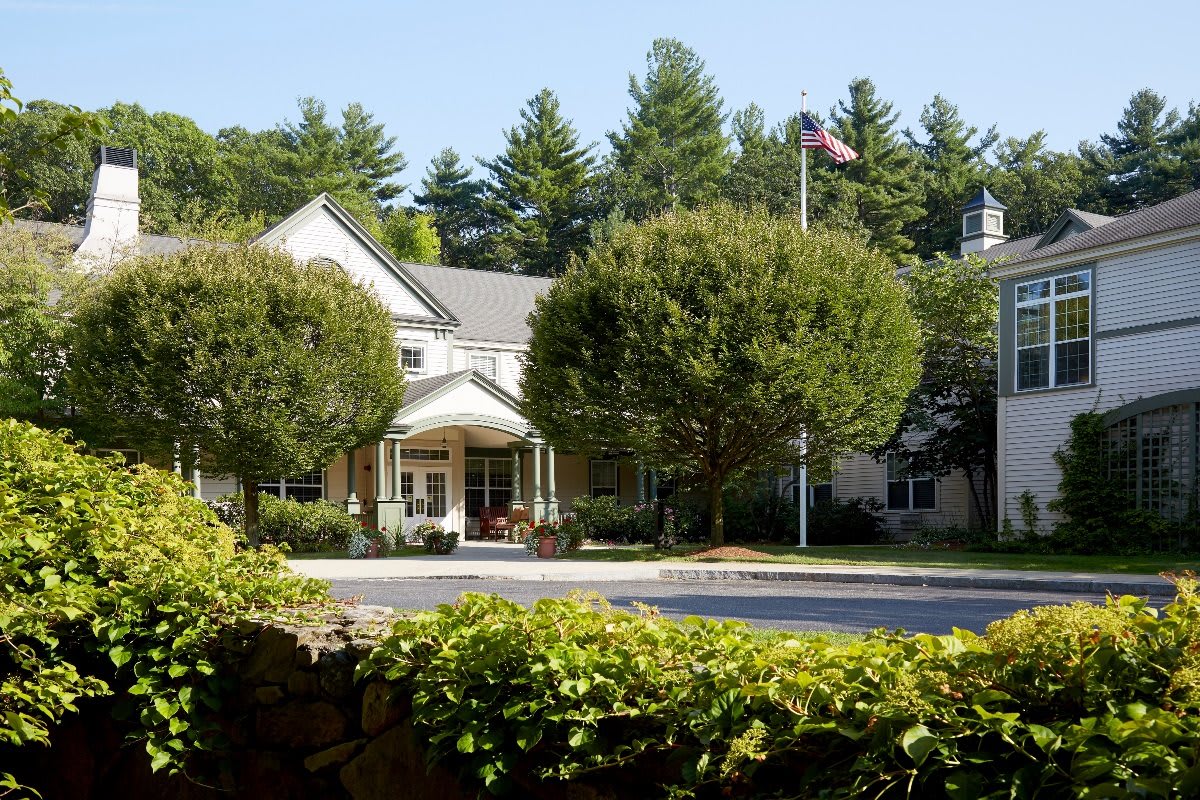
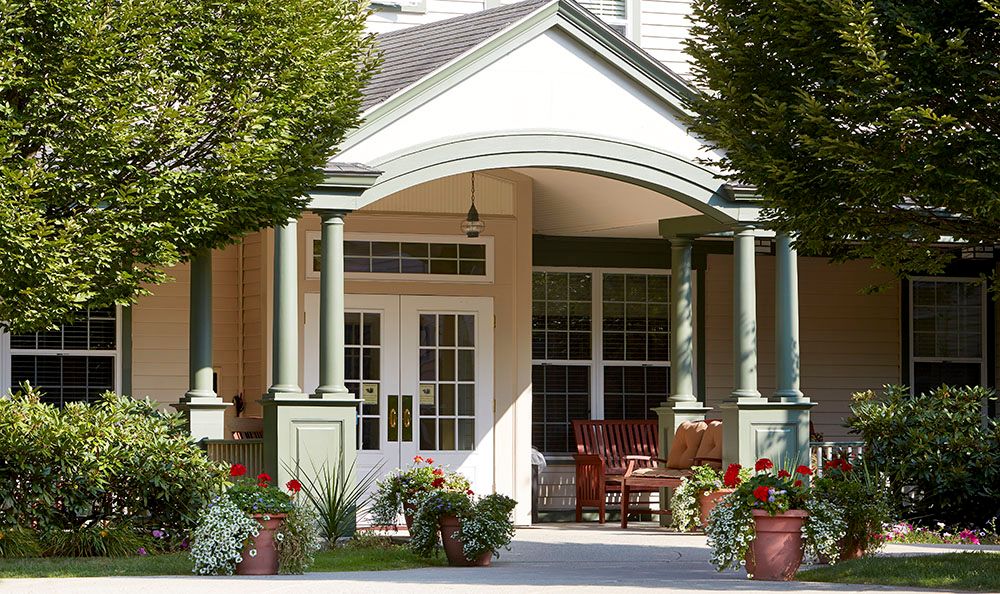
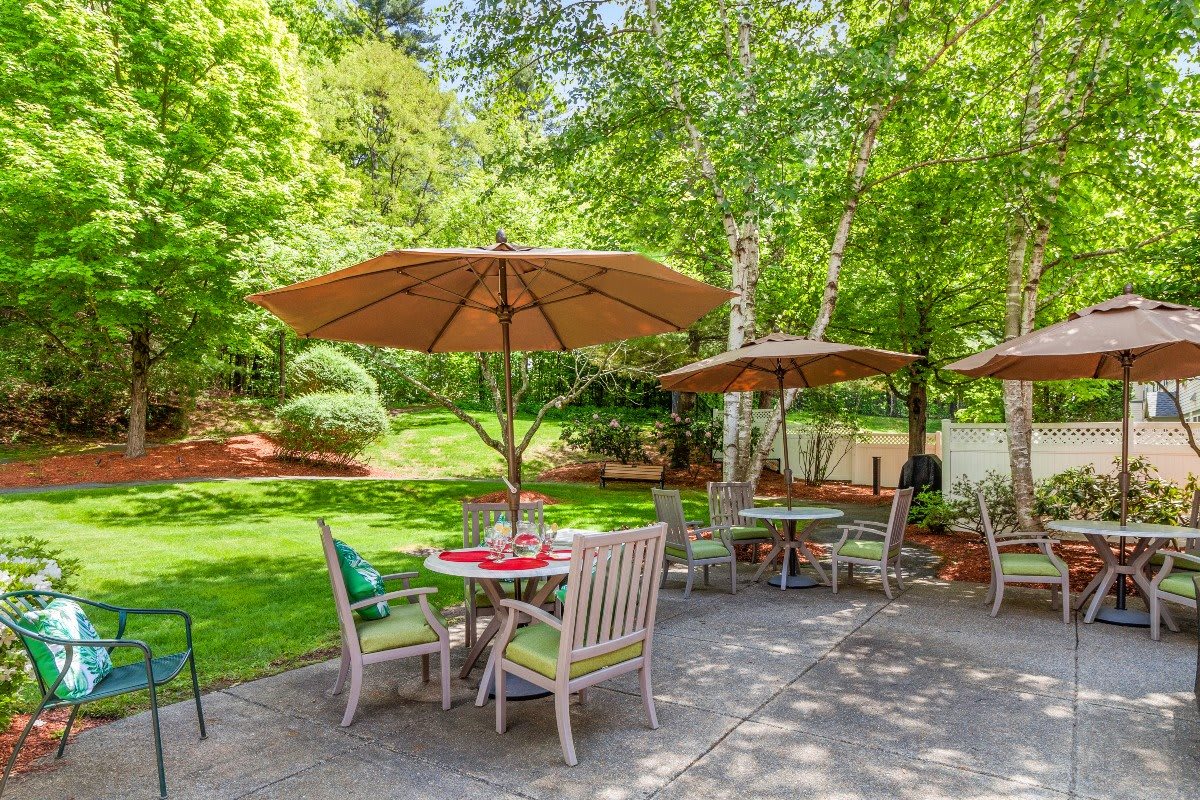
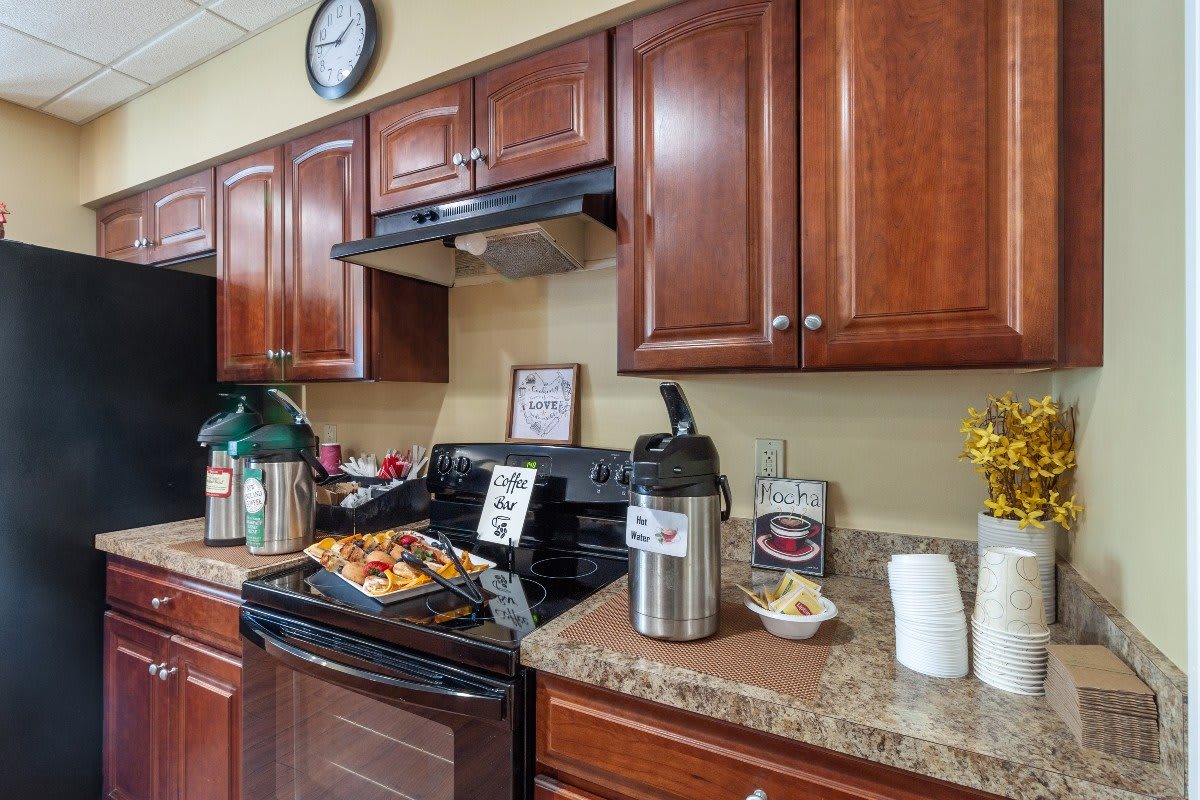
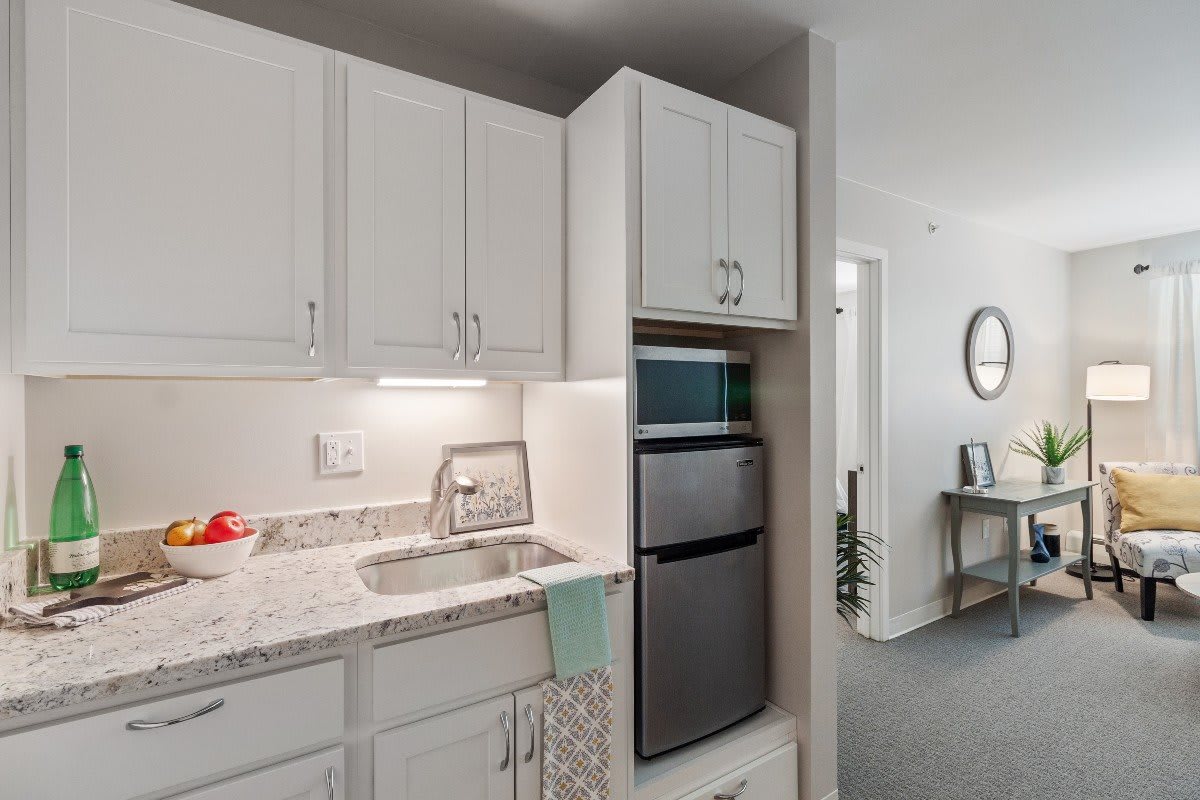
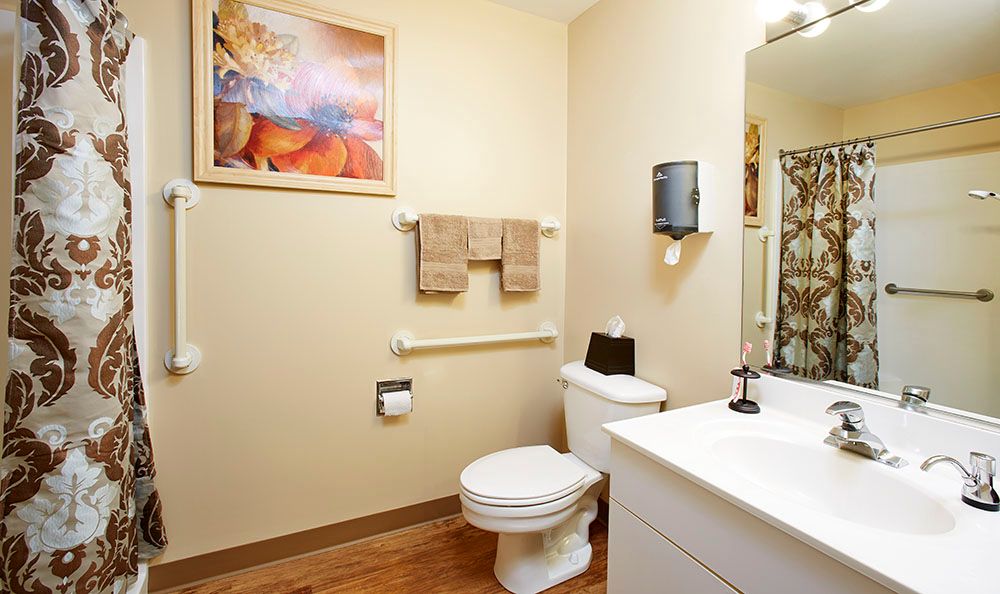
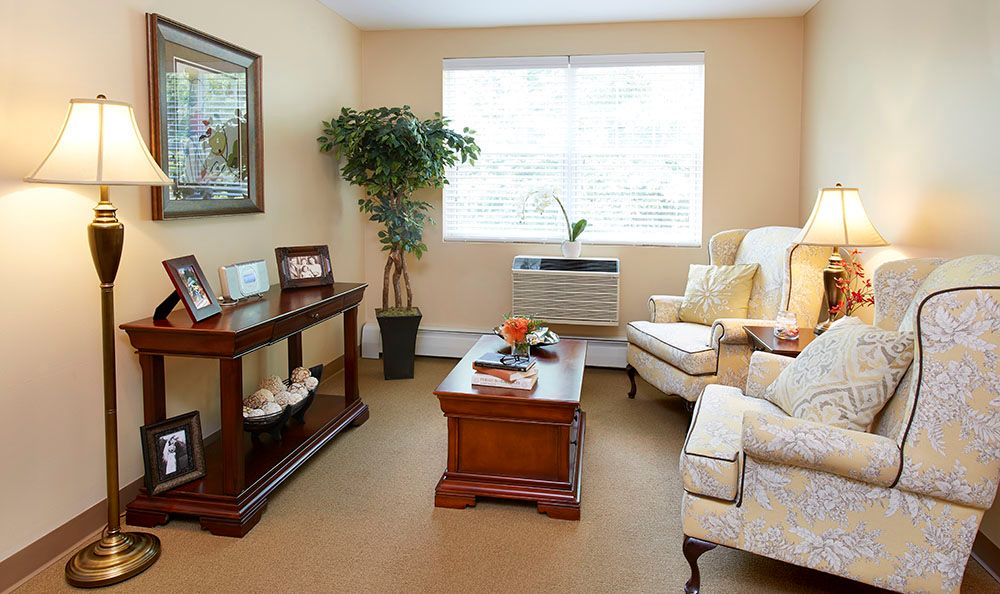
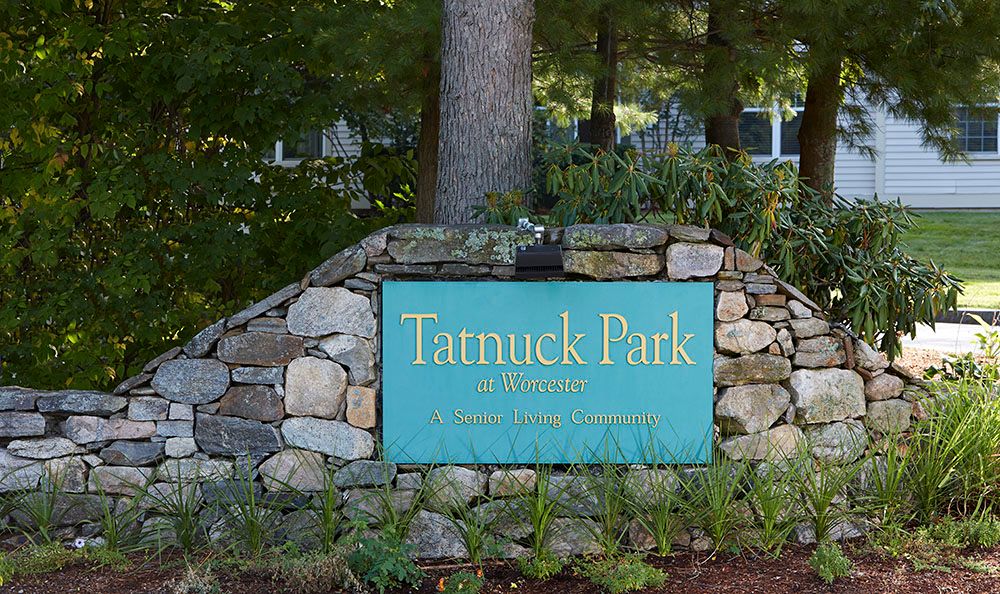
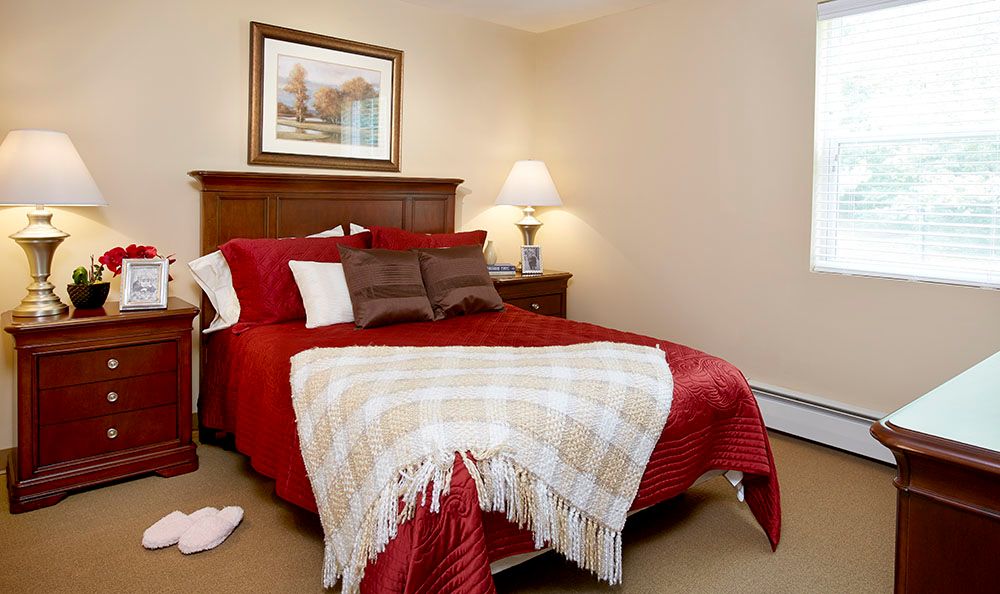
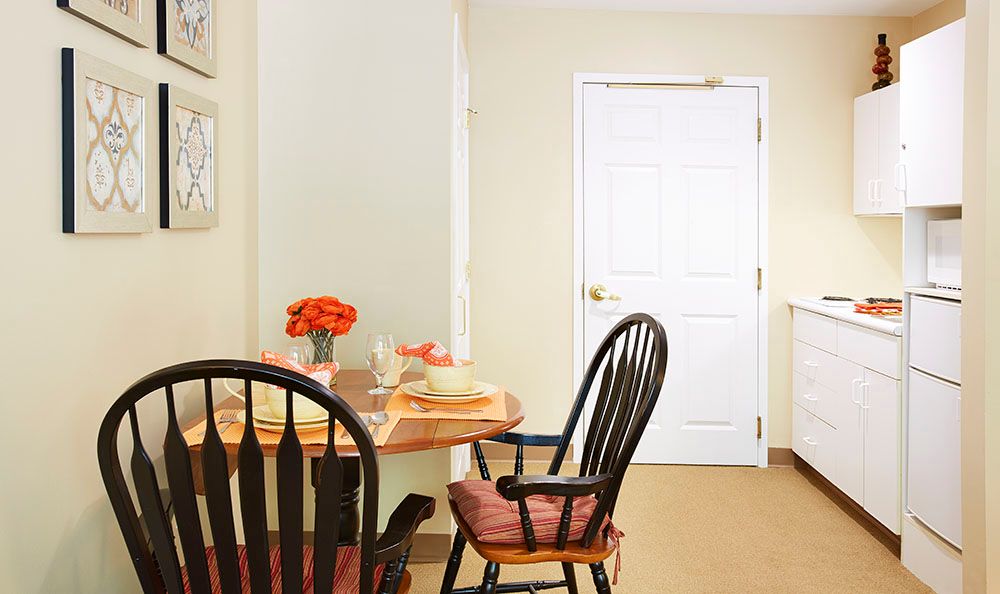
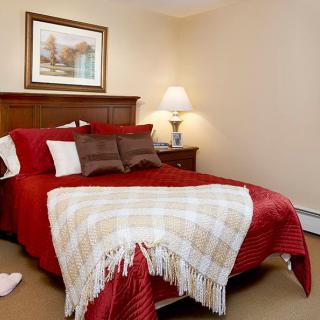
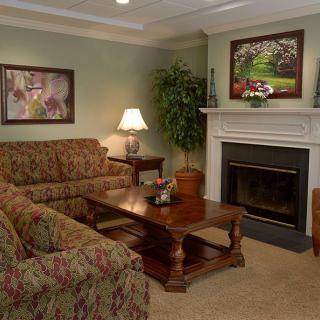
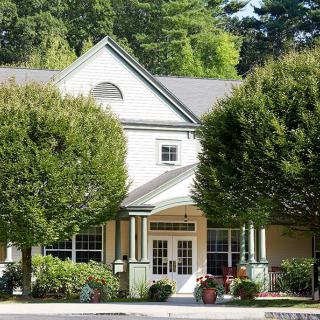
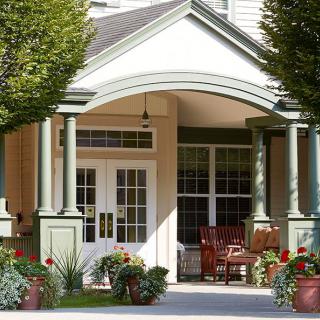
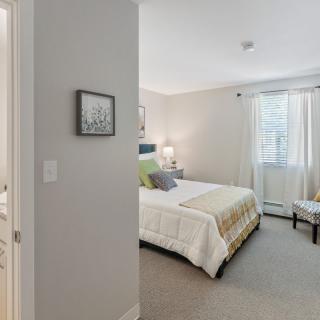
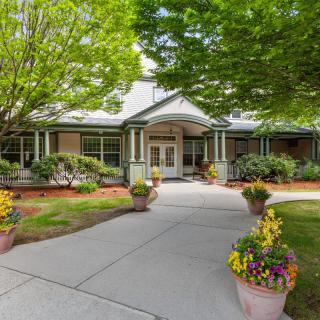
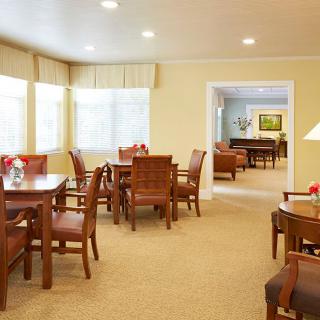
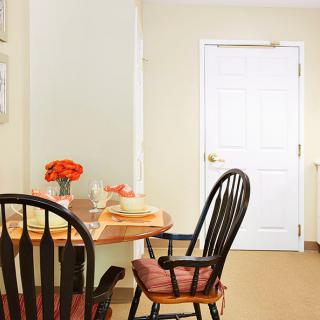
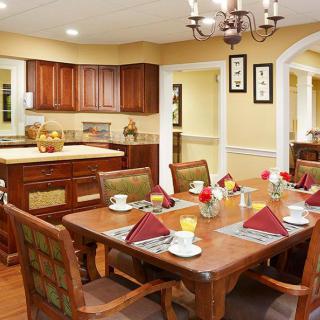
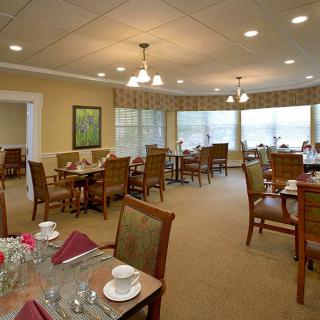
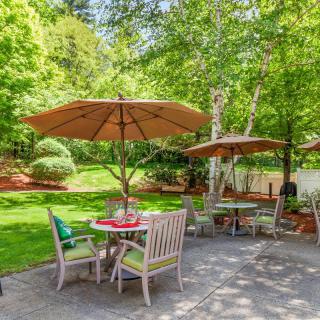
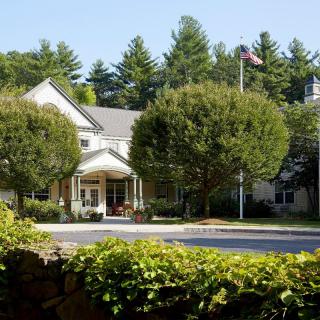
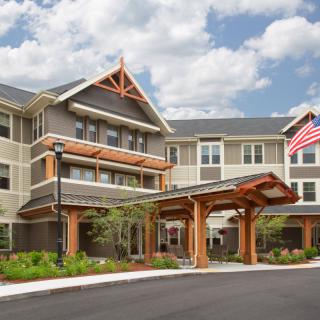
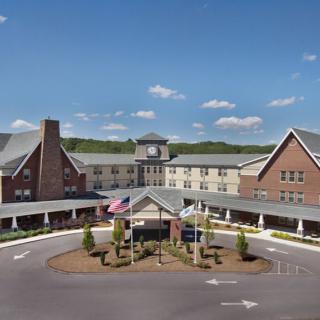
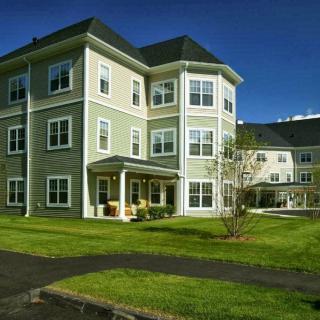
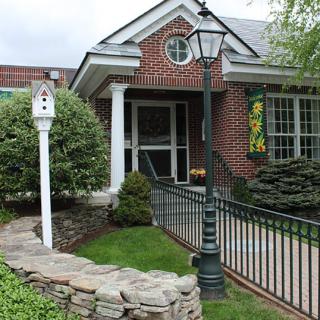
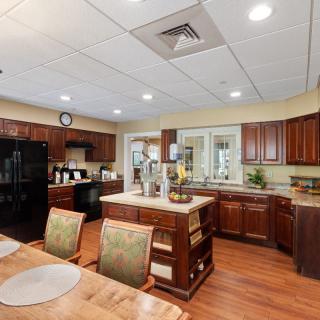
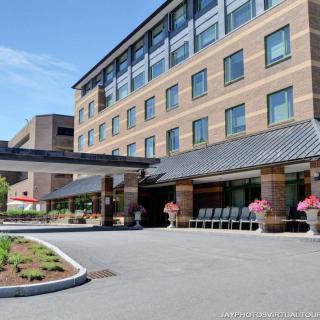
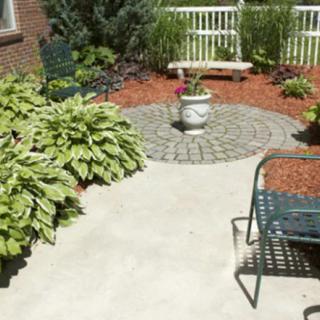
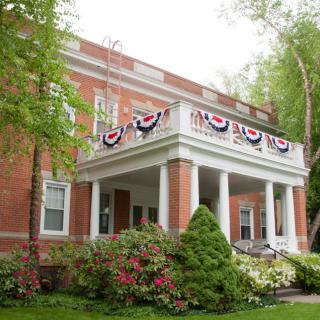
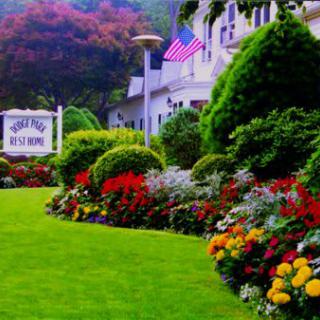
Tatnuck Park At Worcester on seniors.fyi includes 36 photos including images showing interior, dining, decor, living room, floor plan, fireplace, landscaping, bedroom, and more.
Nearby Communities
Hermitage Healthcare
Worcester, MA
2.4 from 33 reviews
$7,800 / month
24/7 skilled nursing with memory care and extensive on-site amenities.
Visiting Angels
Worcester, MA
4.3 from 22 reviews
Vibrant Worcester location with extensive nearby amenities and healthcare access.
Gentle Touch
Worcester, MA
Excellent access to healthcare and nearby amenities.
Jewish Healthcare Center
Worcester, MA
4.6 from 64 reviews
Attentive staff with strong rehab focus in a clean, comfortable setting.
Gery & Emil Eisenberg Assisted
Worcester, MA
4.6 from 14 reviews
Convenient Worcester location with a welcoming staff and a spacious, secure memory care unit.
Eisenberg Assisted Living
Worcester, MA
4.5 from 13 reviews
Specialized memory care with 24/7 staff and engaging on-site amenities.
St Mary Health Care Center
Worcester, MA
3.8 from 21 reviews
Caring staff, clean, well-maintained environment with engaging activities.
Goddard House
Worcester, MA
4.8 from 21 reviews
$2,800 to $4,300 / month
Active senior community with ample on-site and off-site activities, friendly staff, and convenient transportation.
Dementia, primarily caused by Alzheimer's disease but also linked to other conditions, leads to cognitive decline impacting memory and daily functioning, with individuals experiencing varied awareness of their impairments. Despite memory loss, emotional connections persist, enabling responses to familiar stimuli, highlighting the need for caregivers to provide compassionate support that recognizes both limitations and retained emotional depth.
The article presents five subtle indicators of dementia, such as memory lapses and mood swings, to help families assess cognitive decline in loved ones. It emphasizes early detection, open communication, and seeking professional help while providing practical support steps.
Dementia encompasses progressive neurological disorders that impair cognitive functions and can lead to paranoia due to cognitive decline and emotional changes. The article discusses the triggers of paranoia in dementia, caregiver strategies for managing it, and the importance of distinguishing between dementia-related paranoia and other psychiatric conditions.
Get PricingAsk A QuestionSchedule A TourContact Senior Advisor
By clicking submit, you agree to our Partner's Terms of Use. You
also consent to receive calls and texts, which may be autodialed, from our Partner. Your consent is not a condition to
using our Partner's service. Please visit our Partner's Privacy Policy for information about their privacy practices.





 76 resident community capacity
 1-bedroom apartments
 Assisted Living
 Memory Care
 Cats allowed
 Dogs allowed
 Activities off-site
 Air-conditioning
 Beautician on-site
 Cable or satellite TV
 Computer center
 Devotional services off-site
 Dining room
 Financing advice
 Fitness room
 Fully furnished
 Gaming room
 Garden
 Ground floor units
 Guest parking
 Handicap accessible
 Housekeeping services
 Indoor common areas
 Kitchenette
 Laundry
 Move-in coordination
 Outdoor common areas
 Outdoor patio
 Overnight guests
 Party space
 Private bathrooms
 Respite or short term stays offered
 Restaurant-style dining
 Small library
 Telephone
 Wellness center
 Wheelchair accessible showers
 Wi-Fi/high-speed internet available
 Worcester Regional (2 miles away)
 Community operated transportation
 12-16 hour nursing
 24-hour call system
 Assistance with bathing
 Assistance with dressing
 Assistance with transfers
 Diabetes diet
 Diabetic care
 Hospice waiver
 Incontinence care
 Medication management
 Mental wellness program
 Special dietary restrictions
 Transportation arrangement (medical)
 Art classes
 Book club
 Catholic services
 Concierge services
 Cooking classes
 Day trips and outings
 Educational speakers / life long learning
 Games
Games Happy hour
 Live musical performances
 English
 24/7 skilled nursing with memory care and extensive on-site amenities.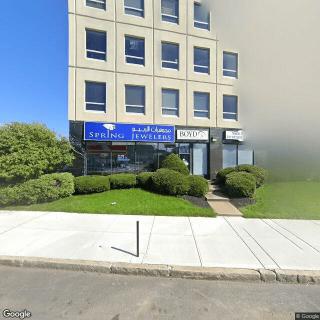

 Delving into the Inner World of Dementia: Insights into Thoughts and Awareness
 Five Subtle Dementia Indicators to Observe: An In-Depth Guide to Understanding “Does My Mom Have Dementia?”
 Dementia, Paranoia, and Caregiver Guidance: Understanding the Connection