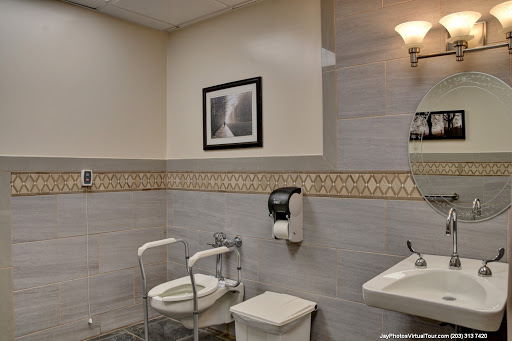
Residents and families describe rehab that leads to noticeable mobility improvements.
Several reviews describe rehab care after hospital stays and procedures, including physical therapy and occupational/therapy support. One reviewer said their family member arrived unable to walk and left walking without assistance in under three weeks. Others describe recovery from a serious accident or joint surgery and say the therapy team was knowledgeable and supportive.
common22 reviews mention this
Staff communication and compassion stand out
Many reviews emphasize staff who are professional, attentive, and genuinely caring.
Across the reviews, families and in-patients describe staff as compassionate, respectful, and responsive to changing needs. Multiple people mention nursing and support staff helping with comfort and day-to-day needs, with one reviewer specifically calling out that concerns were addressed day or night. Even reviews with mixed experiences still reference nursing service quality, showing that staff interactions are a central theme in how people evaluate the facility.
common4 reviews mention this
Food and kosher options get praise
Food quality is a recurring point of approval, including kosher dining.
Residents and families repeatedly mention that meals were good, and one reviewer highlighted kosher food as a reason it worked well for their family. Another review describes the center as providing nutritious meals alongside a general focus on well-being. The facility also offers dining supports for special dietary restrictions and diabetes diet needs, which aligns with how meals come up in reviews.
common5 reviews mention this
Cleanliness and upkeep are emphasized
Reviews frequently mention the facility’s cleanliness and well-kept appearance.
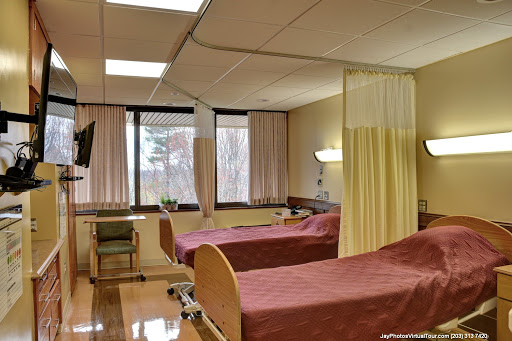
Multiple reviewers say the building and grounds look well taken care of, and that the center feels clean. One in-patient described the facility as clean and well organized, and another visitor highlighted excellent sanitation. A separate review also pairs cleanliness with spacious, comfortable rooms, reinforcing that upkeep is part of the day-to-day experience people noticed.
common3 reviews mention this
Chapels and scheduled activities matter
Residents can plug into day-to-day activities and faith spaces.
Reviews point to more than clinical care by describing engaging activities and opportunities that help residents feel connected. One reviewer specifically mentions a chapel area for prayer or meditation as a standout space. Another describes the facility supporting Catholic residents through communion visits, reflecting how spiritual life shows up alongside the routine.
caveat3 reviews mention this
Some care and therapy issues reported
A few reviews describe breakdowns in care details or therapy experiences.
While most comments are positive, some reviewers report problems that affected trust and comfort. One review describes difficulty communicating with staff and calls the experience terrible, while another raises concerns about discharge follow-up for a UTI that later returned. A separate review praises nurse service but reports a negative experience with an occupational therapist and says information shared with family was incorrect.
How we summarize
Counts show how many written reviews mention each theme; a review can touch several themes, and only frequently mentioned themes are displayed.
Features
Housing
141 resident community capacity
Types of Care
Skilled Nursing Facility
Amenities
Air-conditioning
Beauty salon
Cable or satellite TV
Computer center
Dining room
Fitness room
Fully furnished
Gaming room
Garden
Housekeeping services
Kitchenette
Move-in coordination
Outdoor space
Private bathrooms
Restaurant-style dining
Small library
Telephone
Wellness center
Wi-Fi/high-speed internet available
Transportation
Worcester Regional (3 miles away)
Community operated transportation
Transportation arrangement
Transportation arrangement (non-medical)
Transportation to doctors appointments
Care Services
12-16 hour nursing
24-hour call system
24-hour supervision
Activities of daily living assistance
Assistance with bathing
Assistance with dressing
Assistance with transfers
Diabetes diet
Meal preparation and service
Medication management
Mental wellness program
Special dietary restrictions
Dining
Diabetes diet
Special dietary restrictions
Activities
Community-sponsored activities
Concierge services
Fitness programs
Planned day trips
Resident-run activities
Scheduled daily activities
Nearby Places of Interest
Restaurants
McDonald's (1.4 miles)
Chipotle Mexican Grill (1.8 miles)
Chick-Fil-A (1.8 miles)
Nancy Chang (2.2 miles)
The Boynton (2.2 miles)
Armsby Abbey (2.6 miles)
110 Grill (3 miles)
Physicians
Mass Lung & Allergy (1.5 miles)
Lake View Court (1.7 miles)
Saint Vincent Medical Group (1.7 miles)
Fallon Clinic (1.8 miles)
Chandler Pediatrics (2 miles)
Courtland Yard Pediatrics (2.2 miles)
Advanced Dermatology (2.2 miles)
Cafes
Panera Bread (1.9 miles)
Bean Counter (1.9 miles)
NU Cafe (2.2 miles)
Fuel America (2.3 miles)
Starbucks (2.9 miles)
Fuel America (2.9 miles)
In House Coffee (3.4 miles)
Parks
Elm Park (2 miles)
Beaver Brook Park (2.4 miles)
Green Hill Park (2.9 miles)
Hadwen Park (3.9 miles)
Lake Park (4.9 miles)
Places of Worship
St Spyridon Cathedral Special Events Committee (2.2 miles)
Our Lady of The Rosary Rectory & Main Number (2.6 miles)
St Andrew the Apostle Mission (2.9 miles)
Pharmacies
Walgreens (2.4 miles)
CVS Pharmacy (2.5 miles)
Walgreens (3.1 miles)
CVS Pharmacy (3.2 miles)
CVS Pharmacy (3.3 miles)
Walgreens (3.3 miles)
Walgreens (3.6 miles)
Hospitals
UMass Interventional Radiology (2.8 miles)
Nahtm (2.8 miles)
St Vincent Hospital (2.9 miles)
Saint Vincent Hospital (2.9 miles)
Worcester Recovery Center And Hospital (3.7 miles)
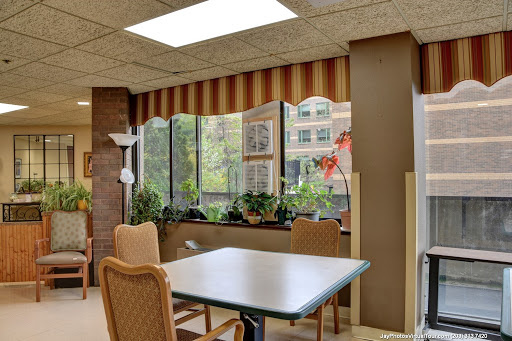
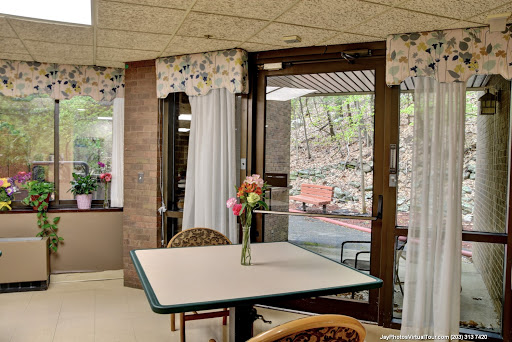
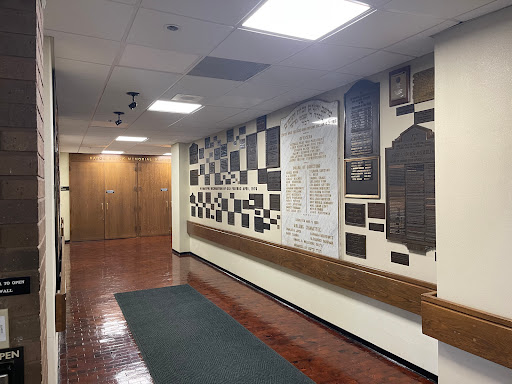
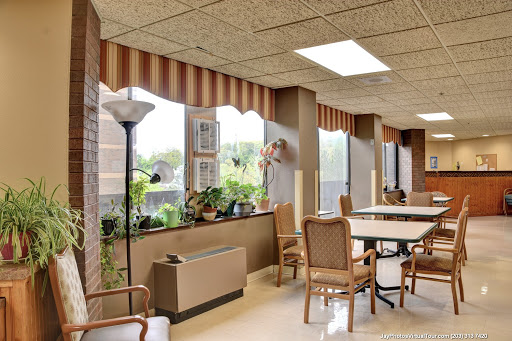
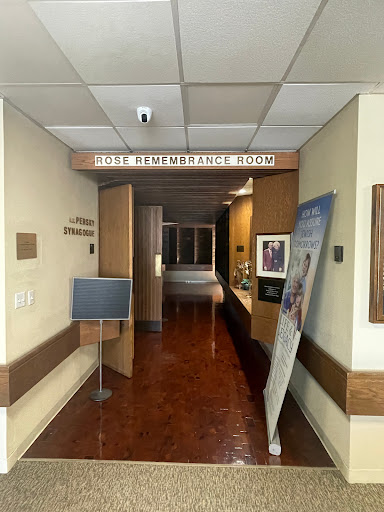
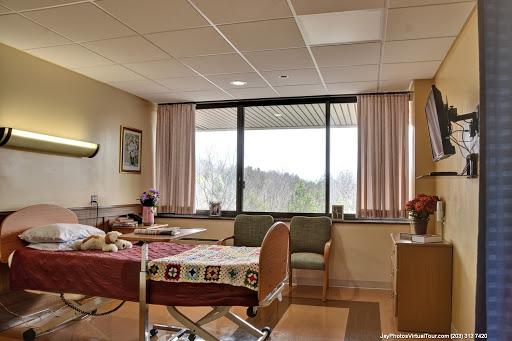
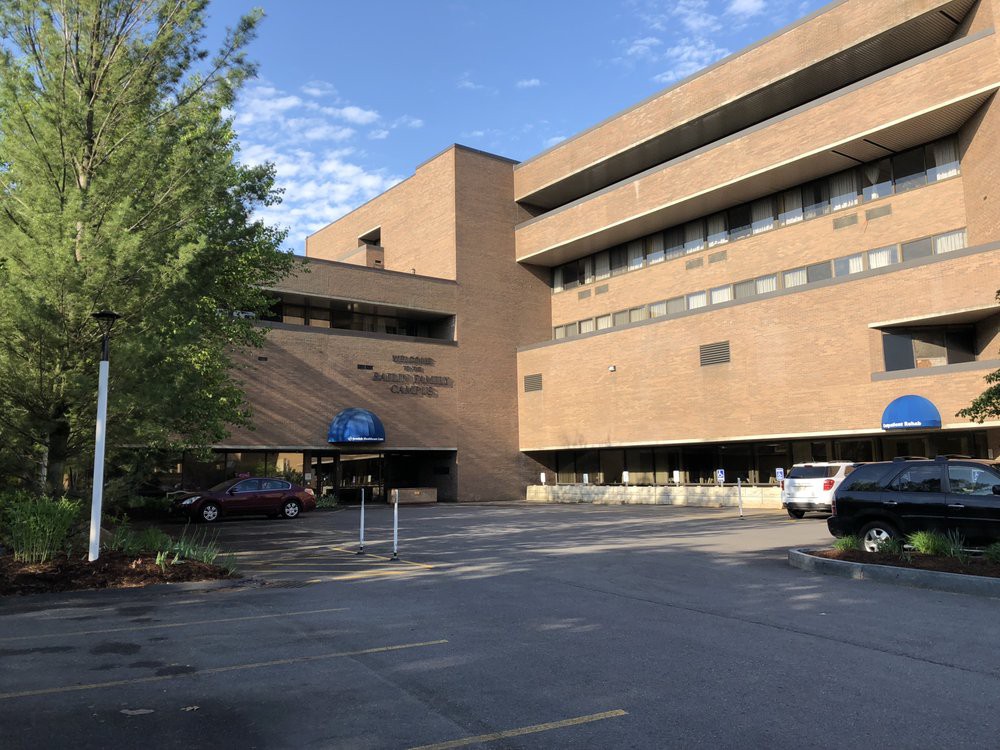
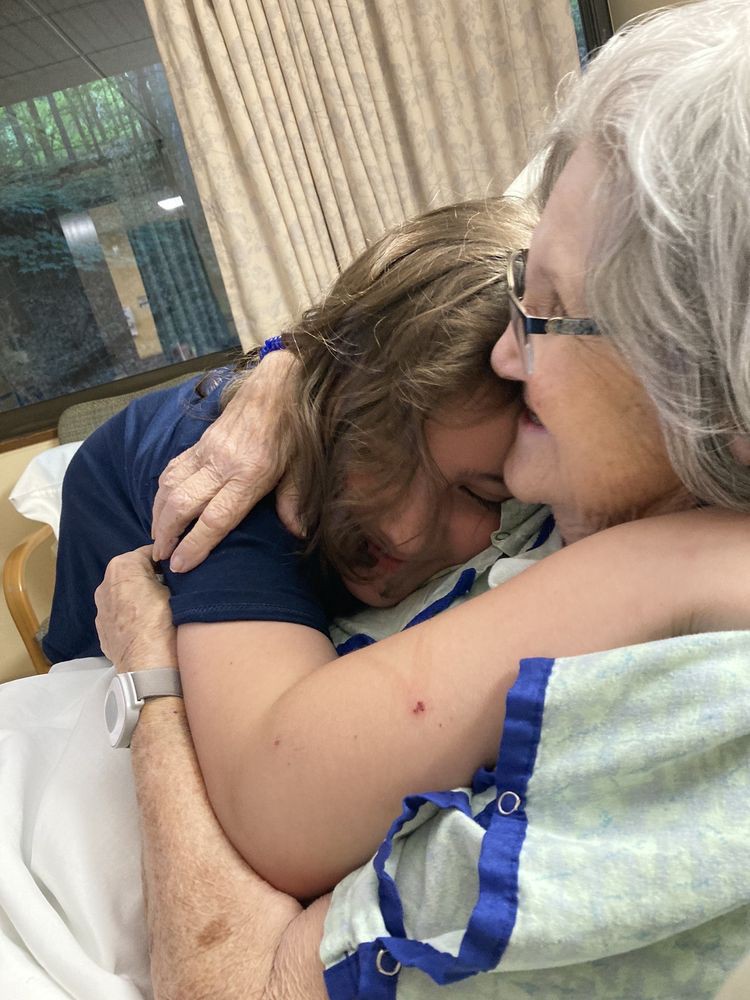
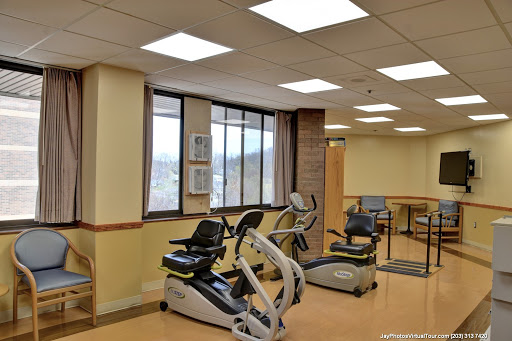
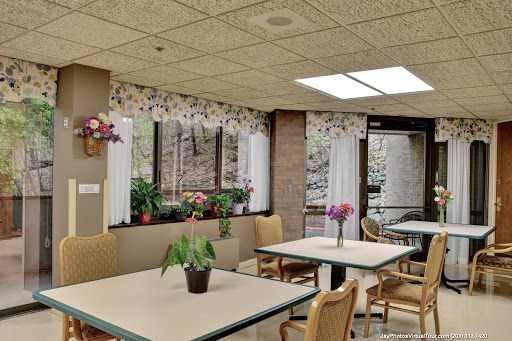
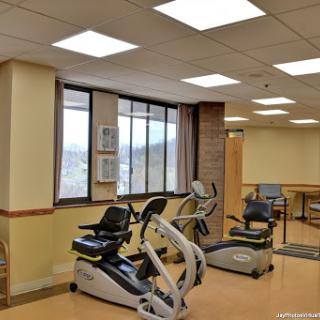
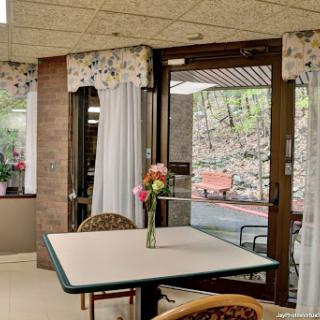
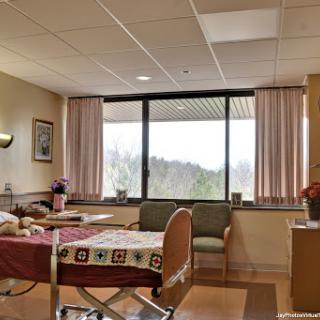
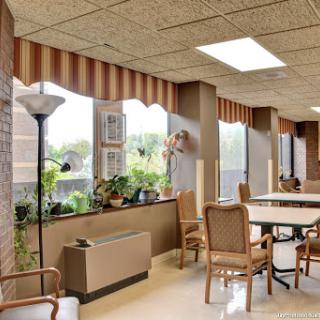
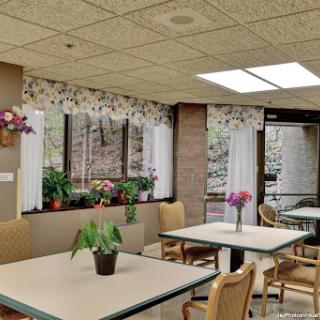
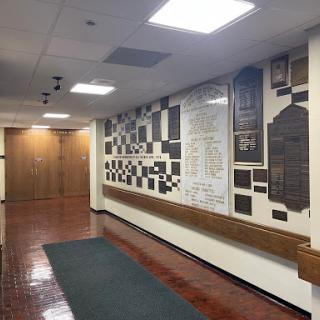
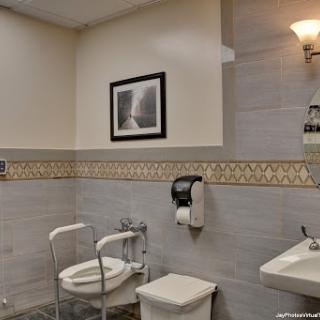
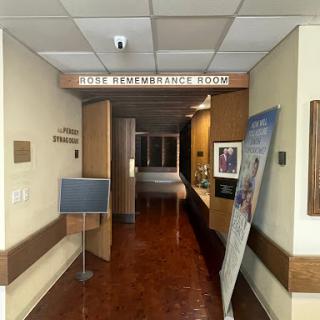
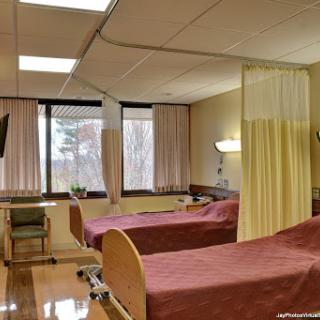
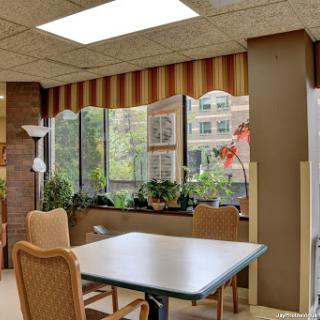
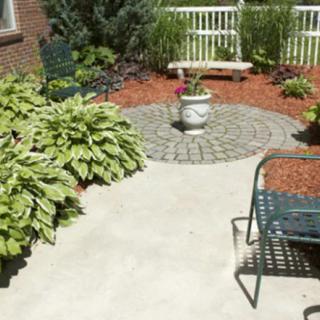
Jewish Healthcare Center on seniors.fyi includes 14 photos including images showing interior, natural light, windows, dining, bathroom, outdoors, seating area, hallway, and more.
Nearby Communities
Gery & Emil Eisenberg Assisted
Worcester, MA
4.6 from 14 reviews
Convenient Worcester location with a welcoming staff and a spacious, secure memory care unit.
Eisenberg Assisted Living
Worcester, MA
4.5 from 13 reviews
Specialized memory care with 24/7 staff and engaging on-site amenities.
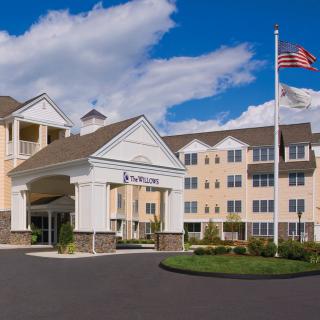
The Willows at Worcester
Worcester, MA
4.7 from 102 reviews
$2,700 to $3,300 / month
Vibrant, welcoming community with good value and broad on-site amenities.
Winter Hill Rest Home
Worcester, MA
4.9 from 9 reviews
Extensive nearby amenities and healthcare options.
Wayside Nursing & Rehab Ctr
Worcester, MA
2.5 from 2 reviews
Convenient location with nearby amenities and healthcare access.
Colony Retirement Homes I & II
Worcester, MA
5 from 5 reviews
Peaceful, homey atmosphere with clean facilities and a friendly community.
Dodge Park Rest Home
Worcester, MA
4.9 from 143 reviews
$8,997 to $10,675 / month
Caring staff with strong safety practices.
Hermitage Healthcare
Worcester, MA
2.4 from 33 reviews
$7,800 / month
24/7 skilled nursing with memory care and extensive on-site amenities.
St Mary Health Care Center
Worcester, MA
3.8 from 21 reviews
Caring staff, clean, well-maintained environment with engaging activities.
Senior move management provides specialized support for older adults relocating by assisting with logistics, emotional challenges, and downsizing decisions to ensure a smooth transition to new living environments. These services address the unique needs of seniors and have become increasingly important as baby boomers retire and seek to downsize.
Weight training is vital for seniors to maintain muscle mass, bone density, and overall health, combating age-related declines through customized resistance exercises that enhance balance and well-being. Safe routines should start with realistic goals and proper form, while emphasizing gradual progress and consultations with healthcare providers to ensure safety and effectiveness.
The Sandwich Generation comprises adults managing the dual responsibilities of caring for aging parents and raising children, leading to significant emotional, logistical, and financial challenges. This situation is exacerbated by longer life expectancies and cultural expectations, necessitating effective coping strategies and support resources to alleviate caregiver stress and burnout.
Get PricingAsk A QuestionSchedule A TourContact Senior Advisor
By clicking submit, you agree to our Partner's Terms of Use. You
also consent to receive calls and texts, which may be autodialed, from our Partner. Your consent is not a condition to
using our Partner's service. Please visit our Partner's Privacy Policy for information about their privacy practices.







 141 resident community capacity
 Skilled Nursing Facility
 Air-conditioning
 Beauty salon
 Cable or satellite TV
 Computer center
 Dining room
 Fitness room
 Fully furnished
 Gaming room
 Garden
 Housekeeping services
 Kitchenette
 Move-in coordination
 Outdoor space
 Private bathrooms
 Restaurant-style dining
 Small library
 Telephone
 Wellness center
 Wi-Fi/high-speed internet available
 Worcester Regional (3 miles away)
 Community operated transportation
 12-16 hour nursing
 24-hour call system
 Activities of daily living assistance
 Assistance with bathing
 Assistance with dressing
 Assistance with transfers
 Diabetes diet
 Medication management
 Mental wellness program
 Special dietary restrictions
 Concierge services
 Planned day trips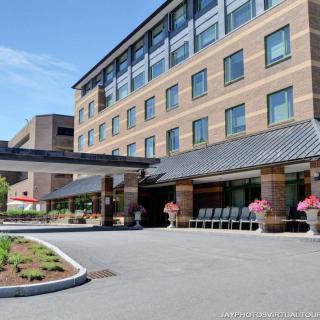
 Convenient Worcester location with a welcoming staff and a spacious, secure memory care unit.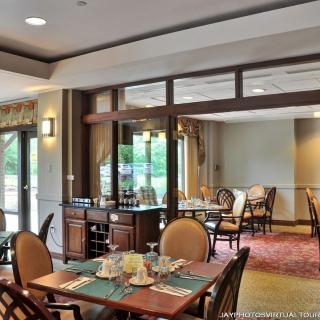

 Senior Move Management: Understanding the Role, Value, and Associated Costs
 Weight Training for Seniors: Building Strength and Vitality
 Understanding the Sandwich Generation: Stress and Responsibilities for Multigenerational Caregivers