The Linden at Dedham offers competitive pricing for its various accommodation options compared to both Suffolk County and the broader Massachusetts market. For a studio apartment, residents can expect to pay $5,045 per month, which is notably lower than the county average of $5,278 and the state average of $5,312. In the case of one-bedroom units, The Linden's price of $6,200 is slightly above Suffolk County's average of $5,439 but remains more affordable than the overall Massachusetts average of $5,349. These figures suggest that while some options may be priced higher than local averages, The Linden at Dedham provides a compelling value proposition for those seeking quality living arrangements in a desirable location.
Floor plans
The Linden at Dedham
Suffolk County
Massachusetts
Studio
$5,045
$5,278
$5,312
1 Bedroom
$6,200
$5,439
$5,349
Memory care communities with a similar price nearby
Activities are described as constant and varied throughout the day.
Many residents and families describe a steady calendar with groups of things to do, rather than long stretches of inactivity. Reviews mention live entertainment and games, plus regular exercise and outings. Several families also say their loved ones participate readily and seem happier and more content as a result.
common5 reviews mention this
Dining gets strong feedback
Dining is repeatedly described as a highlight, with variety that works for different needs.
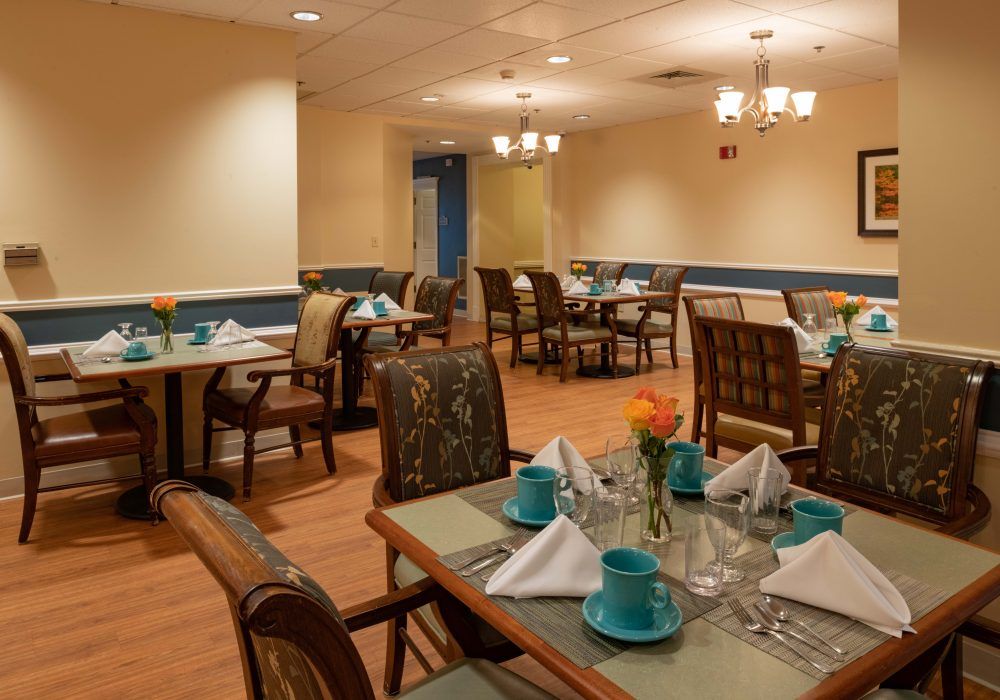
Food shows up often in the reviews, with families describing meals as tasty and well-prepared. Multiple comments reference variety and accommodating what residents want or need, and some note specific preferences being handled at meals. The community also offers special dining support for specific dietary restrictions, which aligns with how residents describe meal customization.
common6 reviews mention this
Facility cleanliness stands out
The community is frequently described as clean, tidy, and well maintained.
Across reviews, residents and visitors repeatedly mention cleanliness and upkeep as a reason they feel comfortable. Several people use strong wording like spotless or thoroughly clean, and others note the facility looks updated and well cared for. A few also connect cleanliness to an overall sense of the building being welcoming and cared for.
caveat2 reviews mention this
Costs run higher than nearby options
Pricing is described as higher than other options in the area.
At least two reviewers explicitly flag cost as a downside compared with other communities they considered. One says the pricing was higher on tour, while another calls the community expensive. Even with that concern, some families still say it felt worth it, suggesting the trade-off may depend on the level of care and fit.
caveat2 reviews mention this
Continuity concerns in memory care
Some families report staffing continuity issues in memory care.
Two reviewers describe problems with staff staying consistent, saying familiar staff would leave or that they were asked to. These comments raise a concern about day-to-day stability for residents who form attachments. Other reviews are more positive about care teams, so the experience appears to vary by situation and unit.
How we summarize
Counts show how many written reviews mention each theme; a review can touch several themes, and only frequently mentioned themes are displayed.
Features
Types of Care
Assisted Living
Memory Care
Amenities
Activities off-site
Activities on-site
Air-conditioning
Beautician on-site
Beauty salon
Cable or satellite TV
Computer center
Continuing learning programs
Devotional services off-site
Devotional services on-site
Dining room
Family education and support services
Family private dining rooms
Fitness room
Fully furnished
Gaming room
Garden
Housekeeping services
Indoor common areas
Kitchenette
Move-in coordination
Outdoor common areas
Outdoor patio
Outdoor space
Pet friendly
Private bathrooms
Respite or short term stays offered
Restaurant-style dining
Small library
Telephone
Wellness center
Wheelchair accessible showers
Wi-Fi/high-speed internet available
Transportation
Gen Edw L Logan International (12 miles away)
Community operated transportation
Transportation arrangement
Transportation arrangement (non-medical)
Care Services
12-16 hour nursing
24-hour call system
24-hour nursing
24-hour supervision
Activities of daily living assistance
Ambulatory care
Assistance with bathing
Assistance with dressing
Assistance with transfers
Coordination with health care providers
Diabetes diet
Incontinence care
Meal preparation and service
Medication management
Mental wellness program
Mild cognitive impairment
Physical therapy
Preventative health screenings
Rehabilitation program
Respite program
Same day assessments
Special dietary restrictions
Specialized memory care programming
Transportation arrangement (medical)
Dining
Diabetes diet
Meals provided
Special dietary restrictions
Special dining programs
Activities
Activities off-site
Activities on-site
Community-sponsored activities
Concierge services
Devotional activities offsite
Devotional activities on-site
Fitness programs
Planned day trips
Reminiscence programs
Resident-run activities
Scheduled daily activities
Sensory-based programs
Nearby Places of Interest
Located in Dedham, Massachusetts, this area offers a convenient and diverse range of amenities for seniors looking to settle down. With several medical facilities nearby such as Dedham Medical and Pediatric Associates of Wellesley, quality healthcare is easily accessible. There are also numerous dining options including Eggs & Thai Cafe, Yard House, and the Corrib Pub & Restaurant, providing a variety of choices for dining out. For those who enjoy outdoor activities, parks like Cutler Park and Jamaica Pond offer beautiful natural settings for leisurely walks or picnics. Additionally, the presence of pharmacies like CVS and Walgreens ensures that medication needs can be met promptly. Transportation options are available with MBTA stations like Reservoir Station and Riverside Station for easy access to surrounding areas. Overall, this part of Dedham provides a well-rounded environment for senior living with ample opportunities for health, leisure, and convenience.
Physicians
Dedham Medical (0.7 miles)
Guild Medical Center (4.9 miles)
Dedham Medical Associates (5.9 miles)
Pediatric Associates of Wellesley (6.6 miles)
Carney Hospital (6.8 miles)
Mass. Eye and Ear (6.8 miles)
Bidmc Lowry Building (7 miles)
Restaurants
Eggs & Thai Cafe (1.3 miles)
Chick-Fil-A (1.4 miles)
Yard House (2.2 miles)
Corrib Pub & Restaurant (2.4 miles)
McDonald's (3.7 miles)
McDonald's (3.9 miles)
Echo Bridge Restaurant (4 miles)
Cafes
Starbucks (1.4 miles)
French Press Bakery & Cafe (2.6 miles)
Blue Bottle Coffee (4.6 miles)
Dunkin' Brands (4.9 miles)
Mike's Donuts (5.3 miles)
Starbucks (5.6 miles)
Brookside Cafe (5.9 miles)
Pharmacies
CVS Pharmacy (1.4 miles)
CVS Pharmacy (2 miles)
Walgreens (2.5 miles)
Walgreens (2.5 miles)
CVS Pharmacy (2.6 miles)
CVS Pharmacy (3.3 miles)
CVS Pharmacy (3.9 miles)
Hospitals
West Roxbury VA Hospital (1.6 miles)
New England Baptist Outpatient Care Center (2.7 miles)
The Linden at Dedham offers competitive pricing for its various accommodation options compared to both Suffolk County and the broader Massachusetts market. For a studio apartment, residents can expect to pay $5,045 per month, which is notably lower than the county average of $5,278 and the state average of $5,312. In the case of one-bedroom units, The Linden's price of $6,200 is slightly above Suffolk County's average of $5,439 but remains more affordable than the overall Massachusetts average of $5,349. These figures suggest that while some options may be priced higher than local averages, The Linden at Dedham provides a compelling value proposition for those seeking quality living arrangements in a desirable location.
The Linden at Dedham offers a comprehensive suite of features designed to support residents with dementia or Alzheimer's disease, addressing their unique needs and enhancing their quality of life. Around-the-clock supervision ensures safety and security, while assistance with activities of daily living, such as bathing, dressing, and transfers, fosters independence and dignity. Coordination with healthcare providers allows for personalized medical care tailored to individual health requirements, which is further supported by medication management and incontinence care. Meal preparation and service cater to nutritional needs, while a mental wellness program helps residents engage cognitively through specialized memory care programming. Additionally, sensory-based programs stimulate various senses to enhance cognitive function, while physical therapy promotes mobility and strength. The arrangement of transportation for medical appointments ensures that residents can maintain essential healthcare visits without added stress. Collectively, these offerings create a supportive environment that prioritizes both physical and emotional well-being.
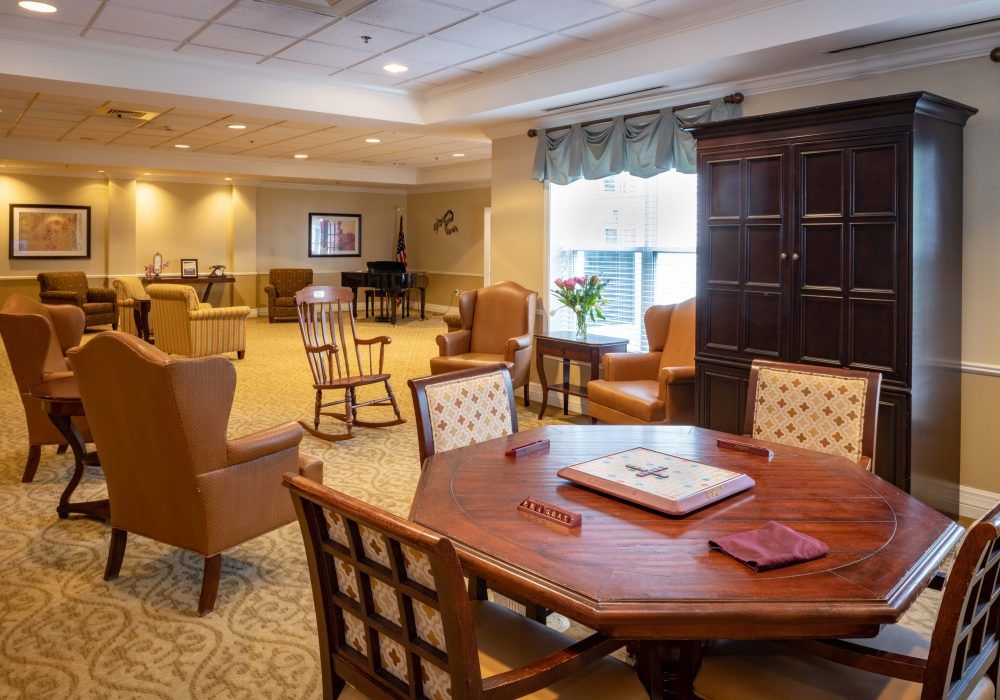
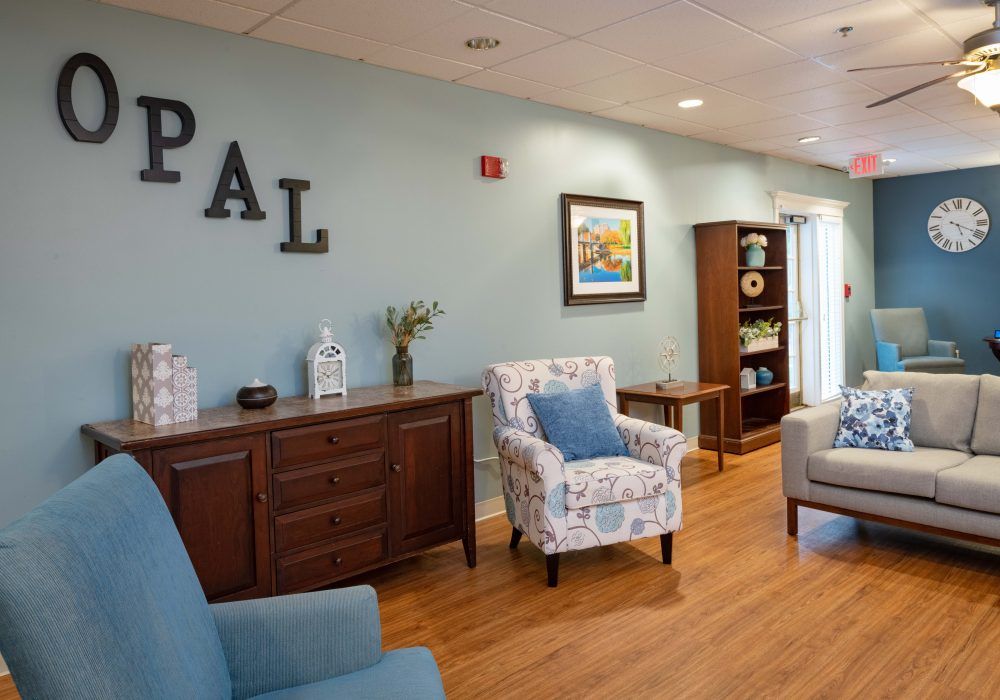
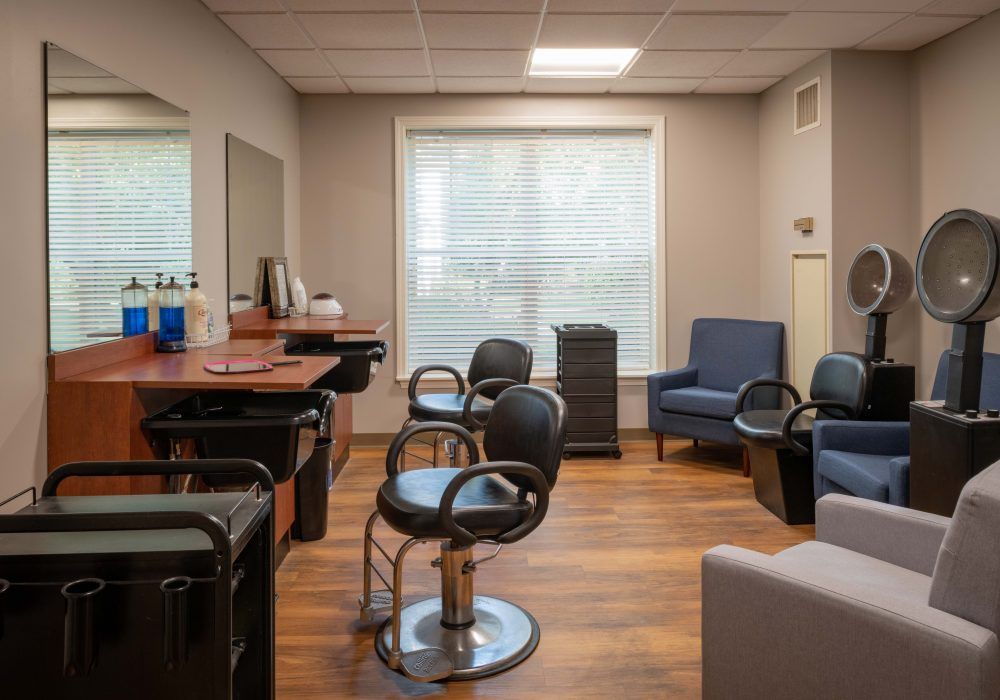
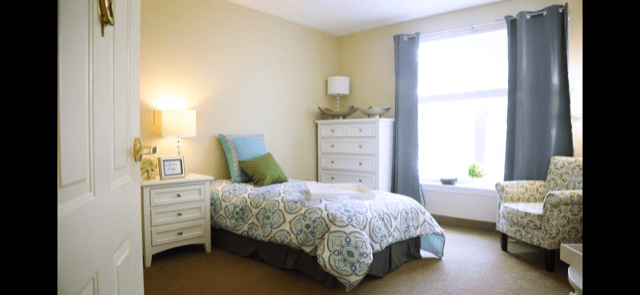
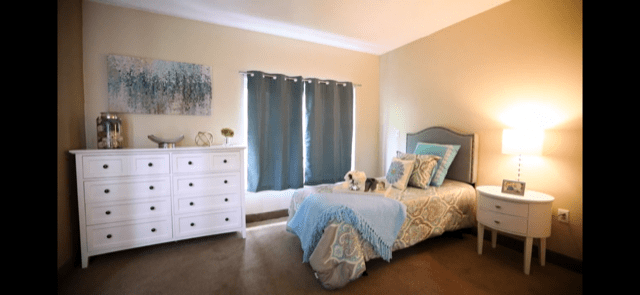
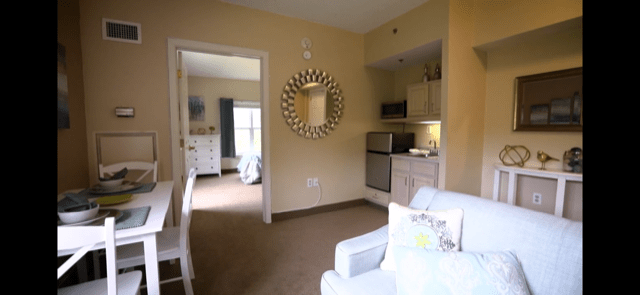
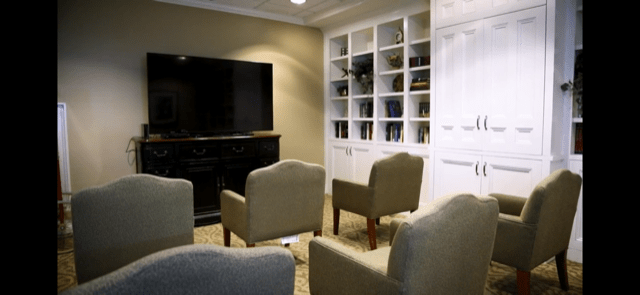
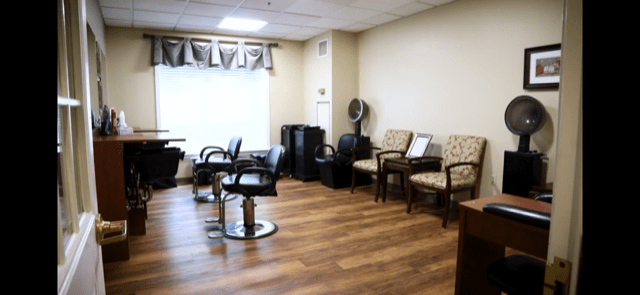
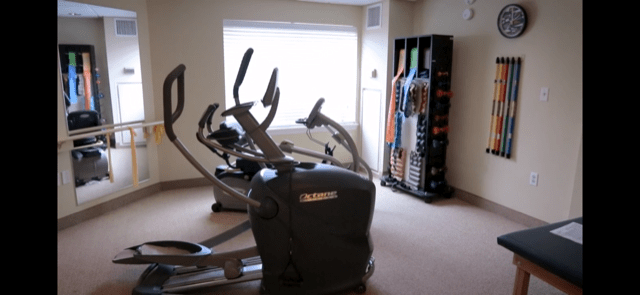
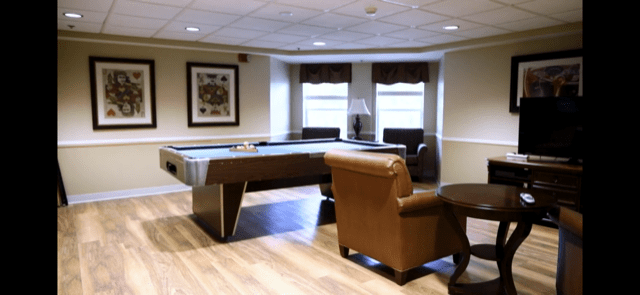
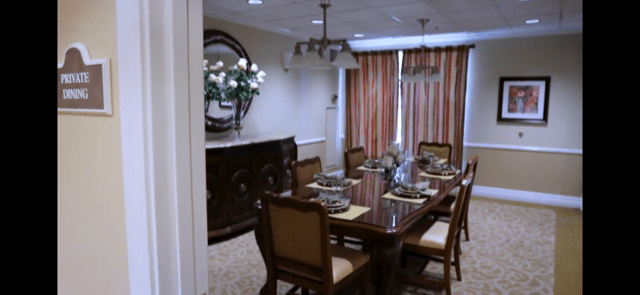
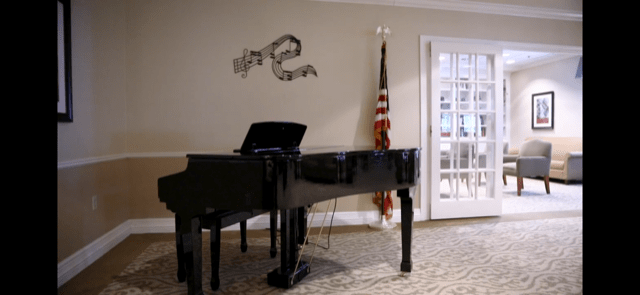
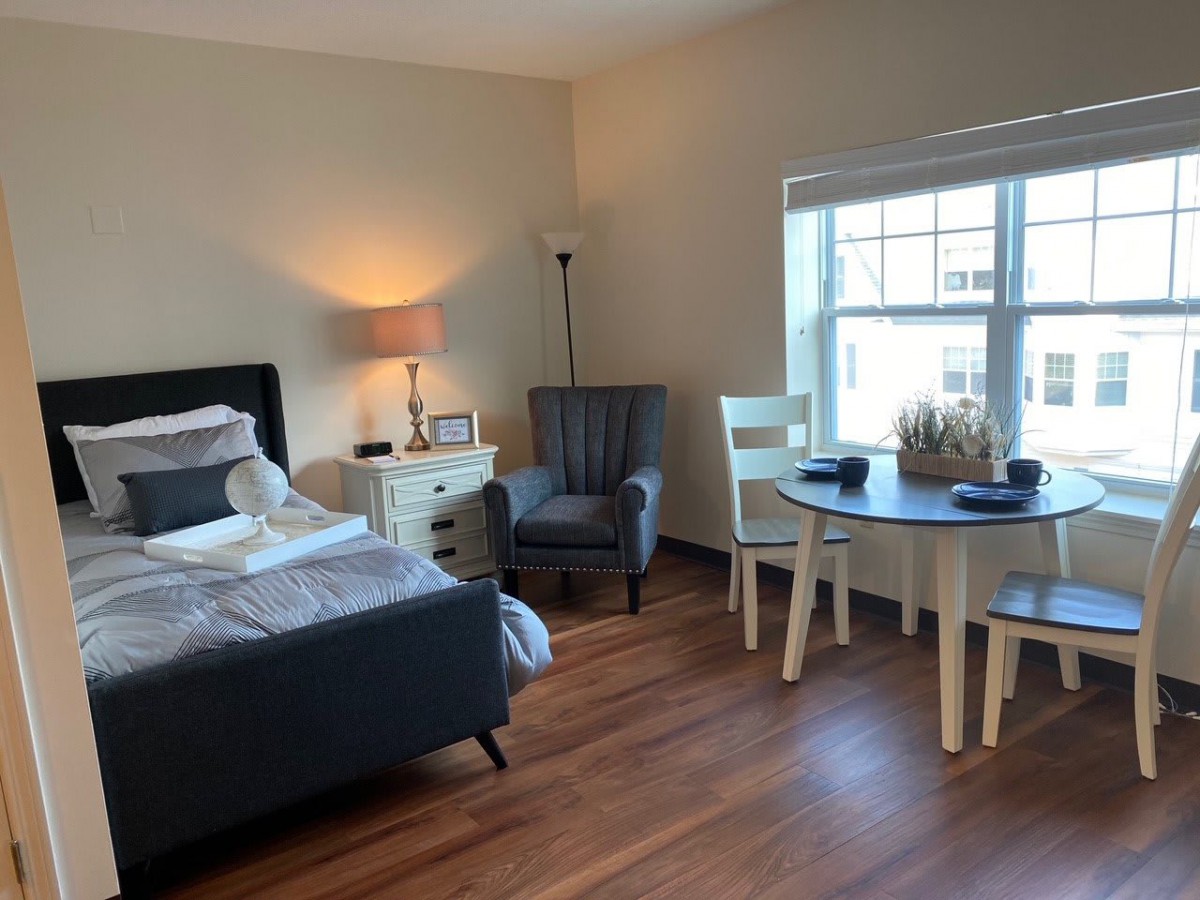
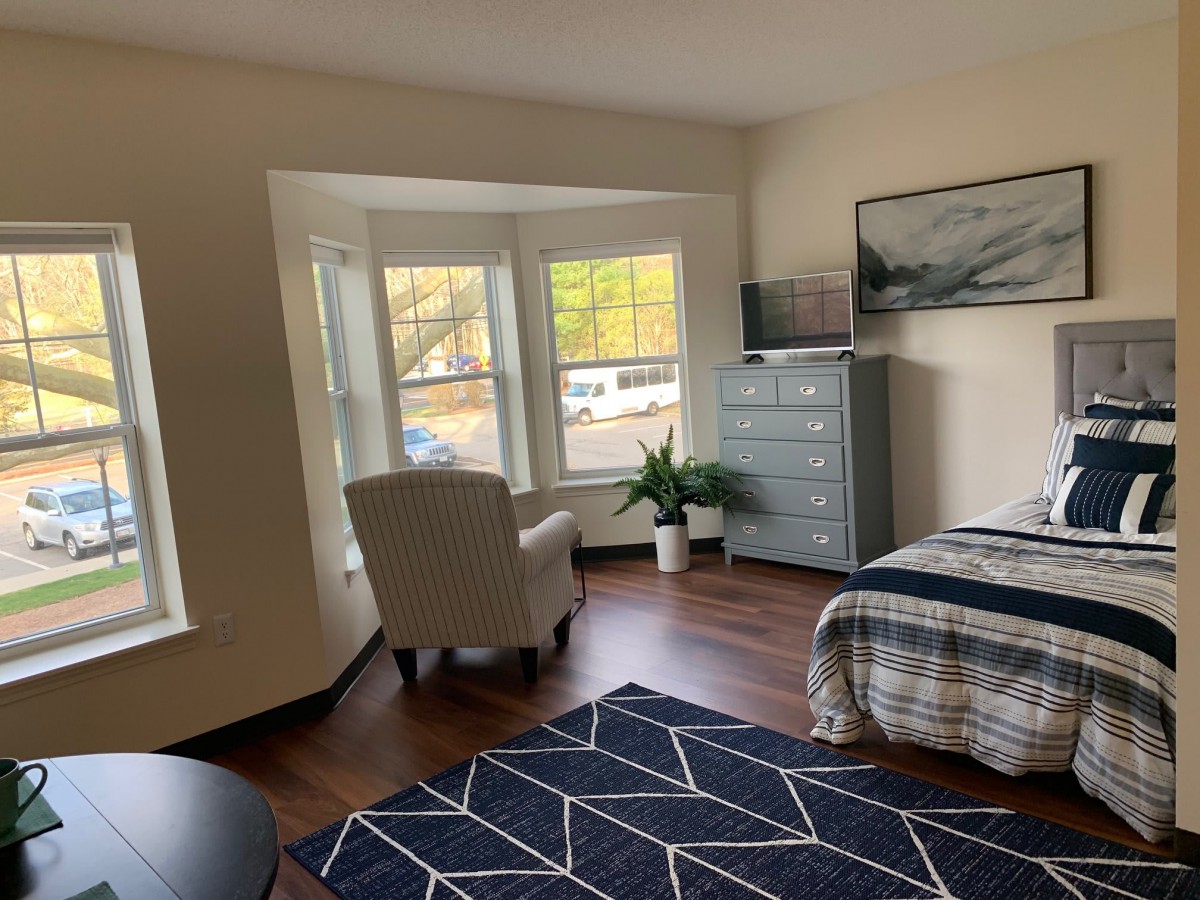
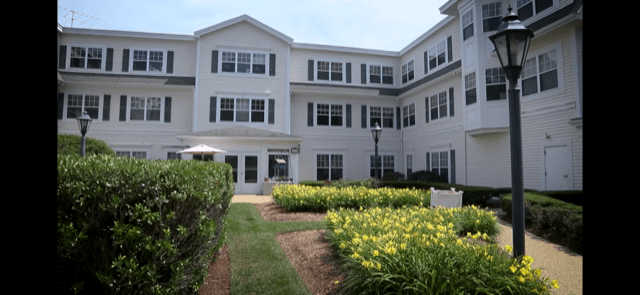
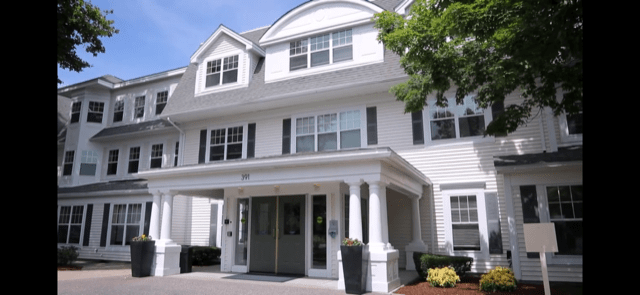
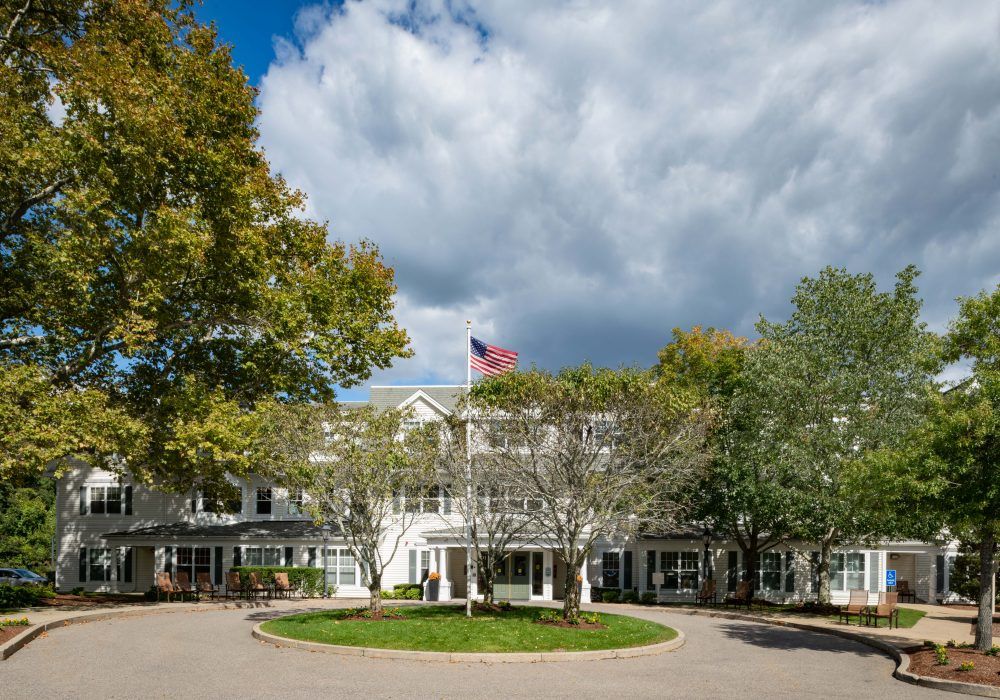
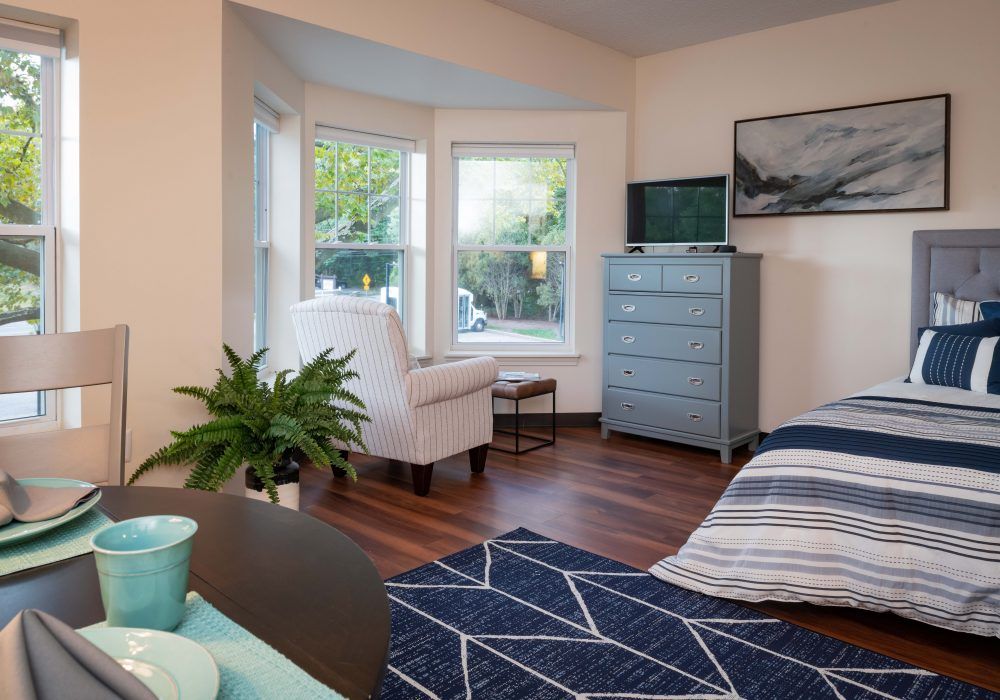
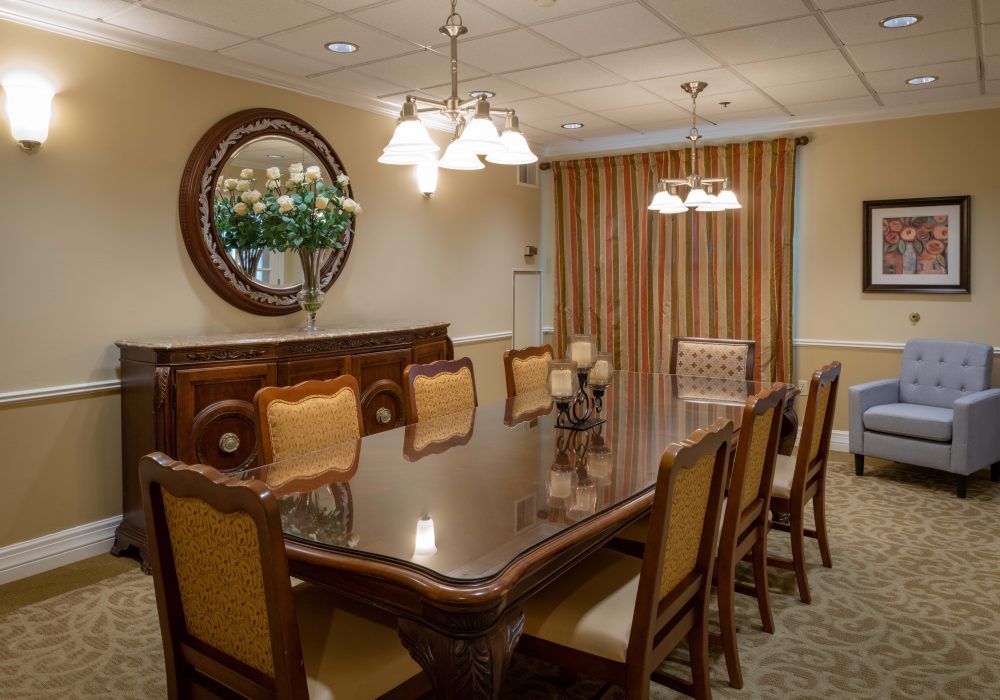
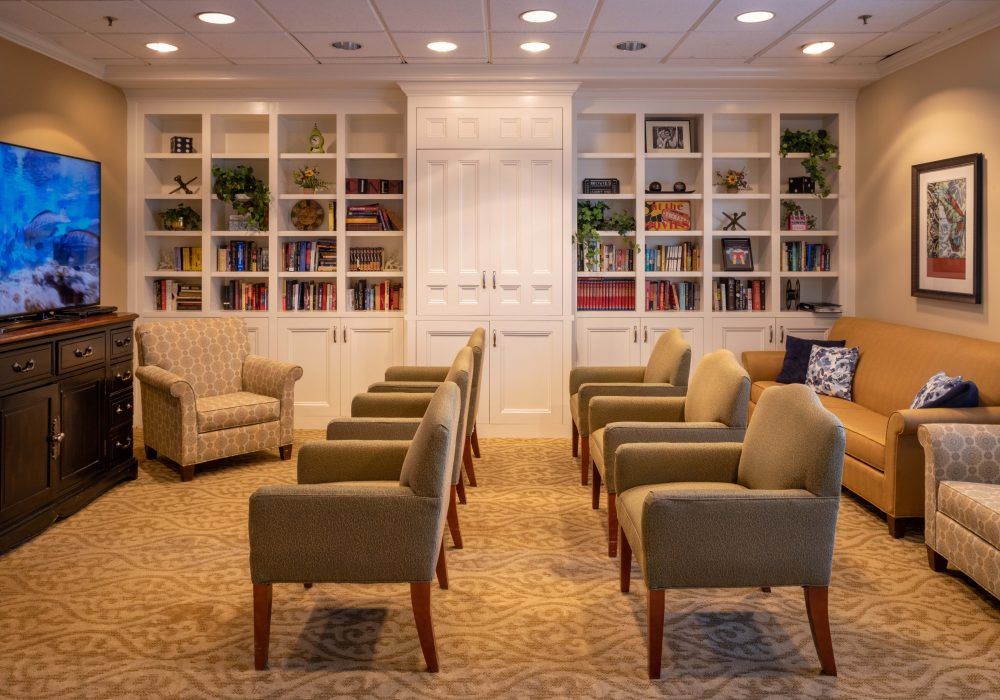
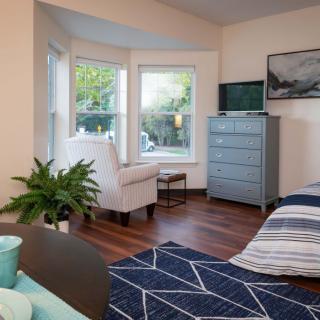
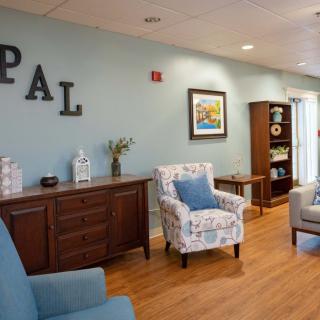
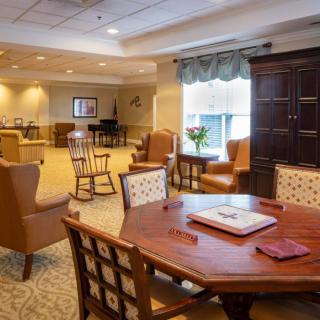
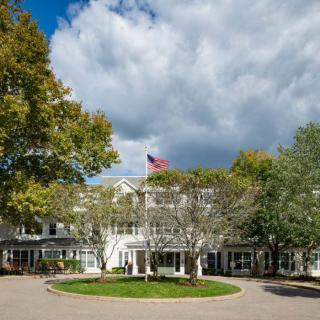
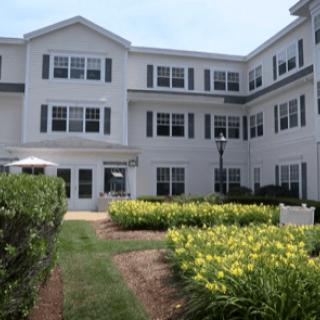
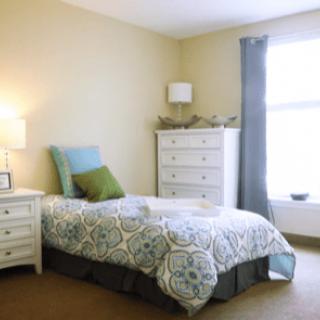
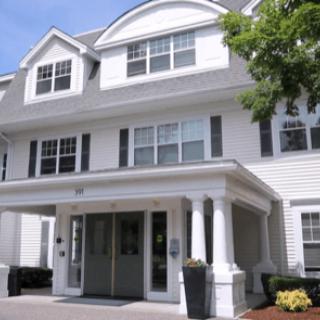
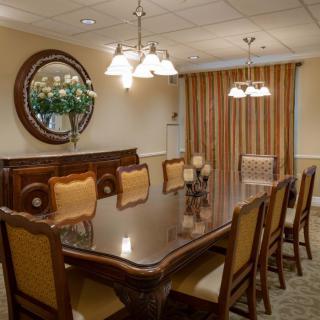
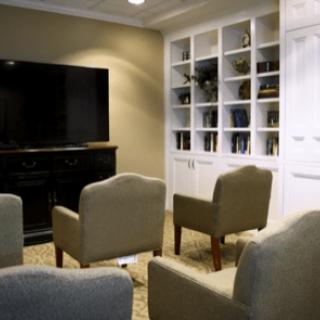
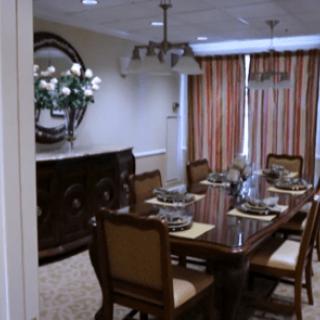
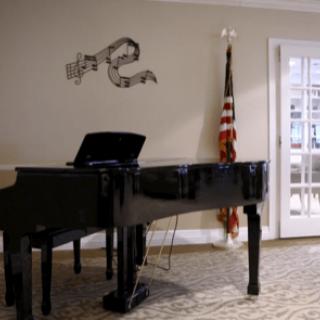
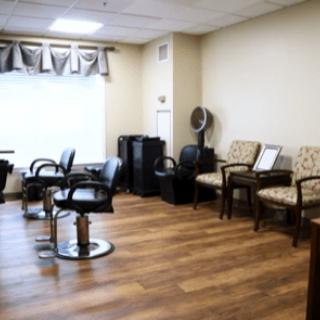
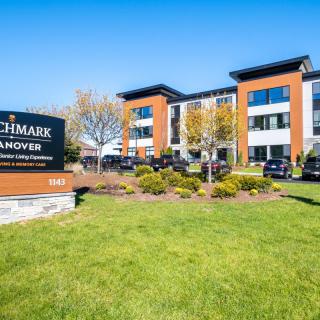
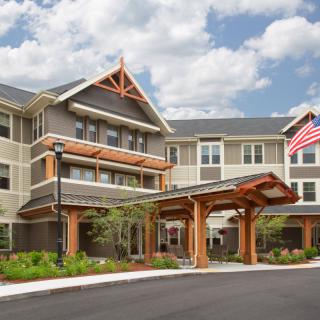
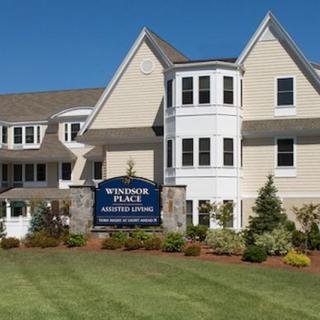
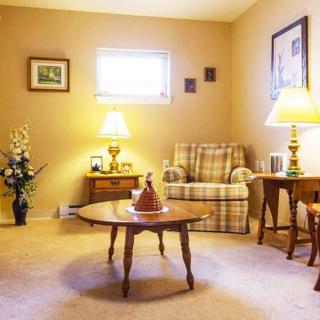
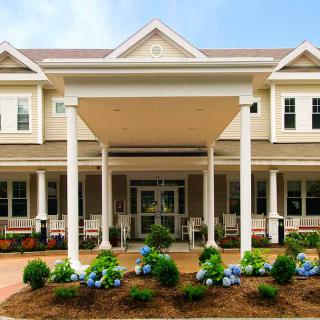
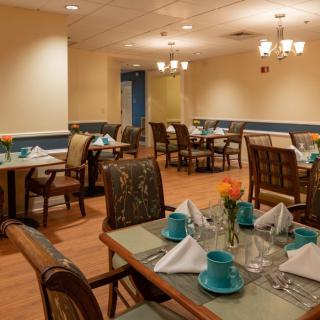
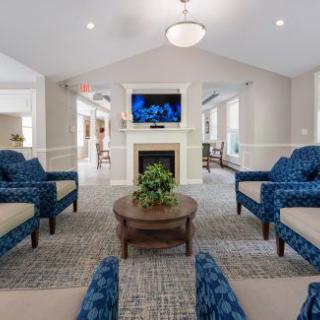
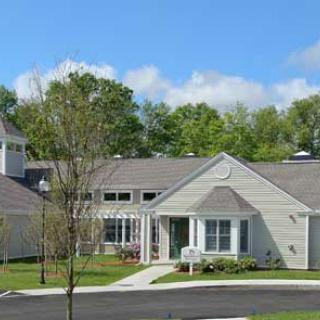
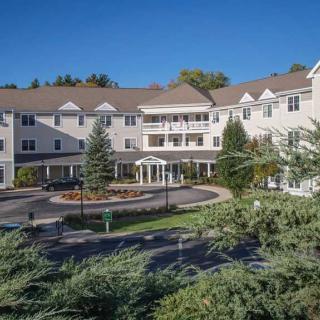
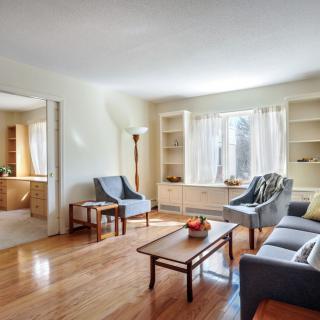
The Linden at Dedham on seniors.fyi includes 25 photos including images showing interior, bedroom, dining, windows, building, living room, decor, architecture, and more.
Nearby Communities
NewBridge on the Charles
Dedham, MA
4.8 from 24 reviews
$10,063 to $16,760 / month
Attentive staff with engaging memory-care programs and strong safety practices.
Newbridge On The Charles
Dedham, MA
3.9 from 79 reviews
Well-maintained facilities with good medical care and meals.
Avita of Needham
Needham, MA
4.8 from 53 reviews
$6,775 to $9,995 / month
Friendly, attentive staff with strong rapport; engaging activities; clean, bright spaces; intimate memory care setting that enables personalized attention.
White Oak Cottages
Westwood, MA
4.4 from 7 reviews
$8,950 / month
Secure memory-care focused setting with ample staff, warm common spaces, and on-site dining.
Kelly Margaret Home Health
Dedham, MA
4.5 from 31 reviews
Comprehensive senior care in a tranquil setting with many nearby amenities.
Clark House Nursing Center at Fox Hill Village
Westwood, MA
2.6 from 10 reviews
$8,100 / month
High-quality, personalized care with memory care services and attentive staff.
Traditions of Dedham
Dedham, MA
4.7 from 89 reviews
$5,399 to $7,599 / month
Friendly staff in a home-like setting with engaging activities and dining.
Fox Hill Village
Westwood, MA
4.8 from 43 reviews
Comprehensive CCRC with upscale amenities and an active, social community.
German Center For Extended Care
Boston, MA
4 from 1 review
High resident satisfaction with a comfortable, autonomy-supporting environment and comprehensive amenities.
The article emphasizes the significance of establishing a power of attorney for elderly parents to enable an agent to make decisions on their behalf regarding health and finances, especially during cognitive or physical decline. It outlines various types of power of attorney, the importance of consulting legal professionals, and the responsibilities and challenges faced by agents, while also discussing alternatives and common misconceptions.
Caregiver support groups are crucial for providing emotional and practical assistance to those caring for loved ones, offering resources, coping strategies, and a sense of community through various organizations and platforms. These groups help alleviate isolation and burnout while addressing the unique challenges faced by caregivers of individuals with specific conditions.
The guide outlines the complexities of Medicaid coverage for assisted living, highlighting significant state-to-state variations, limited coverage often restricted to personal care services, and the existence of specialized waivers for certain needs like memory care. It advises families to consult local Medicaid offices for options while emphasizing the importance of understanding state-specific regulations and facility policies.
Exercise Equipment, Gym, Fitness, and Exercise Room
Salon and Waiting Area
Natural Light
Bookshelves
Flag
Library and Lounge
Piano
Billiards and Game Room
Porch
Hardwood Floor
Plant
Rug
Kitchenette
Mirrors
Aerial View
Place Settings
Get PricingAsk A QuestionSchedule A TourContact Senior Advisor
By clicking submit, you agree to our Partner's Terms of Use. You
also consent to receive calls and texts, which may be autodialed, from our Partner. Your consent is not a condition to
using our Partner's service. Please visit our Partner's Privacy Policy for information about their privacy practices.






 Assisted Living
 Memory Care
 Activities off-site
 Air-conditioning
 Beautician on-site
 Cable or satellite TV
 Computer center
 Continuing learning programs
 Devotional services off-site
 Dining room
 Family education and support services
 Fitness room
 Fully furnished
 Gaming room
 Garden
 Housekeeping services
 Indoor common areas
 Kitchenette
 Move-in coordination
 Outdoor common areas
 Outdoor patio
 Pet friendly
 Private bathrooms
 Respite or short term stays offered
 Restaurant-style dining
 Small library
 Telephone
 Wellness center
 Wheelchair accessible showers
 Wi-Fi/high-speed internet available
 Gen Edw L Logan International (12 miles away)
 Community operated transportation
 12-16 hour nursing
 24-hour call system
 Ambulatory care
 Assistance with bathing
 Assistance with dressing
 Assistance with transfers
 Diabetes diet
 Incontinence care
 Medication management
 Mental wellness program
 Physical therapy
 Preventative health screenings
 Same day assessments
 Special dietary restrictions
 Transportation arrangement (medical)
 Concierge services
 Planned day trips
 Sensory-based programs
 Attentive staff with engaging memory-care programs and strong safety practices.



 Guiding Your Journey: Understanding Power of Attorney for Elderly Parents
 22 Remarkable Caregiver Support Groups Available Online and In-Person
 Understanding Medicaid Coverage for Assisted Living: A Comprehensive Guide