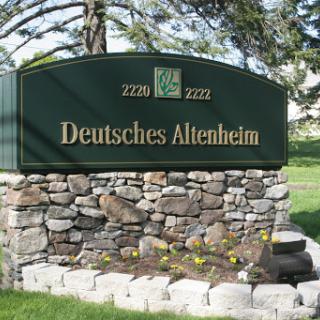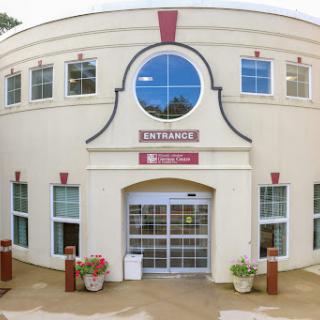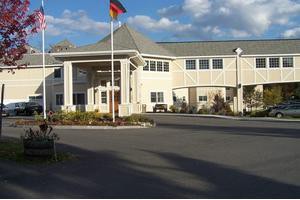
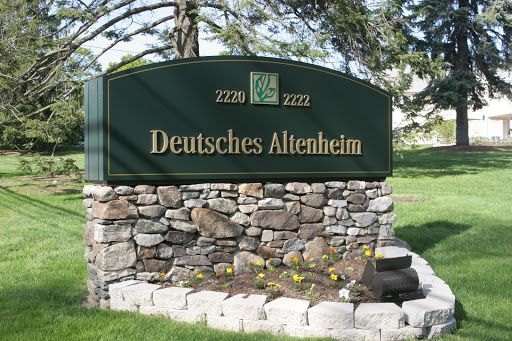
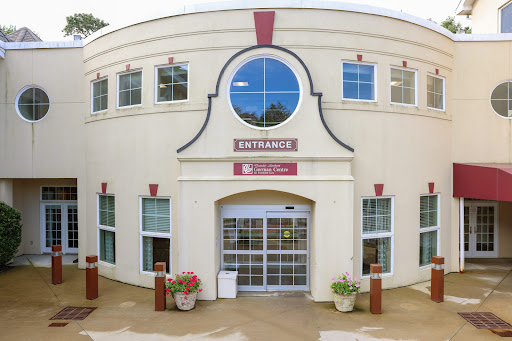

2222 Centre Street, Boston, MA 02132
For more information about senior living options: (866) 208-4318
Overall Review of German Center For Extended Care
Pros
 She is happy and content at the German Center.
- She is pleased with what's going on there.
- The place is fine.
Cons
 They took her out of assisted living and put her in the nursing home because she has fallen.
Review
Who this community serves best: The German Center for Extended Care is most appropriate for seniors who have reached a point where skilled nursing care is necessary, especially after a fall, and for families needing a dependable, transition-friendly environment. The available firsthand feedback places a resident in a nursing home after a fall and notes that she is happy and content there, with no desire to leave. That outcome signals a facility capable of handling a step-up in care without destabilizing the resident’s sense of security. For decision-makers facing an escalation in medical needs, this community offers the kind of structured, medically attentive setting that reduces uncertainty during a difficult transition.
Who may want alternatives: If independence and assisted living are non-negotiable priorities, this may not be the right fit. Those seeking a more independent, home-like atmosphere with fewer medical interventions, broader social programming aimed at minimal assistance, or a setting that feels less institutional should consider other options. The emphasis here on moving residents into a nursing home after a fall suggests a facility oriented toward higher care levels; families prioritizing strong preservation of autonomy or a different lifestyle may want to explore communities with a lighter care footprint or a broader array of assisted living services.
How the key pros offset the main cons: The clearest pro is reliable care transition when medical needs escalate. The resident’s happiness and contentment after the move indicate effective care planning, responsive staff, and a stable routine that supports safety and continuity. This kind of alignment between care level and resident experience is hard to achieve and speaks to credible nursing oversight, daily structure, and a predictable environment. The implicit con, potentially, a resident’s loss of independence or a sense of being “moved up” to nursing care, appears mitigated in this case by the resident’s own assurance that she is content and not seeking to return to a prior setting. In practical terms, for families facing a fall-related transition, these positives translate into lower risk of care gaps, fewer repeated hospital visits, and stronger peace of mind about daily supervision and rehabilitation potential.
What the limited review leaves unanswered, and how to probe: The single available review provides a favorable impression but leaves important realities unverified. Prospective residents and families should verify fall-prevention programs, the cadence of supervised care, and the availability of rehabilitative services geared to short-term recovery versus long-term nursing care. Important questions include staff-to-resident ratios, how often care plans are updated, the ease of consulting clinicians, and whether there is a clear path to adjust care levels if recovery permits a return to assisted living. Also worth confirming is whether the environment feels as culturally or linguistically aligned as families expect, given the German branding, and how activities and social opportunities are structured for residents who require varying levels of assistance.
Practical decision steps: Begin with a candid visit focusing on safety, staff responsiveness, and the clarity of care transitions. Request recent fall data, incident-response timelines, and examples of how care plans change as residents’ needs evolve. Talk to residents and families about daily routines, meal quality, and participation in activities, ensuring these align with personal preferences for engagement and privacy. Assess rehab pathways, length, goals, and discharge criteria, as these determine whether the facility can actively support short-term recovery with a steady plan toward renewed independence if possible. Finally, compare cost structures and what is included in nursing care versus potential stays in assisted living elsewhere to gauge overall value and long-term financial predictability.
Bottom-line recommendation: For families confronting a fall or other escalation that necessitates nursing-level care, the German Center for Extended Care presents a credible, steady option where a resident’s contentment signals effective alignment between care needs and services provided. The primary advantage, structured, attentive nursing care that stabilizes the situation without triggering ongoing dissatisfaction, outweighs the main drawback inherent in any transition to a higher level of care: reduced independence. Alternatives are worth considering for those who prioritize continued assisted living or a less clinical environment, but for residents who require reliable nursing oversight and a settled, safe routine, this center deserves serious consideration and a thorough visit to confirm fit.
 133 resident community capacity
 Skilled Nursing Facility
 Air-conditioning
 Beauty salon
 Cable or satellite TV
 Computer center
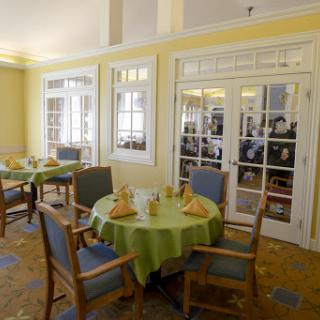
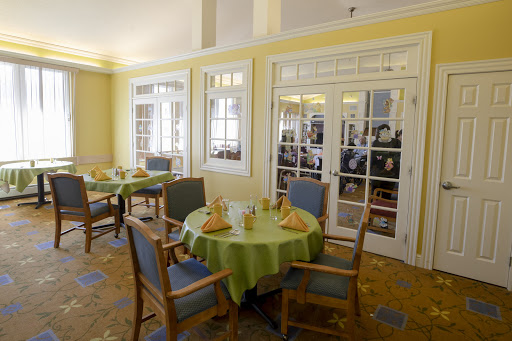
 Dining room
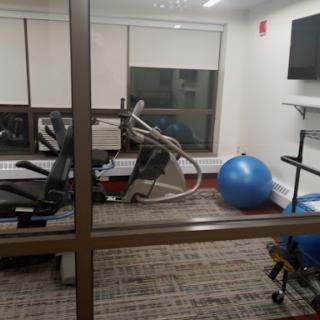
 Fitness room
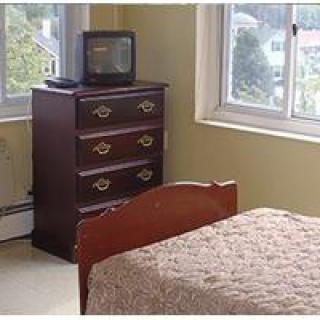
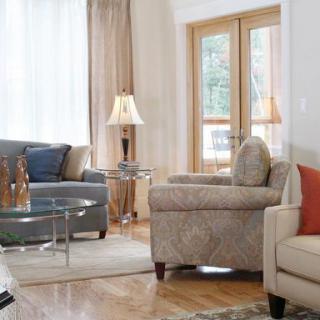
 Fully furnished
 Gaming room
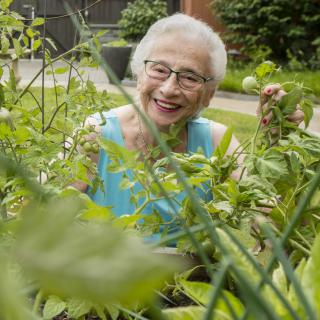
 Garden
 Housekeeping services
 Kitchenette
 Move-in coordination
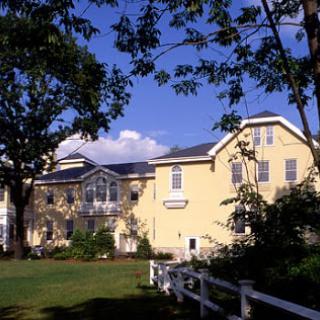
 Outdoor space
 Private bathrooms
 Restaurant-style dining
 Small library
 Telephone
 Wellness center
 Wi-Fi/high-speed internet available
 Gen Edw L Logan International (10 miles away)
 Community operated transportation
 12-16 hour nursing
 24-hour call system
 Activities of daily living assistance
 Assistance with bathing
 Assistance with dressing
 Assistance with transfers
 Diabetes diet
 Medication management
 Mental wellness program
 Special dietary restrictions
 Concierge services
 Planned day trips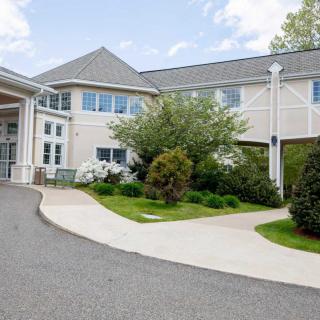


 In-Home Care Costs in 2025: A Detailed State-by-State Exploration
 Understanding Home Health Care: A Comprehensive Guide
 Home Health Care Demystified: A Comprehensive Guide for Families and Caregivers