

5060 Washington St, West Roxbury, MA 02132
To contact a resident: (617) 323-5440
For more information about senior living options: (866) 208-4318
Overall Review of Comfort Creek
Pros
 The staff are very friendly.
- The nurses are very helpful and available when needed.
- The meals are delivered on time and the activities are fun.
- The activities are very entertaining and the movies are up to date.
- The place is very quiet, and people are really nice and friendly.
- The nursing staff is phenomenal and the CNAs are stupendous, providing the ultimate care.
- The rehab department is great.
- HR makes onboarding a breeze.
Cons
 A reviewer describes the center as a joke, citing mice droppings, roaches in the rooms, and staff who repeatedly ignored patients.
- A reviewer alleges a blind patient lacked the necessary durable medical equipment and had to sit in soiled briefs for hours.
- The operator is accused of treating a client like garbage and hanging up, suggesting staff lack empathy and education.
- The staff are described as largely unprofessional, lazy, and content to perform only the bare minimum.
- The facility is said to be infested with cockroaches and spiders, while prioritizing insurance payments over patients’ well-being.
- Several reviewers warn that this is the worst place to send loved ones and describe neglect of patients.
- Nurses and aides are accused of not caring for patients, shoving food too quickly to a person with cerebral palsy, and ignoring requests for help.
- A report mentions rude phone interactions and long delays before assistance.
Review
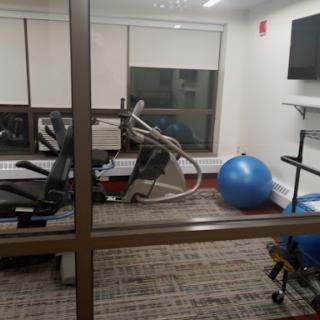
Comfort Creek in West Roxbury is best suited for families seeking a care setting where nursing attention and a lively activity program are central, and where a resident can benefit from a strong rehabilitation emphasis. The community tends to shine for those who want readily available nurses and aides, timely meals, and a schedule with engaging outings and entertainment. It can be an excellent match for a loved one who thrives on consistent social activity, straightforward access to rehabilitation services, and a generally welcoming, personable staff. However, this suitability hinges on reliable oversight and an environment where safety and cleanliness are consistently maintained.
The strongest positives cited by residents and families center on the personal warmth of staff, the availability of nurses, and the care culture that supports daily activities. Families repeatedly note the kindness and responsiveness of caregivers, along with on-time meal service and a rehab department that delivers tangible progress. The activities program, movies, outings, and varied recreation, also stands out as a lifeline for social engagement and mental stimulation. When these elements work well, residents enjoy a sense of community, purposeful days, and reassurance that skilled hands are nearby when needed.
Yet a substantial body of feedback presents severe concerns that cannot be ignored. Several reviews describe infestations and dirty conditions, with references to mice droppings, roaches, and persistent hygiene lapses in rooms. There are repeated accounts of staff failing to respond promptly or to meet basic needs, including inadequate equipment and insufficient assistance for residents with disabilities. The degree of dissatisfaction extends to claims of unprofessional behavior, language barriers, and management gaps, including complaints about a director or administrator not returning calls or acting decisively on problems. Taken together, these reports signal real safety and reliability risks that demand rigorous verification.
These contrasting experiences frame a clear dilemma: the pros can deliver meaningful, uplifting daily life, rehab progress, and a friendly caregiving environment, but the cons raise legitimate concerns about safety, consistency, and oversight. For residents with strong family involvement or robust advocacy who can monitor care and push for timely responses, the positives may substantially offset the negatives. For others, especially those with high medical or cognitive needs, or who require a consistently spotless, error-free environment, the potential downsides could outweigh the benefits.
Prospective families should approach with a focused checklist. Inquire about current staff-to-resident ratios on day and night shifts, turnover rates, and how quickly aides respond to call bells. Request objective hygiene and pest-control records and ask to see recent inspection reports, maintenance logs, and any open corrective-action plans. Probe the rehab program’s structure: frequency, goals, progress tracking, and how therapy sessions are coordinated with family goals. Seek candid examples of how concerns are documented and escalated, and insist on observing a tour during a typical activity period to gauge tone, responsiveness, and safety practices first-hand.
Ultimately, Comfort Creek can be a good fit for families prioritizing rehab, social engagement, and a friendly, attentive staff, provided vigilant oversight is in place and expectations are aligned with the facility’s current operations. If clean surroundings, consistent safety, and reliable, proactive care are non-negotiable, alternatives should be explored. The decision hinges on balancing the strong, people-centered care and vibrant programming against the risk signals of neglect and inconsistency; when the balance tips toward safety and reliability, different paths may offer greater peace of mind for the entire family.
 Skilled Nursing Facility
 Gen Edw L Logan International (10 miles away)







 Understanding the Full Cost of 24/7 In-Home Care: A Detailed Overview
 Exploring the World of Home Health Nurses: Qualifications, Roles, and Hiring Tips
 Navigating Medicare Coverage for In-Home Care Services