
6 Longwood Drive, Westwood, MA 02090
To contact a resident: (781) 320-1999
For more information about senior living options: (866) 208-4318
White Oak Cottages Costs & Pricing
White Oak Cottages offers a monthly rate of $8,950 for a one-bedroom accommodation, positioning itself significantly above the average costs in both Norfolk County and the broader Massachusetts area. In comparison, Norfolk County averages around $5,598 per month, while the statewide average is slightly lower at approximately $5,349. This indicates that White Oak Cottages provides a premium living experience that may reflect enhanced services or amenities tailored to residents seeking a higher standard of care or quality of life. As potential residents weigh their options, it's essential to consider what specific benefits and features justify the elevated cost in this competitive market.
| Floor plans | White Oak Cottages | Norfolk County | Massachusetts |
|---|---|---|---|
| 1 Bedroom | $8,950 | $5,598 | $5,349 |
Memory care communities with a similar price nearby
-
from +$600 / mo
Bridges® By Epoch At Sudbury
$9,550 to $10,115 / month14.0 miles away -
from +$550 / mo

Bridges by EPOCH at Lexington
$9,500 / month14.4 miles away -
from +$1395 / mo
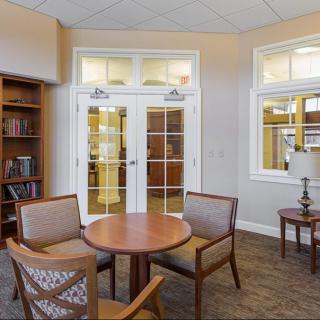
Bridges® By Epoch At Westford
$10,345 to $11,235 / month24.9 miles away -
from -$650 / mo
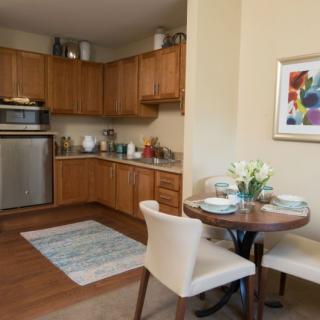
Whitney Place at Sharon
$8,300 to $9,400 / month10.0 miles away -
from -$1071 / mo
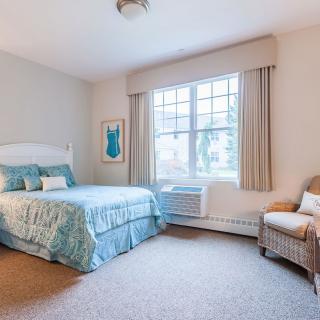
Allerton House At Harbor Park
$7,879 to $9,839 / month15.5 miles away
Overall Review of White Oak Cottages
Pros
 The facility is beautiful and well structured for memory care.
- The activities for residents are plentiful and a core strength.
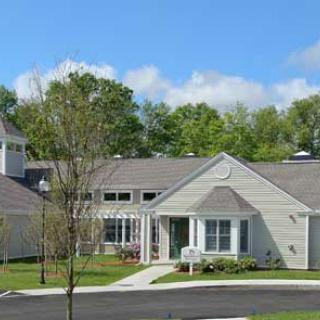
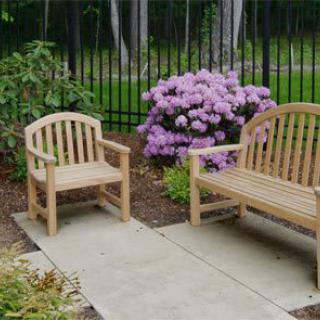
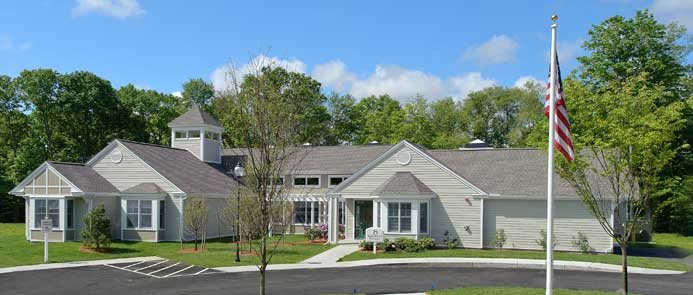
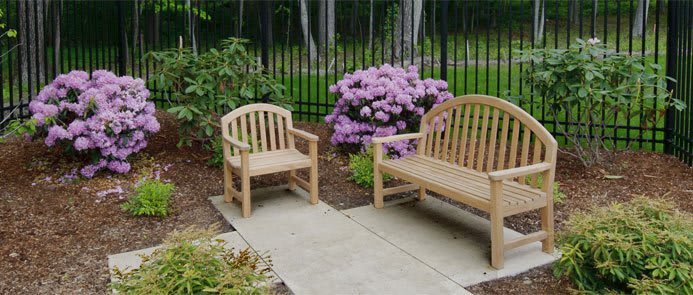
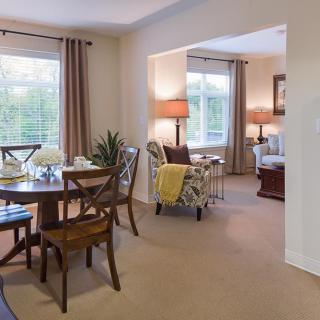
- The memory care setting features beautiful grounds and living areas.
- It provides specialized individual care for residents as they age, including those with memory issues.
- White Oak Cottages are very nice, with interior doors that help prevent wandering and strong staff oversight.
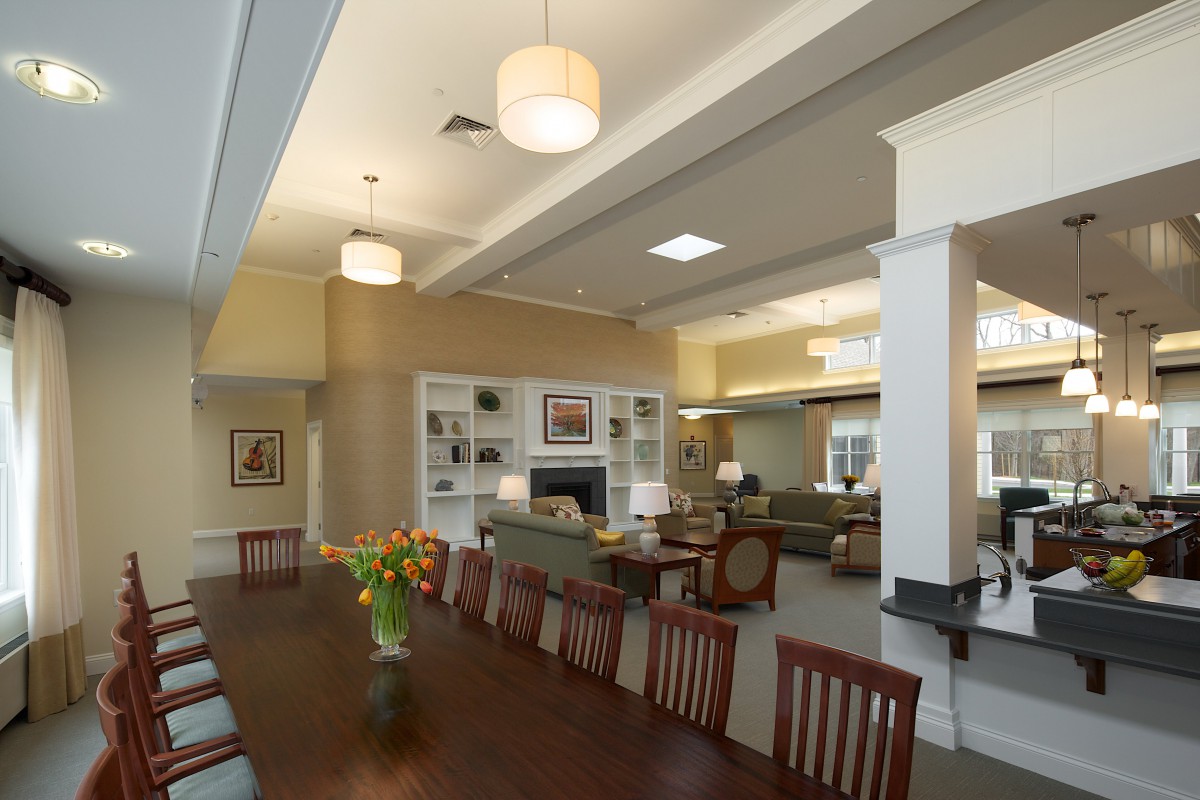
- The environment features a central atrium, a kitchen in the middle for snacks, and comfortable living spaces with a fireplace.
- On-site dining with a daily menu adds convenience for residents.
Cons
 They felt the physical care was lacking.
- They noted insufficient oversight of the nursing assistants.
- They disagreed with the philosophy of care and how that care is structured.
- Residents are not assigned caregivers, so really no one is in charge.
- They experienced the care as haphazard and not conducive to developing relationships between caregivers and residents.
- Administration being across the road from the houses contributes to a lack of oversight.
Review
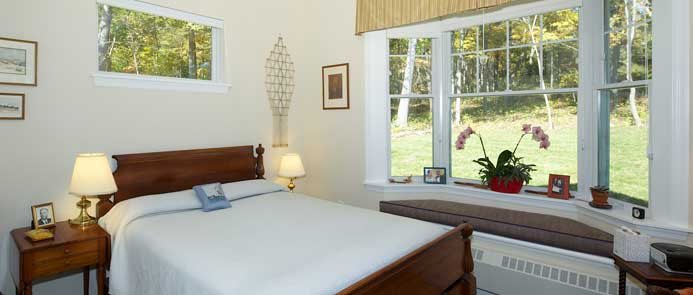
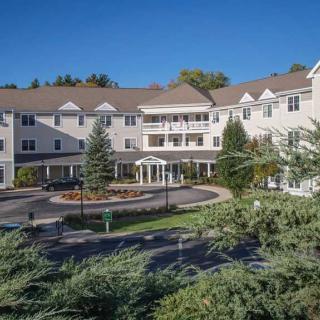
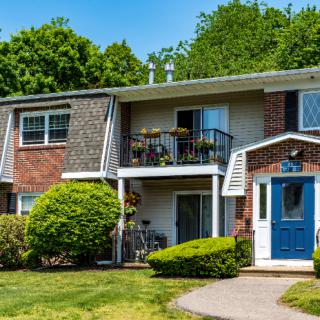
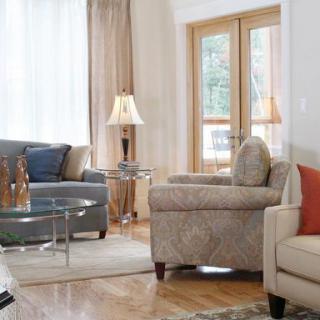
White Oak Cottages in Westwood is best suited for families prioritizing memory-care specialization within a warm, apartment-like cottage setting. The campus feels designed for cognitive impairment, with a central atrium layout, secure doors, and a kitchen hub that invites residents to snack and socialize. The strongest selling point is the abundance of activities structured to occupy minds and bodies daily, a real asset for memory care where engagement drives quality of life. The environment is aesthetically pleasing: well-kept grounds, living areas, a fireplace lounge, and on-site dining that makes meals predictable and comforting. The on-site nursing presence adds professional legitimacy, supporting a framework where medical oversight exists alongside social opportunities. For households looking to minimize wandering risk while keeping residents engaged, White Oak Cottages delivers a compelling, action-oriented memory-care option.
However, this is not a catch-all solution. Families should consider alternatives if the priority is highly personalized, continuously coordinated caregiving. The facility operates with RNs on site, but there is no assigned caregiver for each resident, which can leave care feeling unfocused and episodic. Without one person guiding the daily routine, oversight of CNAs can become inconsistent, and families may encounter a sense that care is haphazard rather than intentional. The administration being located across the street can compound these gaps, making it harder for families to see accountability in real time. Some reviewers reported management concerns, underscoring the need for thorough due diligence before choosing this setting.
On the plus side, the memory-care focus is tangible in practice. The grounds and living spaces are attractive, and security measures, doors locked from the inside, provide peace of mind for families concerned about wandering. Staffing levels feel sufficient, contributing to visible monitoring during the day. The central atrium footprint creates an intuitive spatial flow, and the mid-house kitchen with a refrigerator fosters spontaneous snacks like ice cream, which can be a welcome comfort for residents. Daily menus and on-site cooking staff are also a plus, supporting routines around meals and social interaction. The combination of a dedicated memory environment with real-time dining options helps residents stay engaged without feeling isolated, a meaningful advantage over more clinical settings.
Yet the gaps in care structure matter. The absence of assigned caregivers can hinder relationship-building, which matters deeply to memory-impaired residents who benefit from familiar faces. Families report that nursing care is reasonable but not uniformly coordinated with the CNAs, and the care philosophy may clash with what a family expects in terms of daily oversight and accountability. When the administrative function sits across the road, response times and hands-on governance can feel slow, particularly during busy shifts. The result can be a perception of care that is organized in theory but not consistently mapped to each resident’s daily needs. These structural issues resemble classic memory-care trade-offs: plenty of activity and supervision, yet less reliability in day-to-day caregiver continuity.
Nevertheless, the existing strengths do offset many downsides for certain profiles. For residents who crave a robust activity calendar, secure environment, and social opportunities, the pros actively counterbalance the risk of fragmented caregiving. The RN presence adds a layer of clinical accountability, and the centralized layout supports easy supervision by staff. The homelike ambiance and accessible meals create predictable routines that reduce anxiety and confusion. For families willing to engage proactively, visiting, meeting with a coordinator, and sometimes stepping in to align daily routines, the care gaps can be mitigated. The question becomes whether these compensations align with a loved one’s need for consistent, one-on-one caregiving, or whether that need is non-negotiable.
Bottom line: White Oak Cottages suits memory-impaired seniors who benefit from a lively, structured environment and ready access to on-site dining and supervision, provided families are prepared to oversee care dynamics and advocate for consistent caregiver assignment. Those seeking highly personalized daily oversight, rapid CNA responsiveness, or a single point of care manager should explore alternatives or plan strong, ongoing involvement with administration. Pros like engaging activities, secure doors, and a warm, home-like setting are meaningful advantages, but they only fully pay off when care coordination keeps pace. Prospective families should request current staffing models, ask how caregiver assignments work in practice, and arrange a tour during active times to observe actual daily routines. If alignment is found, White Oak Cottages can be a strong fit; if not, it is prudent to look elsewhere.
 Memory Care
 Activities off-site
 Air-conditioning
 Bath tubs
 Beautician on-site
 Devotional services off-site
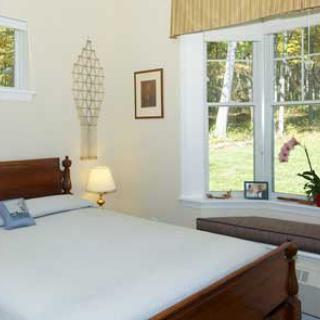
 Garden view
 Ground floor units
 Indoor common areas
 Outdoor common areas
 Private bathrooms
 Wheelchair accessible showers
 Wi-Fi/high-speed internet available
 Gen Edw L Logan International (14 miles away)
 Ambulatory care
 Incontinence care
 Medication management
 Anytime dining
 Art classes
 Cooking classes
 Day trips and outings
 Happy hour
 Live dance or theater performances
 Live musical performances
 Live well programs
 Trivia games
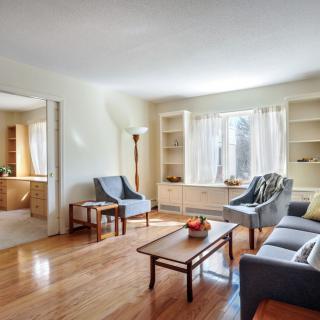


 When Dementia Sparks Anger and Aggression: Understanding the Connection and Ways to Cope
 Dementia Behaviors: In-Depth Understanding and Effective Coping Strategies
 5 Early Indicators of Dementia and What You Can Do