Traditions of Dedham offers a range of monthly costs for various room types that reflect the broader pricing trends in Suffolk County and Massachusetts. For instance, a studio apartment at Traditions is priced at $5,399, slightly above the county average of $5,278 but reasonably competitive within the state average of $5,312. The semi-private option is available for $5,799, surpassing both the county and state averages of $5,616 and $5,805 respectively. One-bedroom apartments are offered at $6,399, which stands out as higher than both Suffolk County's average ($5,439) and Massachusetts' overall rate ($5,349). Finally, the two-bedroom unit is priced at $7,599 - noticeably more than the county's average of $7,110 and significantly higher than the state's average of $6,151. This pricing structure illustrates how Traditions of Dedham positions itself in the local market while providing quality living options tailored to residents seeking assisted or independent living solutions.
Floor plans
Traditions of Dedham
Suffolk County
Massachusetts
Studio
$5,399
$5,278
$5,312
Semi-Private
$5,799
$5,616
$5,805
1 Bedroom
$6,399
$5,439
$5,349
2 Bedrooms
$7,599
$7,110
$6,151
Memory care communities with a similar price nearby
Residents receive hands-on nursing support, including hospice involvement described by families.
Several reviews describe strong nursing attention when health needs get serious, including a hospice recommendation and hands-on follow-through. A hospice nurse also describes the nursing and direct-care staff as caring and competent, with staff learning individuals and focusing on respect and dignity. The experience is presented as reassuring for families who wanted medical coordination handled at the community level.
common2 reviews mention this
Meals feel restaurant-level
Dining is consistently described as high-quality and restaurant-like.
Multiple reviews highlight the dining experience as a standout, with residents being served meals that feel comparable to restaurant quality. Reviews also mention strong service during meals, including staff who take time to address questions and provide attentive dining-room support. Dining is repeatedly tied to overall satisfaction with daily life at the community.
common2 reviews mention this
Activities keep days structured
Daily activities are frequent and help residents stay engaged.
Reviews describe a steady stream of scheduled activities, including live music and themed events, with families noticing their loved ones becoming more involved. Residents are also described as having something planned each day, with options like game nights, movie nights, and organized outings. For families, the structure around activities is repeatedly framed as part of why the transition works.
caveat2 reviews mention this
Pricing is a recurring concern
Pricing is described as higher than expected compared with other options.
Some reviews call out the cost as high, including concerns that services are not covered by insurance. Another review mentions that the community’s pricing came in higher than other nearby communities checked during a tour. If cost is a deciding factor, these reviews suggest budgeting carefully before committing.
How we summarize
Counts show how many written reviews mention each theme; a review can touch several themes, and only frequently mentioned themes are displayed.
Features
Housing
95 resident community capacity
1-bedroom apartments
2-bedroom apartments
Studio apartments
Types of Care
Assisted Living
Independent Living
Memory Care
Pets
Cats allowed
Dogs allowed
Amenities
Activities off-site
Activities on-site
Air-conditioning
Beautician on-site
Beauty salon
Cable or satellite TV
Cafe
Computer center
Devotional services on-site
Dining room
Fitness room
Full kitchen
Fully furnished
Gaming room
Garden
Ground floor units
Guasts at mealtime
Guest parking
Handicap accessible
Housekeeping services
Indoor common areas
Kitchenette
Laundry
Move-in coordination
Outdoor common areas
Outdoor space
Overnight guests
Party space
Private bathrooms
Resident parking
Respite or short term stays offered
Restaurant-style dining
Small library
Spa
TV room
Telephone
Wellness center
Wheelchair accessible showers
Wi-Fi/high-speed internet available
Transportation
Gen Edw L Logan International (13 miles away)
Community operated transportation
Transportation & parking
Transportation arrangement
Transportation arrangement (non-medical)
Transportation to doctors appointments
Care Services
12-16 hour nursing
24-hour call system
24-hour supervision
Activities of daily living assistance
Ambulatory care
Assistance with bathing
Assistance with dressing
Assistance with transfers
Coordination with health care providers
Diabetes diet
Diabetic care
Hospice care
Incontinence care
Meal preparation and service
Medication management
Mental wellness program
Mild cognitive impairment
Personal care assistants
Physical therapy
Special dietary restrictions
Specialized memory care programming
Transportation arrangement (medical)
Transportation to doctors appointments
Dining
Diabetes diet
Gluten-free
Guest meals
Low / no sodium
Low fat
Meals provided
No Sugar
Organic
Professional chef
Renal
Room service
Special dietary restrictions
Vegan
Vegetarian
Activities
Activities off-site
Art classes
Arts and crafts
Book club
Catholic services
Community-sponsored activities
Concierge services
Cooking classes
Cooking club
Day trips and outings
Devotional activities on-site
Educational speakers / life long learning
Fitness programs
Games
Gardening club
Happy hour
Jewish services
Karaoke
Live musical performances
Live well programs
Planned day trips
Protestant services
Religious services
Resident-run activities
Scheduled daily activities
Stories
Visiting chaplain or priest
Wii bowling
Wine tasting
Languages Spoken
English
Nearby Places of Interest
This part of Dedham, Massachusetts offers a convenient and diverse range of amenities for senior living. With multiple pharmacies such as CVS and Walgreens nearby, access to healthcare and medication is easily accessible. There are also a variety of restaurants offering different cuisines, from fast food options like Chick-Fil-A and McDonald's to more upscale dining experiences at Yard House and Corrib Pub & Restaurant. The proximity to hospitals like New England Baptist Outpatient Care Center and West Roxbury VA Hospital provides peace of mind in case of any medical emergencies. Additionally, there are cafes like Starbucks and French Press Bakery & Cafe for socializing or enjoying a quiet moment. Transportation options are also available with MBTA stations within a few miles, making it easy to explore the surrounding areas or visit loved ones. With parks like Cutler Park and Houghton's Pond nearby, there are plenty of opportunities for outdoor activities and relaxation. Overall, this part of Dedham provides a well-rounded environment for seniors looking for a comfortable and convenient place to call home.
Pharmacies
CVS Pharmacy (0.3 miles)
CVS Pharmacy (0.8 miles)
Wegmans (2.6 miles)
CVS Pharmacy (3.3 miles)
Walgreens (3.3 miles)
CVS Pharmacy (3.4 miles)
CVS Pharmacy (3.8 miles)
Restaurants
Yard House (0.6 miles)
Eggs & Thai Cafe (0.8 miles)
Chick-Fil-A (1.7 miles)
McDonald's (3.2 miles)
Corrib Pub & Restaurant (3.2 miles)
Castle Island Brewing (4.8 miles)
Wendy's (5.2 miles)
Hospitals
New England Baptist Outpatient Care Center (1 miles)
Traditions of Dedham offers a range of monthly costs for various room types that reflect the broader pricing trends in Suffolk County and Massachusetts. For instance, a studio apartment at Traditions is priced at $5,399, slightly above the county average of $5,278 but reasonably competitive within the state average of $5,312. The semi-private option is available for $5,799, surpassing both the county and state averages of $5,616 and $5,805 respectively. One-bedroom apartments are offered at $6,399, which stands out as higher than both Suffolk County's average ($5,439) and Massachusetts' overall rate ($5,349). Finally, the two-bedroom unit is priced at $7,599 - noticeably more than the county's average of $7,110 and significantly higher than the state's average of $6,151. This pricing structure illustrates how Traditions of Dedham positions itself in the local market while providing quality living options tailored to residents seeking assisted or independent living solutions.
The features offered by Traditions of Dedham are integral to providing comprehensive memory care for residents with dementia or Alzheimer's disease. With 24-hour supervision, residents receive constant support and safety assurance, which is vital in preventing wandering and ensuring immediate assistance in case of emergencies. Activities of daily living assistance, including help with bathing, dressing, and transfers, fosters independence while preserving dignity and comfort for residents. Coordination with health care providers guarantees continuity of care tailored to individual health needs, bolstered by medication management that ensures correct dosages are administered on time. Incontinence care addresses a sensitive issue with compassion, while meal preparation and service cater to nutritional needs essential for both physical health and cognitive function. Mental wellness programs coupled with specialized memory care programming engage residents meaningfully, promoting cognitive stimulation and social interaction. Additionally, the inclusion of physical therapy assists in maintaining mobility and overall well-being. Transportation arrangements for medical appointments further ensure that residents have access to necessary healthcare services without stress or inconvenience. Together, these elements create a nurturing environment that supports both the physical and emotional needs of individuals facing memory challenges.
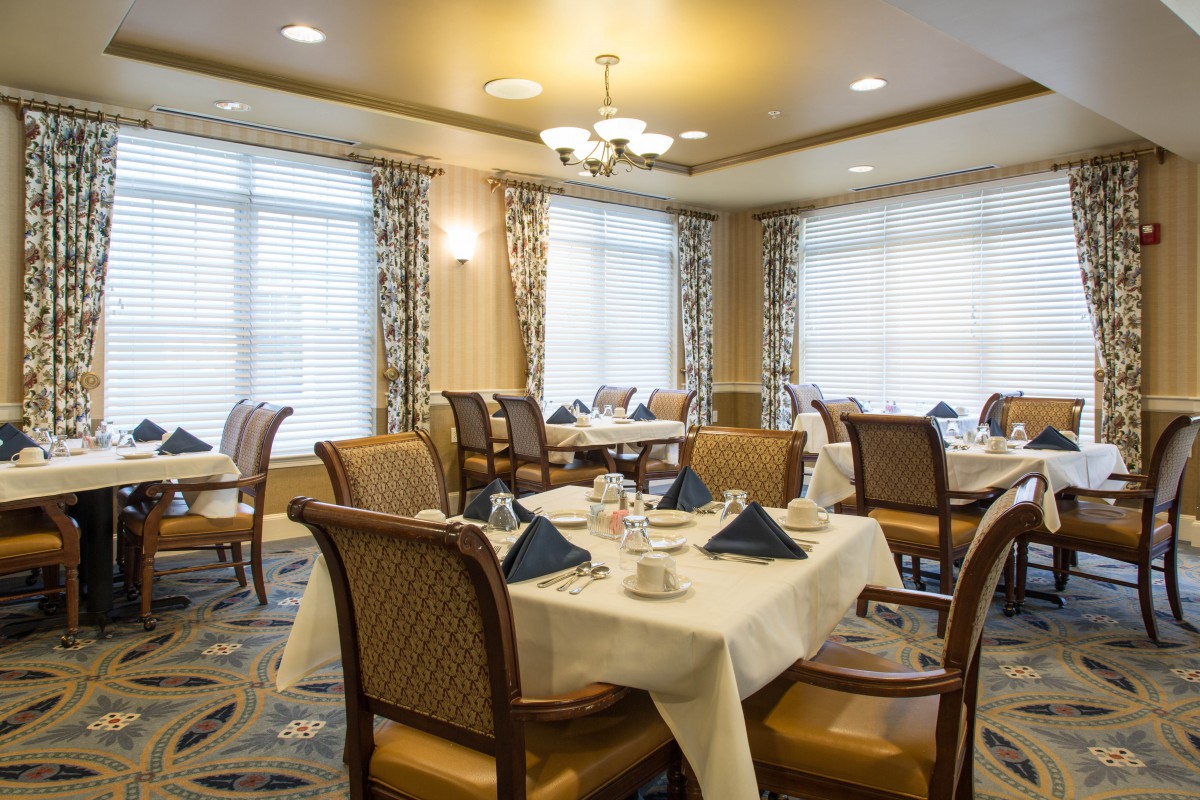
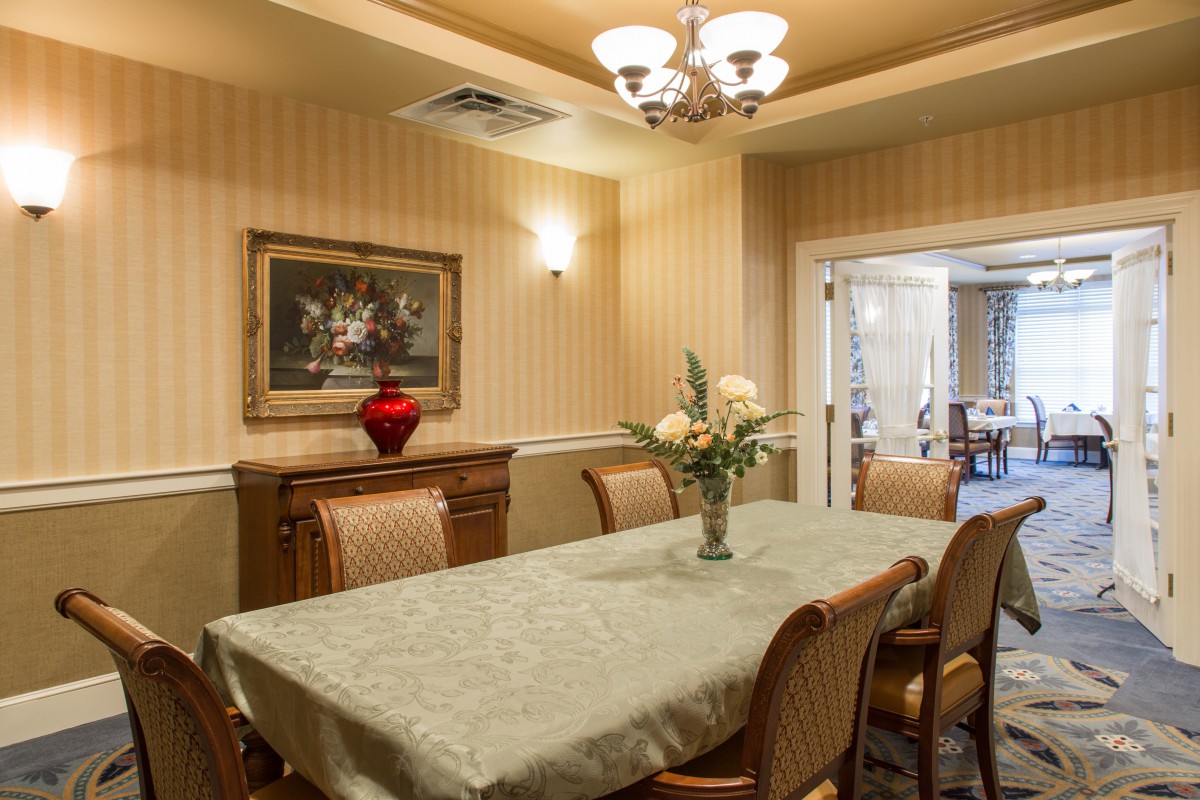
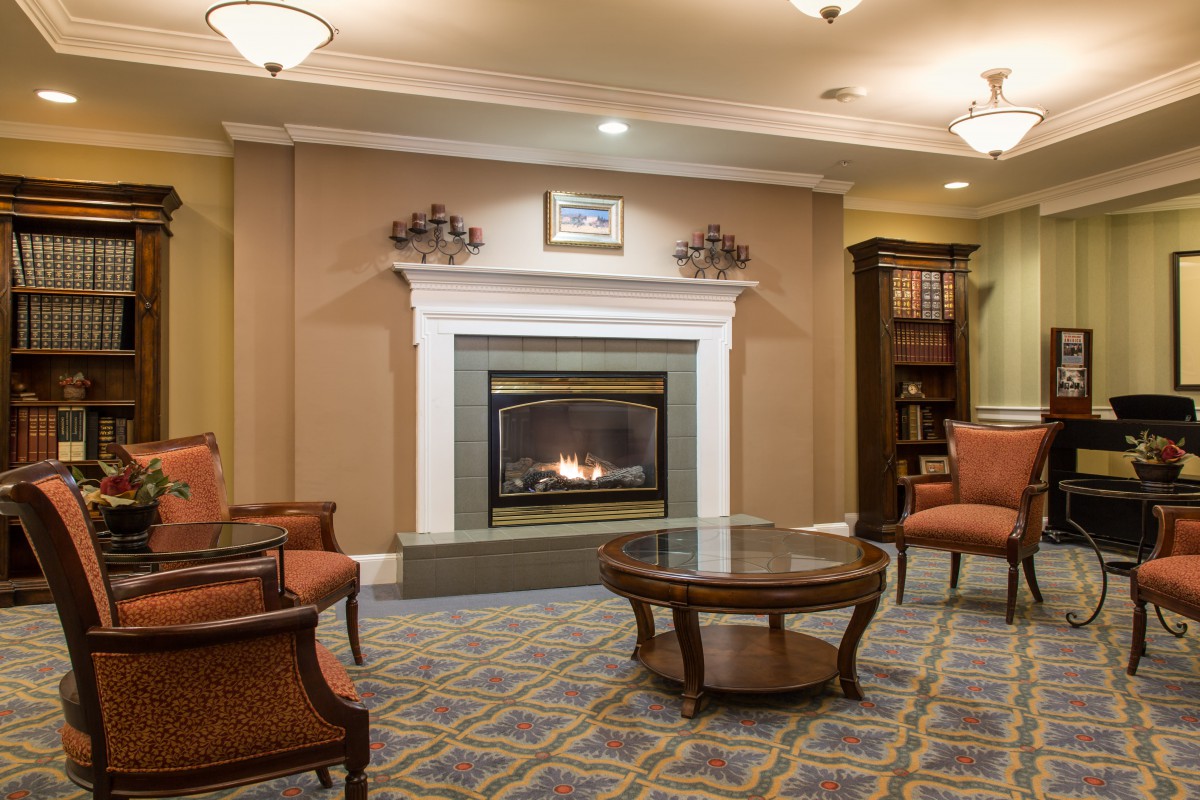
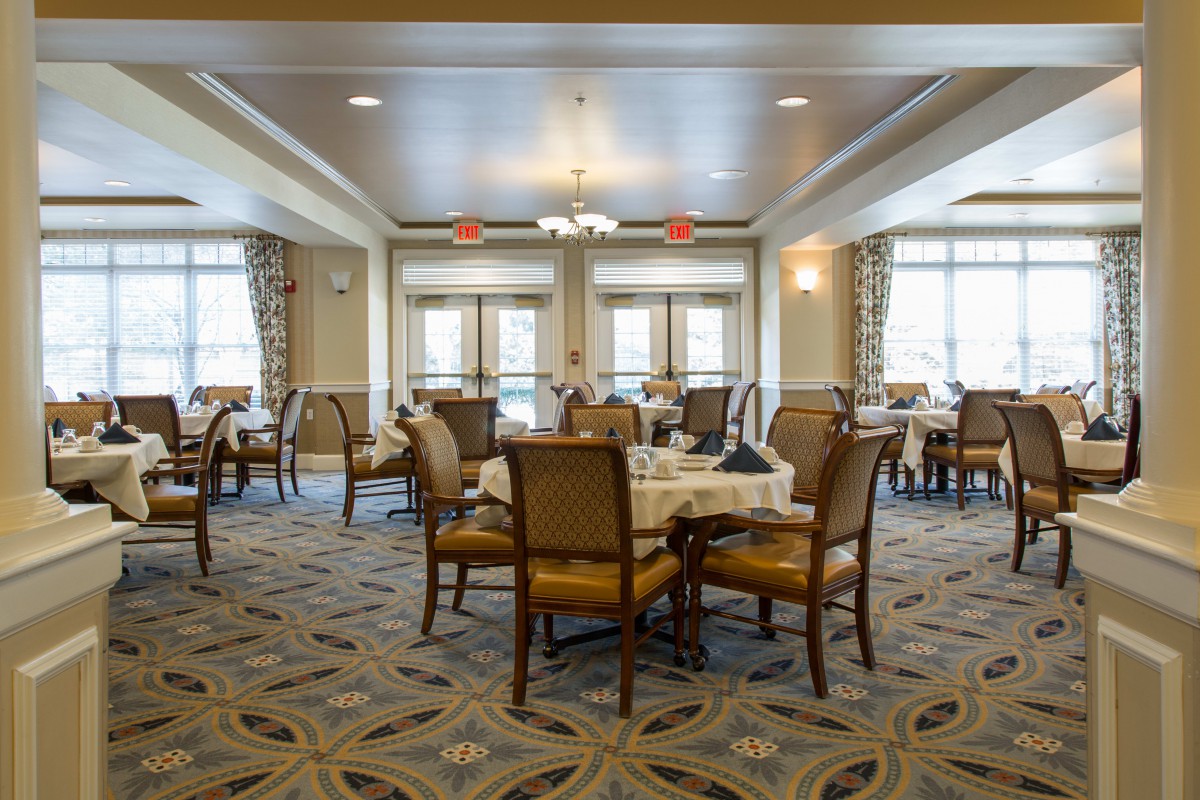
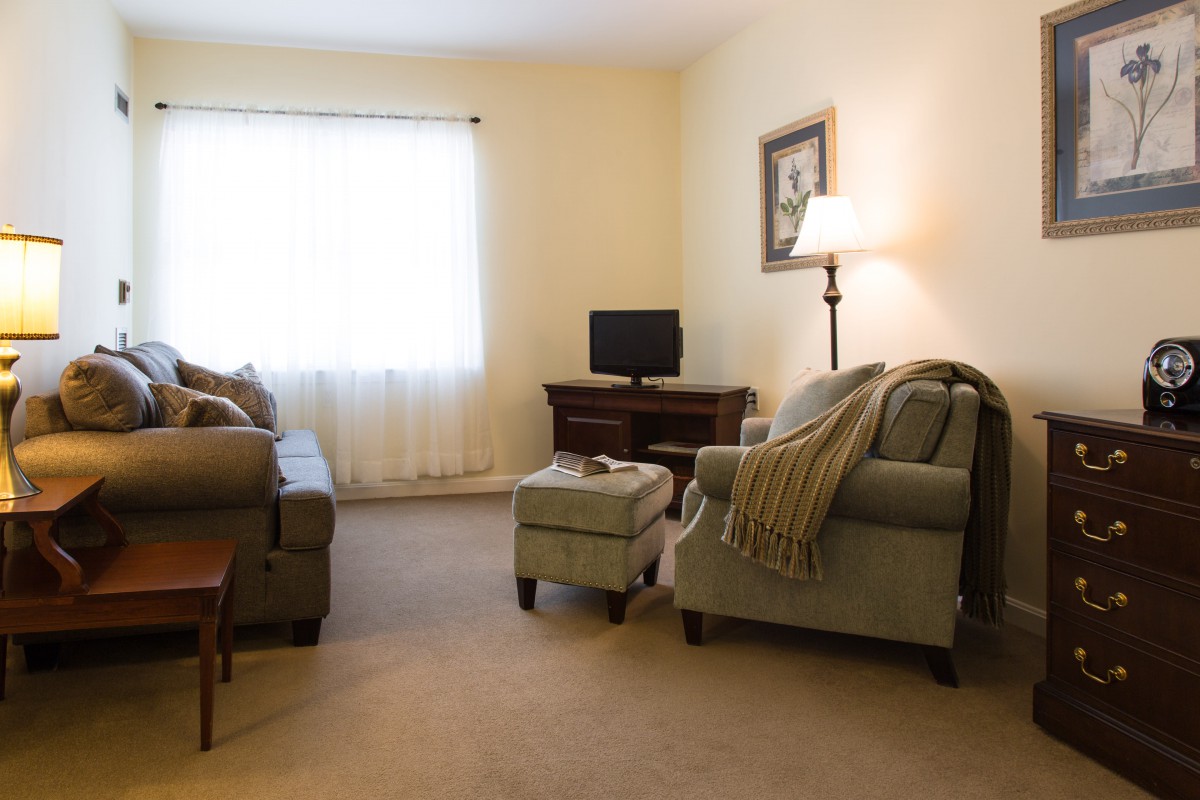
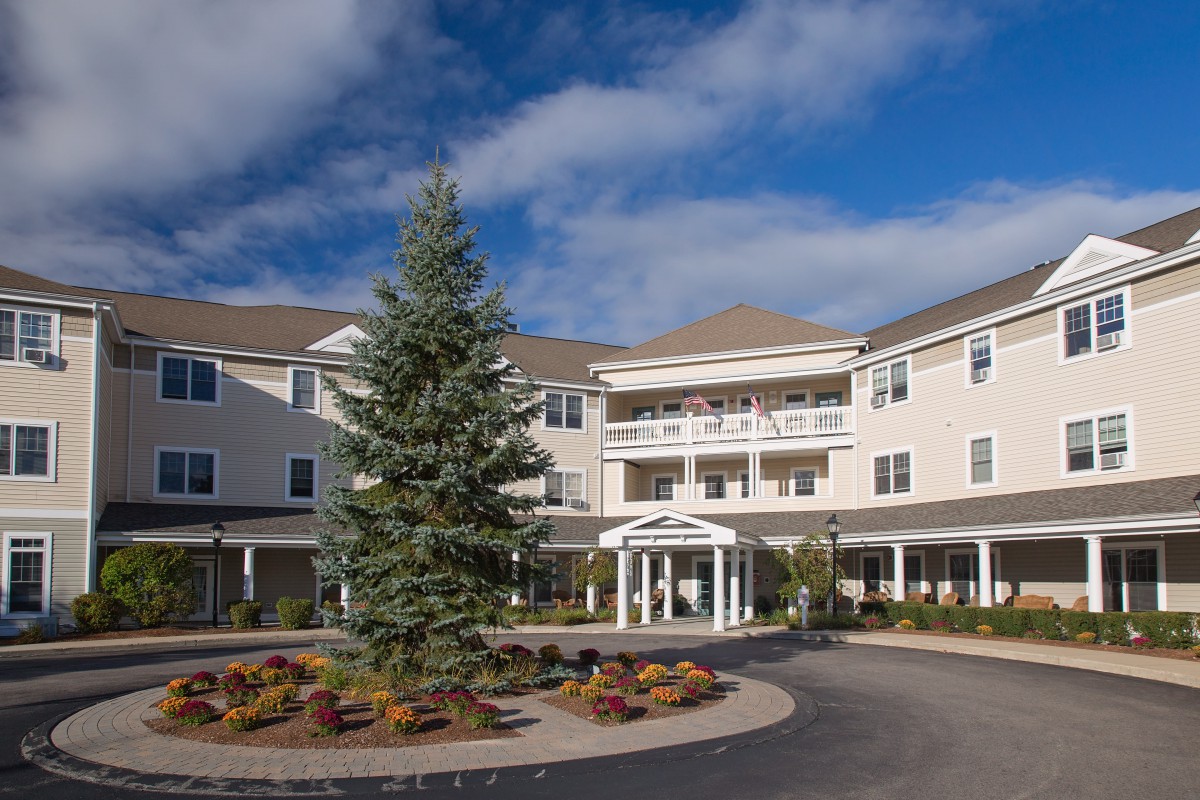
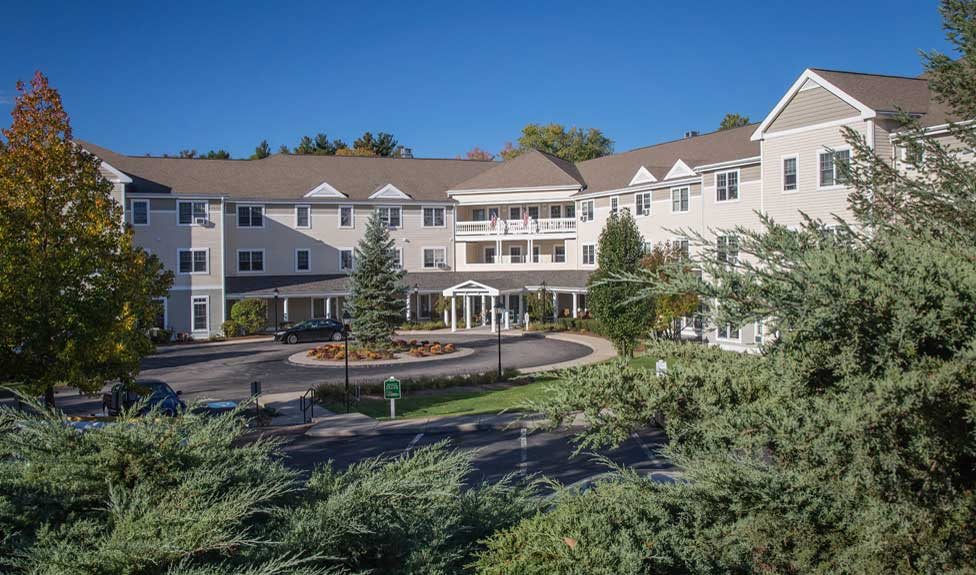
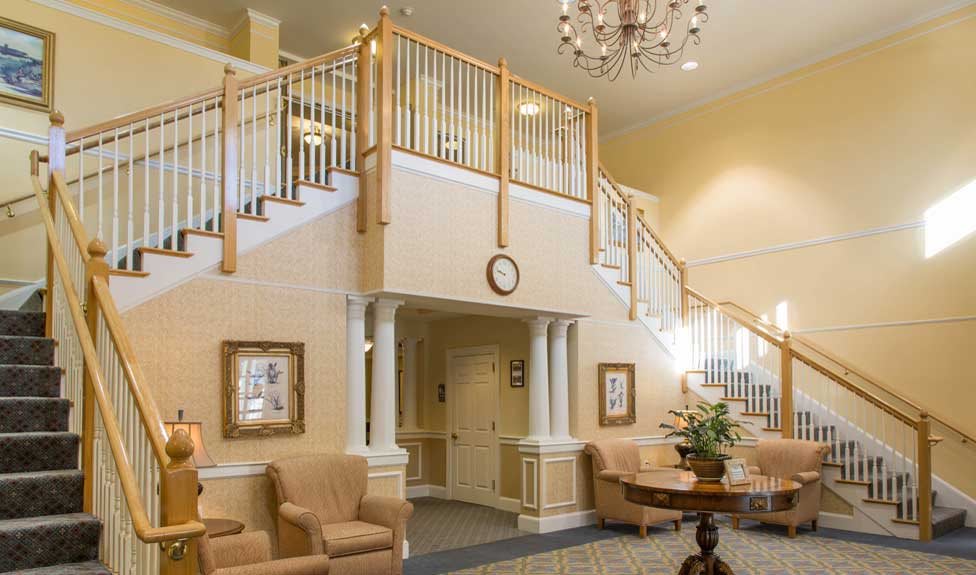
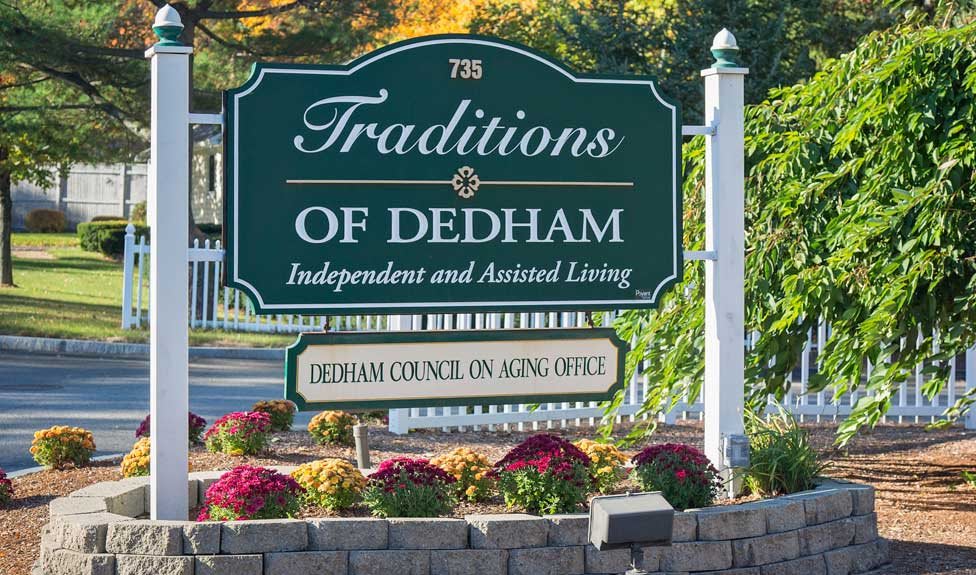
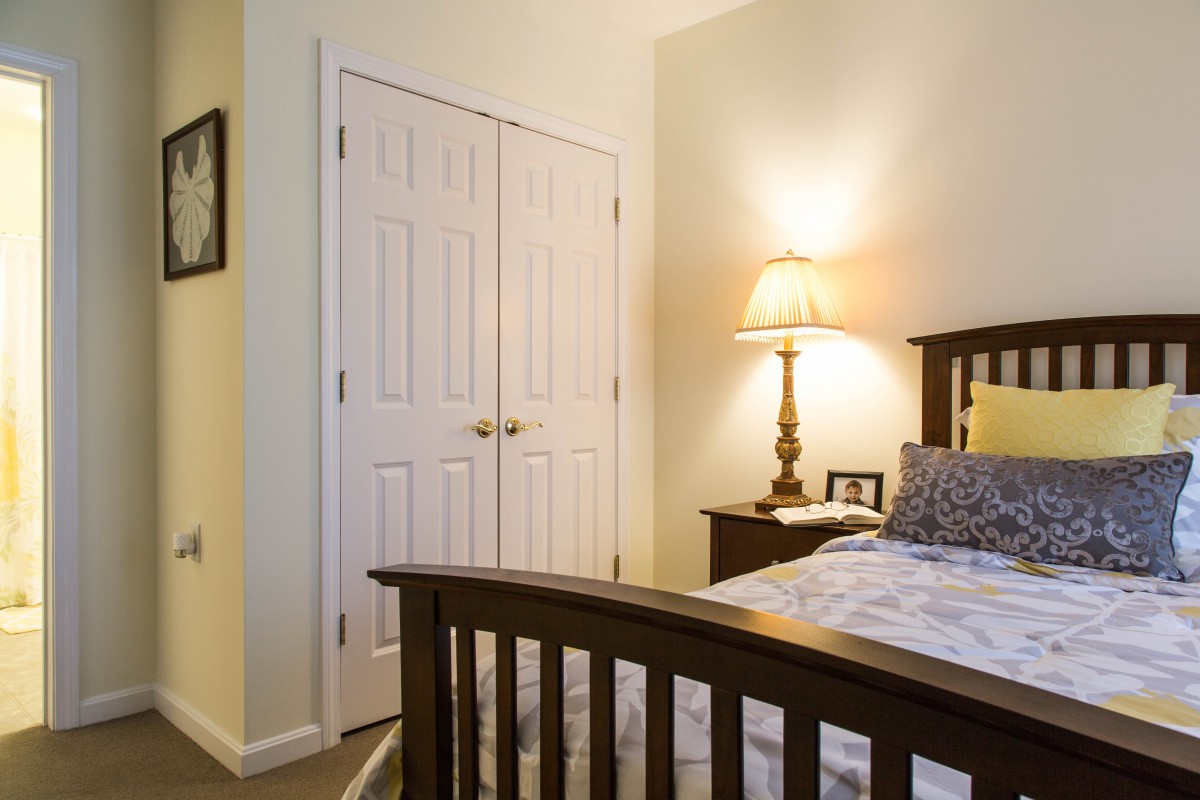
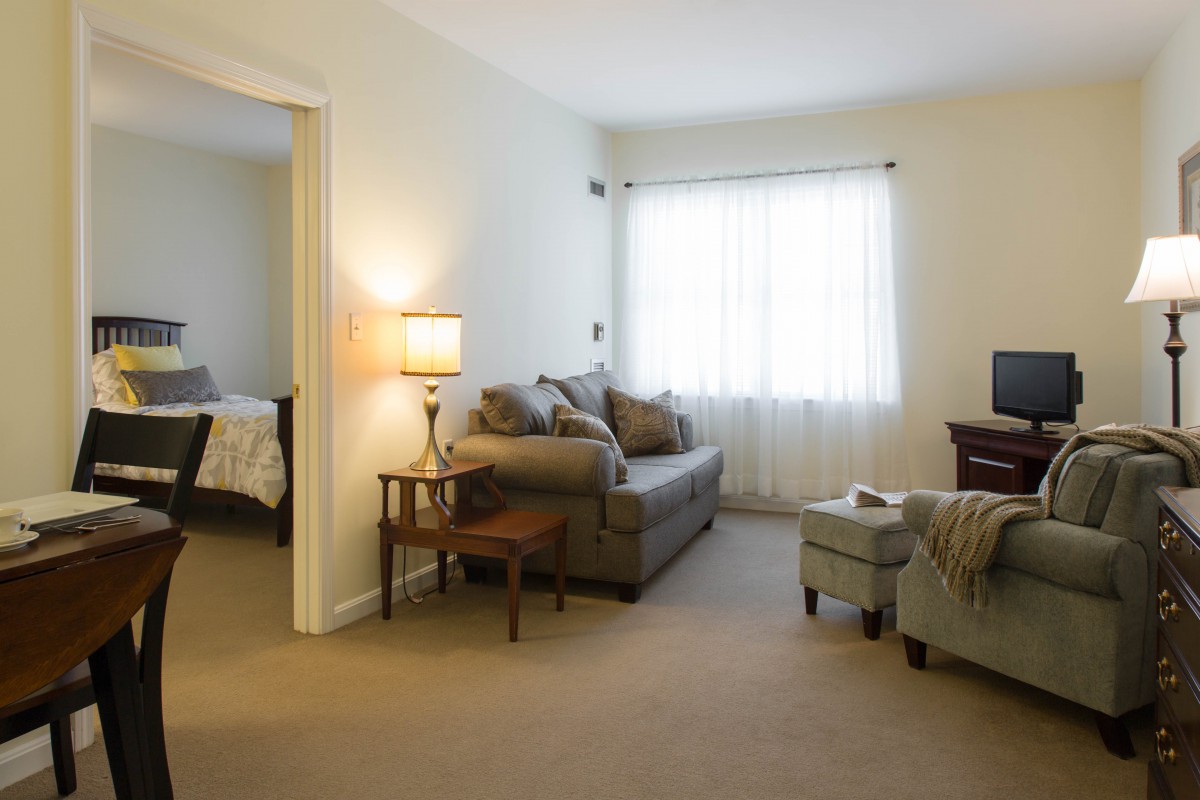
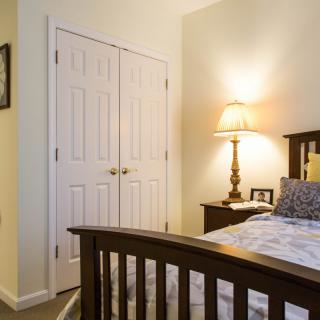
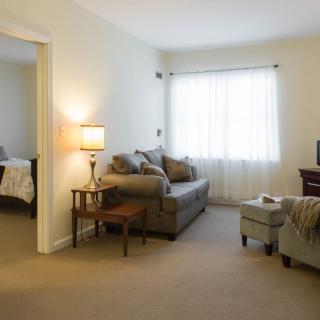
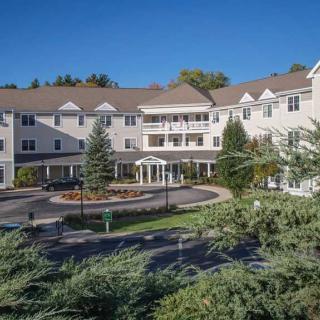
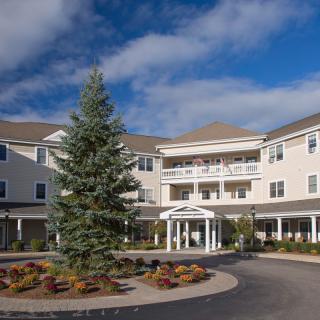
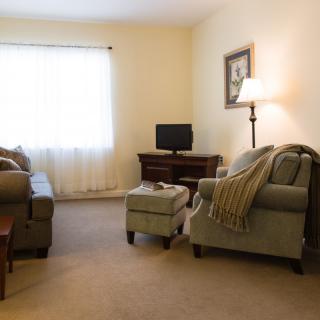
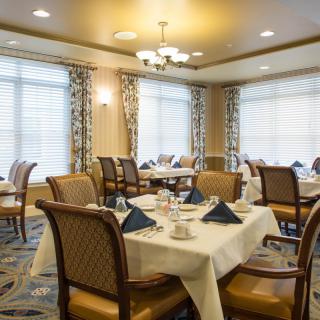
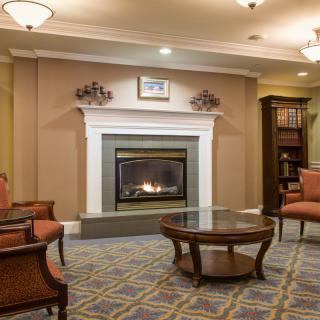
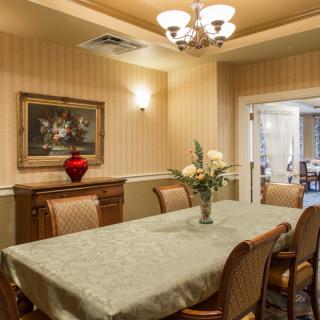
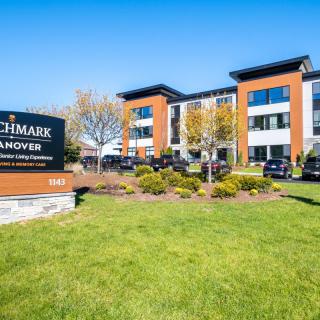
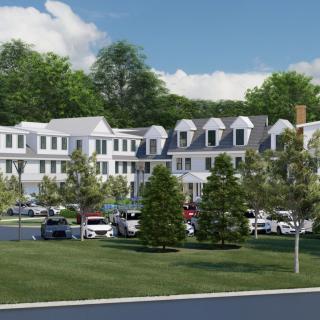
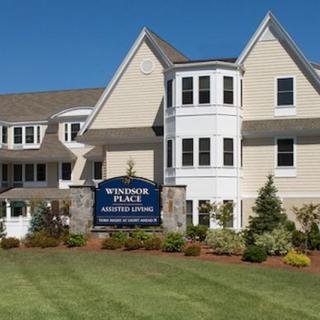
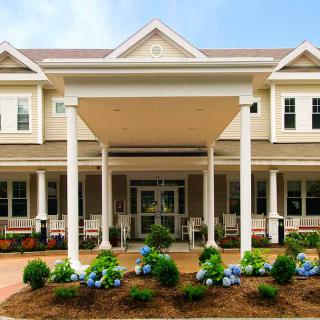
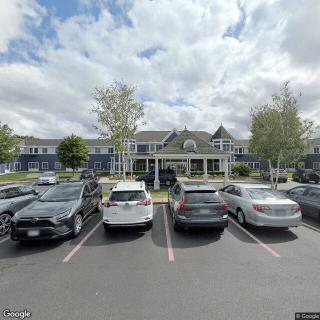
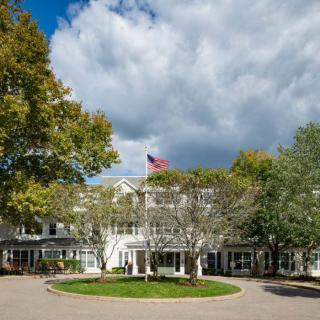
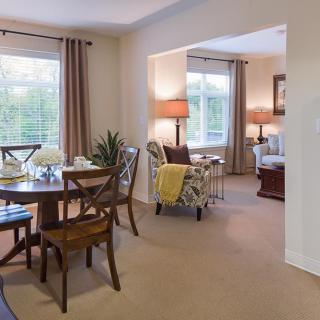
Traditions of Dedham on seniors.fyi includes 12 photos including images showing interior, dining, living room, windows, building, lighting, architecture, landscaping, and more.
Nearby Communities
Boston Home Infusion
Dedham, MA
4 from 61 reviews
Consistent staff interactions and proactive order management.
Kelly Margaret Home Health
Dedham, MA
4.5 from 31 reviews
Comprehensive senior care in a tranquil setting with many nearby amenities.
Amada Senior Care of Dedham, MA
Dedham, MA
5 from 102 reviews
Very convenient location with easy access to cafes, parks, pharmacies, doctors, restaurants, and hospitals.
NewBridge Independent Living
Dedham, MA
3.9 from 100 reviews
$4,752 to $5,791 / month
Vibrant community with extensive daily activities and clean, well-maintained facilities.
Living Angels
Dedham, MA
4.8 from 29 reviews
Caring, professional staff with strong communication and compassionate care.
Amada Senior Care of Boston MetroWest
Dedham, MA
5 from 100 reviews
Outstanding care with easy access to healthcare and amenities.
Fox Hill Village
Westwood, MA
4.8 from 43 reviews
Comprehensive CCRC with upscale amenities and an active, social community.
The Linden at Dedham
Dedham, MA
4.6 from 117 reviews
$5,045 to $6,200 / month
Attentive staff and a warm, well-maintained setting with engaging activities.
Benchmark Senior Living on Clapboardtree
Norwood, MA
4.7 from 66 reviews
$6,600 to $7,800 / month
Engaged staff with active resident programs and a clean, welcoming environment.
Vibrant Senior Living emphasizes active senior living communities that promote independence and engagement through diverse amenities and activities, fostering wellness and social interaction among older adults. These communities range from independent to assisted living, with a focus on personal growth, family involvement, financial planning, and leveraging technology to enhance residents' experiences.
Assisted living provides moderate support for seniors seeking independence, while memory care offers specialized support for individuals with dementia or cognitive impairments through structured routines and trained staff. Key differences include care approaches, environment security measures, staff training levels, activity types, and cost considerations.
Choosing between assisted living and nursing homes involves evaluating emotional and financial factors, with assisted living offering independence and support for daily activities at a lower cost, while nursing homes provide intensive medical care for individuals with significant health needs. The decision is influenced by personal preferences, health status, cognitive function, and varying Medicaid coverage across states.
Get PricingAsk A QuestionSchedule A TourContact Senior Advisor
By clicking submit, you agree to our Partner's Terms of Use. You
also consent to receive calls and texts, which may be autodialed, from our Partner. Your consent is not a condition to
using our Partner's service. Please visit our Partner's Privacy Policy for information about their privacy practices.



 95 resident community capacity
 1-bedroom apartments
 Assisted Living
 Independent Living
 Memory Care
 Cats allowed
 Dogs allowed
 Activities off-site
 Air-conditioning
 Beautician on-site
 Cable or satellite TV
 Cafe
Cafe Computer center
 Devotional services on-site
 Dining room
 Fitness room
 Full kitchen
 Fully furnished
 Gaming room
 Garden
 Ground floor units
 Guest parking
 Handicap accessible
 Housekeeping services
 Indoor common areas
 Laundry
 Move-in coordination
 Outdoor common areas
 Overnight guests
 Party space
 Private bathrooms
 Respite or short term stays offered
 Restaurant-style dining
 Small library
 Spa
Spa Telephone
 Wheelchair accessible showers
 Wi-Fi/high-speed internet available
 Gen Edw L Logan International (13 miles away)
 Community operated transportation
 12-16 hour nursing
 24-hour call system
 Ambulatory care
 Assistance with bathing
 Assistance with dressing
 Assistance with transfers
 Diabetes diet
 Diabetic care
 Hospice care
 Incontinence care
 Medication management
 Mental wellness program
 Physical therapy
 Special dietary restrictions
 Transportation arrangement (medical)
 Art classes
 Book club
 Catholic services
 Concierge services
 Cooking classes
 Day trips and outings
 Educational speakers / life long learning
 Games
Games Happy hour
 Jewish services
 Karaoke
 Live musical performances
 Wii bowling
 Wine tasting
 English
 Consistent staff interactions and proactive order management.

 Vibrant Senior Living: A Comprehensive Guide for Active Older Adults
 Assisted Living and Memory Care: Understanding Their Core Differences
 Choosing the Right Senior Care: A Detailed Exploration of Assisted Living and Nursing Homes