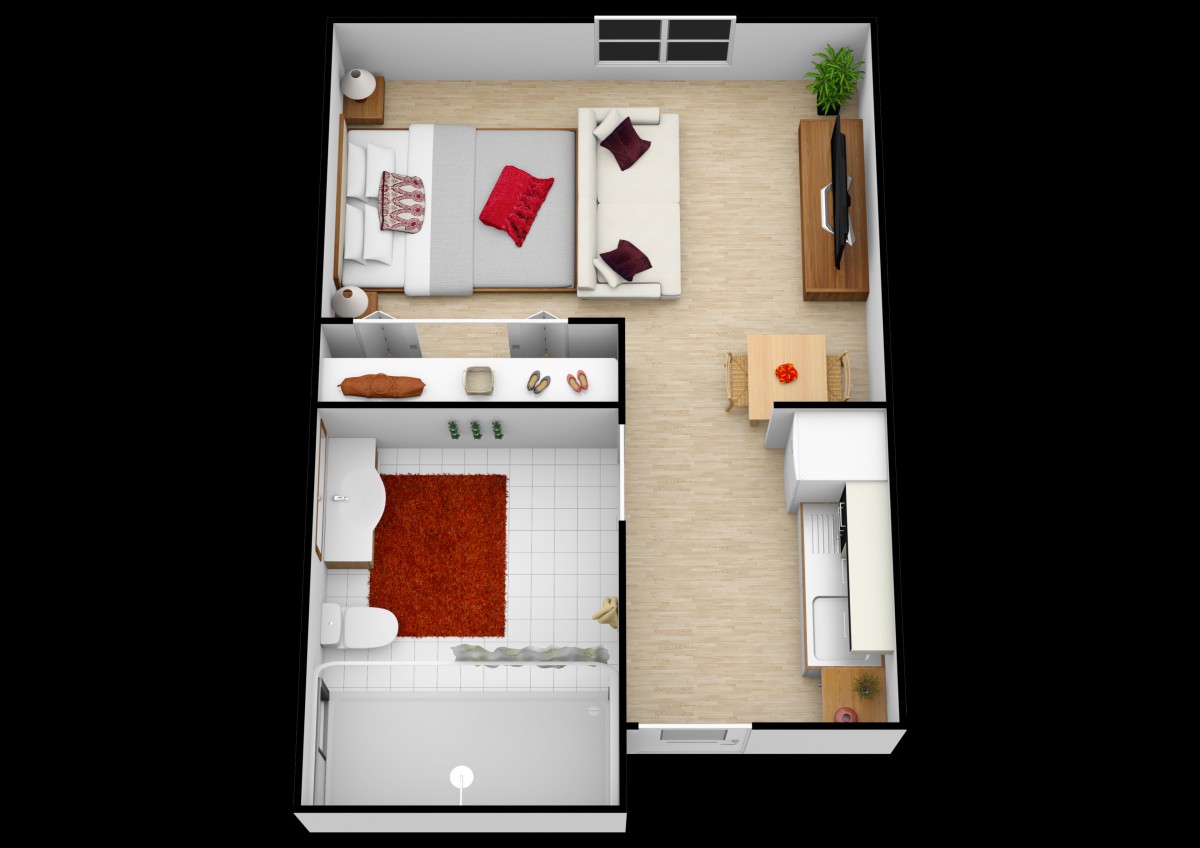
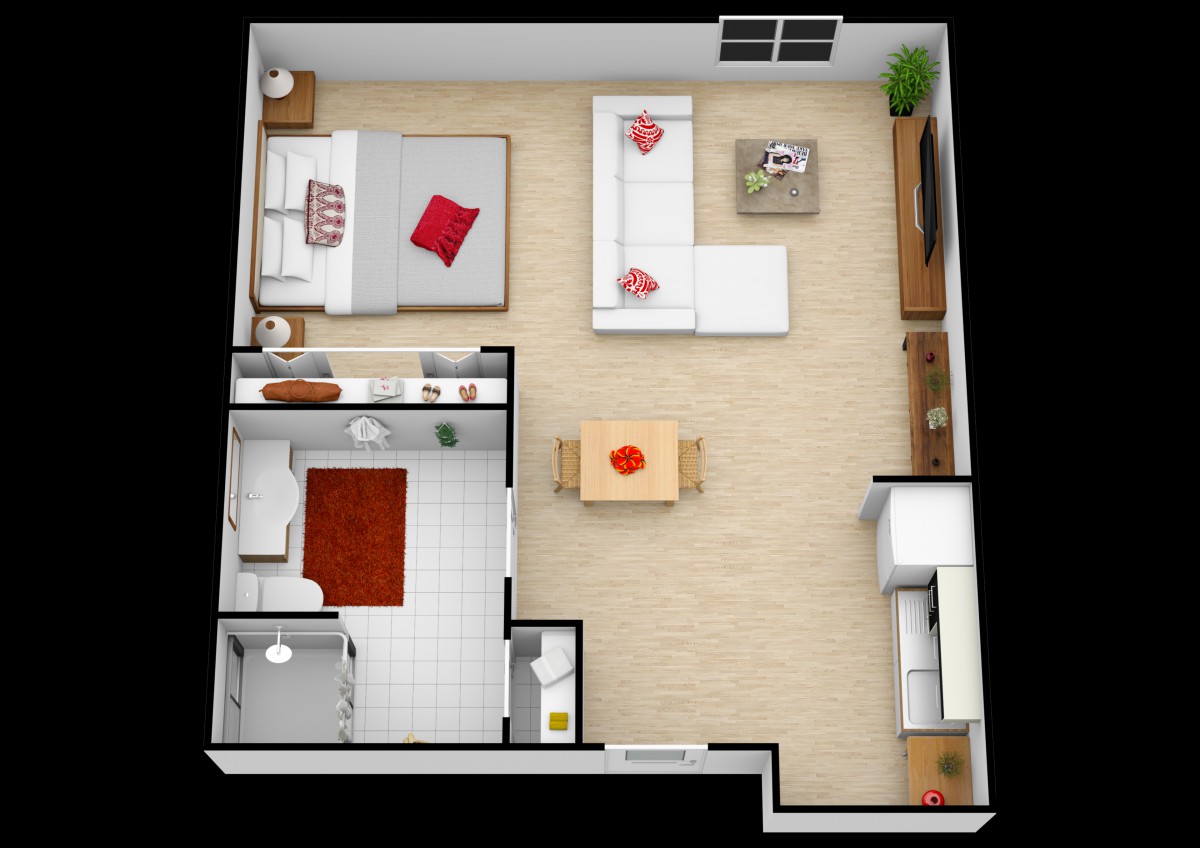
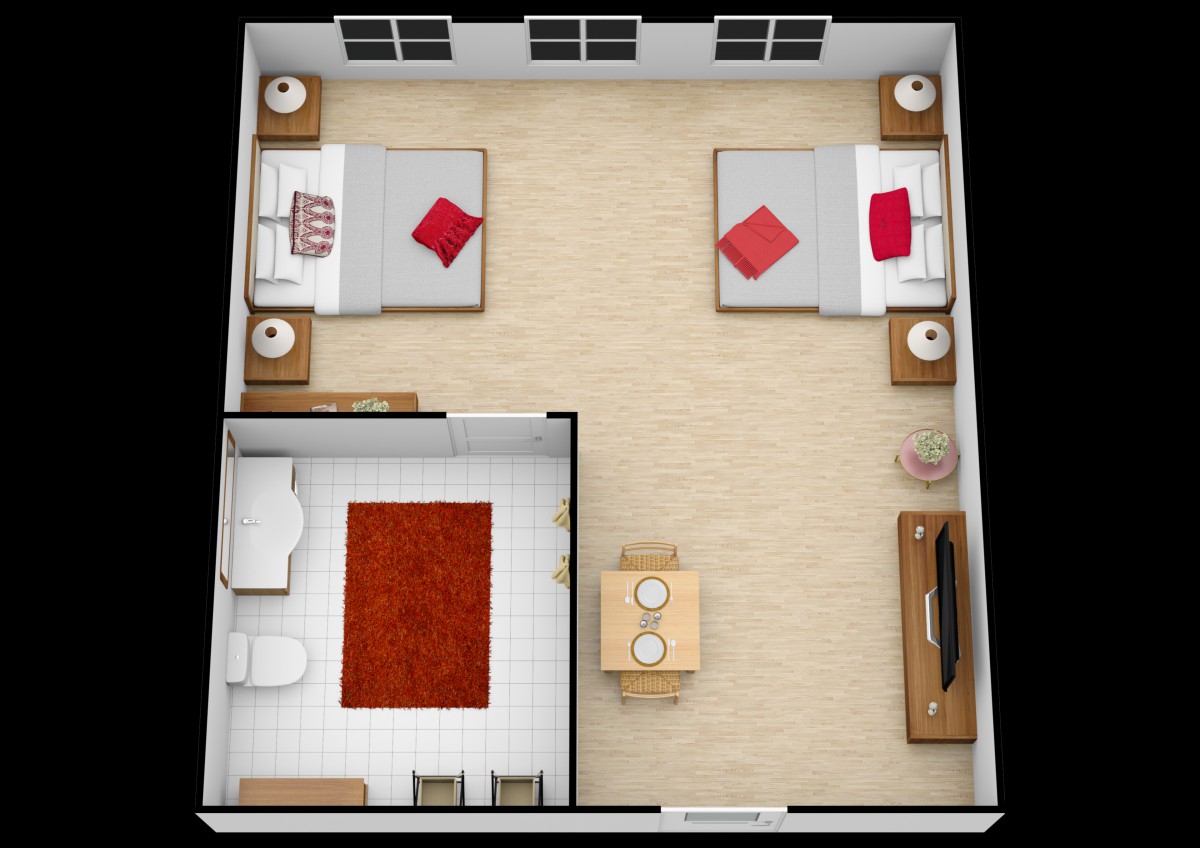
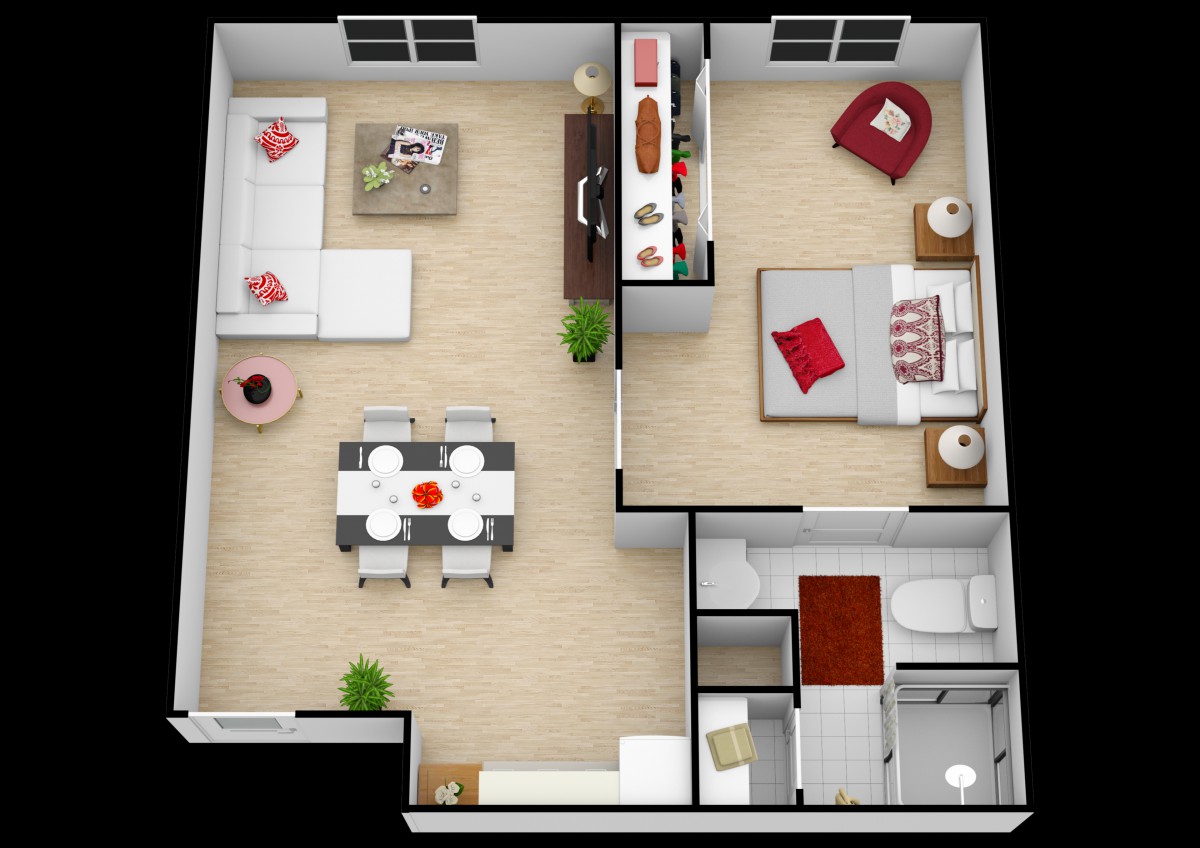
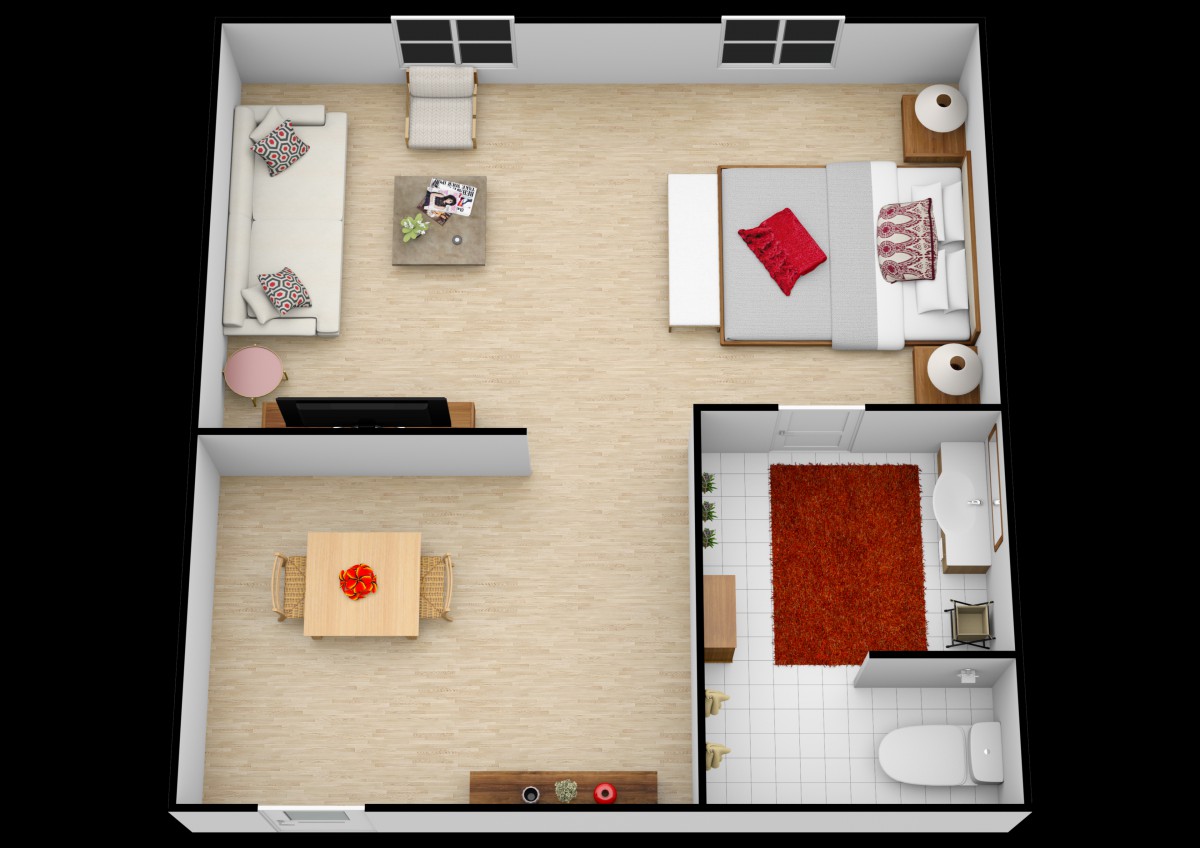
At Laketown Village, the monthly costs for accommodations demonstrate a competitive positioning within both Jefferson Parish and the broader Louisiana market. For a studio apartment, residents can expect to pay $2,920, which is significantly lower than the county average of $4,083 and cheaper than the state average of $3,235. Moving to one-bedroom units, Laketown Village remains attractive at $3,700 compared to Jefferson Parish's $4,105 and Louisiana's average of $3,413. However, for semi-private rooms priced at $4,800, there is a noticeable premium over Jefferson Parish's $3,773 and statewide figures of $3,598. Overall, Laketown Village offers appealing pricing for studios and one-bedroom apartments while indicating a strategic emphasis on quality or amenities for its semi-private option.
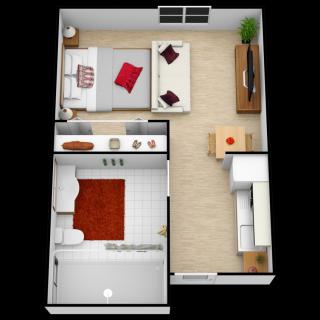
Floor plans
Laketown Village
Jefferson Parish
Louisiana
Studio
$2,920
$4,083
$3,235
1 Bedroom
$3,700
$4,105
$3,413
Semi-Private
$4,800
$3,773
$3,598
Memory care communities with a similar price nearby
Several residents’ families report delayed help after call-button requests.
Multiple reviewers describe long waits for staff after residents pressed call buttons, including instances where someone had to be found in the halls. A reviewer also describes nights where care tasks and scheduled checks were not consistently completed, requiring repeated follow-ups. On the memory care side, one reviewer reports they waited about 20 minutes for staff to respond at the door. Other comments mention weekend understaffing and that the community could not consistently provide the level of service promised.
caveat4 reviews mention this
Pricing and fees raise concerns
Pricing changes and fees are a recurring concern for families.
Reviewers point to sudden or rapid increases, particularly in memory care, and describe difficulty with how charges were handled. One reviewer warns strongly about signing up for what they call a matrix pricing model and notes a large upfront community fee that they say did not come back after moving out. Others also describe the overall cost as higher than expected. At the same time, another reviewer frames the experience as a better value than higher-priced communities, but still flags the cost as a concern.
differentiator6 reviews mention this
Memory care staff feel engaged
Memory care is where residents’ families most often describe close, kind support.
Several reviewers specifically call out memory care caregivers as attentive and relationship-focused, with examples of staff getting to know residents and checking closely. One reviewer highlights an individual memory care caregiver for being kind and conscientious while also engaging residents in games and special events. Another reviewer describes the memory care side as delivering a better level of activities and care than assisted living. A few reviews also mention that the memory care environment was set up differently than assisted living, with one person noting it could feel small and enclosed.
caveat6 reviews mention this
Food quality is praised and criticized
Dining reviews are mixed, with both compliments and complaints about meals.
Some reviewers say the food is enjoyed, including comments about restaurant-style meals and residents ordering what they want at meals. Others criticize the meal experience, including a complaint about repetitive sandwiches and concerns about nutrition. A separate reviewer says the community is expensive for the quality of food received. Overall, residents may like the menu and dining setup, but a recurring theme is inconsistency in how satisfying meals are day to day.
common3 reviews mention this
Outings and activities keep residents involved
Residents and families describe activities and outings that help people get out regularly.
Reviewers mention weekly outings and community activities, including trips to places like Walmart and restaurants. Others describe staff taking residents out for shopping and doctor appointments, with transportation offered for those needs. Several families also mention on-site programming such as games, crafts, and live or scheduled entertainment, contributing to a sense that residents stay engaged.
How we summarize
Counts show how many written reviews mention each theme; a review can touch several themes, and only frequently mentioned themes are displayed.
Features
Housing
22 resident community capacity
1-bedroom apartments
Studio apartments
Types of Care
Assisted Living
Memory Care
Pets
Cats allowed
Dogs allowed
Amenities
Activities off-site
Activities on-site
Air-conditioning
Beautician on-site
Beauty salon
Cable or satellite TV
Devotional services off-site
Devotional services on-site
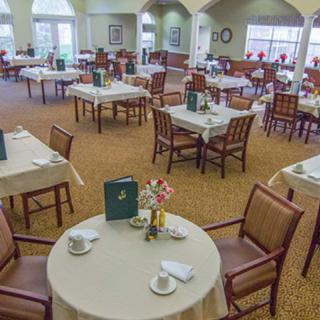
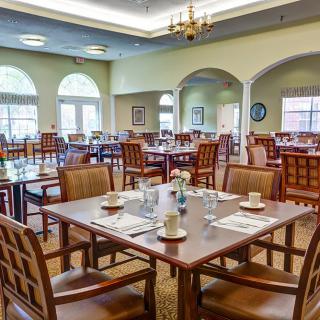
Dining room
Financing advice
Fully furnished
Garden
General store
Ground floor units
Guasts at mealtime
Guest parking
Handicap accessible
Home sale assistance
Housekeeping services
Indoor common areas
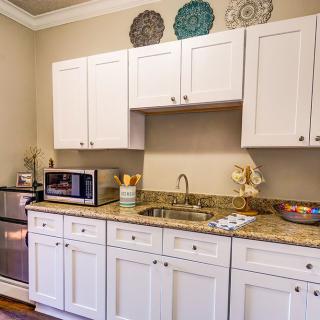
Kitchenette
Laundry
Move-in coordination
Outdoor common areas
Outdoor space
Overnight guests
Party space
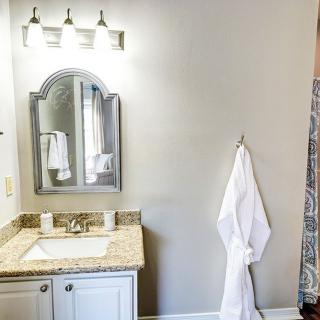
Private bathrooms
Private cleaning services
Resident parking
Respite or short term stays offered
Restaurant-style dining
Small library
TV room
Telephone
VA Benefits Consultation
Wheelchair accessible showers
Wi-Fi/high-speed internet available
Transportation
New Orleans International (3 miles away)
Transportation & parking
Transportation arrangement (non-medical)
Transportation to doctors appointments
Care Services
12-16 hour nursing
24-hour call system
24-hour supervision
Activities of daily living assistance
Ambulatory care
Assistance with bathing
Assistance with dressing
Assistance with transfers
Coordination with health care providers
Dementia waiver
Diabetes diet
Diabetic care
High acuity care
Hospice waiver
Incontinence care
Meal preparation and service
Medication management
Mental wellness program
Mild cognitive impairment
Special dietary restrictions
Specialized memory care programming
Transportation arrangement (medical)
Transportation to doctors appointments
Dining
Anytime dining
Diabetes diet
Gluten-free
Guest meals
International cuisine
Low / no sodium
Meals provided
No Sugar
Professional chef
Restaurant style dining
Room service
Special dietary restrictions
Special dining programs
Vegan
Vegetarian
Activities
Activities off-site
Art classes
Arts and crafts
Book club
Catholic services
Community-sponsored activities
Cooking classes
Cooking club
Day trips and outings
Devotional activities offsite
Devotional activities on-site
Educational speakers / life long learning
Fitness programs
Games
Gardening club
Jewish services
Live musical performances
Other religious services
Religious services
Resident-run activities
Scheduled daily activities
Stories
Visiting chaplain or priest
Wine tasting
Nearby Places of Interest
This part of Kenner, Louisiana offers a convenient location with easy access to essential services such as pharmacies, cafes, restaurants, physicians, places of worship, transportation options, theaters, and hospitals. With multiple pharmacies nearby like Walgreens and CVS Pharmacy for medication needs, as well as various dining options including Raising Cane's Chicken Fingers and Chick-Fil-A for quick meals. Healthcare providers like Lakeside Women's Specialty Center and East Jefferson General Hospital are within close proximity for medical care. The area also has accessible transportation options with Louis Armstrong New Orleans International Airport just a short drive away. Additionally, there are entertainment options like AMC Clearview Palace 12 for movie enthusiasts. Overall, this neighborhood in Kenner provides a well-rounded community for senior living with all necessary amenities nearby.
Pharmacies
Walgreens (0.6 miles)
CVS Pharmacy (1.3 miles)
Walgreens (1.4 miles)
Winn-Dixie (3 miles)
CVS Pharmacy (3.5 miles)
Walgreens (3.7 miles)
Walgreens (4.1 miles)
Cafes
Starbucks (1.4 miles)
Café du Monde (3 miles)
Corner Cafe (3.4 miles)
Starbucks (3.6 miles)
Cafe Du Monde (4.1 miles)
Grounded Coffee Cafe (8.1 miles)
Cafe Du Monde City Park (9.7 miles)
Parks
Kenner City Park Pavilion (1.4 miles)
Wentwood Playground (2 miles)
New Orleans City Park (9.5 miles)
Restaurants
Raising Cane's Chicken Fingers (1.4 miles)
Chick-Fil-A (2.2 miles)
Chick-Fil-A (2.9 miles)
Raising Cane's Chicken Fingers (4.7 miles)
Sonic Drive-In (4.9 miles)
Taco Bell (5.1 miles)
Sonic Drive-In (5.2 miles)
Physicians
Rareshide Elisabeth H Md Rareshide H Elisabeth Md Kenner (1.9 miles)
Coleman IV William P MD - Coleman William P Dr III (3.1 miles)
Ka-Yan Tong (3.6 miles)
Lakeside Women's Specialty Center (3.6 miles)
William F. Rachal (4.1 miles)
Mark J. Marino, MD (4.1 miles)
East Jefferson General Hospital (4.2 miles)
Places of Worship
Divine Mercy Parish Saint (1.9 miles)
Transportation
The Club MSY (2.9 miles)
Ride Share Pick Up (2.9 miles)
TSA PreCheck (2.9 miles)
Main Terminal (3 miles)
TSA Security Checkpoint (3 miles)
Louis Armstrong New Orleans International Airport (MSY) (3.3 miles)
Rental Car Parking Garage (3.8 miles)
Theaters
AMC Clearview Palace 12 (4.4 miles)
AMC Elmwood Palace 2 (6.1 miles)
Hospitals
Tulane - Lakeside Hospital (4.5 miles)
Ochsner Medical Center, International Department, Magnetic Resonance Imaging (7.1 miles)
The Gayle and Tom Benson Cancer Center (7.9 miles)
At Laketown Village, the monthly costs for accommodations demonstrate a competitive positioning within both Jefferson Parish and the broader Louisiana market. For a studio apartment, residents can expect to pay $2,920, which is significantly lower than the county average of $4,083 and cheaper than the state average of $3,235. Moving to one-bedroom units, Laketown Village remains attractive at $3,700 compared to Jefferson Parish's $4,105 and Louisiana's average of $3,413. However, for semi-private rooms priced at $4,800, there is a noticeable premium over Jefferson Parish's $3,773 and statewide figures of $3,598. Overall, Laketown Village offers appealing pricing for studios and one-bedroom apartments while indicating a strategic emphasis on quality or amenities for its semi-private option.
The array of services at Laketown Village, including 24-hour supervision and dedicated assistance with activities of daily living such as bathing, dressing, and transfers, ensures residents receive continuous support tailored to their individual needs. This comprehensive care fosters a sense of safety and security crucial for those living with dementia or Alzheimer's disease. Coordination with health care providers enhances the management of medical conditions, while medication management ensures that residents adhere to prescribed regimens without confusion. The provision of incontinence care and meal preparation focuses on maintaining dignity and nutrition, further supporting overall well-being. Specialized memory care programming and mental wellness initiatives address cognitive challenges through engaging activities designed to stimulate memory and promote emotional health. Together, these features create an environment where residents feel understood and supported, facilitating improved quality of life even amid the complexities of cognitive decline.
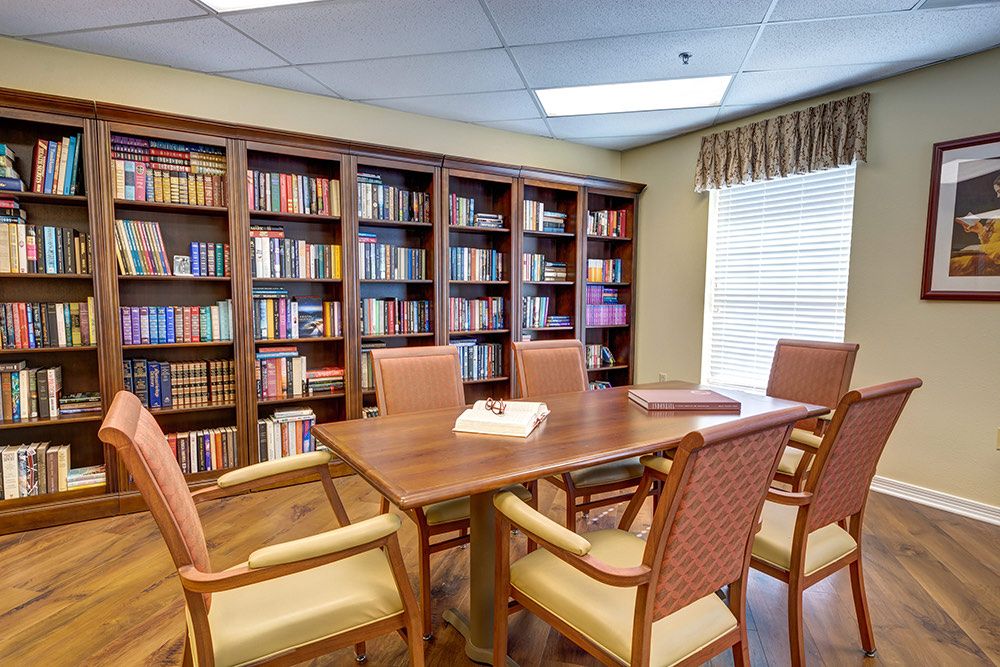
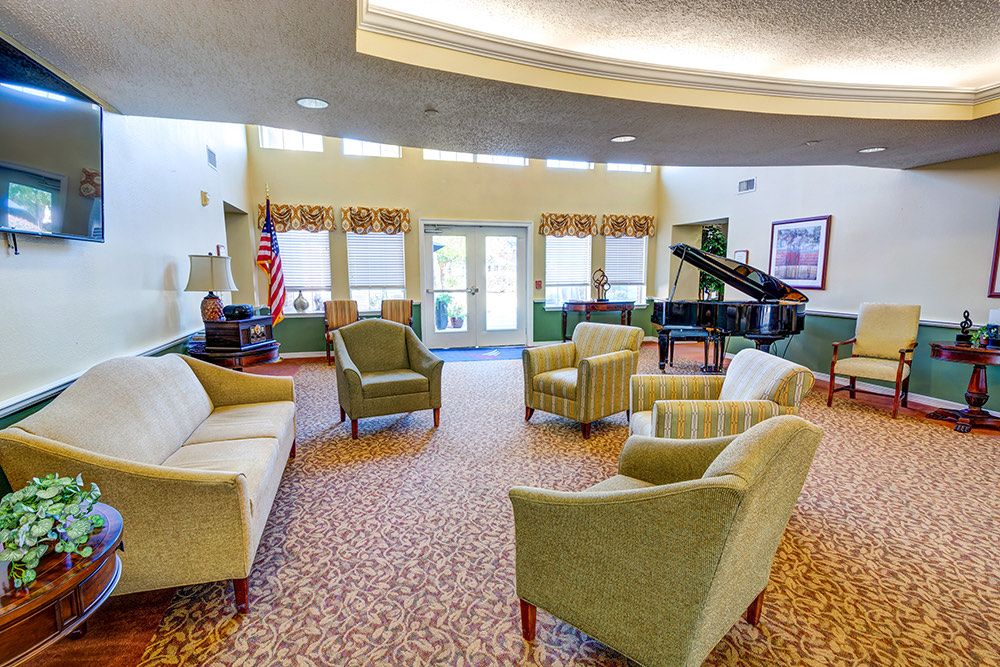
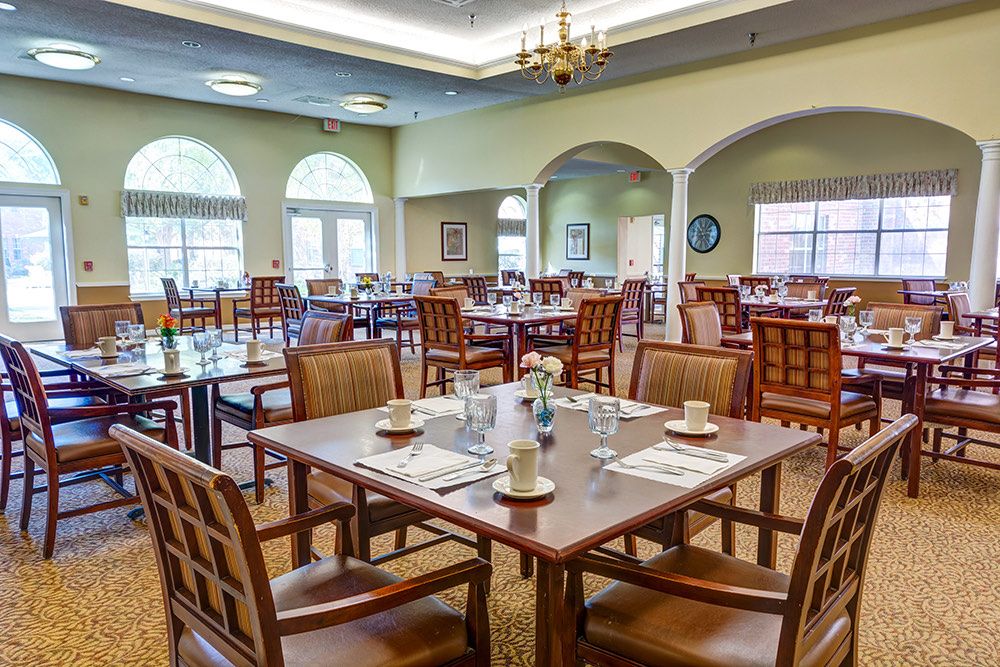
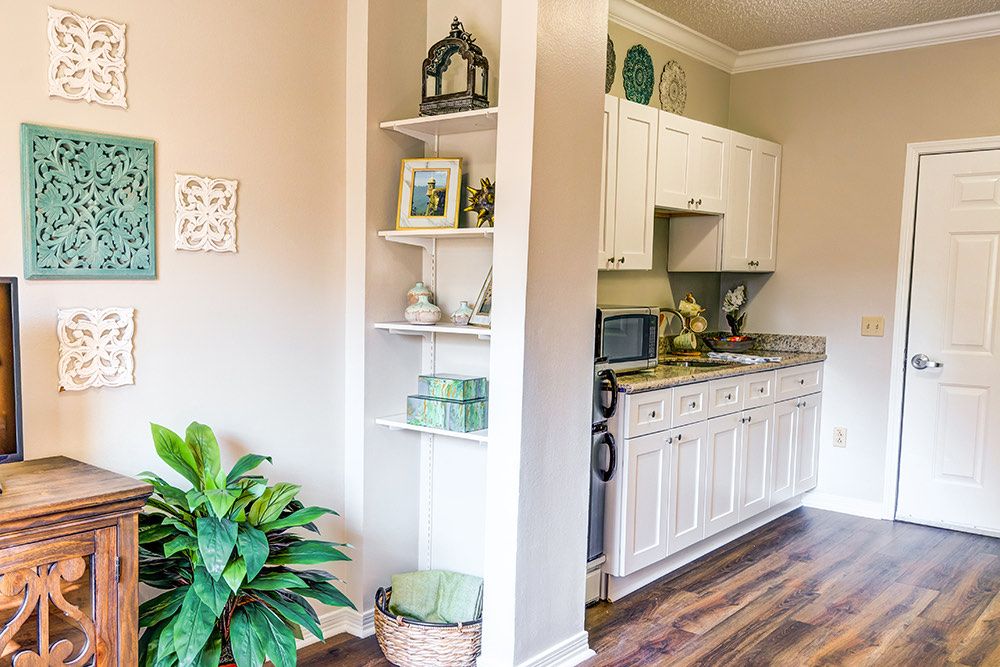
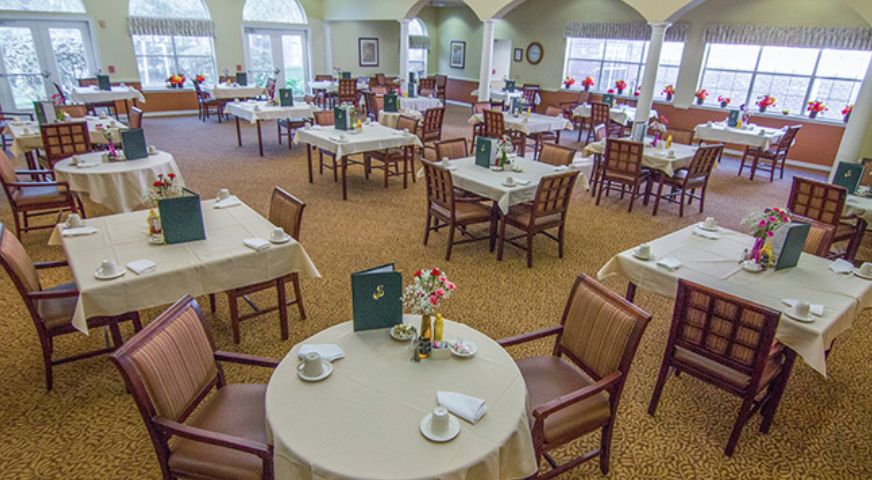
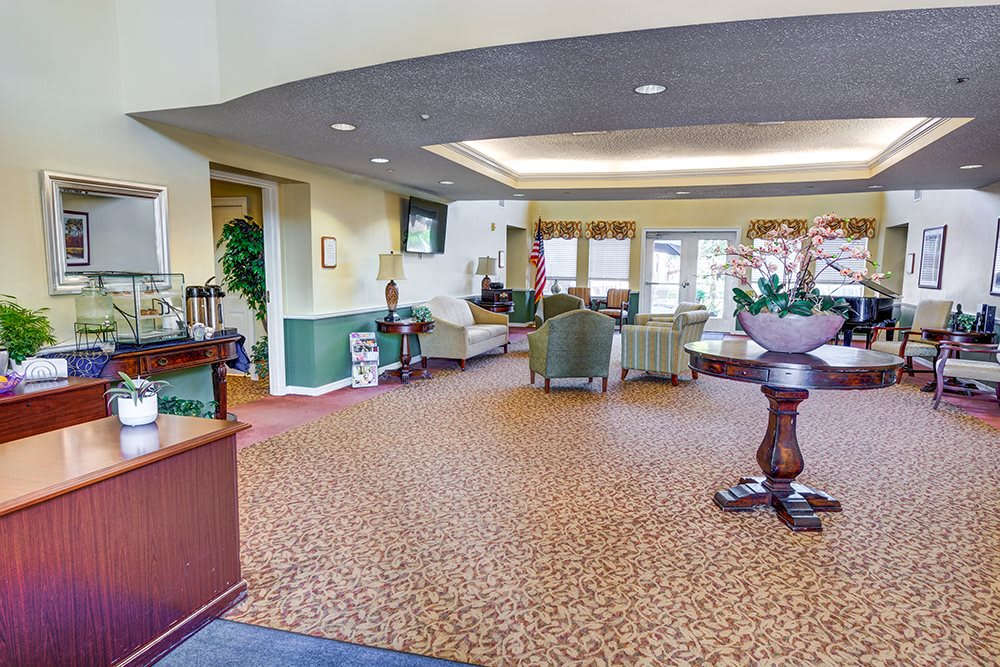
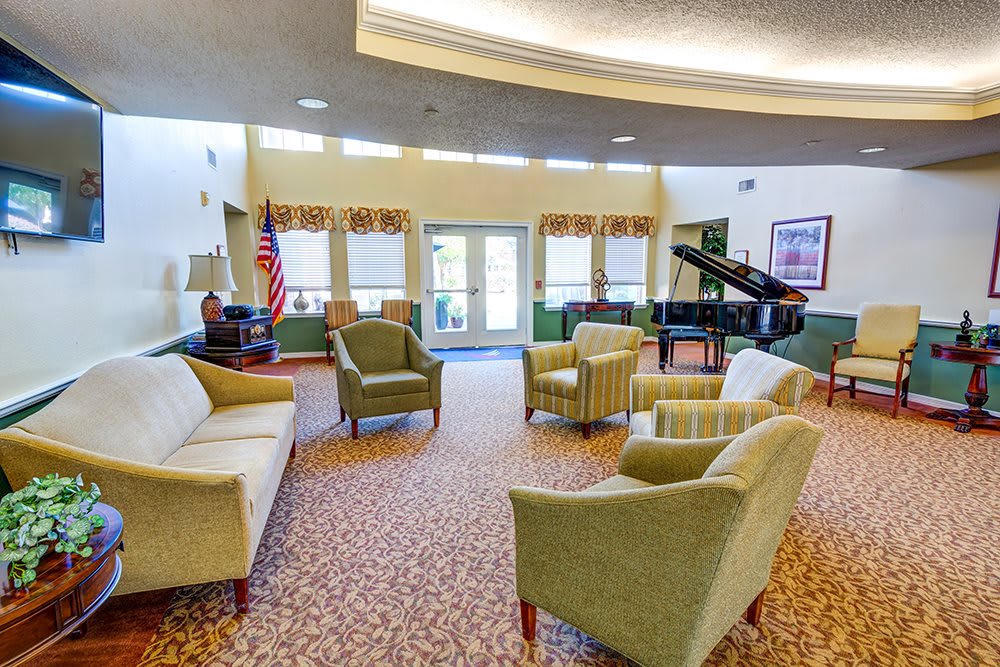
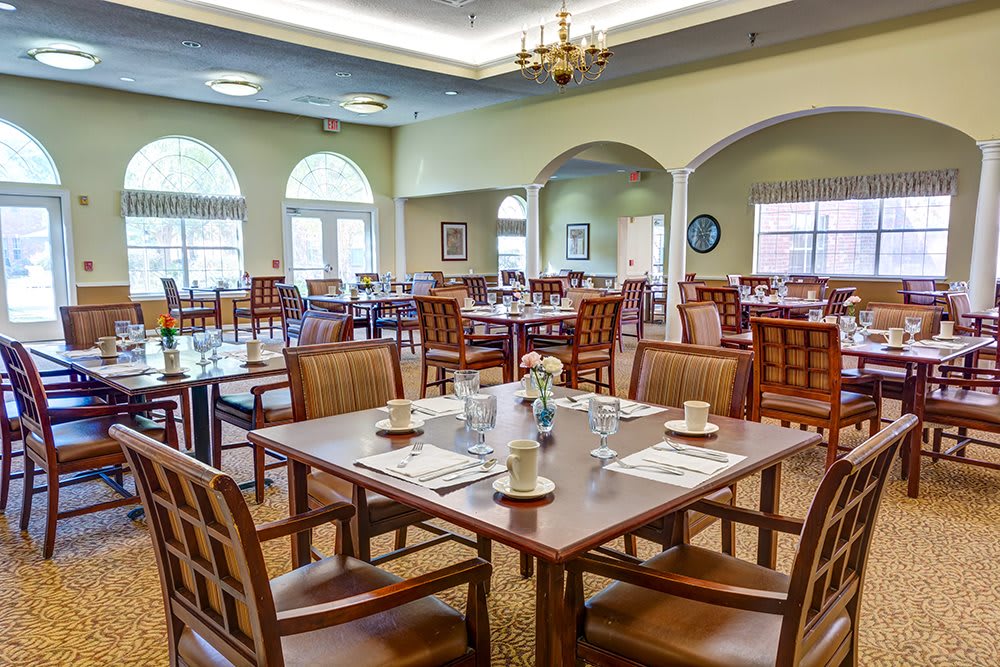
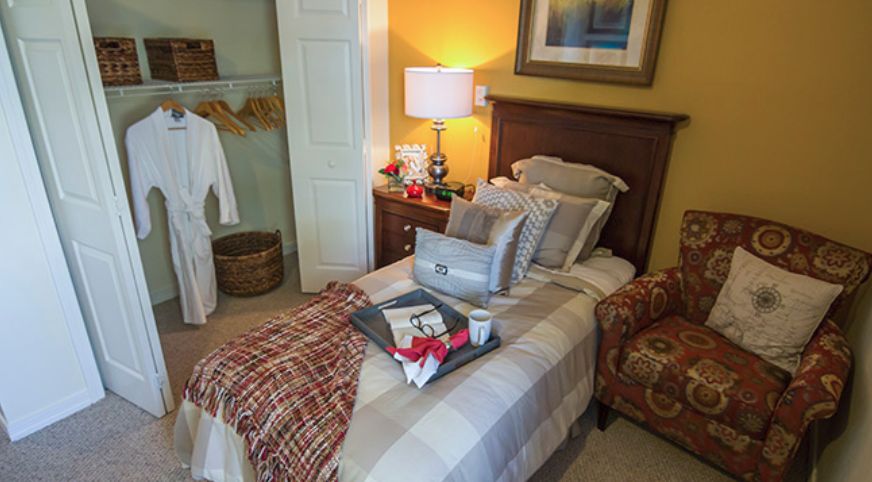
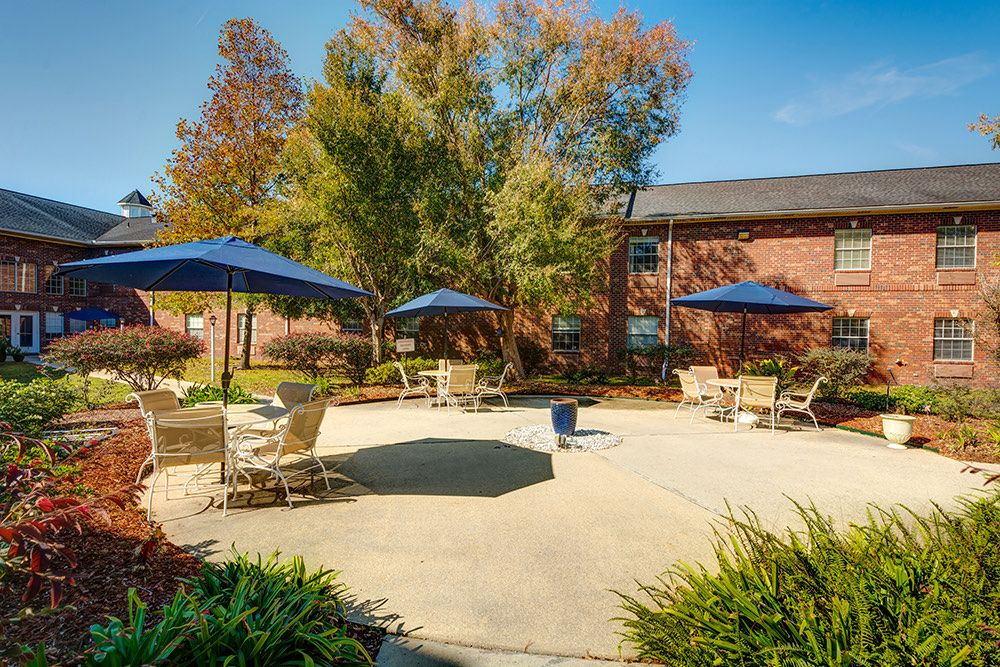
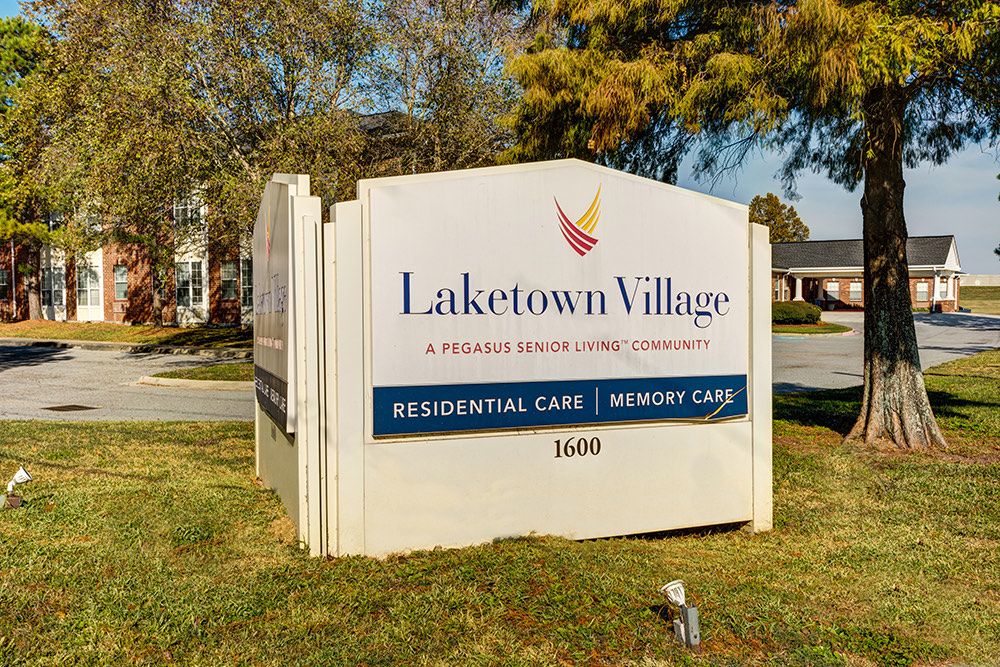
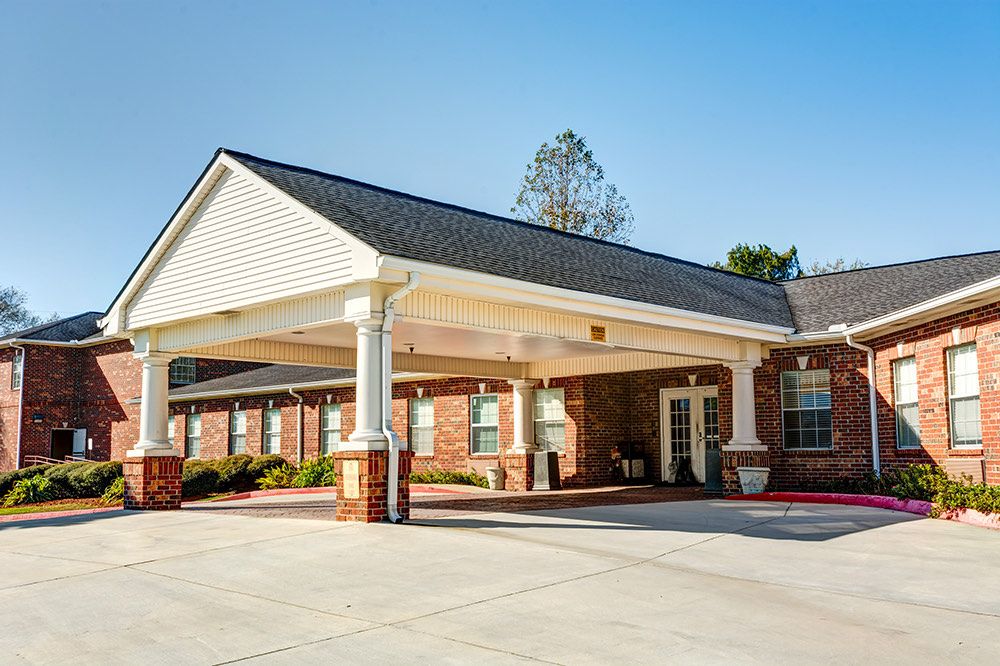
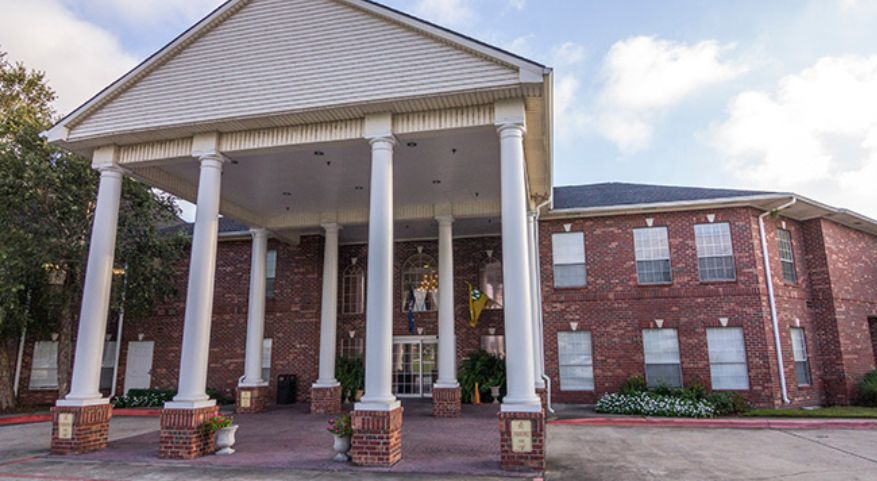
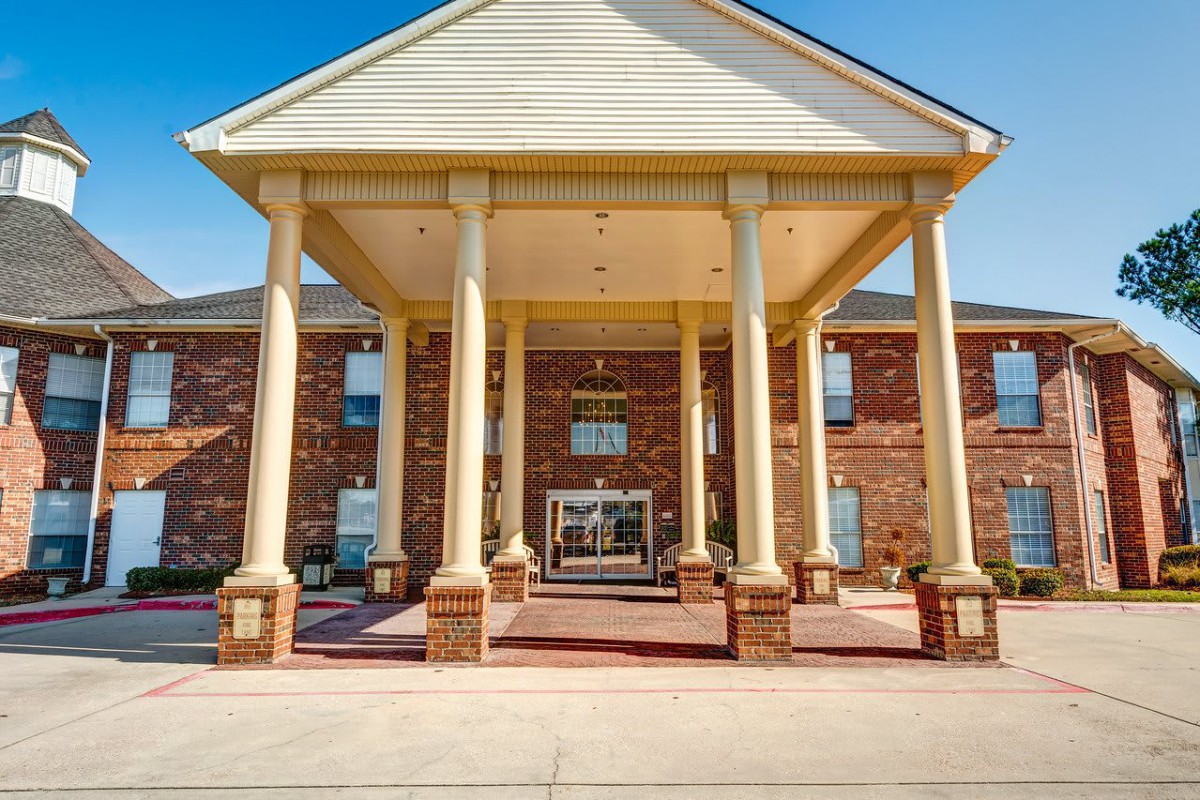
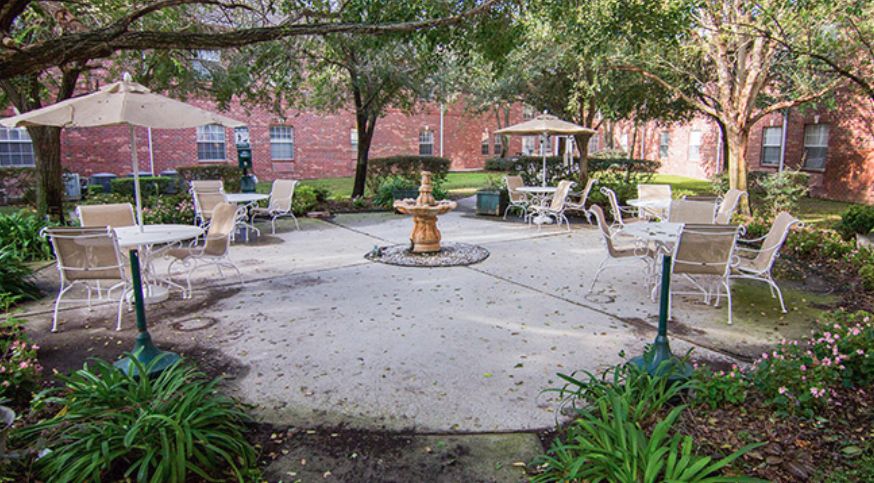
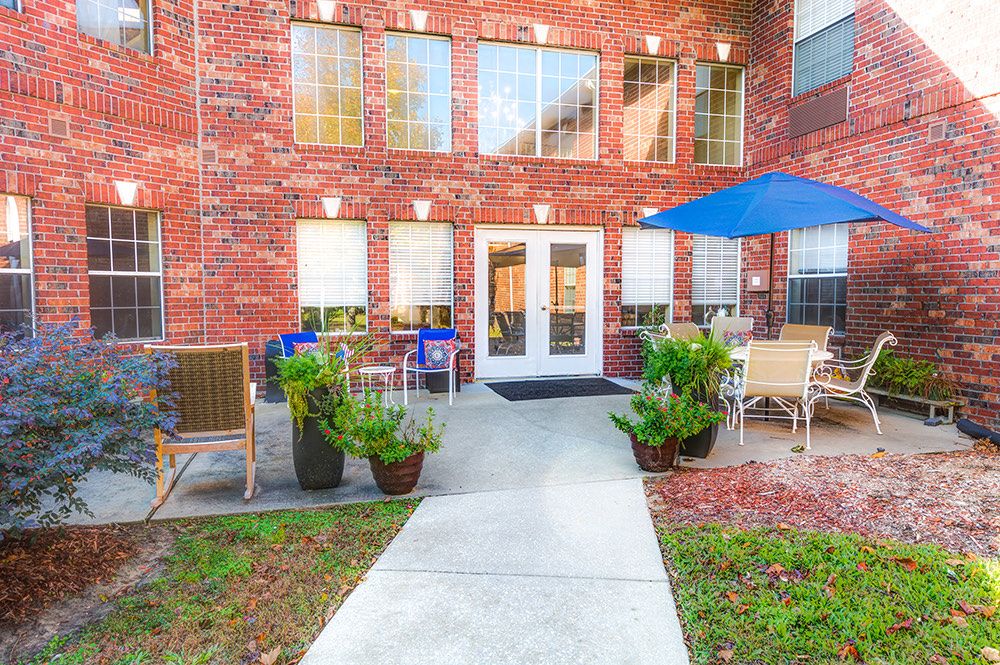
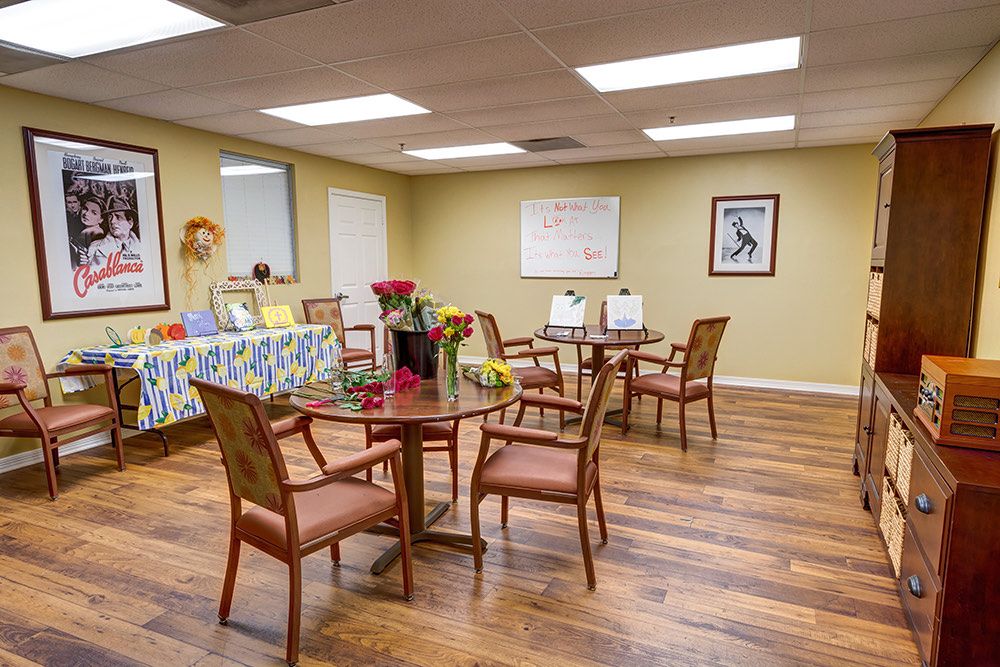
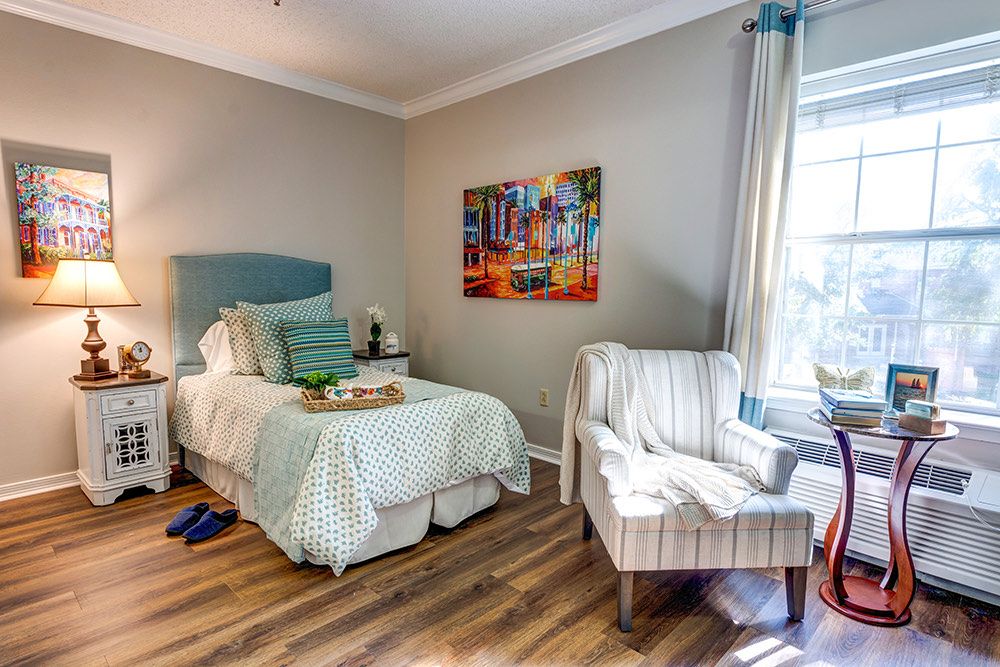
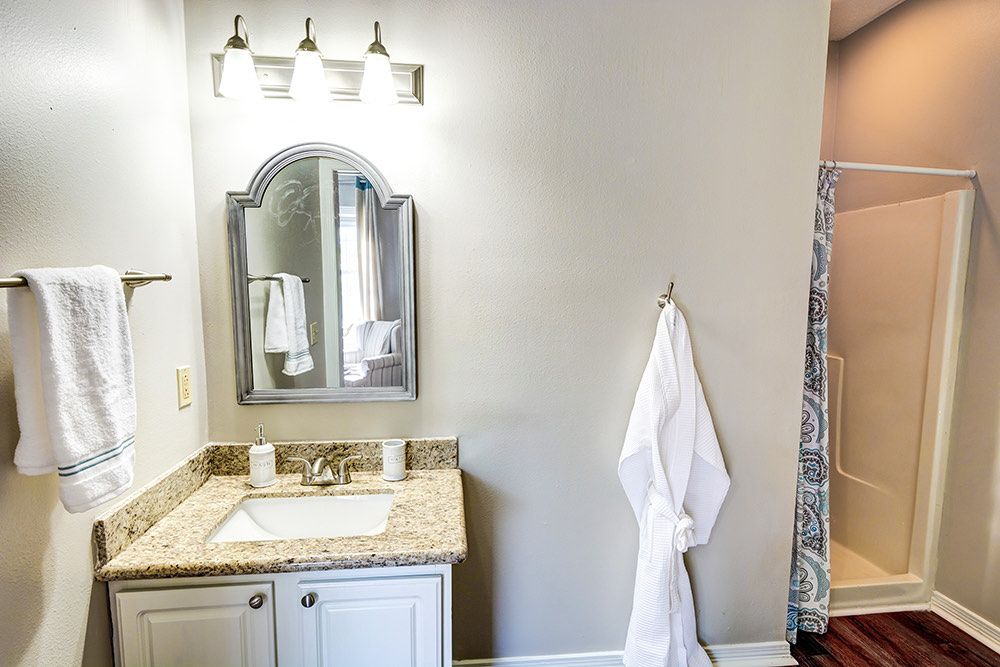
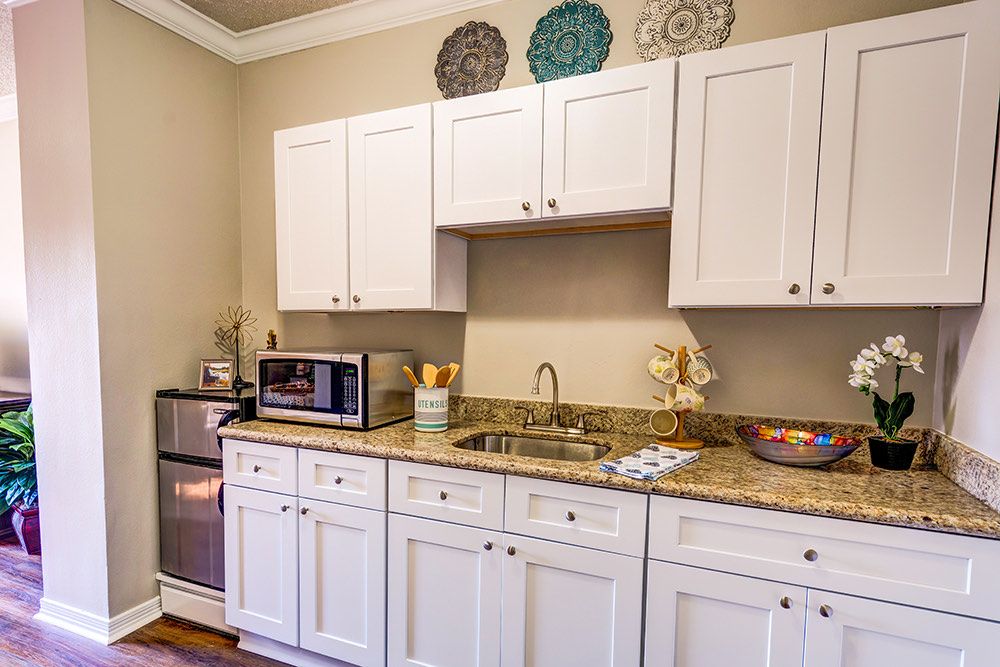
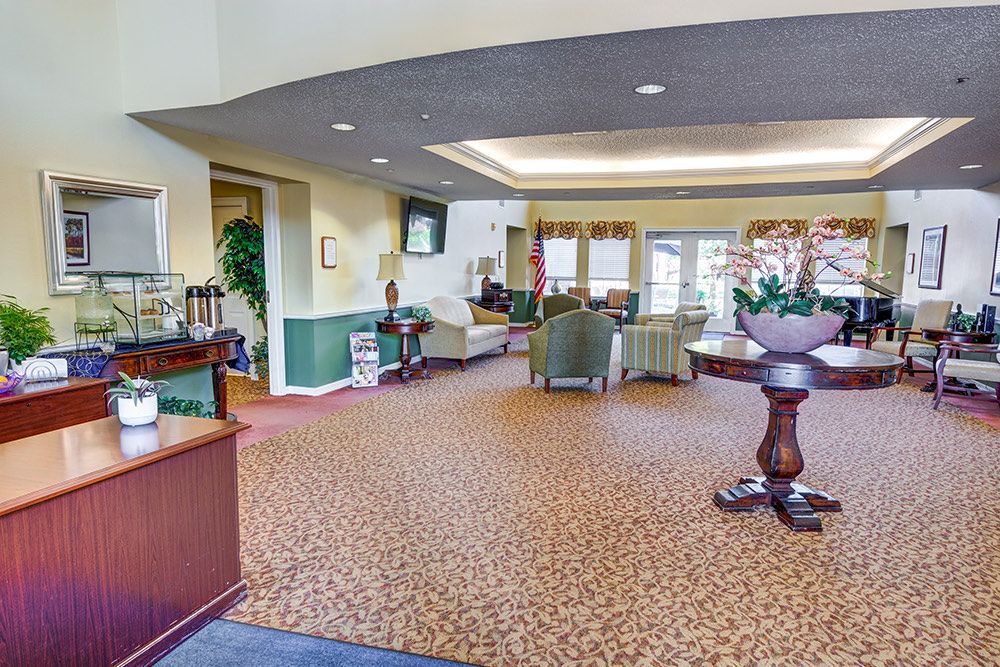
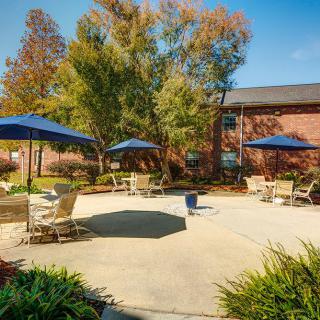
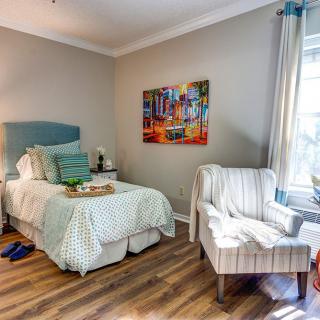
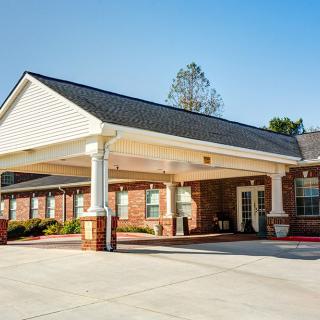
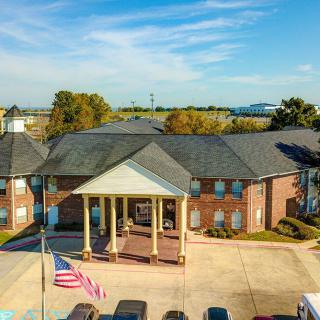
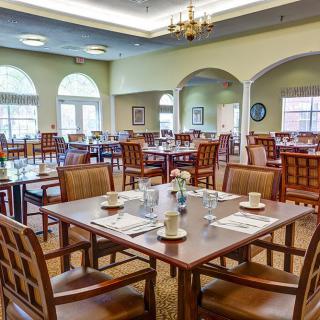
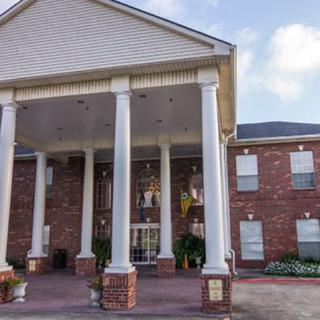
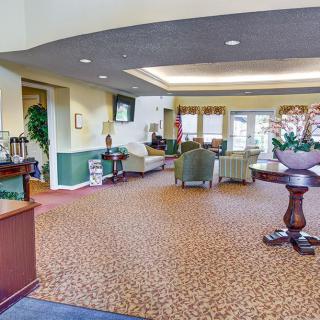
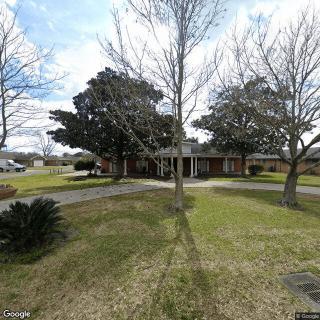
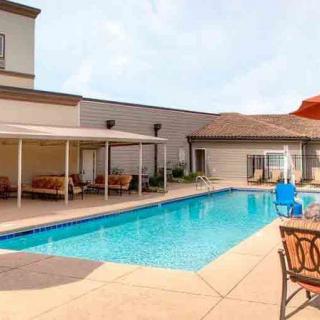
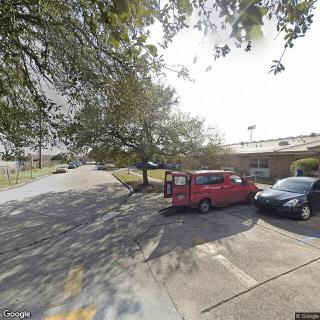
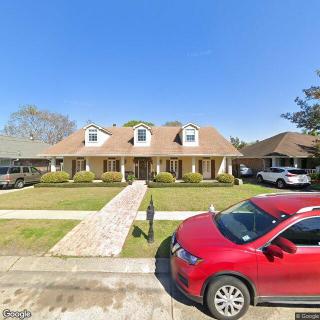
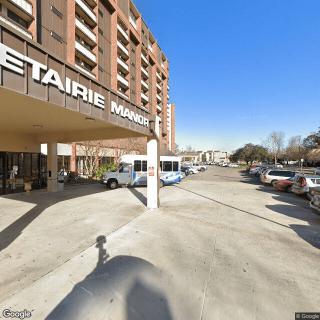
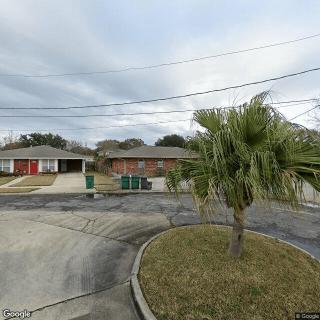
Laketown Village on seniors.fyi includes 51 photos including images showing interior, floor plan, bedroom, dining, building, kitchen, lobby, decor, and more.
Nearby Communities
Holiday Nouveau Marc
Kenner, LA
4.3 from 178 reviews
$2,289 to $3,149 / month
Welcoming community with friendly staff and varied dining/activities.
A & D Adult Residential Care - Kenner
Kenner, LA
2.8 from 22 reviews
Convenient Kenner location with abundant nearby amenities and healthcare options.
Chateau Living Center
Kenner, LA
2.6 from 102 reviews
$4,495 to $7,670 / month
Compassionate staff, home-like environment, and effective rehab services (PT/OT).
Inspired Living at Kenner
Kenner, LA
4.4 from 174 reviews
$3,325 to $5,450 / month
Beautiful grounds, friendly staff, and abundant amenities.
Fidelis Janice House
Metairie, LA
5 from 2 reviews
$4,000 to $5,000 / month
Personalized, comfortable care in a fully furnished board-and-care setting.
Schouest House
Metairie, LA
4 from 1 review
$3,500 to $4,000 / month
Excellent owner Peggy Stahls and highly regarded Metairie homes.
Metairie Healthcare Ctr
Metairie, LA
3.2 from 15 reviews
Caring staff and a communal environment with access to Medicare/Medicaid support.
Metairie Manor
Metairie, LA
4.2 from 66 reviews
Friendly staff in a clean facility with a convenient Metairie location.
Serenity Senior Residence
Metairie, LA
4.8 from 9 reviews
$1,985 to $4,000 / month
24/7 on-site nursing oversight with attentive, personalized care.
The article compares assisted living and skilled nursing facilities, detailing their differing levels of assistance, medical support, cost structures, and day-to-day experiences. It emphasizes that assisted living is for those needing help with daily activities while maintaining independence, whereas skilled nursing facilities provide intensive medical care with 24-hour staff supervision.
Vibrant Senior Living emphasizes active senior living communities that promote independence and engagement through diverse amenities and activities, fostering wellness and social interaction among older adults. These communities range from independent to assisted living, with a focus on personal growth, family involvement, financial planning, and leveraging technology to enhance residents' experiences.
Assisted living provides moderate support for seniors seeking independence, while memory care offers specialized support for individuals with dementia or cognitive impairments through structured routines and trained staff. Key differences include care approaches, environment security measures, staff training levels, activity types, and cost considerations.
Get PricingAsk A QuestionSchedule A TourContact Senior Advisor
By clicking submit, you agree to our Partner's Terms of Use. You
also consent to receive calls and texts, which may be autodialed, from our Partner. Your consent is not a condition to
using our Partner's service. Please visit our Partner's Privacy Policy for information about their privacy practices.





 22 resident community capacity
 1-bedroom apartments
 Assisted Living
 Memory Care
 Cats allowed
 Dogs allowed
 Activities off-site
 Air-conditioning
 Beautician on-site
 Cable or satellite TV
 Devotional services off-site
 Dining room
 Financing advice
 Fully furnished
 Garden
 General store
 Ground floor units
 Guest parking
 Handicap accessible
 Housekeeping services
 Indoor common areas
 Kitchenette
 Laundry
 Move-in coordination
 Outdoor common areas
 Overnight guests
 Party space
 Private bathrooms
 Respite or short term stays offered
 Restaurant-style dining
 Small library
 Telephone
 Wheelchair accessible showers
 Wi-Fi/high-speed internet available
 New Orleans International (3 miles away)
 Transportation & parking
 12-16 hour nursing
 24-hour call system
 Ambulatory care
 Assistance with bathing
 Assistance with dressing
 Assistance with transfers
 Diabetes diet
 Diabetic care
 High acuity care
 Hospice waiver
 Incontinence care
 Medication management
 Mental wellness program
 Special dietary restrictions
 Transportation arrangement (medical)
 Art classes
 Book club
 Catholic services
 Cooking classes
 Day trips and outings
 Educational speakers / life long learning
 Fitness programs
 Games
Games Jewish services
 Live musical performances
 Wine tasting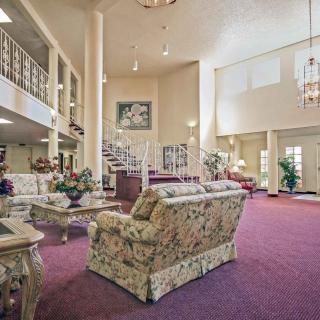
 Welcoming community with friendly staff and varied dining/activities.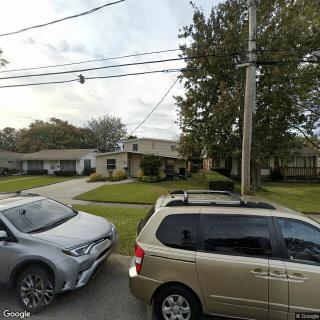
 Exploring the Contrasts Between Assisted Living and Skilled Nursing
 Vibrant Senior Living: A Comprehensive Guide for Active Older Adults
 Assisted Living and Memory Care: Understanding Their Core Differences